A Trade Upgrade Reaches Beyond Tariffs
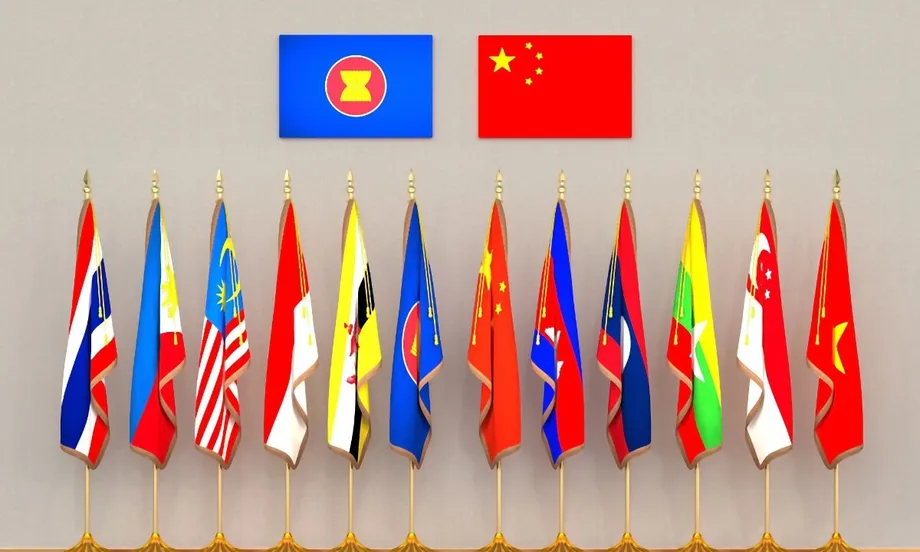
China and the Association of Southeast Asian Nations have completed negotiations on an upgrade to their free trade agreement, adding nine chapters that extend cooperation into the digital economy, green industries and supply chain connectivity. China's Ministry of Commerce announced the conclusion of the China-ASEAN Free Trade Area 3.0 negotiations on May 20, 2025.
Contents
- A Trade Upgrade Reaches Beyond Tariffs
- How the Partnership Reached This Point
- Why the Trading Relationship Matters
- What the Digital and Green Chapters Cover
- Where Businesses See Opportunities
- An Open Trade Message Amid Tariff Tensions
- How CAFTA 3.0 Fits Regional Integration
- What Implementation Will Require
- Key Points
The agreement brings together trading partners whose exchanges reached $234 billion in the first quarter of 2025 alone. China has been ASEAN's largest trading partner for 16 consecutive years, while ASEAN has been China's biggest trading partner for the past five years.
As of June 9, the next step is the formal signing of the protocol, which is expected before the end of 2025. No exact signing date has been given. The completed negotiations set out a broader direction for cooperation, with implementation requiring further work on standards, customs procedures and the ability of institutions to carry out the agreement.
The upgrade arrives amid rising protectionism, tariff disputes and unilateral trade restrictions, particularly between the United States and China. For China and Southeast Asia, the agreement combines a practical effort to strengthen trade with a public commitment to keeping markets open.
How the Partnership Reached This Point
CAFTA 3.0 is the latest stage of a trade partnership that began in 2010 and was previously upgraded in 2019. The new negotiations build on that relationship by widening cooperation beyond the traditional focus on reducing tariffs, the taxes charged on goods crossing borders.
The main dates show how the agreement has developed and what comes next:
- 2010: The China-ASEAN free trade partnership began.
- 2019: The agreement received an earlier upgrade.
- May 20, 2025: China's Ministry of Commerce announced the completion of CAFTA 3.0 negotiations.
- Before the end of 2025: Formal signing of the protocol is expected.
The latest upgrade shifts attention toward the rules, connections and practical arrangements that support trade. Lower border taxes remain part of the wider relationship, while the new areas of cooperation address how businesses sell online, invest in greener industries and connect production across the region.
Why the Trading Relationship Matters
China and ASEAN together account for a quarter of the world's population and one fifth of global gross domestic product, or GDP, the measure of economic output. Their partnership forms the world's largest free trade area by population.
The $234 billion in bilateral trade recorded during the first quarter of 2025 gives the negotiations immediate commercial importance. The two sides already depend heavily on each other as trading partners, and CAFTA 3.0 is expected to increase those exchanges by reducing barriers and opening more areas for collaboration.
The consecutive years at the top of each other's trading relationships also show that this upgrade builds on an established flow of goods and business activity. The agreement seeks to deepen those connections while helping regional production networks withstand disruptions from tariffs and geopolitical tensions.
What the Digital and Green Chapters Cover
CAFTA 3.0 introduces nine additional chapters. Among the areas identified are the digital economy, the green economy and supply chain connectivity, each addressing a different part of how businesses operate across borders.
- Digital economy: Bringing electronic commerce regulations into closer alignment and promoting collaboration on artificial intelligence.
- Green economy: Supporting renewable energy, electric vehicles and sustainable development.
- Supply chain connectivity: Improving the integration and resilience of regional production networks.
For digital trade, closer alignment means working toward rules that fit together more easily across markets. The emphasis on electronic commerce reflects the growing importance of business conducted online, while cooperation on artificial intelligence extends the agenda into emerging technology.
The green economy provisions place renewable power and electric vehicles within the trade relationship's expanding scope. Their focus connects economic cooperation with sustainable development, supported by investment in green technology and the sharing of knowledge.
Supply chain connectivity concerns the links between the businesses and places involved in production. CAFTA 3.0 aims to make those regional networks more connected and more resilient, helping support trade flows when tariffs or political tensions disrupt them.
Where Businesses See Opportunities
Mohamed Iqbal Rawther, chairman of the Economic Club of Kuala Lumpur and deputy chairman of the China-ASEAN Business Association, identified the digital economy as a particularly promising area. Southeast Asia's expanding internet industry gives initiatives under CAFTA 3.0 considerable potential for growth.
His assessment points to a central feature of the upgrade: its benefits are expected to reach beyond the movement of physical goods. Cooperation on online commerce and technology could become a larger part of the economic relationship alongside established trade.
Small and medium-sized enterprises are also part of the preparations. Organizations including the Economic Club of Kuala Lumpur plan to hold workshops for these businesses, develop digital tools to provide guidance and encourage partnerships between public authorities and private companies.
Financial support for investment in green technology and the sharing of knowledge will also be priorities. These efforts are intended to help businesses take part in the agreement's newer areas of cooperation, alongside the broader work of putting its provisions into practice.
An Open Trade Message Amid Tariff Tensions
Dino Patti Djalal, Indonesia's former vice-minister of foreign affairs, described the completion of negotiations as an important development for international economic cooperation. He called it:
a huge development in terms of global economic cooperation.
Djalal said the agreement shows how China and ASEAN can work together to counter protectionist trends and set an example for the world. Its timing gives that message particular weight, with escalating tariff disputes and unilateral restrictions putting global trade under pressure.
China's Ministry of Commerce also presented the agreement as support for openness and cooperation. In its statement, the ministry said the agreement:
injects greater certainty into regional and global trade and plays a leading and exemplary role for countries to adhere to openness, inclusiveness and win-win cooperation.
The ministry's position connects the regional negotiations to multilateralism, cooperation among countries through shared arrangements. China and ASEAN are presenting their continued economic integration as a response to the growing use of unilateral trade measures elsewhere.
How CAFTA 3.0 Fits Regional Integration
CAFTA 3.0 aligns with wider regional efforts, including the Regional Comprehensive Economic Partnership, known as RCEP, to strengthen economic integration and resilience. The shared direction is toward closer economic connections at a time when international production and trade face disruption.
The upgrade is expected to help stabilize trade flows and support economic growth by strengthening the connections between China and Southeast Asia. Its focus on production networks gives practical substance to that goal: regional trade depends on how effectively businesses and markets remain connected.
Chheang Vannarith, director of the China-ASEAN Studies Center in Cambodia, said the negotiations were conducted in a spirit of mutual interest, with the aim of deepening integration and connectivity. He identified closer alignment of standards, better customs procedures and stronger institutional capacity as essential to realizing the agreement's benefits.
What Implementation Will Require
ASEAN countries have different levels of digital infrastructure and different regulatory frameworks. Closing the digital divide, the gap in access to and ability to use digital technology, will require sustained effort as cooperation expands into online commerce and other technology activities.
Standards and customs procedures are another practical focus. Bringing standards into closer alignment and improving the processes used at borders are part of the work needed to turn the negotiated agreement into more effective regional trade.
Institutions will also need the capacity to carry out the new arrangements. Vannarith's assessment places that work alongside connectivity: the agreement's ambitions depend on the ability of the participating countries to implement them.
The planned business workshops, digital guidance tools, public and private partnerships, and support for green investment address different parts of that task. Formal signing, expected before the end of 2025, is the next scheduled milestone in a process intended to deepen economic integration and support sustainable development.
Key Points
- China's Ministry of Commerce announced the completion of CAFTA 3.0 negotiations on May 20, 2025.
- The upgrade adds nine chapters, including cooperation on the digital economy, green industries and supply chain connectivity.
- China-ASEAN trade reached $234 billion in the first quarter of 2025.
- The partners together account for a quarter of the world's population and one fifth of global GDP.
- Implementation will require work on digital access, standards, customs procedures and institutional capacity.
- Formal signing of the protocol is expected before the end of 2025.