Exploring the Last Stop of Vietnam's Culinary Roadmap
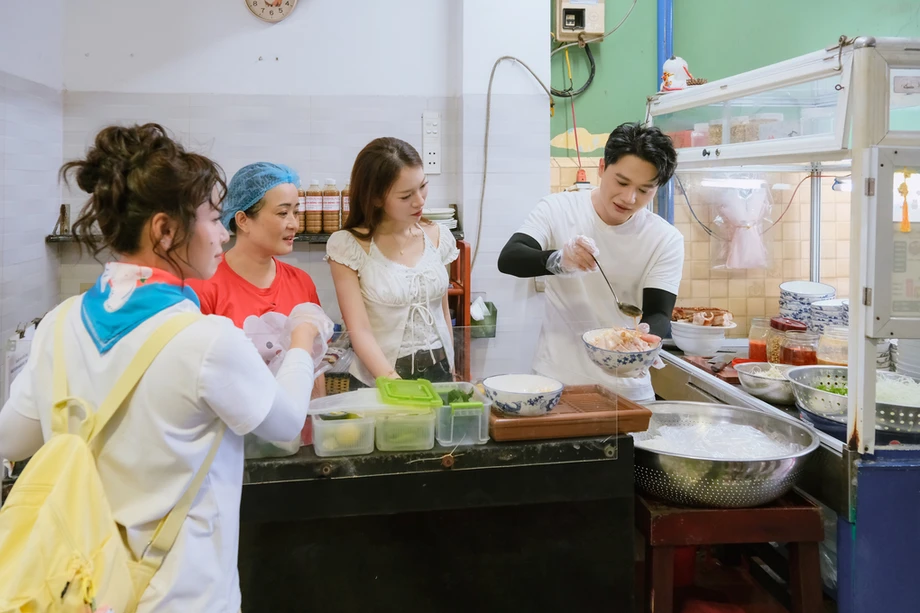
The final leg of the cultural television program Sao Chon has arrived in Da Nang, a coastal city where urban modernity meets ancient maritime traditions. Hosted by Ngoc Phuong, with guests MC Khanh Vy and content creator Vinh Thich An Ngon, the tenth episode explores the city's distinctive flavors under the theme Thong dong vi bien, which translates to leisurely coastal tastes. The episode, which aired on Sunday, November 29, at 21:00, guides viewers through street food, family meals, and high-end dining, highlighting the deep connection between local ingredients and traditional craftsmanship.
Contents
Sao Chon is one of 17 initiatives for cultural industry development in Vietnam for 2026, operating under the Vietnam iContent 2026 framework. The program is organized by the Department of Digital Information and Transformation under the Ministry of Culture, Sports and Tourism, in collaboration with VnExpress Newspaper, FPT Online, and the Vietnam Association of Culinary Arts and Employment. T Production serves as the producer, with Techcombank OneU as the strategic partner. The series connects artists with the stories behind local ingredients, traditional crafts, and community lifestyles across ten provinces.
Every stop in the journey opens up stories behind the food, from preparation methods and ingredients to the local lifestyle and memories.
The host Ngoc Phuong noted that the program acts like a star on the culinary map of Vietnam, highlighting the richness of the country's culture. The series began its journey in northern provinces including Quang Ninh, Hai Phong, Hanoi, and Thanh Hoa, moved to central regions like Hue, and concluded in the south with cities including Ho Chi Minh, Vung Tau, Can Tho, and Nha Trang.
Street Food and Family Traditions in Da Nang
The culinary exploration begins at Bun Mam Nem Ba Thuyen, a noodle shop that has operated since 1985 in a quiet alley. The shop is more than 40 years old, starting from the owner's mother's fondness for noodle soup with fermented fish sauce. The special feature is the mam nem, made from fermented marine fish and salt, which has a strong aroma and rich taste.
Visitors prepare their own bowls, combining fresh noodles, boiled or roasted pork, fermented pork sausage, fresh herbs, shredded papaya, and roasted peanuts. The flavor profile balances the saltiness of the fish sauce, the fattiness of the meat, the crunch of papaya, and the nuttiness of peanuts. Some diners travel from Hue specifically to enjoy a bowl of this authentic soup.
Next, the group visits Banh Trang Dam Dip Hong Nguyet, a snack shop on Hoang Dieu Street with over 40 years of history. The dish consists of two layers: crispy grilled rice paper and soft, chewy wet rice paper. Diners stack them, lightly press them together to make them adhere, and then dip them in mam nem seasoned with garlic and chili. The pressing action gives the dish its name, meaning smashed rice paper.
Vinh and Ngoc Phuong tried grilling the rice paper while Khanh Vy cooked over charcoal. Khanh Vy praised the aroma of the wet rice paper, and Ngoc Phuong found the dish easy to eat without getting tired of it.
The Nam O Fish Sauce Heritage
The journey continues to the Nam O fish sauce village at the foot of Hai Van Pass, near the Cu De River. This ancient fishing village is famous for its fish sauce made from black anchovy and sea salt. The craft was recognized as a national intangible cultural heritage in 2019.
The village has a history of more than 400 years. More than 100 households produce 50,000 liters of fish sauce annually. Black anchovy is the main raw material, and one kilogram of fish yields half a liter of sauce. The anchovy season starts in the third lunar month. Fishermen catch and ferment the fish with salt sourced from Ca Na in Ninh Thuan province.
The guests met Mr. Phong, a fourth-generation craftsman at Huong Lang Co workshop. He explained that each jar of fish sauce is fermented for 12 to 15 months. The anchovy must be fresh, and the salt needs to be aged for six months to one year before processing. After fermentation, the sauce is filtered several times to become clear with a reddish-brown color.
Each jar is fermented for 12 to 15 months. The anchovy must be fresh.
The guests tasted gỏi cá, a raw fish salad with Nam O fish sauce. Vinh felt the sweetness of the fish blended with the aroma of the sauce, while Ngoc Phuong was surprised by the lack of fishy odor.
Modernization and the Risk of Displacement
Despite its rich heritage, Nam O village faces challenges. The recognition of its fish sauce as a cultural heritage site came on August 27, 2019, via Decision 2974/QD-BVHTTDL from the Ministry of Culture, Sports and Tourism. This recognition highlighted the craft's reflection of local cultural identity, diversity, and human creativity.
A major development is the Lancaster Nam O Resort, an ecotourism project with an investment of about 4,500 billion dong. Since 2017, hundreds of fishermen's households have been relocated to make way for the resort. This relocation poses a risk to the survival of the traditional craft if the community is not adequately supported.
To preserve the brand, Da Nang City has taken several steps. On June 3, 2024, the Intellectual Property Office issued Decision 437/QD-SHTT, registering geographical indication No. 00138 for Nam O fish sauce. This protects the name and ensures quality control.
The city is also preparing to build a Nam O Fish Sauce and OCOP Products Exhibition House. The project aims to connect production, commerce, and community tourism. OCOP products are local products with one community one product standards, with Nam O achieving 3-star and 4-star ratings.
Culinary Integration and Future Outlook
The final stop is Am Thuc Tran, a restaurant operating for 24 years, serving banh trang cuon thit heo hai dau da, a rolled rice paper dish with pork skin. The dish combines lean and fatty pork, rice paper, leaf noodles, and about 13 types of vegetables, dipped in mam nem with garlic, chili, and tamarind.
Khanh Vy praised the soft and juicy meat, while Vinh felt proud to explore central Vietnamese delicacies. The program ends with a sense of completion, having connected the dots between street food, family meals, and high-end dining.
Da Nang is developing its culinary heritage into a key tourism product. The Tinh hoa ban dia 2026 program, launched on November 28, aims to promote local culture, heritage, and crafts. It encourages hotels and resorts to invest in local ingredients and services.
The city's development strategy for 2026 to 2030 identifies food as a key product, aiming to position Da Nang as a destination with events, festivals, heritage, and cuisine. This approach helps attract visitors, increase spending, and extend stays.
Key Developments in Nam O Craft
- October 2019: Nam O fish sauce craft recognized as national intangible cultural heritage.
- June 2024: Geographical indication registered for Nam O fish sauce.
- November 2026: Preparation for the Nam O Fish Sauce Exhibition House investment begins.
- December 2026: Detailed planning for Nam O Ecological Park approved.
The Essentials
Sao Chon's Da Nang episode showcases the city's culinary diversity, from street food to heritage crafts.
Nam O fish sauce production, with a 400-year history, faces challenges from urban development.
The city is investing in infrastructure and branding to preserve the traditional craft.
Sao Chon is part of the Vietnam iContent 2026 initiative, promoting cultural tourism across the country.