A New Era for Rote Island
The tip of Rote Island, a fragment of coastline in eastern Indonesia, is opening a new chapter. It is a place closer to Darwin, Australia, than Jakarta. Australian surfers have visited for more than 40 years, drawn by long, clean waves and a rare mix of wind and ocean shapes. The island stays remote. Good waves are not shared easily, and the long journey keeps crowds away. Now, the first top-end resort has opened. Nihi Rote Hospitality Academy opened its doors on April 16, 2026. The resort sits on Boa Beach, facing one of the most sought after waves in the world. It is the sister property to the famous Nihi Sumba hotel, located a few hundred miles to the west.
Contents
The resort is not just a place to sleep. It is a working school. Guests check in at the Rote Hospitality Academy. Students from Rote and neighboring Timor Leste train in cooking, hospitality, and sustainability while helping run the hotel. They prepare local food, greet visitors, and share their culture. This structure is unique for Indonesia. The island has relied on fishing and seaweed farming for a long time. Now, young people have a path to high end jobs. The program was supported by Michael Schwab, an investment professional and surfer. It also received help from President Jose Ramos-Horta of Timor Leste, a Nobel Peace Prize laureate.
Design and Luxury Accommodations
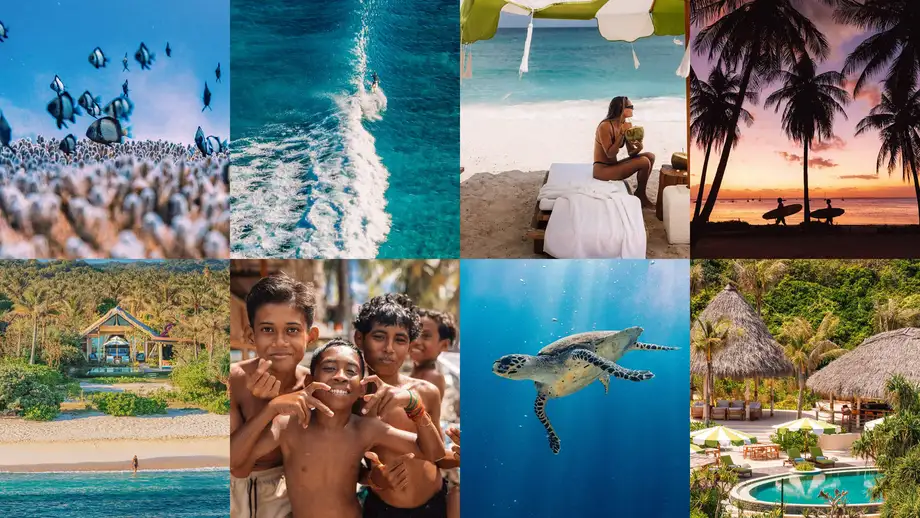
The resort features 21 villas. They are one or two bedrooms and range from 1400 to 2900 square feet. Each villa has a private plunge pool. The design uses local materials. Roofs are made of coconut leaves. Walls are carved wood. The style is modern but rooted in Rotenese techniques. Rooms face west, giving the best views of the Boa break. The cost starts at 800 dollars all inclusive through September 2026. Prices may rise as more services open. The property is a zero plastic resort. It uses local craftspeople and sustainable building methods.
Dining is a key part of the experience. The Nammo Beach Club serves charcoal grilled seafood and rotisserie dishes. A new restaurant, Ombak Restaurant and Bar, will open in September. It offers wood fired pizzas and local specialties. The resort also plans to build and sell multimillion dollar residences alongside the hotel. This adds a real estate element to the hospitality model. Guests can live the hotel life or buy a home there. The atmosphere is relaxed. There are no nightclubs and few cars. People ride motorbikes and walk along sandy lanes.
The Hospitality Academy Model
The heart of the new resort is the school. Students from Rote and Timor Leste live and work there. They are selected with care. The goal is to give them a real opportunity for their future. James McBride is the CEO and cofounder of Nihi Hotels. He explains that the focus is on the children of Rote. The school will start small and grow over time. It creates career paths in a place where jobs have been limited. Guests interact with students. They eat the same food, attend the same classes, and watch cultural performances. The students host songs and dances. They tell stories about their local instruments and cuisine. This exchange makes the stay meaningful.
The program supports the wider community. It helps with education and job creation. The island has a rich history. It was once fought over by the Dutch and Portuguese. The British and Japanese were also there. Today, the culture is a mix of old and new. Churches are large and numerous. The faith is fervent. People are welcoming to outsiders. Locals often ask visitors if they live there. The answer is usually no, but many do stay. Some have bought land and built cottages. They like the slow rhythm. The scene is peaceful. Cows and goats roam the streets. Laundry flaps on lines. The air is clean.
Surfing and Island Activities
Rote is famous for surfing. The waves are consistent and clean. The resort gives guests easy access to these breaks. A shuttle takes visitors to Nemberala Beach, home to the T Land break. It is a long left hand reef. The surf is suitable for all levels. Instructors guide guests through the waves. The water is clear, and fish can be seen near the coral. The resort also offers paddleboarding and hydrofoiling. These are new activities for the area. Guests can explore offshore islands and reefs by boat. The caves on the rocky outcrops are home to fruit bats. The marine life includes triggerfish, parrotfish, and occasionally manta rays and whale sharks.
Beyond the water, the island offers quiet exploration. The roads are sealed but have potholes. They run along the coast. Villages merge into one another. Signposts simply say Selamat Datang, which means welcome. The churches are impressive. They tower over the streets. Some look like giant arks. The history is visible in the textiles. The tenun ikat weavings tell stories of the past. People wear traditional hats called Ti i Langga. They are made of lontar palm. The style is practical and distinctive. The blend of history and modern life is easy to see. Travelers can walk from the beach to the town in minutes. The pace is gentle. Evenings are for resting and socializing.
Sustainability and Wellness
The resort is committed to the environment. It uses renewable energy. The construction is eco friendly. The goal is to protect the local wildlife and marine ecosystems. Guests can join wellness retreats. A partner, Nirvana Life from Bali, brings visiting practitioners. They offer yoga, massage, and meditation. Daily movement classes are available. These range from strength training to yoga. The wellness center helps guests relax after a day of activity. The spa opens in phases, with the main pool and facilities ready by September. The design allows guests to feel close to nature. The trees and sand are part of the hotel grounds. The pools are set among coconut groves. The light is bright and warm. The stars are visible at night. The moon dims them only slightly. The setting is a sanctuary.
Accessibility and Future Plans
Travel to Rote is straightforward but takes time. Flights go to Rote Island Airport from Bali, Sumba, Jakarta, or Kupang. From the airport, it is a 90 minute drive to the resort. The road goes along the coast. The view is of the sea and the green hills. The drive is part of the journey. It shows the landscape. The resort is reachable for those willing to make the trip. The price reflects the location. It is a premium destination. The opening in April 2026 was the first phase. The full launch is in October. More villas and residences will be added. The hotel will have 21 villas, three pools, a spa, a pump track, and a golf simulator. The plan is to grow slowly. The focus remains on quality and community. The island is open to the world. It keeps its character. The new resort brings attention without taking over. It is a place for living, not just visiting.
Key Points
- Nihi Rote Hospitality Academy opened on April 16, 2026, on Rote Island.
- The resort has 21 villas with private pools and a working school for local students.
- It is the sister property to Nihi Sumba and focuses on surfing and sustainability.
- Rates start at 800 dollars all inclusive through September 2026.
- The hotel is accessible by flight to Rote Island Airport followed by a 90 minute drive.