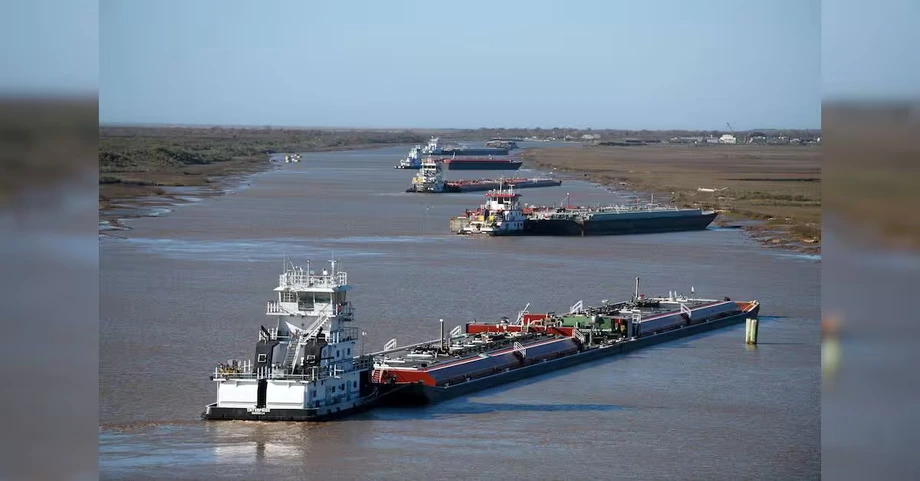
The Hidden Cost of Crude: Why Shipping Matters More Than Discounts
Indian refiners are shifting how they buy oil. The strategy is moving from buying crude to securing the ships that carry it. This shift addresses a fundamental change in the cost of getting oil to India. The headline discount on Russian oil is no longer the main factor. Freight rates and insurance now determine the final price. Indian oil buyers are moving toward long term tanker charters and purchases to control these costs.
Contents
The situation is critical because India imports more than 88 percent of its crude oil needs. High shipping rates can wipe out the savings from cheaper crude. Refiners like Reliance Industries, Bharat Petroleum Corp, and Indian Oil Corp are locking in tankers through long term charters or buying them outright. They are doing this as volatile freight rates and shipping disruptions ratchet up the cost of imports. The stakes are high for the country.
Indian Oil Plans Tanker Purchases reflects a broader industry trend. The company has secured board approval to buy crude oil and liquefied petroleum gas carriers. This is a direct response to disruptions around the Strait of Hormuz. These disruptions are pushing spot freight charges higher. Indian Oil pays much less for transport using time charters than spot rates. The gap is significant. Time charters cost about $2 to $2.50 per barrel. Spot rates are around $8 to $10 per barrel. This difference represents substantial savings before the oil even reaches the refinery.
Shipping is now a strategic advantage. More than 85 percent of India's crude imports come from just six countries. This reliance on a small group of suppliers leaves India vulnerable to disruptions. Expanding purchases from the Atlantic Basin can help reduce this dependence. Longer voyages and vessel availability are key factors. Refiners need suitable tankers to pursue attractive crude buying opportunities in distant markets.
Freight Rates Erode the Russian Discount
The shift away from Russian oil is driven by economics, not a permanent loss of trust. Higher freight and insurance costs are eroding the discounts on Russian crude. The cost of shipping crude from the Persian Gulf has risen sharply. It went from around US$3 per barrel before the US Iran conflict to around US$20 per barrel in 2026. The impact is particularly evident in discounted Russian crude.
Sumit Ritolia, who leads refining and modelling at ship tracking firm Kpler, stated that locking in tonnage is now partly a supply security decision, not just a cost one. The economics of getting crude home are what ultimately matter. The price at which a refiner buys crude is only one part of the cost. The total landed cost includes freight, insurance, transit time, financing and other logistical expenses. Deepak Chelladurai, founder of oil and freight market intelligence firm Arkline Research, explained this clearly. He noted that the difference between time charter costs and spot market costs shows the potential advantage of locking in transportation capacity.
Locking in tonnage is now partly a supply security decision, not just a cost one.
The data from commodity market intelligence firm Kpler supports this view. Russian crude imports fell to around 1.65 million barrels per day in November. This is down from a July peak of approximately 2.8 million barrels per day. The decline has coincided with a sharp recovery in purchases from traditional West Asian suppliers. Saudi Arabia and Iraq are key players here. Combined imports from these two countries rose to around 1.61 million barrels per day in November.
Geopolitical risks also influence procurement decisions. Repeated Ukrainian attacks on Russian energy infrastructure raise concerns over supply reliability. Volatility around the Black Sea export region adds to the risk. Refiners are increasingly weighing the delivered cost and reliability of supplies against the headline discounts offered by producers. This is a shift in the economics of crude procurement rather than a structural reduction in India oil requirements.
Divergent Strategies Among Major Refiners
Not all refiners are moving at the same pace or in the same direction. The national decline in Russian crude imports masks significant differences in procurement strategies among individual refiners. Reliance Industries is bucking the broader trend. It raised its Russian crude intake to nearly 500,000 barrels per day in November. This is up from about 364,000 barrels per day in September. Reliance's overall crude imports also remained elevated at about 1.48 million barrels per day.
Nayara Energy is in a different position. It remains substantially more exposed to Russian supplies. Russian crude arrivals at Nayara's Vadinar refinery averaged around 374,000 barrels per day in September. They rose to 407,000 barrels per day in November. Kpler data shows no recorded arrivals of crude from Iraq or Saudi Arabia since August 2025. Russian oil accounts for virtually all of Nayara's tracked imports. The refinery ownership structure and exposure to Russian supply chains make sanctions related restrictions particularly significant.
State owned refiners like Indian Oil Corporation, Bharat Petroleum Corporation Ltd, and Hindustan Petroleum Corporation Ltd are expected to maintain a more diversified procurement strategy. They balance Russian supplies with West Asian and other international grades. These companies have established supply relationships and term contracts with West Asian producers. This allows them to adjust purchases as crude availability improves.
Indian Oil is also looking to acquire vessels of its own. Anuj Jain, the company director of finance, stated during the second quarter earnings call that the board approved the purchase of a few ships. Tenders are already issued. The company is considering building ships domestically under the Make in India initiative. This expands its shipping capabilities beyond just chartering.
Managing the Trade Off Between Security and Flexibility
Securing capacity in advance offers refiners greater visibility over transportation costs. It also reduces the risk of being caught short of vessels during periods of disruption. Potential savings were highlighted during Indian Oil Q2 earnings call. The company existing time charter arrangements cost about US$2 to US$2.50 per barrel. Prevailing spot market costs were around US$8 to US$10 per barrel at the time. This gap demonstrates the advantage of locking in capacity ahead of a freight market spike.
Time charters provide refiners with greater flexibility and cost predictability. This is vital when Middle Eastern freight costs remain elevated. Companies are diversifying crude sourcing towards Africa, Brazil, and other regions. Chelladurai sees time charters as a middle ground. They allow refiners to secure capacity without taking on the full costs of owning a fleet.
Time charters also provide refiners with greater flexibility and cost predictability at a time when Middle Eastern freight costs remain elevated.
Freight rates have started to ease in November. However, they remain above pre war levels. If rates fall further, the cost advantage of long term charters could narrow. This makes spot market bookings more attractive for refiners whose crude sourcing requirements change frequently. Chelladurai cautioned that long term charters can become costly when vessels are underutilised. Refiners must continue paying hire charges even when the vessels are not in use.
Ritolia expects refiners to adopt a hybrid approach rather than make a wholesale shift towards vessel ownership. A mix of shipping arrangements helps refiners manage transportation risks. Strengthening India's crude supply chain requires a broader set of measures. The Council on Energy, Environment and Water recommends putting strategic stock holding on a statutory footing. It also suggests securing more supplies through term contracts and stakes in upstream projects.
Looking Ahead: A Balanced Sourcing Mix
Kpler expects India to maintain a balanced procurement strategy. Russian, West Asian, and Atlantic Basin crude will all compete for a place in supply portfolios. Prices, availability, and security considerations will determine this mix. Ritolia noted that Russian barrels could regain market share if discounts widen sufficiently to offset higher freight costs.
The competitive advantage lies in how effectively refiners coordinate crude procurement, vessel availability, freight costs, and refinery requirements. It is not just about owning the largest tanker fleet. Reliance's complex refining configuration and procurement flexibility allow it to process a diversified crude slate. It can adjust purchases according to relative pricing and availability.
Nayara remains a cautionary tale of single source dependence. Any significant disruption to its access to Russian barrels could pose greater challenges than for refiners with more diversified sourcing portfolios. For Indian refiners, the effective delivered cost of crude matters more than the headline discount. Even when Russian oil is offered at a substantial discount, higher freight and transportation expenses can erode the savings.
India will continue to import over 88 percent of its crude requirements. The focus on shipping is a critical component of this strategy. Securing tankers is no longer just a logistical detail. It is a core part of the financial strategy for India oil industry.
The Bottom Line
- Indian refiners are moving toward long term tankers to control freight costs.
- Freight rates for Russian crude have risen to around US$20 per barrel, eroding discounts.
- Russian imports fell to 1.65 million barrels per day in November from a July peak of 2.8 million barrels per day.
- Reliance is increasing Russian purchases while Nayara remains heavily reliant on them.
- Indian Oil and Bharat Petroleum are diversifying with West Asian supplies.
- Time charters cost about $2 to $2.50 per barrel compared to $8 to $10 for spot rates.
- India imports over 88 percent of its crude oil requirements.