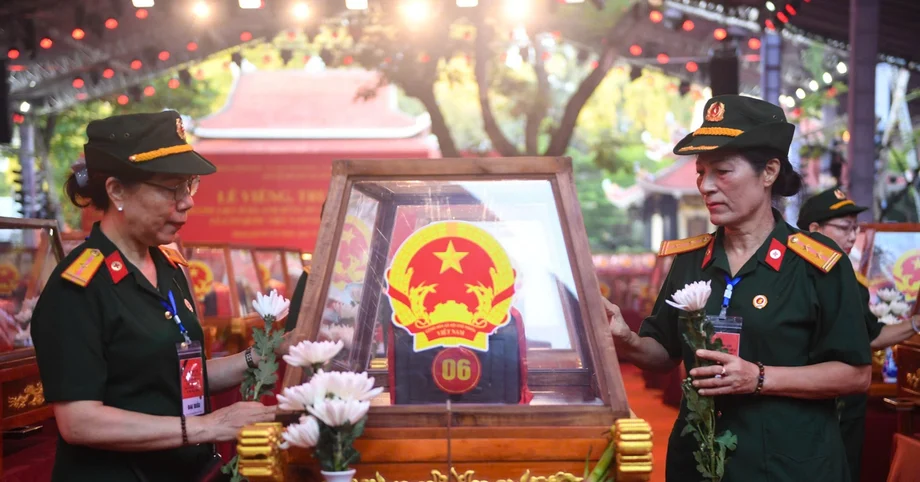
A Day Off With a Larger Purpose
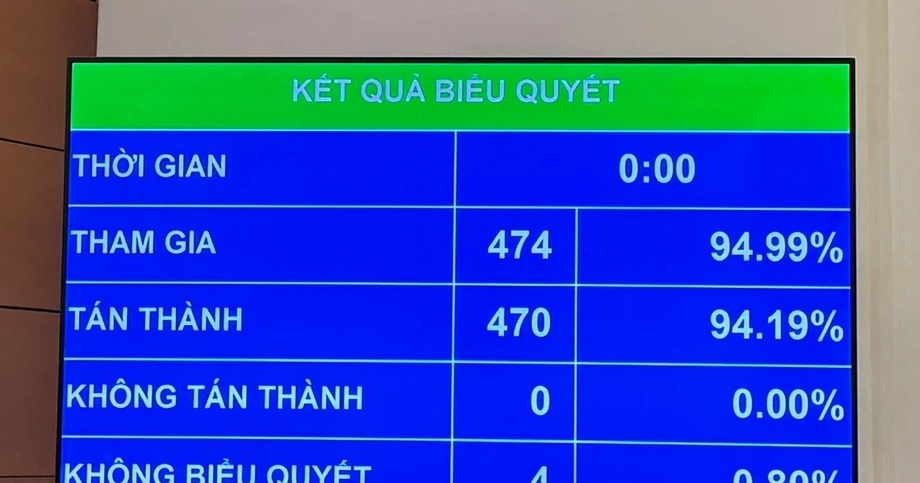
Vietnam will mark July 27 as a paid public holiday from 2027, giving workers a day off with full pay on a date long linked to war invalids and martyrs. The National Assembly approved the change on November 21, 2026, through a law amending the Labor Code, the Law on Archives, the Law on Gender Equality, the Law on Red Cross Activities and the Law on Employment. Of 463 deputies present, 461 voted in favour.
Contents
- A Day Off With a Larger Purpose
- What the Decision Says
- A 2019 Proposal Became Law
- Key Dates Behind the Holiday
- What the Day Means for Families
- How Ceremonies Should Look
- Policy Before Symbolism
- A Digital Memory Map
- Schools and Public Memory
- Who Is Responsible
- What Workers Should Know
- Other Changes in the Same Law
- What to Know
The Vietnam Government Portal, in 13 annual public holidays, said the law takes effect on March 1, 2027. It said the extra day is meant to let employees join activities honouring people who sacrificed or contributed to the country, while preserving traditions of gratitude. July 27, 2027 will fall on a Tuesday and will mark 80 years since the day was first chosen.
A paid public holiday means an employee normally does not work that day and still receives the normal wage. Workers who must work because their service is needed are entitled to at least 300 percent of their normal wage under the Labour Code. Daily wage workers also keep their regular holiday pay for that day.
The date has practical meaning for local planning. Ministries, schools, veterans groups and families now know that the national calendar includes one more paid day. The Politburo's wider conclusion asks them to use the time for ceremonies, welfare visits and education, giving the holiday a public purpose as well as a private one.
What the Decision Says
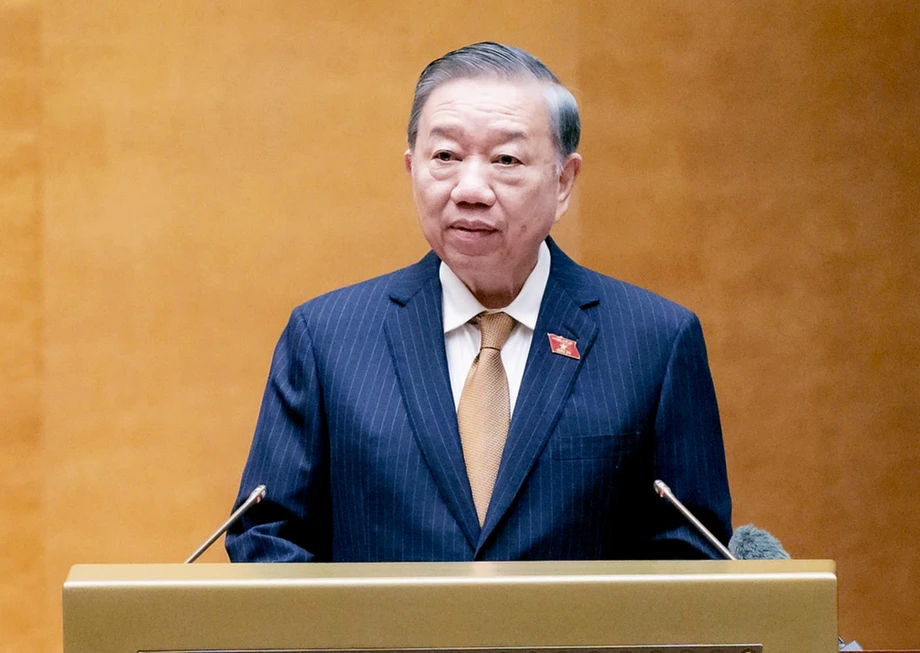
Tran Cam Tu, a member of the Politburo and Standing Member of the Party Central Committee Secretariat, signed Conclusion No. 130-KL/TW on November 25, 2026. The conclusion covers commemorative and tribute activities for predecessors, national heroes, people from all walks of life, war invalids, martyrs and people who served the country during its history of nation building and defense.
The Politburo reached the decision at its October 30, 2026 meeting after reviewing Proposal No. 26-TTr/BTGTW dated October 27 from the Central Commission for Information and Education, plus views from relevant agencies. It agreed in principle to call July 27 each year Ngày Tổ quốc tri ân và Ngày Thương binh, liệt sĩ, or National Day of Gratitude and War Invalids and Martyrs Day.
The conclusion asks Party committees, agencies, localities and units to make observances solemn, practical, economical, humane, meaningful and widely shared. It also asks officials to refine national rituals step by step, with solemnity, symbols and Vietnamese cultural traditions in mind.
A 2019 Proposal Became Law
The idea of a paid day off was put forward in 2019 during a revision of the Labor Code. Dao Ngoc Dung, then Minister of Labour, Invalids and Social Affairs, proposed July 27 as a day of remembrance. On May 29, 2019, he submitted the proposal to the National Assembly on behalf of the Government.
The proposal said a day off would give people time for concrete acts of gratitude toward martyrs, war invalids, sick soldiers and others who contributed to the revolution. It described such a day as consistent with Vietnamese tradition and public wishes, especially the wishes of families of people who served.
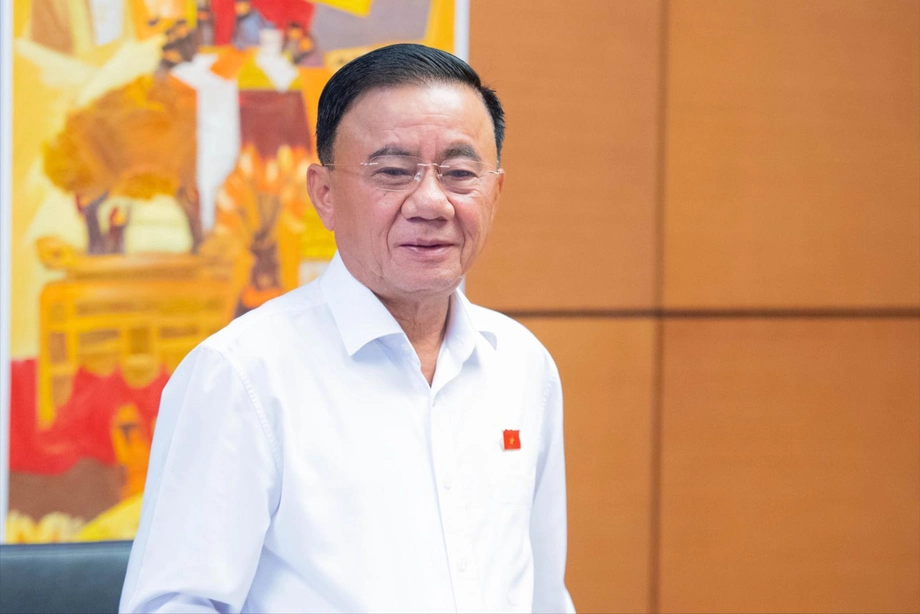
Nguyen Tien Hai, Minister of Home Affairs, told lawmakers on November 9, 2026 that the drafting agency had accepted the recommendation. Nguyen Sy Hoi, a National Assembly deputy from Nghe An Province, said voters, veterans, families of fallen soldiers and former youth volunteers wanted the holiday. He said an official day off would help people join memorial events with relatives and neighbours.
If the National Assembly incorporates this provision into law, individuals will have time to take part in commemorative activities with their families, friends, and local communities,
Seven years after the first proposal, the assembly approved the change. The legal vote came four days before the Politburo signed its conclusion, so the law created the paid holiday while the conclusion set out how the day should be observed.
Key Dates Behind the Holiday
Several dates shaped the change, from the first observance in the 1940s to the first paid holiday in 2027.
- July 1947: Delegates of the Việt Minh General Headquarters, the National Salvation Women's Association, the army political department and the information and propaganda office met in Đại Từ, Thái Nguyên. They chose July 27, 1947 as a national day for war invalids. Organisers read a letter from President Ho Chi Minh at the rally.
- July 1955: The name changed to War Invalids and Martyrs Day, recognising the sacrifices of soldiers and civilians.
- After reunification in 1975: A Secretariat directive made July 27 the national day for war invalids and martyrs.
- May 2019: Dao Ngoc Dung put the paid holiday proposal before the National Assembly.
- April 2, 2026: The national steering committee began a 500 day and night campaign to search for, gather and identify the remains of martyrs.
- November 21, 2026: The National Assembly passed the law adding the holiday.
- November 25, 2026: Tran Cam Tu signed Conclusion No. 130-KL/TW.
- March 1, 2027: The amended law takes effect. July 27, 2027: Workers receive the first paid holiday, on the 80th anniversary.
The sequence shows two tracks moving together. One track changed the Labour Code so workers could take the day off with pay. The other set the public ritual, social welfare work and historical education that leaders want the day to carry.
What the Day Means for Families
Huynh Quang Tho died on the Núi Thành battlefield in 1965 at age 19. His family did not know the exact date of his death, so they built a wind tomb at home and chose July 27 as the day to remember him. A wind tomb is a grave built for someone whose remains have not been found.
Huynh Quang Thuyen, Tho's brother, has said their mother, Heroic Vietnamese Mother Ngo Thi Lang, stops at unidentified graves in cemeteries, burns incense and calls her son's name. She was 105 when her story was told, and she gave a DNA sample in 2024. DNA testing compares genetic material from remains with samples from relatives, like matching a very precise family barcode.
Dao Thi Ho, 83, in Ho Chi Minh City gave a DNA sample at police headquarters on the morning of November 12, 2026. She is seeking her brother, martyr Dao Xuan Tiet. The death notice only said he died on the southern front. Their mother died without learning where her son was buried.
For families like these, the new holiday offers time for visits, record searches and DNA procedures. The conclusion also orders agencies to speed up searches, remains identification and responses to reasonable requests from relatives.
How Ceremonies Should Look
The conclusion wants national observances to be dignified but within reach of ordinary communities. It calls for events that are solemn, practical, economical and humane, with depth and wide public participation. Officials must study rules for how commemorative events are organised and gradually unify national ceremonies of remembrance and tribute.
The document also tells officials to define who is honoured and how. Scope, principles, criteria and groups must rest on national interests and the interests of the nation, respect for historical truth, inclusion and unity. They must fit Party policy and state law and win broad public agreement.
National activities should be balanced with events in localities, agencies, units, communities and families. Families may choose forms of tribute that match their own history, tradition and means. Memorial work should be linked to social welfare and the movement known as Đền ơn đáp nghĩa, or repaying gratitude, with voluntary action from agencies, organisations, businesses, communities and residents.
Policy Before Symbolism
The Politburo pairs ceremony with material support. It instructs agencies to deliver allowances and policies in full, on time and to the right people: war invalids, sick soldiers, families of martyrs and people who contributed to the revolution. Officials must resolve backlogged cases and improve material and spiritual life for beneficiaries and policy families.
The conclusion names people in remote, border and island areas as a priority. It also calls for care of Vietnamese Heroic Mothers, war invalids and sick soldiers. The central military commission and the Public Security Party Committee must care for contributors within the armed forces.
The same section asks agencies to search for and gather the remains of martyrs, identify remains with missing information and respond promptly to legitimate requests from relatives. The April 2026 campaign gives that work a timed push before the 80th anniversary.
A Digital Memory Map
Vietnam will build a national database and a digital map covering national heroes, cultural figures, war invalids, martyrs, people who contributed to the country, major historical events, notable relics and memorial works. The aim is to preserve records, support historical education and help residents, especially young people, find and join tribute activities.
The conclusion also calls for collecting, researching, storing and digitising documents, objects and historical memories. Authorities must preserve relics, memorial works, shrines, memorial houses, historic addresses and existing cultural institutions.
Officials are asked to study links between national and local gratitude spaces while avoiding scattered or overlapping investment. No final ceremony script, completion date for the database or list of sites was given. Agencies now have to turn that broad instruction into budgets, standards and public access.
Schools and Public Memory
The day is designed as a teaching tool as well as a holiday. The Politburo wants gratitude to become a regular value and action in social life, linked to patriotic education, national pride, self reliance, community awareness, personal responsibility and service to the country.
Information and education work should be more lively and practical. Schools should work with families, communities and cultural institutions so young people understand the work, contributions and sacrifices of earlier generations. Traditions known as Uống nước nhớ nguồn, meaning remembering the source when drinking water, and Đền ơn đáp nghĩa, meaning repaying gratitude, should be included in suitable subjects and activities for each school level.
The Central Commission for Information and Education will guide political thinking, communication, historical education and tradition education. It must link this conclusion with Conclusion No. 91-KL/TW, dated September 3, 2026, from the Secretariat on major national holidays and important historical events in the 2026 to 2030 period.
Who Is Responsible
The Government Party Committee must review legal rules and propose amendments that put the paid holiday into law, guide commemorative events and improve policies and mechanisms for people who contributed to the country. The National Assembly Party Committee must review related laws and strengthen supervision of policies for contributors.
The Central Military Commission and the Public Security Party Committee must involve armed forces in memorial and tribute activities, speed up remains searches and identification, and organise military and public security ceremonies at national level commemorations. Provincial and municipal Party committees must care for contributors and policy families, protect relics and historical sites, and increase public participation.
The Party Committee for Mass Mobilization, the Front and central mass organisations must mobilise the Vietnam Fatherland Front and political social organisations to encourage voluntary participation. The Central Commission for Information and Education, with the Central Party Office, must monitor progress, inspect implementation and report periodically to the Politburo.
What Workers Should Know
The 2027 holiday calendar says July 27 is a paid holiday for the National Day of Gratitude and War Invalids and Martyrs Day. It also lists the main 2027 breaks: New Year from January 1 to 3, Tet from February 4 to 10, Hung Kings Commemoration from April 16 to 18, April 30 and May 1 from April 30 to May 3, National Day from September 2 to 5, and Vietnamese Culture Day on November 24.
The law raises the statutory paid holiday count from 11 under the current Labour Code to 12 in 2026 with Culture Day and to 13 from 2027. The 13 days are one day for New Year, five for Lunar New Year, one for Hung Kings Commemoration, one for April 30, one for May 1, one for July 27, two for National Day and one for November 24. Foreign employees keep two extra days for their home country's traditional New Year and national day, bringing their total to 15 from 2027.
The new rules also require the Prime Minister to decide specific holiday dates each year. The Minister of Home Affairs must announce the following year's schedule before September 30, giving families and businesses more time to plan.
Other Changes in the Same Law
Nguyen Tien Hai, authorised by the Prime Minister, presented the Government's explanation to the National Assembly. Beyond the holiday, the law revises labour outsourcing, a system in which one company supplies workers to another. Firms will use deposits and notices instead of licences, while companies hiring outsourced workers must supervise pay and benefits and require full wages if the supplier falls short.
The bill creates reporting duties on wage, insurance and benefit violations and an electronic database for inspecting labour outsourcing. It also changes rules on collective bargaining, the National Wage Council, strikes and strikes that do not follow procedure. Archives provisions cover records held by agencies that close, restructure or go bankrupt. Gender Equality rules name the Ministry of Home Affairs as the Government's focal point. Red Cross management is clarified, and employment services offered through electronic platforms face licensing, data protection and notification rules.
At the same session, lawmakers passed amendments on occupational safety and social insurance fund investment. Those laws were separate from the July 27 change, but they show the wider legislative load carried in the same days.
What to Know
- July 27 becomes a paid public holiday from 2027, with the law effective March 1, 2027.
- Conclusion No. 130-KL/TW, signed November 25, 2026, gives the day the name National Day of Gratitude and War Invalids and Martyrs Day.
- Vietnam will have 13 statutory paid holidays a year from 2027, up from 11 under the current Labour Code.
- The decision links ceremonies to social welfare, support for contributors, care for Vietnamese Heroic Mothers, remains searches and DNA identification.
- A national database and digital map will record heroes, cultural figures, martyrs, contributors, events and historic sites.
- July 27, 2027 marks 80 years since the day was first chosen and will be the first paid observance.