Reels Step Into Indian Living Rooms
Mumbai, November 27, 2026. Meta used its House of Instagram creator event to announce that Instagram for TV will arrive in India in a few days, bringing Reels, Stories and creator profiles to supported Apple TV, Amazon Fire TV and Google TV devices. The app is designed around a simple change in behavior: people can watch short videos together on a television instead of passing one phone around.
Contents
- Reels Step Into Indian Living Rooms
- What Will Appear on the Big Screen?
- How Does a Household Start Watching?
- Why the Remote Matters to Meta
- How Are Reels Rated and Teens Protected?
- What Are the Key Dates?
- How Does This Connect to India Recommendation Changes?
- What Is the Legal Backdrop?
- What Is Still Unclear for Viewers?
- What Changes for Households and Creators?
- Key Points
Meta's official announcement, published in the company's India newsroom on November 27, says the television experience will bring content from favorite creators to the big screen. It describes Reels channels, a Friends tab, search, profile browsing and phone to TV casting. Meta says the app will reach supported devices soon.
Meta, the company that owns Instagram, said the product came from a pattern it sees among viewers who gather around one screen.
We've heard from our community that watching creator content together is more fun, and this experience will provide that to people in India.
For Indian households, the practical change is access. An app built for quick phone viewing will sit in the living room, with a remote, a larger image and room for several people to react at once. Instagram for TV will not simply reproduce the mobile feed. It will center on Reels and Stories, arrange discovery into channels and assume that a television audience may include friends, siblings, parents or guests.
What Will Appear on the Big Screen?
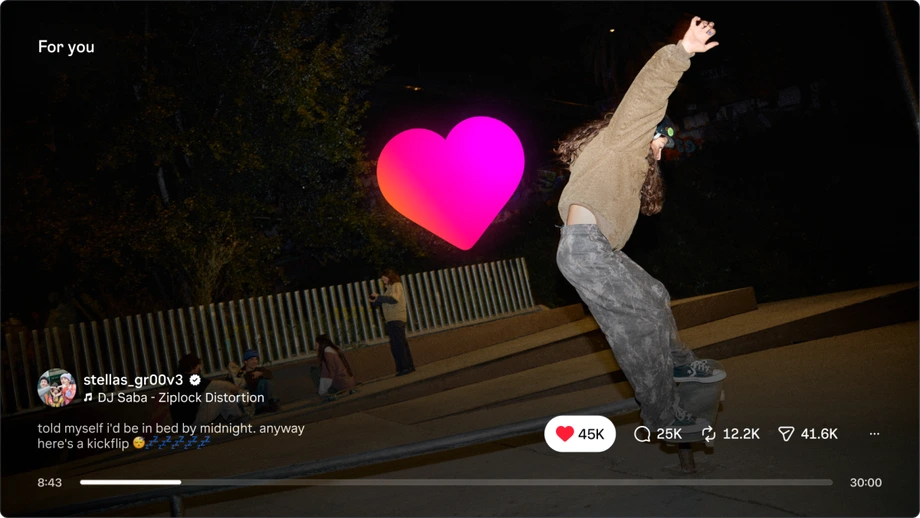
Instagram for TV in India will focus on Reels, the short videos that are central to Instagram's discovery experience, and Stories, posts that disappear after a set time. Many Reels are made for upright phone screens. The India version will also support horizontal Reels, so a video filmed in landscape can fill more of a widescreen television.
Viewers will be able to browse photos and carousels on profiles. A carousel is a post with several images or videos, which phone users swipe through one by one. On television, what a viewer can see will depend on the privacy settings of the account being viewed, because Instagram profiles can restrict posts, stories and follower details.
Reels will be grouped into channels, shelves of videos shaped by interests, popular content and accounts a viewer follows. Search will help people find creators or topics. Reels will play automatically, so the next video begins without another tap, and the television remote will control playback. Meta says auto scroll controls may vary by app version.
Profile browsing will show available Reels, photos and carousels, along with information such as a creator's bio and follower count. That gives the TV app a browsing layer beyond passive watching. A viewer can see something on the big screen, move to the creator's profile and look at more of that person's work.
How Does a Household Start Watching?
Getting started will require a supported device and an Instagram login. Viewers can install the Instagram app on Apple TV, Fire TV or Google TV, then sign in with an existing account. The mobile app will also offer a shortcut through the Settings bookmark, a small icon that opens the television experience without a separate search on the TV device.
Up to five accounts can be added to one TV app. Meta says this is meant to give each person in a home a personalized way to watch Reels. A household can also create a separate account for Instagram on TV, useful for people who want a viewing profile apart from their mobile feed.
Casting is another route. Casting means sending a video from a phone to a larger screen over the same Wi-Fi network. A viewer signs in on Instagram for TV, opens the cast option in the phone app and chooses the television. Meta says casting availability can vary by device and by rollout, so the feature may not behave the same way on every set.
Why the Remote Matters to Meta
Meta is treating television as a social extension of Instagram rather than as another screen for playback. In the announcement, the company described friends and family passing the remote and swapping recommendations in real time. That detail matters because the phone experience is built around one person scrolling, even when that person later sends a video to friends.
Meta, the platform owner, said the features were designed for a living room where several people may be choosing what to watch.
We've heard from our community that Instagram for TV is often a shared experience. Friends and family watch together, pass the remote, and swap recommendations in real time. That's why the features are designed to make discovering, sharing, and enjoying Instagram easier with the people around you.
The move puts Instagram closer to YouTube Shorts, Google's short video service, in Indian living rooms. Short videos have become a common way to find comedy, dance, recipes, news clips and commentary. A television app makes that habit easier for families who do not want to gather around one phone, and it gives Meta another route to keep creators and viewers inside its own products.
For creators, a widescreen format creates a practical opening. A video shot horizontally can now be seen at the size intended, while a vertical video remains part of the same stream. The Friends tab may help videos travel through social circles, because it gathers content from followed accounts and material popular with friends in one destination.
How Are Reels Rated and Teens Protected?
Instagram for TV will enter homes where children and adults may watch the same screen. Meta says Reels in this test generally follow the 13+ Content Ratings system recently introduced on the mobile app. A content rating is a label that helps people judge whether material suits an age group. Meta calls the TV rollout a test, so the rules can be adjusted as the company learns how families use the app.
Teen Accounts will carry core safeguards from mobile Instagram to the TV app. Meta says under 18s will have limits on content, comments and profiles that may be unsuitable. Time spent watching on television will count toward a Teen Account's usage limits, and teenagers may receive reminders when they approach those limits or reach sleep mode.
Those controls matter because autoplay can make video watching feel continuous. Autoplay means the next clip starts without a viewer choosing it. On a phone, a parent may see a child holding the device. On a television, the same stream can be less visible in a shared room. Counting TV time in the same limit is Meta's way of carrying the mobile guardrail across screens. Meta says the aim is to reflect the safeguards already present on mobile rather than create a separate standard for television.
What Are the Key Dates?
The rollout follows a busy period for Instagram in India, and the dates help explain why the TV app carries both entertainment and safety features.
- November 4, 2026: The Supreme Court issued notice in a child safety petition concerning Facebook, Instagram and WhatsApp, with further consideration listed for December 7.
- November 16, 2026: Meta said it had strengthened Instagram recommendation systems in India to reduce sexually suggestive content and depictions of violence in suggested posts.
- November 27, 2026: Meta announced Instagram for TV at the House of Instagram event in Mumbai and published details in its India newsroom.
- Coming days: The app is expected on supported Apple TV, Fire TV and Google TV devices.
- December 7, 2026: The Supreme Court matter is listed for further consideration.
How Does This Connect to India Recommendation Changes?
The TV launch builds on a recommendation debate that was already active in India. The company said on November 16, 2026, that it had strengthened systems so users would see less sexually suggestive content and fewer depictions of violence in suggested posts. Those changes covered material from accounts people do not follow, including Reels, Explore and Feed.
Meta said users now report recommended posts about half as often as they did a year earlier. That figure measured how often people used reporting tools, not how much unwanted material appeared. The company credited screening changes aimed at sexually suggestive content and violence, and it did not publish the underlying counts.
The India recommendation changes followed a year of work tailored to feedback from people in India. Meta said more capable artificial intelligence models now assess posts before Instagram recommends them. An algorithm is a set of instructions a system uses to choose and rank content. Instagram's Recommendations Guidelines govern material suggested from accounts a person has not chosen to follow, while Community Standards cover content that is removed.
India's Ministry of Electronics and Information Technology, often shortened to MeitY, had asked Meta to review how its platforms rank and promote posts, especially around public events and situations involving public order. The request came in an advisory dated October 10, 2026, which asked Meta to review its ranking and recommendation systems on Instagram and Facebook. MeitY said the systems should not unduly promote misleading, manipulated or out-of-context content, or present users with a very narrow range of narratives. It also asked for greater scrutiny of content that could cause public confusion, incite violence or otherwise disrupt public order, for context around content relating to current events and for identification of content receiving substantial reach through recommendation systems. In its blog post, Meta did not link its changes to the advisory, instead citing user feedback and its ongoing efforts to improve. Instagram for TV inherits that discovery question in a new setting. Channels and the Friends tab will shape which videos are easy to find when several people share one screen.
What Is the Legal Backdrop?
A child safety petition sits behind the launch, asking Indian courts to examine social media design. The Supreme Court child safety case, Sreerupa Chowdhury v. Union of India & Others, seeks scrutiny of Facebook, Instagram and WhatsApp algorithms, stronger age checks and a national fund to address alleged harm to young users.
A bench of Chief Justice Surya Kant and Justices Joymalya Bagchi and V Mohana issued notice on the public interest litigation, dated November 4, 2026. A public interest litigation is a case brought for a wider public concern. The petition, brought under Article 32 of the Constitution, asks for algorithm audits, safer default settings, India specific research and an inquiry by the National Commission for Protection of Child Rights. Article 32 allows a person to ask the Supreme Court to enforce fundamental rights. Further consideration is listed for December 7.
The petition calls features such as endless feeds, autoplay and notifications "dark patterns", meaning design choices that steer users toward behavior serving a platform's interests. Those claims are part of the litigation. An algorithm audit would examine how automated systems select and rank content. The court has sought responses from the government and Meta, and the requested safeguards remain under consideration.
The TV test touches the same design questions. It removes manual scrolling from Reels, adds channels built from interests and follows, and places short video in a family space. Meta has built in Teen Account limits, while the lawsuit asks whether the wider design of social platforms needs legal rules.
What Is Still Unclear for Viewers?
Meta said Instagram for TV would arrive in India in a few days, but it has not named an exact date. The supported platforms are Apple TV, Fire TV and Google TV devices that can run the app. Viewers with other television systems will need another way to watch for now.
Several features depend on local conditions. Casting requires the phone and television to share a Wi-Fi network and may vary by device and rollout. Auto scroll controls may differ by app version. Profile browsing shows only what the privacy settings of each account allow, including available Reels, photos, carousels, bio and follower count.
The company has described the TV experience as a test in India. That means the mix of channels, Friends tab content and content ratings can change. The next date in the child safety case is December 7. For the app itself, the practical next step is checking the app store on a supported television device in the coming days.
Meta tied casting availability to device support and rollout status. The company did not give a single launch date in its announcement, so viewers should expect staggered access rather than a universal switch on day one.
What Changes for Households and Creators?
For a family, the biggest change is access. Up to five accounts mean a parent, two siblings and two other family members can each keep a personal stream of Reels on the same TV. The Friends tab reduces the need to hunt across a phone home page for updates from followed accounts and videos popular with friends.
For creators, the TV app creates a new path to discovery. Channels place videos in categories shaped by interests and popularity as well as by who a viewer already follows. Search can surface a creator by name. Horizontal Reels gain a format that suits a large screen, and profile browsing can show bio and follower count to viewers whose access is allowed by privacy settings.
There is also a change in what a recommendation means on Instagram. On the TV app, a suggested Reel may be watched by several people at once, with comments and profiles shaped by Teen Account settings where relevant. That makes content standards and age controls part of the viewing setup, not a separate step after someone starts watching.
Meta is betting that the same short video habits that made Instagram powerful on phones can work when the whole room participates. The coming days will show whether Indian viewers use the television app as a family channel, a personal Reels stream or a background screen for clips found first on phones.
Key Points
- Meta announced Instagram for TV in Mumbai on November 27, 2026, and said it will reach India in a few days on supported Apple TV, Fire TV and Google TV devices.
- The app will focus on Reels and Stories, with channels, search, profile browsing, horizontal Reels, autoplay and remote controls.
- Households can add up to five accounts, create a TV only account and cast Reels from a phone over the same Wi-Fi network where supported.
- Reels in the test generally follow the 13+ Content Ratings system, and Teen Account usage limits, reminders and sleep mode apply on television.
- Meta has not named an exact launch day, and casting and auto scroll controls may vary by device, rollout and app version.
- The launch follows India recommendation changes and sits alongside a Supreme Court child safety case listed for further consideration on December 7.