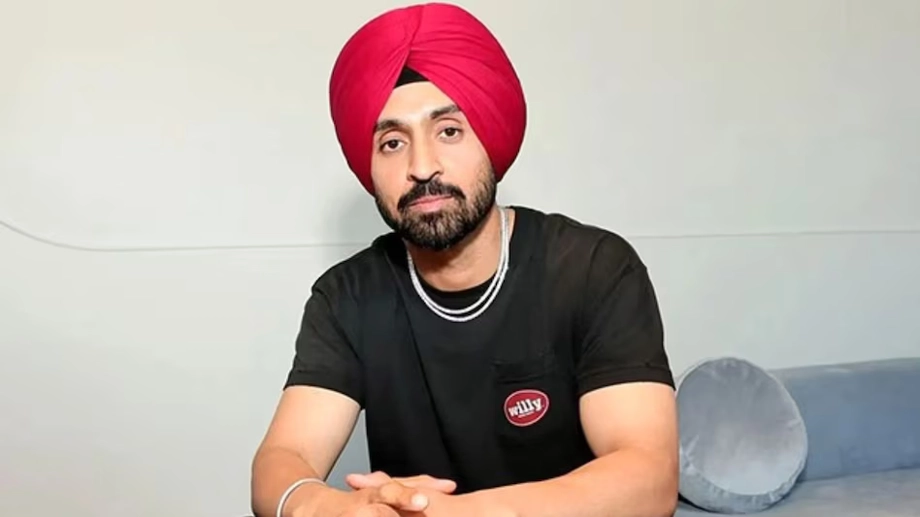
Mumbai Show Faces Protest Threat and Tight Security
Diljit Dosanjh's concert at Mumbai's Mahalaxmi Racecourse is set for Friday, November 27, at 4 pm and is expected to run for about six hours. Around 25,000 people are expected to attend the show, part of the Aura India Tour 2026. For fans, it is a chance to hear the Punjabi singer and actor live. For the Maharashtra Navnirman Sena, it is the latest example of what the party says is an unsafe concert culture at two city venues.
Contents
- Mumbai Show Faces Protest Threat and Tight Security
- What the MNS Letter Demands
- The Drug Results Behind the Protest
- How the New Forensic Van Works
- A Timeline of the Dispute
- What Security Looks Like on the Ground
- Threat Emails Add a Second Layer of Concern
- Why Two Venues Are Now in the Spotlight
- A Tour Already Shaped by Lyrics and Permissions
- What Remains Unclear Before the Show
- Key Points
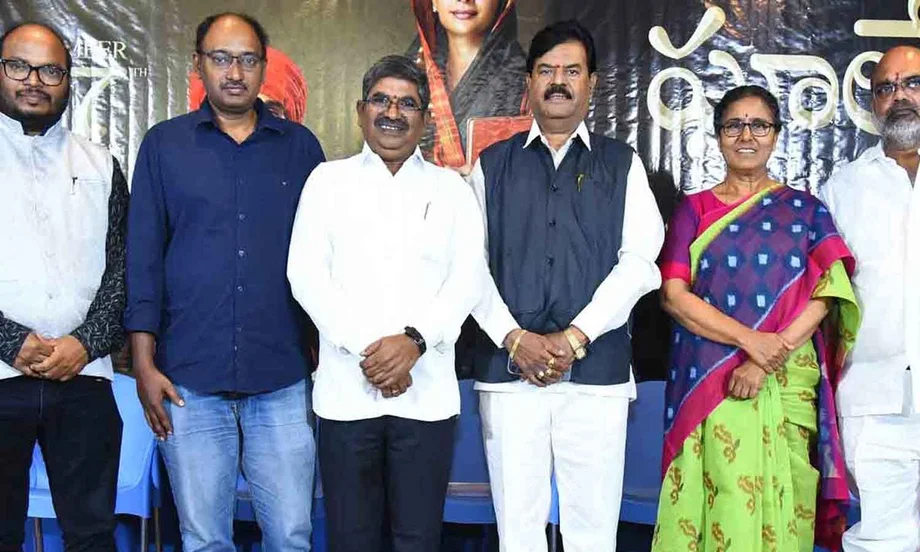
The MNS has written to Mumbai Police asking for the show to be cancelled. The letter was submitted to the senior police inspector at Tardeo police station and signed by Dinesh Dnyaneshwar Punde, president of the party's Malabar Hill division. It asks police not to grant further permissions for concerts at Mahalaxmi Racecourse and the NSCI Dome in Worli. It also warns that MNS workers will join local residents in a Rasta Roko road blockade if the event goes ahead.
By Friday, the show remained scheduled and police prepared for a large crowd with more than 500 police personnel, bomb detection teams, dog squads, an Anti-Narcotics Cell team and checks at all five entrances. The dispute now brings together crowd safety, drug enforcement, local traffic complaints and threat emails naming the concert and other parts of Mumbai.
At the centre of the political row is a simple question for city authorities: how to manage a packed music event after a recent enforcement operation at the same venue found drug use among some attendees. The answer matters to concertgoers, nearby residents and the wider tour, which moves to Bengaluru on November 29 and Lucknow on December 5.
What the MNS Letter Demands
The letter dated November 27 was addressed to the senior police inspector at Tardeo police station. It was first written in Marathi, and an AI tool was used to translate it into Hindi for the image that accompanied the party's message.
Punde alleged that drugs are openly sold and consumed at concerts at Mahalaxmi Racecourse and NSCI Dome. He said parents have approached the party's local branch because they fear their children will be drawn into drug use. The letter asks for an immediate and permanent stop to live music concerts and large entertainment events at both venues.
Punde also argued that the city should not provide police protection for events where organisers and authorities have heard complaints about drug use and public disorder. He gave the warning in direct words:
Our demand should be taken seriously. If the concert is not cancelled, MNS, along with local residents, will stage a 'Rasta Roko' (road blockade) protest at the venue. We request the authorities to take note of this warning
A Rasta Roko is a road blockade, a form of protest that stops traffic to draw attention to a demand. The threat raises the possibility of disruption around an area that already sees heavy vehicle movement during big shows.
The Drug Results Behind the Protest
The immediate trigger was an event called AEDEN at Mahalaxmi Racecourse on November 22. Mumbai Police said in a press note issued on November 23 that the Anti-Narcotics Cell screened 55 people at the venue using a new mobile unit. Twelve returned positive for suspected drug consumption in the initial checks.
Mumbai Police's figures break down the 12 positives by substance: 11 people tested positive for cannabis and one for cocaine. The 12 were taken into custody and handed to Tardeo police for legal action. The share works out to 12 of 55 people screened, about 22 percent of those checked in that operation.
The MNS letter refers to 12 or 13 people, while the police figure is 12. Punde said the results appeared on social media and were discussed by parents after the event. The party also cited the death of a young man at the same venue last year, saying it believed a similar incident could happen again during the Dosanjh show.
A preliminary test at a venue is a first check used by officers to decide who needs further action. It can identify suspected consumption quickly, before samples and paperwork move into the formal legal process.
How the New Forensic Van Works
Maharashtra Chief Minister Devendra Fadnavis inaugurated the Anti-Narcotics Investigation and Forensic Van on November 21. The November 22 operation at Mahalaxmi Racecourse was the first successful use of the vehicle, according to police details. The van conducts preliminary testing at event venues and also supports sample collection, photography, video recording and evidence management.
Officers from the Anti-Narcotics Cell's Worli unit carried out the operation. Police Inspector Digambar Patil and Police Sub-Inspector Rohit Sali were part of the team. Sali described two of the machines used in the van. He said:
The second machine is 'Gemini', an advanced version of TruNarc. While TruNarc covers only narcotic drugs and their precursors, Gemini features a library of 15,000 substances, including narcotics, precursors, hazardous chemicals, and explosives
Sali also explained how the oral swab system works. He said:
The third machine is the 'Dräger DrugTest 5000,' which is designed for detecting drug consumption. It uses an oral swab; alternatively, if a substance is found on a surface, a sample can be collected and placed into a cassette, which then provides results within 10 minutes, identifying the substance
TruNarc uses Raman laser technology, which identifies substances by reading how a material scatters laser light. In simple terms, officers can check a packet without opening it. Gemini covers a wider library of materials, including chemicals and explosives. The Dräger system checks recent drug use through a swab from the mouth or a sample from a surface. Police said the van also carries five rapid detection machines and 360 degree surveillance cameras.
A Timeline of the Dispute
The sequence stretches across the Aura India Tour and several security warnings before the Mumbai show. The main dates are:
- October 23: A threat email reached the Mumbai Municipal Corporation office, warning of a suicide attack at the November 27 concert and naming Amitabh Bachchan's home. It mentioned organisations linked to Khalistan. Police searched the office and found nothing suspicious.
- November 1: The Aura India Tour began in the Delhi National Capital Region, then moved to Indore and Ahmedabad.
- November 9: An email to the Hubballi-Dharwad Municipal Corporation commissioner warned of an improvised explosive device, often called an IED, connected to the Bengaluru stop. Bengaluru Police registered a case against an unknown sender, and a cyber team began looking for the sender.
- November 21: Devendra Fadnavis inaugurated the new forensic van.
- November 22: The AEDEN concert took place at Mahalaxmi Racecourse. Officers screened 55 people, and 12 tested positive, 11 for cannabis and one for cocaine.
- November 23: Mumbai Police issued a press note about the operation.
- November 26: A threat email named the concert, Amitabh Bachchan's home and the Metro. It warned of blasts, grenade attacks and improvised explosive devices at several locations.
- November 27: The MNS filed its complaint at Tardeo police station at 11 am. The concert was scheduled for 4 pm.
- November 29 and December 5: The tour is scheduled to continue in Bengaluru and Lucknow.
The timeline shows why the MNS complaint arrived on the same day as the concert. The November 22 enforcement action gave the party a concrete example, while the threat emails gave police a separate security task that had to be handled at the same time.
What Security Looks Like on the Ground
Mumbai Police deployed more than 500 personnel for the Mumbai show. The planned strength includes about 200 constables, 150 women constables and 75 officers. Plain clothes personnel were placed around Dosanjh, while private security staff were hired to help police manage entry and movement.
The venue was swept by Bomb Detection and Disposal Squad teams. Dog squads and an Anti-Narcotics Cell team were also part of the plan. Entry checks moved from three gates to all five gates after the security review. Organisers were told not to disclose the singer's hotel or arrival time.
A no vehicle zone extending 500 to 700 metres around the racecourse was ordered, and parking was not allowed. That changes the journey for attendees, who must be dropped outside the restricted area and walk in. No road diversions had been announced by Friday.
Posters, banners, signs and flags of any kind were barred inside. Ticketing platform BookMyShow listed prohibited items including knives, blades, umbrellas, water bottles, large bags, laptops, tablets, professional cameras, tripods, selfie sticks, drones, pens, markers, lighters, laser pointers, deodorants, spray sunscreen and makeup items. Power banks are allowed. Medicines require a medical prescription, and entry requires a photo ID issued by the government.
Threat Emails Add a Second Layer of Concern
The MNS protest is separate from the threat investigation, but both issues landed on police at the same time. The latest email was received on Thursday, November 26, the anniversary of the 26/11 attacks. It warned of blasts, grenade attacks and improvised explosive devices at the mayor's office, Metro stations and the concert venue.
The sender identified herself as Hannah Meler and referred to Khalistan and the 1984 violence against Sikhs. The message also threatened grenade attacks in Mumbai for 30 days and mentioned drones. Security agencies searched locations named in the message. Police had not publicly confirmed a specific plot, and searches found nothing suspicious.
Dinesh Dnyaneshwar Punde, the MNS divisional president, linked the crowd size to his party's demand and pointed to the email. He said:
We have been raising concerns about concerts at Mahalaxmi Racecourse and NSCI Dome since last year... We question why such events are permitted if drug use is detected at these venues. A bomb threat was also received via email against Diljit's concert. Around 25,000 people are expected to attend today...
The police response combined visible deployment and less visible checks. Bomb detection teams swept the venue, while officers checked people at five gates. The city had to prepare for two risks at once: a possible attack mentioned in an email and the everyday safety risks of a dense crowd, traffic and drug use.
Why Two Venues Are Now in the Spotlight
Punde's complaint names NSCI Dome in Worli along with Mahalaxmi Racecourse. The MNS says both venues have hosted events where young people were exposed to drugs and where residents faced traffic jams and intoxicated crowds afterwards.
The party cited a 2025 death at Mahalaxmi Racecourse after drug use. It also pointed to two other incidents in Mumbai this year. Two MBA students died of a suspected drug overdose after an April concert at the NESCO grounds in Goregaon. In June, a 28-year-old man, Rushil Mahendra Gangurde, died during a concert at NSCI Dome in Worli. A histopathology report later found MDMA in his system. Histopathology is laboratory examination of tissue, often used after a death to understand what was present in the body.
These incidents are part of the case the MNS has put before police. The party wants authorities to stop clearing concerts at the two venues, not just this one show. For residents near the venues, the demand is also about traffic, congestion and crowds spilling into nearby streets after events end.
A Tour Already Shaped by Lyrics and Permissions
Dosanjh's Mumbai stop follows a run of concert disputes in other cities. The tour opener faced Delhi refusal on October 22, with police citing threat inputs and policing demands during the festive season. The show later went ahead after security clearance in Delhi. During that concert, Dosanjh invited a woman officer from the Central Reserve Police Force onto the stage and praised the personnel protecting the crowd.
The November 15 show in Indore proceeded after four songs barred in Indore and tighter security arrangements. The restrictions followed complaints that some lyrics referred to alcohol, drugs and violence, with attention on children allowed into the audience. Song bans in Ahmedabad followed on November 21, where officials flagged four tracks and Dosanjh challenged what he called double standards when compared with foreign acts.
Those earlier disputes focused on lyrics, permissions and crowd control. The Mumbai complaint focuses on drug use and the conduct of large events at named venues. Taken together, they show a tour in which each city has added conditions before the singer takes the stage. Organisers in Mumbai have already restricted signs and flags and issued a long barred items list, while police have expanded checks at the racecourse.
The Aura India Tour began on November 1 in the Delhi National Capital Region and then reached Indore, Ahmedabad and Mumbai. Bengaluru is next on November 29, followed by Lucknow on December 5. Chandigarh is also part of the tour, but no date was listed.
What Remains Unclear Before the Show
Mumbai Police had not announced a decision on the MNS request by Friday. It was also unclear whether party leaders and residents would meet police before the concert began. The MNS has said it will block roads if permissions continue, but no blockade had been reported before the show.
Authorities had not publicly confirmed that the threat email pointed to a specific attack plan. The sender's identity was under investigation, and searches of locations named in the message had found nothing suspicious. Travel changes therefore centre on the parking ban and checks at the venue.
For ticket holders, the practical changes are clear: arrive early for checks at five gates, carry a government photo ID, leave prohibited items at home and expect to walk outside the 500 to 700 metre restricted zone. For local residents, the immediate concern is traffic and crowds. For police, the decision is how to keep a large concert secure while answering political demands about future permissions.
Key Points
- The MNS asked Mumbai Police to cancel Diljit Dosanjh's November 27 concert at Mahalaxmi Racecourse.
- The party warned of a Rasta Roko road blockade with local residents if the show goes ahead.
- Police said 12 of 55 people tested positive for suspected drug use at a November 22 concert at the same venue.
- Those results came after a new forensic van was inaugurated on November 21 and used at the event.
- More than 500 police personnel, bomb detection teams, dog squads and stricter gate checks were prepared for the Mumbai show.
- Threat emails naming the concert and other city locations led to searches, but police did not publicly confirm a specific attack plan.
- The MNS also wants concerts stopped at NSCI Dome and cited traffic complaints, parental concerns and past deaths linked to drug use.
- The tour moves to Bengaluru on November 29 and Lucknow on December 5.