A Sequel Confirmed in Goa, With No Release Date Yet
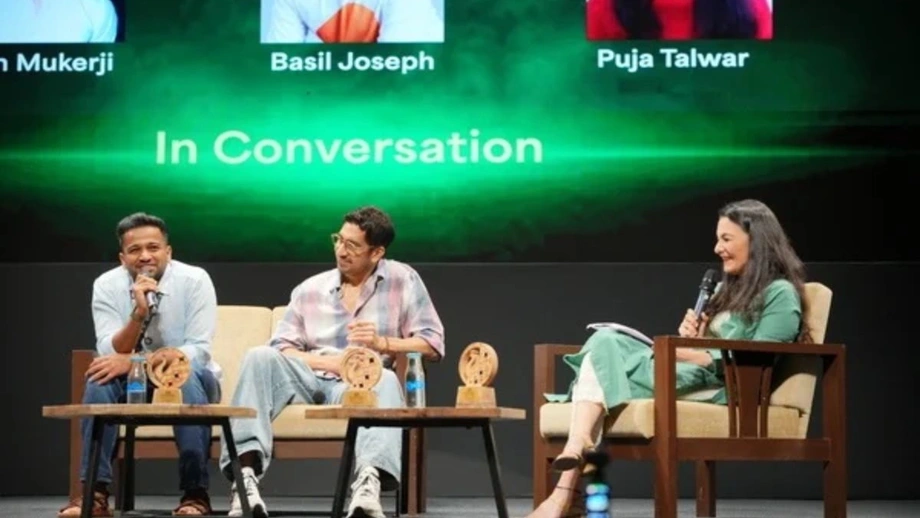
On the third day of the 57th International Film Festival of India, in Goa, on Monday 23 November 2026, Ayan Mukerji sat down with Basil Joseph, the director of the Malayalam superhero film Minnal Murali, for a session called The Epic Genres: Mythologies, Superheroes and New Worlds. Puja Talwar moderated the conversation, and the question hanging over the room was about the sequel to Brahmastra.
Contents
- A Sequel Confirmed in Goa, With No Release Date Yet
- Why the Two Films Were Never Shot Together
- A More Indian Sequel, From Dragon to Dev
- The Streaming Cut, and a Lesson About Overthinking
- What the Audience Did Not Like, and What Changes Next
- Basil Joseph and the Superhero in a Lungi
- Why Indian Mythology Is a Deep Well for Superhero Films
- AI, OTT and the Growing Value of Originality
- Ranbir Kapoor, and a Return to Lighter Films
- Key Points
Mukerji confirmed he is working on it. The next chapter is titled Brahmastra: Part Two – Dev, and finishing it comes before any other project he takes up.
The trilogy once had firm dates. Part Two was set for December 2026 and Part Three for 2027. Neither film has entered production, no new release dates have been announced, and the franchise now sits in an indefinite delay.
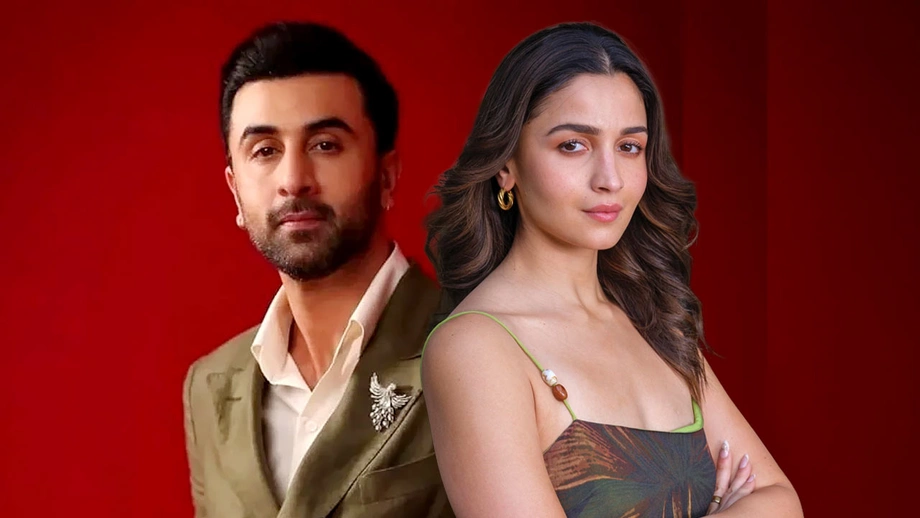
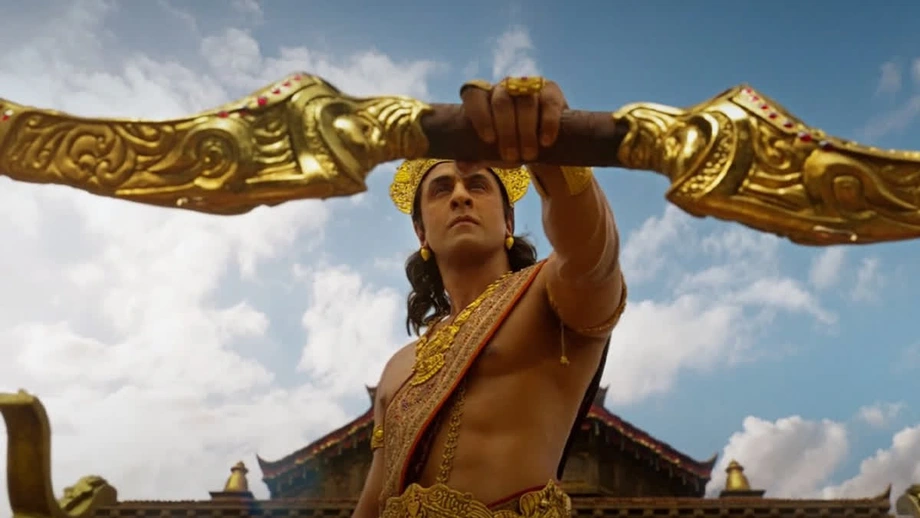
Brahmastra: Part One – Shiva opened on 9 September 2022 with Ranbir Kapoor and Alia Bhatt in the lead. Amitabh Bachchan, Mouni Roy and Nagarjuna appeared alongside them. Dharma Productions, Prime Focus Studios, Starlight Pictures and Magic Wand Films produced the film, which follows a young man named Shiva who discovers a connection to powerful weapons called the Astras.
Why the Two Films Were Never Shot Together
Money is the reason the sequels were not filmed at the same time. Brahmastra: Part One – Shiva was made on a budget of around Rs 410 crore and grossed roughly Rs 431 crore worldwide, a figure that counts ticket sales rather than the money handed back to a studio. On numbers like those, the second film depended on how the first one performed.
Mukerji explained how that works for most big films.
Most of the time, unless the producers have deep pockets, it is hard to fully make part 2 of a big film. Most people would wait and see how part 1 goes. Ramayana 2 also wasn't fully created; they still have some work left to do. A similar thing happened with Baahubali 2. They knew they will make it, shot a little bit of part 2, and then after part 1 came out, they went ahead and did it.
He was direct about his own franchise.
For us on Brahmastra, we couldn't have afforded to make Brahmastra 2 along with part 1. We had it in our minds, but we definitely needed part 1 to take that step.
The calendar shows how long the wait has been.
- 9 September 2022: Brahmastra: Part One – Shiva reaches cinemas.
- 2022: Part Two is planned for December 2026, with Part Three set for 2027.
- 14 August 2025: Mukerji's War 2 releases, his only film as director since the first Brahmastra.
- 23 November 2026: Mukerji says at IFFI that the sequel is being written and remains his priority.
- Still open: neither sequel has started shooting, and new release dates have not been announced.
A More Indian Sequel, From Dragon to Dev
Mukerji described the direction he wants for the second film, and the word he kept returning to was Indian.
As we step into Brahmastra 2, I hope we can make it even more Indian. What happened with me when I began Brahmastra was that there were certain Western influences in mind. There were stories from the West which I enjoyed like Harry Potter, to give you an example. Also, they (Hollywood) dabbled more in this genre in these last 10-15 years. They were doing more superhero and fantasy films. In Brahmastra, there was a touch of Hinduism and Indian spirituality which was a part of the writing. As I started writing, I realized that it's an interesting original stuff that started to call me more and more. That's why, the film was originally called Dragon and it got rechristened to Brahmastra.
The first film began life as a project called Dragon, shaped by fantasy stories Mukerji enjoyed from Hollywood. Hindu and spiritual elements inside the writing pulled it somewhere else, and the title changed to Brahmastra. The sequel, he said, will build on that Indian core rather than the Western template.
The Streaming Cut, and a Lesson About Overthinking
The version of Brahmastra on streaming platforms is not the version that played in cinemas. Mukerji said he tightened scenes for the theatrical release after watching them so many times that every beat felt familiar.
The film I put out on streaming is a slightly different edit than the one we released in cinema. Because I was watching the film again and again and again, we edited certain scenes in a very sharp way when we put it out in cinemas. Honestly, I had seen those scenes so many times myself that by the time I was watching it for the 500th time, I knew every beat of the scene. So, I was finding the scenes a little bit slow. I thought, 'Let me cut the pauses of the actors. Let me make it go faster and faster'.
The reaction to those trimmed scenes surprised him. People who saw earlier versions of the film in his office responded differently from paying viewers, because they were watching a different film.
To those scenes, I got a very different reaction from the audience when they saw the film as compared to when I had shown the film to a lot of people in the office. That's because the film that they were seeing was a different film than the final version that I had put out. So, that was a note to myself that sometimes, you feel that you are improving something. But overthinking is not always improving.
What the Audience Did Not Like, and What Changes Next
Brahmastra: Part One – Shiva drew a mixed response when it released. Mukerji called the landing rocky and said that feedback is now feeding into the sequel.
With Brahmastra, it was a slightly rockier landing. There were things that people liked about the film a lot, but there were certain things that they didn't like. And, I don't think the audience fails the film; they are always king. What they sense in a film, you always have to respect it, even if that doesn't go in your favour. Our audiences are very smart. If there are things they didn't like, we definitely need to improve our storytelling.
He also said he had lived with Brahmastra for too long, and that changing the streaming version did not fix the film. His summary of that period was blunt: "My overthinking for a long period wasn't improving the film."
Basil Joseph and the Superhero in a Lungi
Basil Joseph brought a different set of numbers to the same stage. Minnal Murali was built without Hollywood scale, and the limits shaped what its hero looks like. Indian cinema has traditionally presented its leading men as larger than life, he said, which makes it hard for a superhero to stand apart as a character with an identity of his own.
Money decided details. The hero runs with a lungi covering his face and chappals on his feet, choices that came out of the budget and the creative problems it created. Restrictions like these, he said, pushed the team toward solutions it would not have found with more money to spend.
Both directors circled the same idea in different words. Basil said a filmmaker has to stay true to the character and to himself rather than trying to make a film look cool, and that simplicity and honesty matter more than surface style. Mukerji called Brahmastra a demanding production and said logistical problems often push filmmakers past the usual approach.
Why Indian Mythology Is a Deep Well for Superhero Films
India's storytelling tradition gives filmmakers a head start, Basil said. Audiences grow up hearing about divine beings and extraordinary powers, and about gods who appear to protect people in trouble. Western popular storytelling leans on that tradition far less, he added, while India holds an enormous collection of mythological figures and folk tales that can be turned into cinema.
Mukerji said the genre first pulled him in through a simple idea: extraordinary powers living inside ordinary people. Technology has widened what filmmakers can put on screen, he said, making it possible to turn ambitious ideas and fantastical settings into images and giving old stories fresh ways to reach audiences today.
AI, OTT and the Growing Value of Originality
Artificial intelligence came up in the conversation, and Basil Joseph was unconvinced about what it adds. In his view, AI mostly reproduces material that already exists, which makes original ideas more valuable rather than less. Distinctive storytelling, he said, will matter more as technology makes copying easier.
Streaming has changed who gets to watch what. Basil noted that films made in one language now find viewers across the country, with audiences watching in their own languages through subtitle and audio options. A Malayalam film is no longer limited to Malayalam viewers.
Ranbir Kapoor, and a Return to Lighter Films
Basil Joseph used part of the session to ask Mukerji for something different. He said he loved Wake Up Sid and Yeh Jawaani Hai Deewani and hoped for more films in that zone, adding that Bollywood is missing those kinds of films.
Mukerji said he hears the same request often, usually about Yeh Jawaani Hai Deewani. The reaction to Wake Up Sid, made 16 to 17 years ago, surprises him more.
More than Yeh Jawani Hai Deewani, I hear a lot of stuff about Wake Up Sid. I am surprised because sometimes, I feel that we get more love for it than when we made it. And I was a different person then. It was made 16-17 years ago.
His plan runs through the sequel first.
The plan is to now attempt Brahmastra 2, finish that journey and absolutely I'll work from that place (of making another light hearted film).
Ranbir Kapoor has led three of Mukerji's four features as director, and the one without him was War 2 in 2025. The director denied that casting his friend is a fixed rule.
I did one film without Ranbir, which was War 2, and it did not work out well. Maybe it was better for me to just work with him.
He described how the partnership started: they met during Wake Up Sid, discovered they were the same age, came from a similar part of Mumbai and shared a similar mindset. Ranbir, he said, became a natural fit. Kapoor's next big screen outing is Nitesh Tiwari's Ramayana, a production with a budget put at around Rs 4,000 crore.
Key Points
- Ayan Mukerji confirmed at IFFI 2026 in Goa on 23 November that he is working on Brahmastra: Part Two – Dev.
- Part Two and Part Three were once planned for December 2026 and 2027; neither has started production and no new dates are set.
- Mukerji said the team could not afford to film Part Two alongside Part One, which cost around Rs 410 crore and grossed about Rs 431 crore worldwide.
- He wants the sequel to be even more Indian, after the first film moved from a project called Dragon toward Hindu and spiritual themes.
- The streaming version has longer scenes than the theatrical cut, after he trimmed actor pauses and later judged that overthinking had not improved the film.
- Audience criticism of the first film will shape the sequel, he said, calling its release a rocky landing.
- Basil Joseph described how budget limits shaped Minnal Murali's lungi and chappals, and argued that AI mostly recycles existing material.
- Mukerji said he will make another lighthearted film after finishing the Brahmastra journey.