A Growing Youth Population Meets a Changing Family Structure
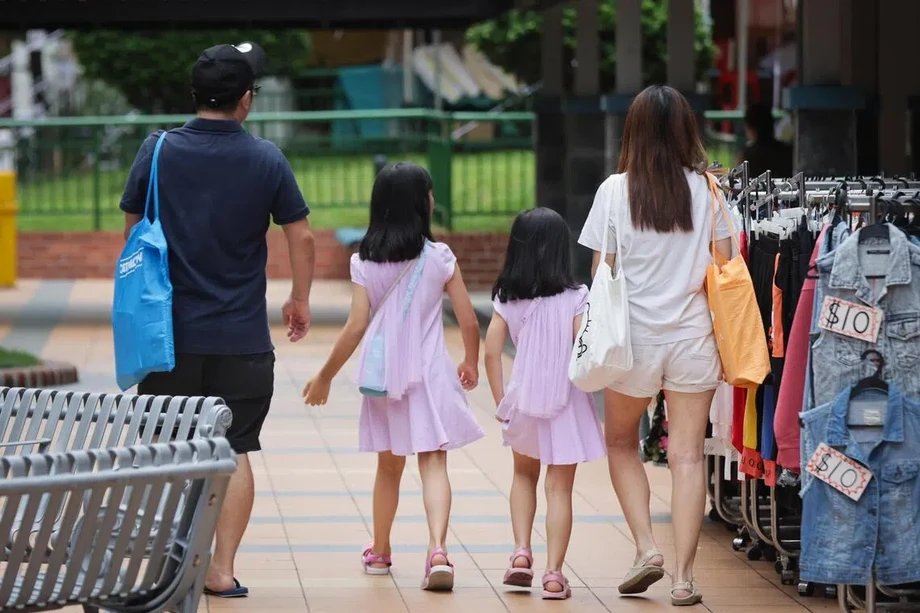
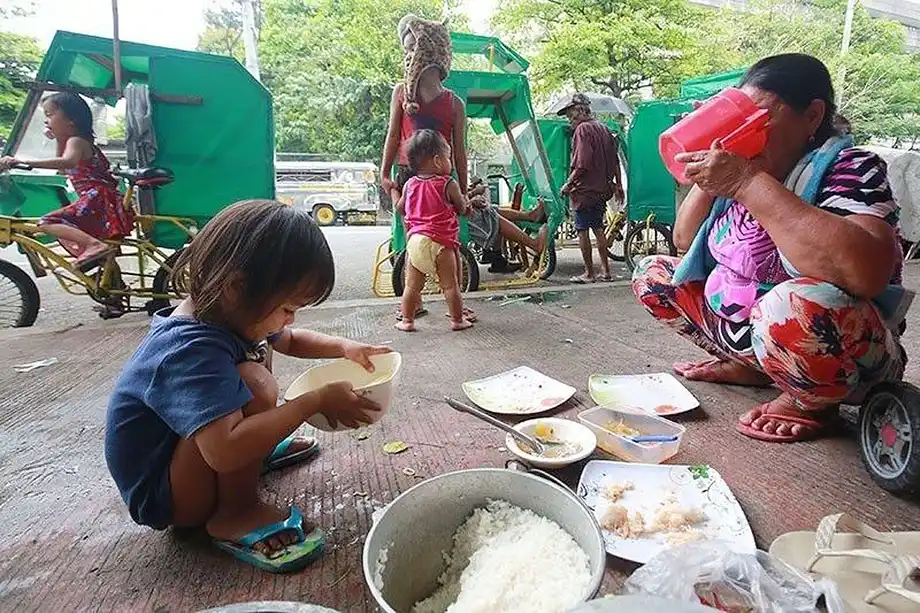
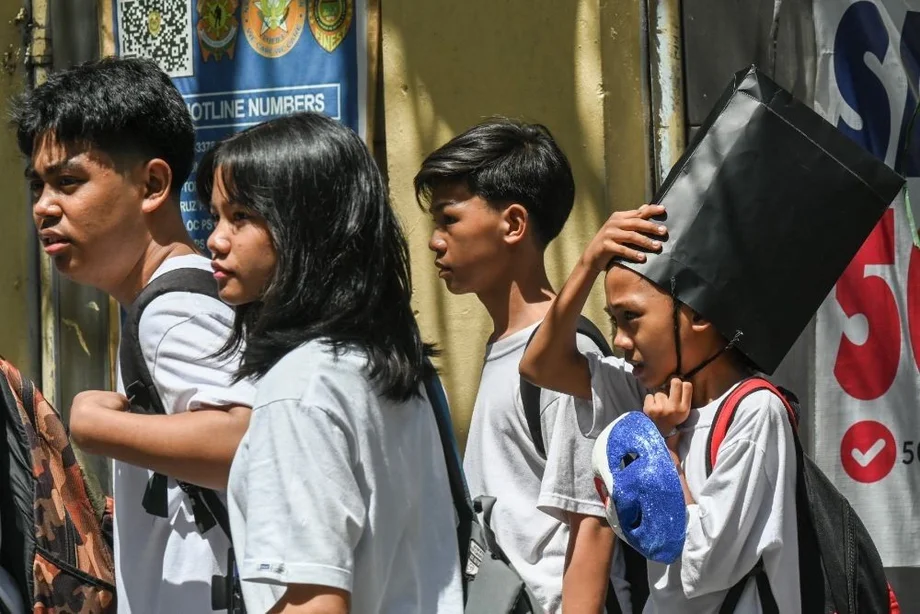
Nearly three in 10 Filipinos are between 10 and 24 years old, representing roughly 34 million people in a total population of 117.7 million. This large cohort of young people is a defining feature of the country, placing the Philippine share of residents aged 10 to 24 above the global average of 24 percent and the Asia-Pacific average of 23 percent. At the same time, the country has crossed a demographic threshold as the total fertility rate falls below the level required to sustain the population from one generation to the next. The United Nations Population Fund's State of World Population 2026 report, released in Manila on November 21, estimates the national fertility rate at 1.9 children per woman, which sits below the 2.1 replacement threshold. National data show the decline has gone further, with the Philippine Statistics Authority recording a total fertility rate of 1.7 children per woman in its 2025 survey. That figure represents a sustained drop from 1.9 in 2022, 2.7 in 2017, and 4.1 in 1993, marking the lowest recorded fertility rate in the country's history.
Contents
- A Growing Youth Population Meets a Changing Family Structure
- Regional Variations and Social Factors Driving the Decline
- Adolescent Health and Family Planning Realities
- Economic Pressures and Youth Aspirations
- Shifting Demographics and the Rise of Senior Housing Needs
- Key Milestones in Philippine Demographics
- At a Glance
Understanding this transition requires looking at how replacement level fertility works. In population studies, the replacement level is the average number of children each woman must have so that a population replaces itself without needing migration. That benchmark is commonly set at 2.1 births per woman because some children do not survive to adulthood, and slightly more boys are born than girls. When a country stays below that level over a long period, the overall population eventually stops growing and begins to age more rapidly. For the Philippines, this shift unfolds while the country still has millions of children and young adults, creating a temporary window where the working-age population makes up a substantial majority.
Regional Variations and Social Factors Driving the Decline
Fertility rates across the Philippines vary significantly depending on geography, education, and household income. The National Demographic and Health Survey conducted by the Philippine Statistics Authority gathered responses from 29,694 women aged 15 to 49 across 36,128 households, revealing sharp contrasts between urban and rural communities. Urban women average 1.5 children, while rural women average 2.0. Regionally, the lowest fertility rates appear in Region IV-A at 1.3 and the National Capital Region and Negros Island Region at 1.4 children per woman. The highest rate is recorded in the Bangsamoro Autonomous Region in Muslim Mindanao at 2.4 children per woman, followed by Region IX at 2.3 and Caraga at 2.2.
Socioeconomic factors shape these reproductive patterns just as strongly as geography. Women with only some primary education report an average fertility rate of 3.1 children, while college graduates average 1.1. A similar divide appears across household wealth brackets, where the poorest families average 2.8 children per woman compared with 1.1 among the richest. Modern contraceptive use among currently married women aged 15 to 49 stands at 44.5 percent, with pills leading at 20.5 percent, followed by female sterilization at 7.8 percent, injectables at 6.1 percent, and implants at 4.2 percent. The survey also found that 57.3 percent of married women want no more children, a preference that rises to nearly 90 percent among women who already have six or more children.
Adolescent Health and Family Planning Realities
Adolescent childbearing has decreased steadily over the past decade, reflecting wider access to education and reproductive health programs. The adolescent fertility rate stands at 22 births per 1,000 women aged 15 to 19, and the percentage of girls in that age group who have ever been pregnant dropped to 4.8 percent, down from 10.1 percent in 2013. Pregnancies remain more common in rural areas at 5.6 percent compared with 4.1 percent in cities, and they are highest among the poorest adolescents at 9.4 percent versus 1.4 percent among the richest. Despite the overall drop in fertility, advocates emphasize that family planning remains essential for ensuring that women can make autonomous choices about their lives.
Commission on Population and Development Deputy Executive Director Lolito Tacardon explained the ongoing relevance of reproductive health services during a population forum. "Now the focus is more on ensuring the capacity and rights of women to achieve and exercise their reproductive rights," Tacardon said. At the same time, barriers to care persist for women whose work schedules or living situations make it difficult to visit health centers. Juan Antonio Perez III, vice president of the Forum for Population and Development, pointed to practical obstacles faced by working women and girls, noting that young people remain vulnerable to statutory rape and rising human immunodeficiency virus infections.
Economic Pressures and Youth Aspirations
Young Filipinos navigating this demographic shift report widespread anxiety over employment and economic stability. UNFPA's survey of young people found that almost nine in 10 respondents worry about unemployment and economic crises, while nearly 70 percent perceive considerable inequality among youth. While 73 percent believe young people have many opportunities, only 31 percent think the government provides sufficient support for them. These pressures directly influence when and whether young adults decide to form families or secure independent housing. UNFPA Philippines Country Representative Neus Bernabeu emphasized the need to align institutional support with the ambitions of the younger generation.
"These findings remind us that young people have tremendous potential, but they need opportunities, resources, and support to realize their aspirations," Neus Bernabeu said in a statement. Assistant Country Representative Jose Roi Avena echoed that perspective regarding the relationship between youth ambition and public policy. "Young people shouldn't simply have to adjust to whatever future is given to them," Jose Roi Avena said. "They should also have opportunities to help shape it."
Shifting Demographics and the Rise of Senior Housing Needs
The changing age structure of the Philippines extends beyond falling birth rates to include a growing population of older adults. Philippine Statistics Authority census data from 2024 recorded 11.42 million people aged 60 and above, representing 10.2 percent of the household population, compared with 9.22 million, or 8.5 percent, in 2020. This expanding demographic places new demands on housing design and family care systems. Caring for older relatives is largely home-based and family-oriented in the country, but multigenerational households must contend with domestic safety risks such as accidental falls. A study published in 2024 using nationally representative survey data found that 17.7 percent of 4,606 older respondents had fallen during the preceding year, highlighting the importance of senior-friendly architecture with slip-resistant surfaces and secure handrails.
At the same time, changes in family size are reshaping commercial markets across the country. The United States Department of Agriculture reported that retail sales for the baby food industry reached an estimated $27 million in 2025, with projections pointing to $29 million by 2030. The market is driven by rising household incomes and an increase in working mothers, with the female labor force growing by 26 percent to 21 million between 2016 and 2025. While infant milk formula generated nearly $1 billion in retail sales last year, packaged baby food purées and snacks are growing by 4 percent annually as urban parents seek convenience alongside nutrition.
Key Milestones in Philippine Demographics
- 1993: Total fertility rate stood at 4.1 children per woman before beginning a decades-long decline.
- 2020: Census recorded children under 15 at 30.7 percent of the household population and adults aged 60 and above at 8.5 percent.
- 2024: Census recorded children under 15 dropping to 26.7 percent and adults aged 60 and above rising to 10.2 percent, or 11.42 million people.
- 2025: National Demographic and Health Survey recorded a total fertility rate of 1.7 children per woman, with 44.5 percent of married women using modern contraceptives.
- November 2026: UNFPA released the State of World Population report in Pasig City, noting that Filipinos aged 10 to 24 make up 29 percent of the population while national fertility remains below replacement level at 1.9 according to UN estimates.
At a Glance
- Nearly three in 10 Filipinos are between 10 and 24 years old, numbering roughly 34 million people.
- Total fertility rate has fallen to 1.7 children per woman according to national surveys, below the 2.1 replacement threshold.
- Urban fertility averages 1.5 children per woman, while rural fertility stands at 2.0.
- Modern contraceptive use among currently married women aged 15 to 49 is 44.5 percent.
- Older Filipinos aged 60 and above reached 11.42 million, making up 10.2 percent of the household population in 2024.