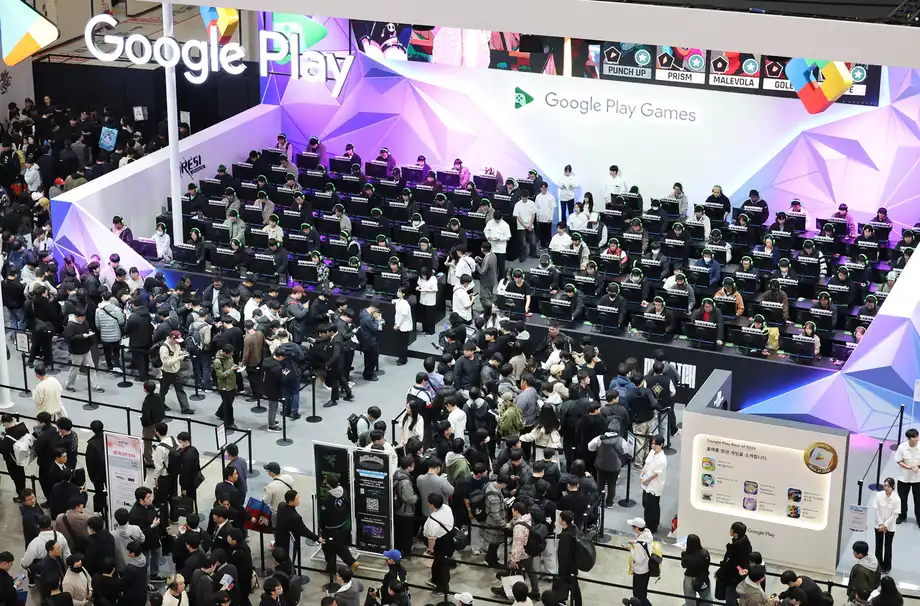
Busan Hosts South Korea's Flagship Gaming Convention
South Korea witnessed the grand conclusion of its largest gaming exhibition as G-Star 2026 wrapped up a four-day run at the BEXCO convention center in Busan. The annual event, which officially ran from November 19 to November 22, brought together a massive array of digital entertainment offerings under the guiding slogan of expanding horizons. Organizers reported a cumulative visitor count of 201,000 attendees, holding steady compared to the 202,000 visitors recorded during the previous year's convention. The exhibition scale spanned across a total of 3,445 booths, featuring participation from 1,294 different corporate entities hailing from 42 countries.
Contents
The event experienced a noticeable shift in its corporate lineup this year, as several domestic industry giants chose to skip the exhibition. Nexon, NC, Netmarble, and Kakao Games did not set up individual booths at the venue, opting instead to focus their marketing efforts on international showcases. Despite the absence of these major domestic developers, foreign gaming powerhouses and alternative technology firms stepped in to fill the exhibition space. The collaborative effort between domestic organizers and international participants ensured that the convention floor remained vibrant and packed with eager players.
Managing Crowds and Expanding Exhibition Zones
Event organizers implemented several strategic changes to improve visitor flow and prevent severe bottlenecks across the sprawling BEXCO complex. A mandatory 100 percent advance ticket purchase system helped regulate entry numbers before attendees arrived at the gates. Furthermore, the management expanded promotional activities inside Exhibition Hall 2 and brought the auditorium e-sports arena back into active rotation for the first time in three years. An enlarged cosplayer lounge also contributed to spreading foot traffic evenly across the entire convention grounds, making it easier for families and individual gamers to navigate the venue.
Exhibition Hall 1 served as the primary destination for business-to-consumer displays from major gaming corporations. Six prominent domestic and international companies each secured large exhibition spaces exceeding 100 individual booths to showcase their upcoming video game projects. Wrtn Technologies participated as the main sponsor of the event, marking a historic milestone as the first non-gaming company to take on the role. The artificial intelligence service provider operated an interactive experience zone for its story creation platform known as Crack, alongside hosting a live mini-concert featuring the popular girl band QWER.
Global Developers Step In to Fill Domestic Voids
Foreign game companies successfully occupied the space left vacant by local studios, bringing heavily anticipated international titles directly to Korean consumers. HoYoverse returned to the exhibition after a four-year hiatus, constructing a massive pavilion to offer hands-on public demonstrations for upcoming titles such as Honkai: Nexus Anima and Petit Planet. NetEase Games established a substantial presence with two separate booths promoting titles like Sea of Remnants and Once Human. Japanese studios including Capcom, Koei Tecmo Games, and Sega also transported development kits and playable builds from their overseas offices to give local fans an early taste of their upcoming releases.
European developers also made their presence felt on the convention floor during the four-day gathering. Polish studio CD Projekt Red joined the lineup to connect with fans of its expansive role-playing franchises. Moscow Game Hub coordinated a collective display showcasing 14 distinct titles developed by Russian creators. Among the few major domestic companies maintaining a physical booth, Krafton displayed new character classes and gameplay elements for upcoming projects including TARAE: The Unbound. Webzen greeted visitors with dedicated pavilions highlighting new role-playing games such as Tyrant of the Defense Game: LAST STAGE.
Cross-Industry Collaboration and Indie Game Growth
Exhibition Hall 2 highlighted the growing intersection between digital entertainment, artificial intelligence, and physical mobility. Hyundai Motor operated a specialized promotional booth featuring 20 racing simulators where visitors could drive virtual vehicles using the racing game Gran Turismo 7. This space also hosted the grand final of the 2026 Hyundai N Virtual Cup e-sports tournament, drawing crowds of motorsport enthusiasts and casual gamers alike. Independent developers also received unprecedented support through the G-Star Indie Showcase 2.0: Galaxy, which spanned 250 booths and welcomed a record 108 independent studios from 28 countries with backing from global publishers and cultural institutes.
The business-to-business zone, operating from November 19 to 21 inside Exhibition Hall 3, facilitated crucial commercial negotiations for participating companies. Organizers recorded the presence of 1,894 paying buyers seeking global partnerships and licensing agreements. A newly established professional pitching stage titled G-Star Investment Connect allowed 14 selected development companies to present their projects directly to representatives from 10 domestic and international venture capital firms. Networking lounges supported by major online service providers further streamlined the meeting process for small and medium enterprises.
Expert Conferences and Leadership Discussions
Educational panels and keynote speeches took center stage during the G-CON 2026 conference held on the opening days of the event. Industry veterans and creative directors gathered to discuss narrative design, cinematic storytelling, and technical development across multiple entertainment mediums. Noted speakers included Kitase Yoshinori, producer of the Final Fantasy series, alongside Marcin Błaha and Philip Weber from The Witcher development team. Film directors such as Jang Hang-jun and Lee Byung-hun also shared their insights on narrative construction, bridging the gap between traditional cinema and interactive gaming experiences.
Organizers introduced a new discussion format named Salon de G to foster deeper conversations between industry authorities and attendees. The intimate roundtable sessions brought together 11 prominent industry leaders and 150 participants for practical dialogues concerning current market challenges and creative philosophies. Meanwhile, competitive gaming fans packed the BEXCO auditorium to watch high-stakes matches, including the Overwatch Champions Series Asia Stage 3 Grand Finals and the decisive rounds of the G-Star Cup 2026.
Government Response and Strategic Challenges
Government officials attended the opening ceremonies to address the evolving landscape of the domestic entertainment industry and listen to studio executives. Culture, Sports and Tourism Minister Chae Hwi-young visited the exhibition on Thursday, expressing regret over the absence of several major local game companies while pledging closer communication with industry stakeholders. The ministry's report detailing government support initiatives emphasized the need to enhance the global competitiveness of domestic software developers. Industry analysts noted that while international participation remains strong, local studios increasingly prioritize overseas trade shows to reach worldwide audiences more effectively.
- Event Dates: November 19 to November 22, 2026
- Location: BEXCO exhibition center in Busan
- Total Attendance: 201,000 visitors
- Exhibition Scale: 1,294 companies from 42 countries across 3,445 booths
- Main Sponsor: Wrtn Technologies