The Massive Drop in Chinese Technology Stocks
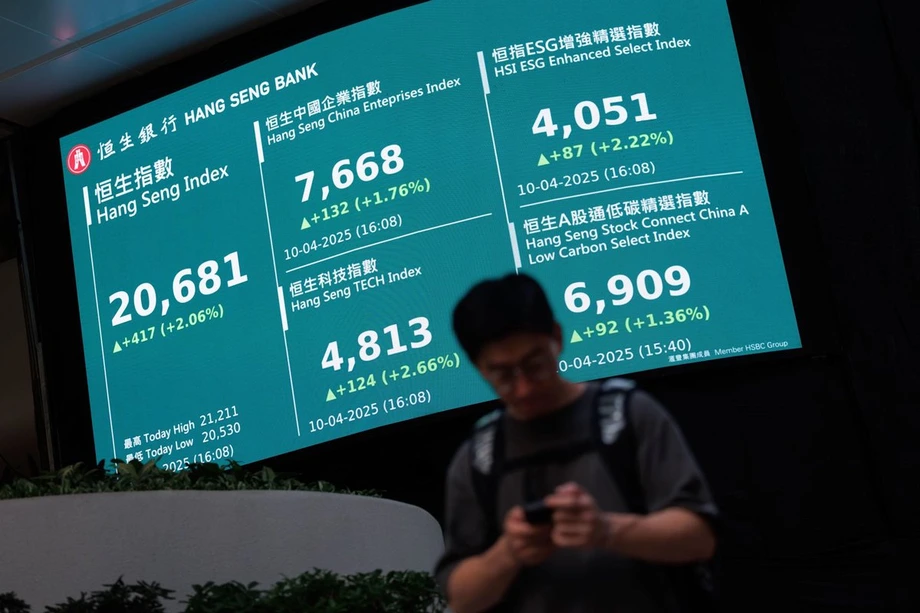
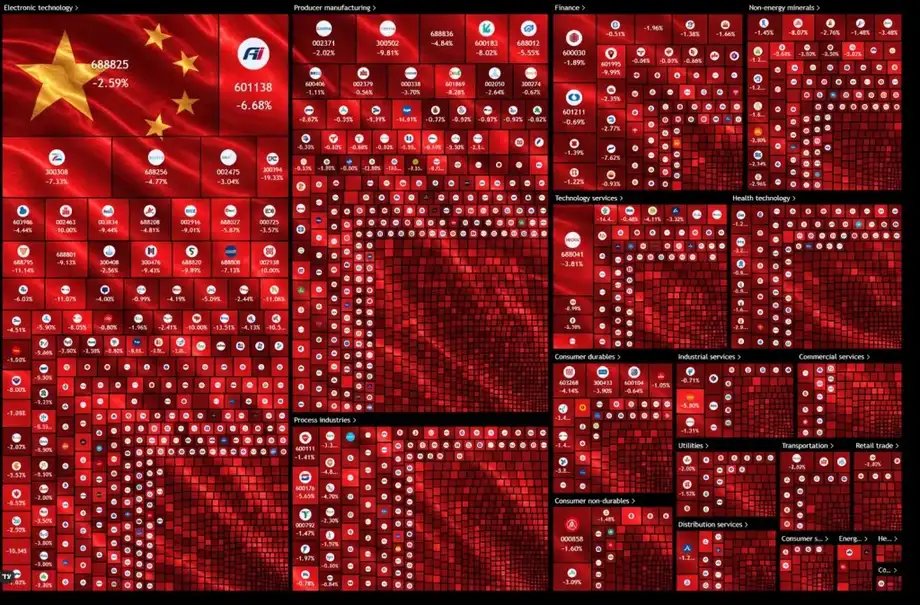
Stock markets across the region have experienced a sharp and painful decline over recent months. According to data tracked through the financial data service Bloomberg, technology-focused indices in mainland China and Hong Kong saw a staggering total of 1.7 trillion US dollars, equivalent to approximately 2,289 trillion South Korean won, vanish in market value since the end of June. This massive contraction reflects a sudden shift in sentiment following a period of intense enthusiasm for companies linked to artificial intelligence.
Contents
- The Massive Drop in Chinese Technology Stocks
- Global Artificial Intelligence Pressures and Semiconductor Hurdles
- Regulatory Intervention and Liquidity Measures
- Wider Market Contagion and Regional Shockwaves
- Official Economic Commentary and Public Backlash
- Expert Perspectives on the Narrative Divergence
- The Bottom Line
Investors who poured money into the sector earlier in the year faced severe corrections as high valuations collided with new economic realities. The Hang Seng Tech Index, which tracks thirty major technology firms based in Hong Kong including giants like Alibaba and Tencent, dropped to its lowest level in two years. Meanwhile, the ChiNext Index on the Shenzhen Stock Exchange reached record highs during the summer months but subsequently tumbled 31 percent compared to the start of the year. The Star 50 Index on the Shanghai Stock Exchange, representing fifty leading companies in the science and technology sector, erased its annual gains entirely.
When measured against closing prices recorded on June 30, the scale of the downturn becomes even clearer. The Hang Seng Tech Index fell by 21.5 percent, the ChiNext Index plunged by 49.1 percent, and the Star 50 Index decreased by 44.2 percent. Market observers noted that the global artificial intelligence boom began to lose momentum, leaving markets that relied heavily on speculative valuations and state policy support particularly vulnerable to a correction.
Global Artificial Intelligence Pressures and Semiconductor Hurdles
Market analysts point to shifting expectations around artificial intelligence technology as a primary driver of the sell-off. Last year, excitement surged after a Chinese startup named DeepSeek introduced an advanced artificial intelligence model that offered high performance at a remarkably low cost. This development fostered a belief that domestic models could serve as affordable alternatives to American technology. However, that optimism faced heavy resistance as global enthusiasm cooled and practical hurdles emerged regarding profitability and hardware access.
Technical bottlenecks and stricter trade restrictions from Washington added significant pressure. Earlier in November, United States authorities introduced rules to prevent Chinese firms from bypassing export controls by renting advanced artificial intelligence chips through overseas data centers. These measures complicate efforts by local developers to acquire the massive computing power necessary to train and run next-generation models.
Corporate earnings reports began reflecting these operational difficulties. During a recent financial briefing, executives at Tencent indicated that shortages of advanced semiconductors might delay the release of their upcoming artificial intelligence models. At the same time, Alibaba projected that its cloud business revenue growth would slow down to a range of 30 to 45 percent next year before staging a recovery above 50 percent by the year 2028.
Fund managers who navigated the turbulent market conditions expressed astonishment at the sudden reversal. Bushra Shakir, an investment manager at Aberdeen, described the environment as exceptionally challenging.
As a China equities fund manager, experiencing this year is extreme volatility and the second half sell-off has left me completely speechless.
Investors remain deeply anxious about slowing capital expenditures in artificial intelligence infrastructure and the long-term viability of supply chains caught in the crossfire of geopolitical competition.
Regulatory Intervention and Liquidity Measures
In response to the mounting downward pressure on share prices, financial regulators in Beijing announced coordinated steps to stabilize the domestic stock market. According to reports from state broadcaster China Central Television, the China Securities Regulatory Commission instructed the stock exchanges in Shanghai, Shenzhen, and Beijing to lower the minimum financing margin requirement from 100 percent to 80 percent, effective from November 30. Regulators explained that margin trading activity had declined noticeably and leverage levels remained modest, prompting a policy adjustment designed to ease borrowing costs for investors.
Financial authorities estimate that this relaxation of margin requirements could theoretically inject nearly 400 billion yuan, or about 80.6 trillion won, in incremental liquidity into the financial system. Alongside this change, the Shenzhen Stock Exchange announced plans to introduce market maker systems on the ChiNext board to improve liquidity and price stability, while both the Shanghai and Shenzhen exchanges implemented reductions in trading fees.
These financial measures coincided with law enforcement actions against market manipulation. The regulatory commission publicized four separate cases where individuals were punished for spreading false rumors about the stock market, including fabricated claims on social media regarding the purported suspension of initial public offerings and artificial increases in value-added tax rates.
Wider Market Contagion and Regional Shockwaves
The turmoil was not confined to mainland markets, as neighboring financial systems also absorbed severe blows from the technology sector pullback. In Taiwan, the Taiex index plummeted by 7,641.83 points, or 17.5 percent, during the trading week ending November 20, marking the largest weekly decline in its history. Major semiconductor manufacturers such as Taiwan Semiconductor Manufacturing Company and Hon Hai Precision Industry saw their share prices drop sharply.
Faced with mounting panic, the Financial Supervisory Commission in Taiwan announced that it would implement strict price limits on short-selling across all listed and over-the-counter securities starting November 23. Under this emergency directive, investors are prohibited from placing short-sale orders below the previous trading day closing price. Financial authorities last deployed this specific market intervention in August 2015 during global market disruptions triggered by economic turbulence in mainland China.
Global indices felt the reverberations of the technology sell-off as well. On Wall Street, the Nasdaq Composite index fell by 5.28 percent and the S&P 500 dropped by 3.70 percent in a single session. Nick Ferres, chief investment officer at Vantage Point Asset Management, highlighted the core structural issues facing the sector.
The core problem is the sluggish monetization of artificial intelligence, bottlenecks in computing power, fierce competition, and pressure on profit margins.
These fundamental pressures, combined with tightening export controls, created an environment where investors increasingly questioned whether massive capital investments in data centers would generate adequate financial returns.
Official Economic Commentary and Public Backlash
As financial markets struggled, a sharp contrast emerged between official economic assessments and the lived experiences of everyday retail investors. The flagship Communist Party newspaper People Daily published a prominent commentary criticizing foreign pessimism regarding the national economy. The article argued that overseas critics repeatedly deployed terms such as deflation traps, industrial overcapacity, and a second wave of China shocks to undermine confidence and construct containment strategies.
The commentary asserted that pessimistic analysts consistently relied on flawed methodologies, such as exaggerating temporary difficulties into systemic crises or mischaracterizing normal market competitiveness as a global threat. However, the publication of this essay generated an immediate backlash online. The title quickly became a trending topic on social media platforms, where frustrated citizens connected the optimistic rhetoric directly to their financial losses in the stock market.
Retail investors expressed deep cynicism about the widening gap between macroeconomic messaging and shrinking portfolio balances. One internet user complained that patient individuals who borrowed money to purchase homes and equities based on faith in the economic narrative were suffering historic wealth destruction, while speculators executing triple-inverse short positions on mainland shares profited enormously.
The benchmark Shanghai Composite Index closed down 1.22 percent at 3,533.79 on November 20, marking its lowest closing level since July of the previous year and nearly breaching the psychological threshold of 3,500 points during intraday trading. Macroeconomic data for October further underscored the domestic slowdown, with industrial production, retail sales, and fixed-asset investment figures all falling short of market expectations.
Expert Perspectives on the Narrative Divergence
Specialists analyzing the public friction note that the disconnect stems from differing timelines and priorities between policymakers and citizens. Xu Tianchen, a senior economist at the Economist Intelligence Unit, explained the dynamic behind the state media commentary during interviews with regional media outlets.
The target of criticism is the tendency to politicize China is economic problems rather than denying that economic challenges exist.
He added that official narratives naturally emphasize long-term, structural, and strategic achievements, whereas the general public focuses heavily on short-term, concrete, and personal financial changes, meaning both viewpoints operate on different levels without necessarily contradicting each other in theory.
At the same time, international financial institutions have adjusted their growth outlooks to reflect the sluggish domestic demand. Song Yu, chief China economist at UBS, noted that robust export performance remains insufficient to offset weakness in domestic consumption and the ongoing real estate correction. Consequently, market participants continue to monitor whether policy easing measures will successfully restore confidence and stabilize asset prices in the upcoming quarters.
The confluence of high-flying technology valuations meeting strict trade barriers, combined with domestic consumer hesitancy, leaves policymakers walking a delicate line between encouraging high-tech innovation and managing immediate financial stability.
The Bottom Line
- Technology indices across Hong Kong and mainland China experienced a reduction in market capitalization totaling 1.7 trillion US dollars since the end of June.
- Regulators announced a reduction in the minimum financing margin requirement from 100 percent to 80 percent to inject approximately 400 billion yuan in liquidity.
- Taiwan instituted emergency short-selling price restrictions for all listed equities following a record weekly drop of 17.5 percent in its benchmark index.
- State media criticism of economic pessimism sparked sharp public backlash from retail investors grappling with significant losses in the stock market.
- Broader economic indicators for October, including retail sales and fixed-asset investment, missed market expectations and weighed heavily on investor sentiment.