A citizens' bill targets control of Thailand's largest welfare fund
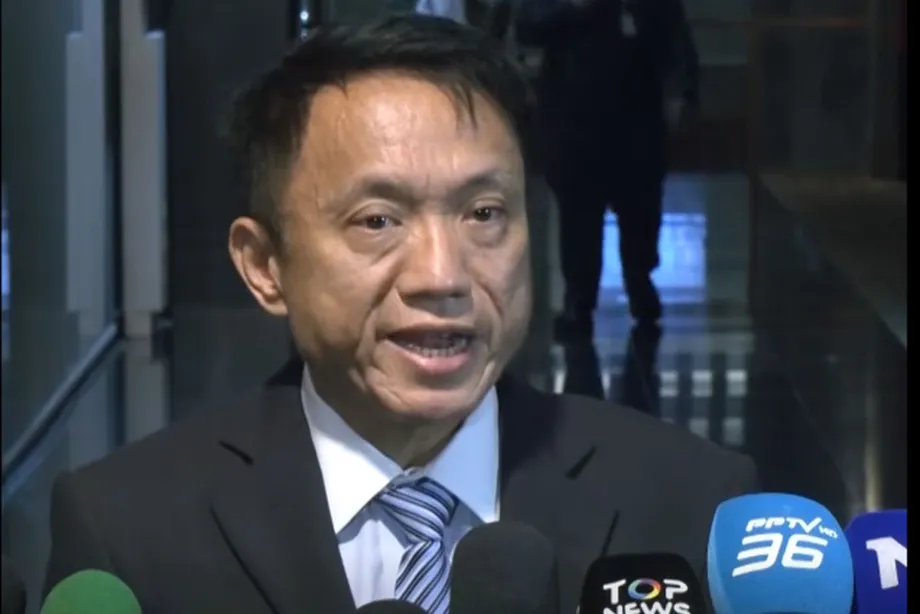
Thailand's Progressive Social Security team submitted a legislative initiative at parliament on November 17, 2026, seeking more than 10,000 signatures for changes to a welfare fund holding more than 3 trillion baht. Its proposals would move the Social Security Office outside the conventional civil service, recruit a professional chief executive and give contributors greater control over decisions affecting their benefits.
Contents
- A citizens' bill targets control of Thailand's largest welfare fund
- What would change outside the civil service?
- A smaller board, with competing descriptions of its membership
- What workers could receive under the proposal
- Why the election dispute matters
- How investment and spending became central to reform
- Four parliamentary bills offer different models of oversight
- The dispute over access to retirement money
- Decades of proposals reach a new decision point
- Key Points
Associate Professor Sustarum Thammaboosadee, an elected representative of insured workers awaiting appointment to the Social Security Board, led the submission with 23 eligible voters seeking to organise the petition. The initiative was addressed to House Speaker Sophon Saram and received on his behalf by San Piya, head of parliament's political coordination and complaints group.
The campaign puts the management of workers' monthly contributions at the centre of a wider legislative contest. Four other social security bills, from the Cabinet, Pheu Thai Party and People's Party, were listed for parliamentary consideration, with the Cabinet proposal scheduled to reach the House on November 18.
Sustarum said the fund had an annual administrative budget exceeding 5 billion baht and affected more than 20 million insured people. More detailed descriptions of the reform proposal put membership above 24 million, across more than 500,000 workplaces. His broader ambition is social protection for a working population exceeding 40 million, while preserving existing medical rights.
The immediate task is procedural: parliament must examine the citizens' draft before the formal signature process can proceed. The organisers also want their campaign to influence the competing bills already moving towards debate.
What would change outside the civil service?
The proposed amendment contains 52 sections. It would make the Social Security Office a legal entity with a special form of public organisation, rather than a government department or state enterprise. A professionally recruited secretary general would serve as chief executive, responsible to the board and connected to the interests of insured people.
Sustarum described this as a transfer of decision making towards workers and employers, with the office remaining public. He argued that conventional bureaucratic control had slowed benefit improvements, weakened accountability and allowed state interference in investment decisions.
The Ministry of Labour's published English text of the Social Security Act, enacted in 1990, shows the legal architecture the reformers want to change. Sections 19 and 20 place the office within a ministry and make its secretary general and deputies ordinary government officials.
Sections 25 and 26 require Finance Ministry approval for rules governing fund receipts, payments, safekeeping and investment. Section 27 requires annual financial statements to be submitted to the Office of the Auditor General within six months of the calendar year's end, for audit and certification before submission to the minister.
Workers, employers and the government contribute to the fund, which pays benefits for illness, disability, unemployment and old age, among other needs. Moving the office outside the civil service would change who manages this shared money and how quickly decisions can be implemented.
A smaller board, with competing descriptions of its membership
The detailed citizens' proposal would reduce the board from 21 members to 13, a cut of eight seats, or about 38%. It describes three government representatives, four employee representatives and four employer representatives. Those 11 members would select a chair and secretary general to complete the board.
Sustarum's announcement called for direct election of board members without exceptions; the detailed proposal retains government representatives and selection of the chair and secretary general. The final wording will determine precisely which positions voters choose directly.
The existing board has seven government representatives, seven representatives of insured people and seven employer representatives. The ministry's published English law contains an older arrangement, with five employer and five employee representatives appointed by the minister, alongside officials. Elections have since become central to the reform debate, beginning with the first direct board election in late 2023.
The citizens' proposal would also require board members to declare assets and liabilities under the rules for senior officeholders overseen by the National Anti-Corruption Commission. At least 20,000 insured people could submit information seeking a member's removal, followed by a decision supported by at least two thirds of the serving board.
That removal petition would be a continuing accountability tool, separate from the 10,000 signatures sought to introduce the legislation.
What workers could receive under the proposal
Medical benefits would become available from the first day of employment under the citizens' draft. Coverage would expand to temporary government employees, domestic workers and people working under newer employment arrangements. Its revised definitions would also address work taken home for completion.
People with disabilities could gain broader access to compensation. The proposal would remove wording tying disability to an inability to work, allowing people who have lost a limb or physical capacity, yet can still hold a job, to qualify more fairly.
The draft would allow old age and unemployment benefits to be received together, subject to limited conditions. For insured people outside conventional employment, it proposes government contributions at least matching the relevant contributions received from insured members.
Sustarum invoked Thailand's universal healthcare system as a model for extending social protection. His stated goal goes beyond adding members: it includes keeping medical entitlements people already hold while expanding protection against income loss and old age.
Thammasat University social administration lecturer Kritsadatsiradej Thongsopon supported professional management during an earlier reform push in February 2025. He explained why membership growth must be considered alongside future payments:
"If we focus only on attracting people into the social security system, it will not necessarily increase the income the funds have available. As more people join, the payout rate is also likely to increase. Therefore, there must be professional fund managers who manage the contributions from fund members, allowing the funds to grow more," he said.
Kritsadatsiradej also proposed giving employee representatives more seats than either government or employer representatives, a different balance from the four employee and four employer seats described in the citizens' draft.
Why the election dispute matters
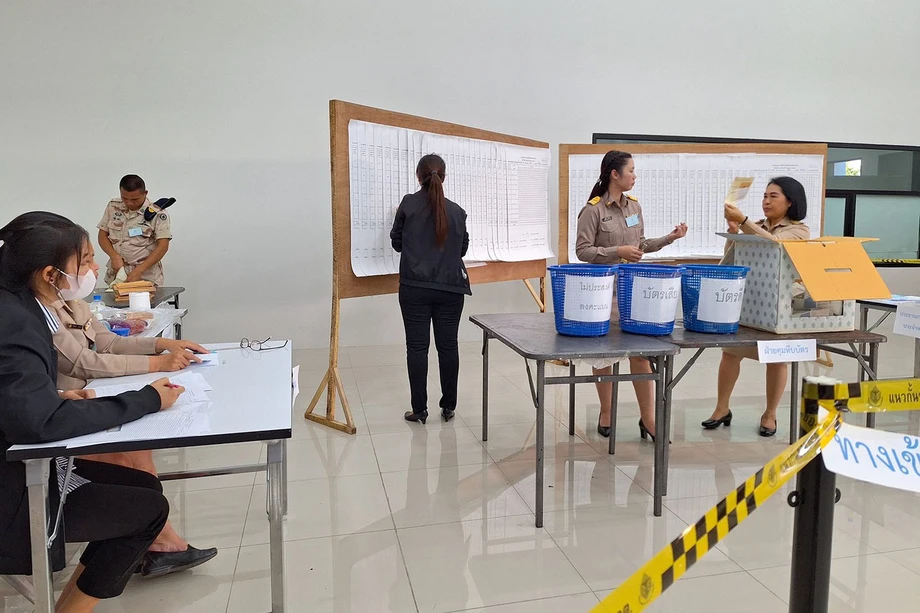
The Progressive Social Security team won all 14 elected seats in the October 11 board election, seven representing insured people and seven representing employers. Together, those seats account for two thirds of the 21 member board.
The appointment process stalled while election objections were examined. On November 16, Social Security Office spokesperson Malakalun Horprathum said two complaints concerned the qualifications or prohibited characteristics of one elected insured person representative. Sustarum described scrutiny involving that representative and a further employer representative, and demanded clearer disclosure of the allegations and evidence.
The office said the review followed legal requirements and protected transparency and public confidence. Its election committee had 30 days to examine objections filed by the November 12 deadline. If a candidate were disqualified, a reserve candidate could replace them before the revised list proceeded for appointment.
Sustarum argued that the delays were already damaging the incoming board's ability to work. His team feared the outgoing caretaker board could approve about 1.9 billion baht in administrative and personnel spending for 2027 before elected replacements took office.
The office expected a conclusion by the end of November. The dispute therefore has an immediate practical consequence: it determines which board examines the next budget, while parliament considers longer lasting changes to the institution's powers.
How investment and spending became central to reform
The Thailand Consumers Council's assessment of the bill connects governance rules to the benefits workers could receive. It cites Sustarum's concerns about the SKYY9 Centre building purchase in 2022, made for approximately 7 billion baht, compared with some valuations of 3 billion to 4 billion baht.
The council also records his criticism of publicity spending, including calendars, shirts and hats, worth 50 million to 60 million baht. It places those spending concerns beside a proposed 400 million baht budget for expanded wisdom tooth surgery benefits.
Using those figures, the publicity spending amounts to between 12.5% and 15% of the proposed dental budget. That comparison helps explain the reformers' focus on everyday purchasing decisions as well as major investments: both draw on money intended to support contributors.
The council cited Sustarum's statement that the share of projects assessed as carrying corruption risk fell from 11.59% in 2024 to 1.59% in 2025. It said the figures should be considered alongside each year's assessment criteria. Sustarum credited elected representatives with making the fund's activities more open to scrutiny.
The group's transparency demands predate the current bill. In February 2025 it sought publication of meeting minutes, live broadcasts of meetings and personnel reform. Its newer agenda includes publishing investment holdings, lowering the administrative spending ceiling from 10% to 3% of annual contributions, and cutting a proposed information technology budget from 1.5 billion baht to no more than 300 million baht.
Section 24 of the published law permits administrative allocations of up to 10% of annual contributions. The proposed 3% ceiling would reduce that permitted share by seven percentage points.
Four parliamentary bills offer different models of oversight
The House agenda includes a Cabinet bill, a Pheu Thai bill proposed by Thongtham Wechayachai, and two People's Party bills associated with Rukchanok Srinork and Sahasawat Khumkhong. Their differences concern both benefits and the balance between elected representatives, professional managers and the government.
The Cabinet proposal would create an audit committee of seven people with at least 10 years of relevant experience, covering areas such as accounting, finance and law. The Consumers Council says the labour minister would appoint that committee. It also highlights a proposed term of three years for elected board members, with no consecutive second term, which Sustarum argues would interrupt representatives' work even when voters want them returned.
The People's Party proposals would separate the fund from the office, give it legal personality and reduce its board to 13 members. They envisage specialised subcommittees covering medicine, investment, risk, audit, governance and appeals, alongside mechanisms through which contributors could seek removal of representatives they elected.
Pheu Thai's proposal would add a fund management committee of 13 specialists and an audit mechanism. It would also add the secretary general of the Securities and Exchange Commission to the government side of the board, bringing financial market expertise into its membership.
Rukchanok said on November 17 that the prime minister had endorsed her party's financial bill, enabling it to proceed to the House. The previous day, People's Party MPs had called for all drafts to be accepted for joint examination, with their replacement law used as the main text.
The dispute over access to retirement money
The Cabinet bill's three retirement access measures have become a second major dividing line. They would allow eligible contributors greater choice over how and when to use old age benefits:
- People aged at least 55 who have contributed for 180 months could choose a monthly pension or a lump sum.
- People with at least 60 months of contributions in areas suffering severe disasters could request part of their old age benefit before age 55.
- People with at least 60 months of contributions could use part of their old age entitlement as security for a loan from a participating financial institution.
The Cabinet draft would also extend coverage for employees under Section 33 from age 60 to no more than 65, increase disability compensation and continue child support for six months after insured status ends.
Rukchanok and fellow People's Party MP Thanaporn Wichan warn that large withdrawals could strain the fund's available cash and weaken retirement protection. Social security pensions use a defined benefit approach: payments follow legal formulas and conditions, with contributions pooled to meet obligations across the membership.
Rukchanok cited objections made in 2022 by the Bank of Thailand, the national economic planning agency and the Council of State. She said her own bill leaves benefit arrangements to an elected board, with Cabinet approval, allowing future decisions under specified rules.
Boonyakorn Damrongrat, an adviser to the labour minister, said the Cabinet measures had undergone actuarial calculations, consultation with relevant agencies and regulatory impact analysis. Actuarial calculations estimate future income and payments using assumptions about matters such as retirement, life expectancy and benefit use. The ministry also denied seeking to concentrate power through the draft.
Opposition MPs raised another concrete concern: the Cabinet social security draft retained 98 days for maternity provisions while labour protection legislation had expanded maternity leave to 120 days.
Decades of proposals reach a new decision point
Calls to reorganise the Social Security Office began in 1995, five years after the law took effect. Studies followed in 2001 on a public organisation model, in 2006 on moving investment management outside the civil service, and in 2008 and 2016 on wider institutional reform.
The latest campaign brings those longstanding proposals together with an election victory, a citizens' petition and competing parliamentary bills. The immediate sequence is:
- October 11, 2026: The Progressive Social Security team won all 14 elected board seats.
- November 3: The Cabinet approved the Labour Ministry's social security amendment.
- November 5: The leading candidates in each elected category were announced.
- November 12: The deadline for election objections expired.
- November 16: Reformers sought answers from the Social Security Office about appointments, while People's Party MPs pressed for joint consideration of the bills.
- November 17: The citizens' legislative initiative was submitted at parliament.
- November 18: The Cabinet bill was scheduled for House consideration.
Parliamentary staff said the citizens' draft would be checked before the speaker decides whether it falls within Chapters III and V of the 2017 Constitution, covering rights and liberties and duties of the state. The formal invitation to sign would follow the required process. No completion date was announced for that examination.
For contributors, the coming decisions concern access to medical care, income during unemployment, retirement payments and the right to choose people who oversee their money. For lawmakers, the central choice is how to combine broader benefits with professional management and accountable control of the fund.
Key Points
- Reformers seek more than 10,000 signatures for a citizens' social security bill submitted on November 17, 2026.
- The proposal would create a special public organisation, recruit a professional chief executive and reduce the board from 21 to 13 members.
- Proposed benefits include medical coverage from the first day of work and wider protection for domestic and temporary government workers.
- Election objections are delaying appointments after the reform team won all 14 elected board seats.
- Competing bills differ over audit appointments, board powers and access to retirement money.
- The Cabinet bill was scheduled for November 18 consideration, while the election review was expected to conclude by the end of November.