A new booking option for trips across the Causeway
ComfortDelGro's Zig app will launch cross-border rides between Singapore and Johor Bahru on November 23, 2026, offering service around the clock, fixed fares shown before booking and collection from anywhere in Singapore. Travellers must book between seven days and four hours before departure.
Contents
- A new booking option for trips across the Causeway
- How to book, and how much notice is needed
- Where passengers can start and finish a ride
- What the Zig and Kummute partnership changes
- What travellers will pay for convenience
- How the expansion unfolded
- More capacity, alongside concerns about drivers' earnings
- Licensed taxis face identification and operating rules
- A planned ride still needs time at the border
- Key Points
The launch follows a November 16 increase in the licensed cross-border taxi quota from 300 to 500 vehicles for each country. Together, Singapore and Malaysia can now accommodate up to 1,000 licensed cross-border taxis, compared with 600 previously.
Zig is partnering with Malaysian transport platform Kumpool, which operates the Kummute app. Kummute will introduce its own booking service on December 14, with a shorter minimum booking notice of two hours. Both platforms will draw on vehicles from their combined networks.
For passengers, the main change is more choice over where a journey begins and ends. A Singapore departure can start at home rather than a taxi terminal, while a return ride can finish anywhere in Singapore. Collection in the other country remains subject to designated boarding locations, so travellers need to plan both parts of their journey.
How to book, and how much notice is needed
Zig customers can arrange a ride through the app or call its customer service hotline at 6552-1111. The fare will be displayed upfront, allowing passengers to see the price before confirming their booking.
The service's 24-hour operating schedule covers departures throughout the day and night. Its four-hour booking requirement still applies: someone planning to leave at midnight would need to reserve by 8pm. Kummute will accept reservations from seven days until two hours before departure when its service begins.
Grab, which already offers cross-border bookings, now requires at least 90 minutes' notice, down from 12 hours when its service began. A company spokesperson said the shorter booking window followed customer feedback. Grab also allows reservations up to seven days ahead.
The difference matters for travellers whose plans change during a visit. Zig's minimum notice is two and a half hours longer than Grab's, while Kummute's announced minimum is 30 minutes longer. Passengers choosing an operator will therefore need to compare timing as well as price and boarding location.
Where passengers can start and finish a ride
Zig's announced service allows collection anywhere in Singapore and drop-offs within a defined area covering Johor Bahru, Skudai, Iskandar Puteri and Senai. Return journeys can end at any Singapore address.
The broader Cross-Border Taxi Scheme permits drop-offs within operating boundaries covering Johor Bahru, Iskandar Puteri, Forest City, Kulai and Senai. Zig's launch description names a narrower set of destinations, so customers should check their exact destination in the booking system rather than assume every location permitted by the wider scheme is offered.
Singapore-registered cross-border taxis collecting passengers in Johor must use four designated locations:
- Larkin Sentral Terminal.
- Toppen Shopping Centre.
- Angsana Johor Bahru Mall.
- The Mall, Mid Valley Southkey.
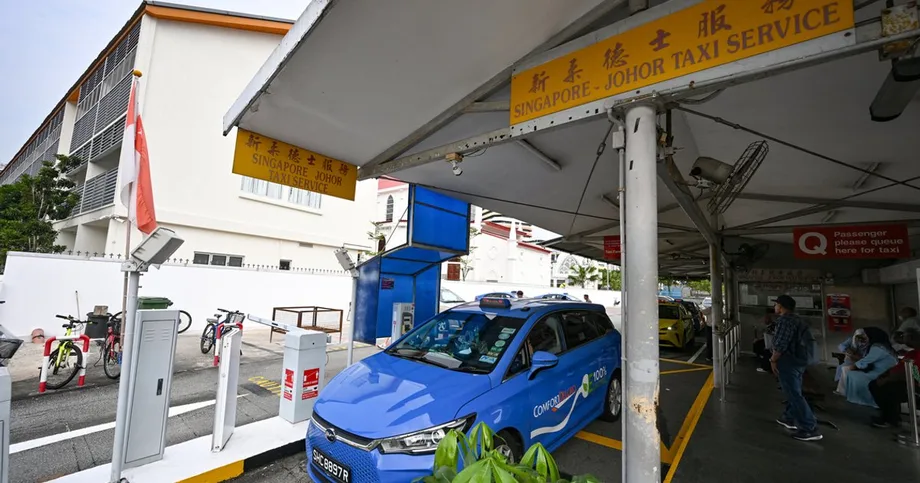
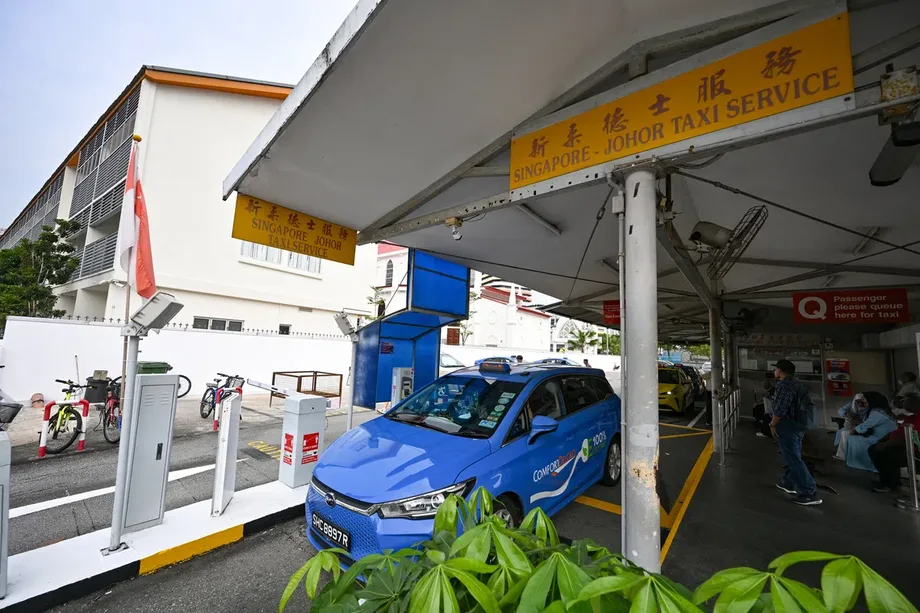
Malaysian-registered taxis collecting passengers in Singapore also have four designated boarding areas: Ban San Street Terminal, the HarbourFront area near VivoCity, the Tampines area near Century Square Shopping Mall, and Joo Koon. Passengers should follow the precise meeting point shown for their booking.
The practical rule is that a taxi has more freedom to collect passengers in its home country than across the border. A passenger dropped at a Johor hotel by a Singapore taxi may need to travel to a designated location for collection by a Singapore taxi on the return journey. Zig has indicated that more Johor collection points may be added, without giving a timetable.
What the Zig and Kummute partnership changes
Zig and Kummute announced their partnership on November 17, a day after ComfortDelGro and Kumpool received licences to operate under the cross-border scheme. A ComfortDelGro spokesperson said the company has 150 cross-border taxi licences.
Zig, ComfortDelGro's transport booking platform, explained in its announcement how the two fleets would serve customers:
Under the partnership, ride requests will be fulfilled by vehicles from either network, enabling Zig and Kummute to draw on a larger combined pool of vehicles to serve customers travelling between the two cities,
Once both services are operating, Zig users will be served through Zig in Singapore and Kummute in Malaysia. Kummute customers will similarly be served through Kummute in Malaysia and Zig in Singapore. The apps will notify users when the service provider changes.
Kumpool director Lim Han Weng said combining the operators would expand transport options on both sides of the border. The shared arrangement gives customers access to a larger pool of vehicles while allowing them to continue using their chosen app.
What travellers will pay for convenience
App bookings offer a different balance of price and convenience from taking a taxi at Ban San Street Terminal near Queen Street. Cross-border ride bookings cost more than flagging down a taxi at the terminal, but offer collection from a Singapore address and a wider choice of destinations in Johor.
Zig's launch information promises fixed fares displayed upfront, but gives no published fare table. Travellers will need to obtain a quote for their intended journey through the booking service.
For comparison, previously reported Grab fares for Ban San Street to Larkin started at S$80 for a standard vehicle seating four passengers and reached S$180 for a premium vehicle seating six. Those figures concern a particular route and vehicle categories; a Zig passenger's price will be the fare shown for the booking.
Families, older passengers and people carrying shopping may place particular value on collection at their Singapore address. Travellers focused on spending less may prefer to make their own way to the terminal. For a return trip, the distance to an authorised boarding point also becomes part of that decision.
How the expansion unfolded
November's changes complete a quota target announced by the two countries' transport ministries in December 2025. The enhanced scheme introduced in May 2026 had already increased the number of taxis and widened the places where passengers could be dropped off.
- December 5, 2025: The transport ministries announced a target of 500 licensed cross-border taxis per country.
- April 2026: Singapore's Land Transport Authority granted GrabCar a permit lasting three years for cross-border taxi bookings.
- May 4, 2026: The enhanced scheme began, the quota rose from 200 to 300 taxis per country, and Grab launched its service.
- November 6: The ministries announced the next quota increase and the addition of Zig and Kumpool.
- November 16: The quota reached 500 per country, and the two additional operators were licensed.
- November 23: Zig's booking service is scheduled to begin.
- December 14: Kummute's booking service is scheduled to begin.
Zig and Kumpool join GrabCar, bringing the number of licensed booking operators to three. The operating licences took effect before the two new app services' launch dates.
More capacity, alongside concerns about drivers' earnings
Singapore's Ministry of Transport and Land Transport Authority said average daily passenger trips on licensed cross-border taxis increased by nearly 25% after the earlier quota expansion to 300 vehicles per country. Grab said it had completed 27,500 cross-border trips since launching on May 4.
The latest quota change adds room for 400 taxis across the two countries, an increase of about 67% from the previous combined limit of 600. A quota is the maximum number permitted under the scheme; the vehicles available for a particular booking will depend on operators and drivers.
Land Transport Authority chief executive Ng Lang said the expanded licensed services would give passengers more choice and flexibility. Malaysia's Land Public Transport Agency director-general Ahmad Radhi Ma'arof also welcomed the expansion as a way to improve journeys between Johor Bahru and Singapore.
National Taxi Association executive secretary Teo Siew Pan raised a different concern: members' job opportunities and earnings as more taxis join the scheme. The association asked the authority to issue additional licences in phases to balance passenger demand with drivers' livelihoods.
Teo also called for more boarding points and welcomed the additional platforms as another choice for drivers. Passenger access and driver earnings are connected here: more vehicles increase the permitted supply, while the location of boarding points affects where drivers can collect return fares.
Licensed taxis face identification and operating rules
Cross-border taxis operate under specific rules governing where they can collect and drop off passengers. Before the May changes, Singapore-registered taxis were restricted to Larkin Sentral in Johor, while Malaysian-registered taxis used Ban San Street Terminal in Singapore for collection and drop-off.
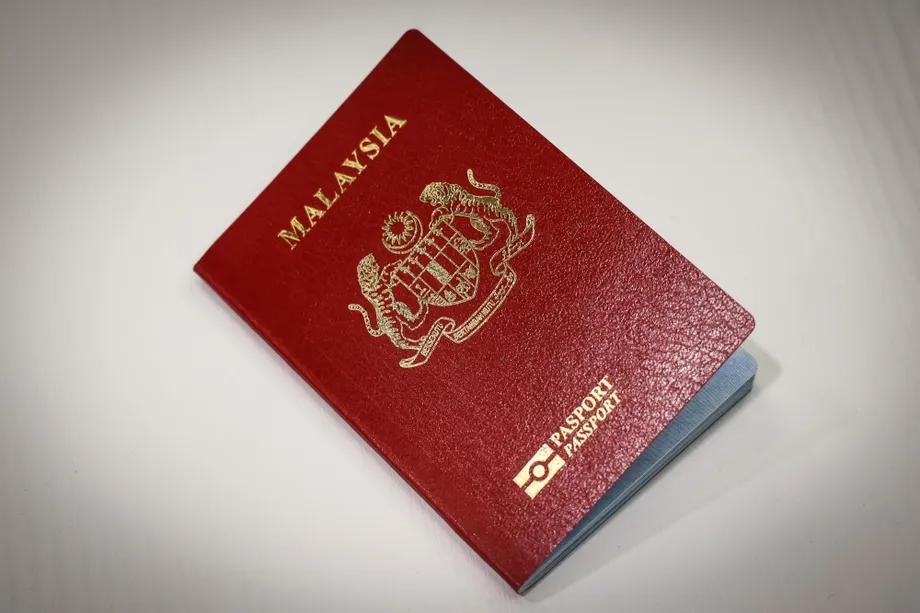
The enhanced scheme widened drop-off access and added three boarding locations in each country. Licensed vehicles must also carry prominent rooftop signs, distinctive cross-border taxi identification decals and designated licence plate prefixes. Malaysian-registered cross-border taxis entering Singapore must install an Electronic Road Pricing 2.0 on-board unit.
Singapore authorities said 261 vehicles had been confiscated for illegal cross-border operations since July 2025. Of those, 79 were detected providing illegal passenger services from May 2026 onward.
Drivers found operating illegally can face a fine of up to S$3,000, imprisonment for up to six months, or both. Their vehicles may also be detained and confiscated. The expanded licensed scheme gives travellers more authorised alternatives to these services.
A planned ride still needs time at the border
Causeway congestion, immigration queues and traffic during busy periods can still affect a booked journey. An upfront fare helps passengers plan spending, while the departure time must leave room for border delays, especially when a trip connects with an appointment or reservation.
Travellers arranging a return should check the boarding location and minimum booking notice before setting out. A late evening departure is available under Zig's operating hours, but still requires a booking at least four hours ahead.
The changes make cross-border travel easier to organise by adding booking platforms, licensed capacity and more flexible drop-offs. The most useful choice for an individual passenger will depend on the total fare, the required notice and how easily they can reach the return collection point.
Key Points
- Zig launches on November 23, 2026, with 24-hour service and bookings from seven days to four hours before departure.
- Customers can book through the Zig app or hotline 6552-1111, with fixed fares displayed upfront.
- Kummute launches on December 14 and will accept bookings until two hours before departure.
- Singapore departures can begin anywhere on the island, while collection across the border follows designated boarding rules.
- The taxi quota rose to 500 per country on November 16, allowing up to 1,000 licensed vehicles combined.
- Grab now accepts bookings with 90 minutes' notice, reduced from 12 hours.
- Border congestion and immigration queues can still affect journey times.