Cancelled Rooms Could Cost Hotels Twice the Booking Price
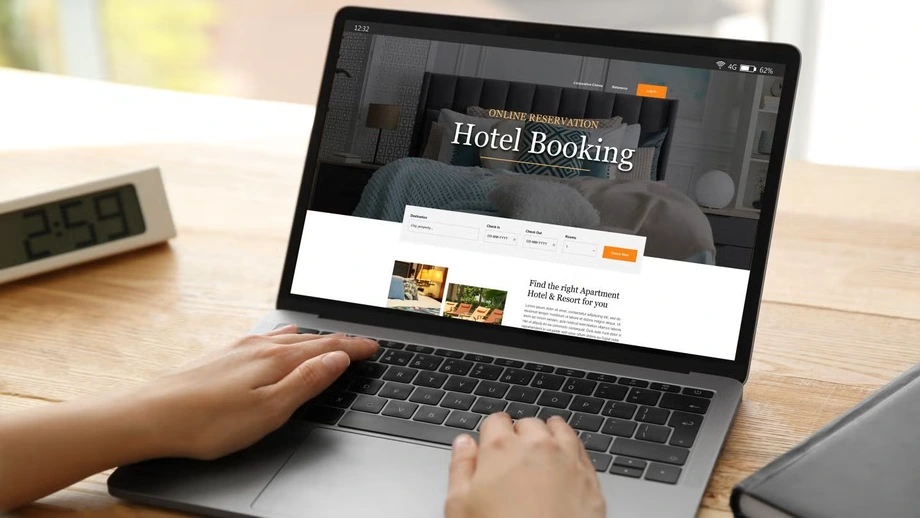
South Korea's Fair Trade Commission (FTC) is proposing compensation equal to 200% of the total accommodation charge, plus the return of the deposit, when lodging businesses cancel reservations without a valid reason after a major local event has been announced. The proposed Consumer Dispute Resolution Standards follow complaints that accommodation providers in Busan cancelled bookings before BTS concerts in June and offered rooms again at higher prices.
Contents
- Cancelled Rooms Could Cost Hotels Twice the Booking Price
- How Much Would a Cancelled Booking Cost?
- Which Cancellations Would Qualify?
- Overbooking Comes With a Duty to Act
- The Busan Case Behind the Scrutiny
- How the Dispute Developed
- Busan Extends Checks to Festival Businesses
- Appliance Subscribers Would Get a Choice
- Rail Delays and Exercise Contracts Also Covered
- Key Points
The public comment period runs from November 13 to December 3. The FTC plans to review responses and seek approval at a plenary meeting before finalizing and implementing the changes. No implementation date has been announced.
The proposal covers cancellations connected to local festivals, performances and sporting events in the municipality hosting the event. It also sets conditions for accepting overbooking as a valid cancellation reason, including notifying the customer within 24 hours of discovering the problem or taking steps such as providing accommodation of the same grade.
How Much Would a Cancelled Booking Cost?
A lodging business covered by the proposed rule would have to return the customer's deposit and pay compensation calculated from the total accommodation charge. The calculation matters because a deposit may represent only part of the price of a stay.
For example, if a booking cost 200,000 won and the guest had paid a deposit of 50,000 won, the proposed compensation would be 400,000 won. Returning the 50,000 won deposit would bring the total payment to the customer to 450,000 won. This is an illustration of the proposed formula, rather than an amount awarded in a particular case.
The measure targets a specific commercial incentive: cancelling an existing reservation so the room can be sold again when concert or festival demand pushes prices higher. For guests who booked early, the practical problem is losing accommodation just when replacement rooms may be hardest to find or most expensive.
Which Cancellations Would Qualify?
The proposed standard applies when a lodging business cancels without a valid reason after plans for a qualifying event have been announced in the municipality where the event will take place. The categories include regional festivals, performances and sporting events specified under the enforcement decree of the disaster and safety law.
The FTC would limit acceptable reasons for cancellation to three circumstances:
- The entire accommodation property cannot operate on the reserved date.
- Objective circumstances make the reserved room unusable, no room of the same grade remains available, and the reserved room is not actually used for accommodation that day.
- Overbooking prevents the business from providing accommodation, with additional requirements for notifying or assisting affected customers.
The conditions concerning an unusable room work together. A business relying on that exception would need a genuine problem with the reserved room, no equivalent room available and no accommodation use of the reserved room that day. Selling it to another guest would conflict with those conditions.
Overbooking Comes With a Duty to Act
Overbooking means a property has accepted more reservations than it can accommodate. Under the proposal, it could qualify as a valid cancellation reason only when the business has taken steps to address the customer's loss, such as notifying the guest within 24 hours of learning about it or providing alternative lodging of the same grade.
The timing requirement makes the hotel's response part of the assessment. A business that discovers a shortage must act promptly, while an equivalent replacement gives the guest a way to preserve the accommodation arrangements for the trip.
The Busan investigation illustrates why the existence and timing of a shortage matter. Police said a hotel had experienced overbooking when concert dates were announced in January, but that problem had been resolved within about a month. The manager allegedly cited a shortage again in May, when rooms were available.
The Busan Case Behind the Scrutiny
Busan Metropolitan Police Agency referred a hotel manager in their 50s to prosecutors on fraud charges without detention after investigating the cancellation of a guest's concert booking. The manager, identified only as A, allegedly persuaded the customer to cancel through the booking platform so the accommodation could be sold at a higher price. The case was at the referral stage, with prosecutors responsible for deciding how to proceed.
The guest had reserved a room at the normal rate in mid-January to attend BTS concerts on June 12 and 13. In mid-May, about a month before the planned stay, the manager contacted the guest and claimed the hotel lacked rooms.
According to the police investigation, the hotel manager gave the customer this explanation:
dozens of overbookings have come in, so there is nothing we can do
Police said rooms were still available and that the manager knew this. Investigators concluded that the manager used the earlier overbooking problem as a pretext to increase revenue. Rooms were sold before and after the cancellation for 500,000 to 600,000 won a night, around six to seven times the hotel's usual rate.
How the Dispute Developed
The booking dispute and the regulatory response unfolded over several months. The sequence shows how a reservation made well before a concert can become vulnerable when demand rises:
- Mid-January: The guest booked accommodation for the June 12 and 13 BTS concerts. Overbooking occurred around the announcement of the concert dates.
- About a month later: The hotel and booking platform had resolved that overbooking problem through cancellation notifications, according to police.
- Mid-May: The manager allegedly claimed a room shortage and asked the guest to cancel directly through the booking platform.
- June: The concerts took place, and the government announced plans for stronger compensation rules addressing cancellations intended to raise rates or resell rooms.
- November 13 to December 3: The FTC scheduled public consultation on the proposed revisions, followed by consideration at a plenary meeting.
The criminal investigation and the compensation proposal address different consequences of the dispute. Police examined alleged deception used to obtain a cancellation. The FTC proposal sets a financial remedy for customers when a lodging business cancels without a valid reason under the specified event conditions.
Busan Extends Checks to Festival Businesses
Busan's response also includes inspections around another event attracting heavy demand: the Busan Fireworks Festival. The city expected more than 1 million spectators and announced intensive checks of lodging businesses and restaurants through the event day.
Inspectors were checking whether businesses displayed price lists, as well as hygiene conditions. At the inspection update, checks of 162 businesses, comprising 144 accommodation establishments and 18 bathhouses, had found no violations. Checks at restaurants and other venues found 41 violations, including failures involving health examinations and mask use.
The government has also proposed requiring accommodation businesses to report and disclose maximum rates for peak periods in advance. Another proposed measure would allow business suspension from the first offense for establishments that fail to display price lists or charge prices different from those displayed. These measures address how prices are disclosed and charged, alongside the FTC's proposed remedy for cancelled reservations.
Appliance Subscribers Would Get a Choice
The FTC's revision package extends beyond hotels to long term product rental services, including home appliances supplied through subscription contracts. The proposed changes address what happens when parts are discontinued and a business can no longer provide the contracted service or transfer ownership of the product.
Some customers subscribe with the expectation that they will eventually own the appliance. Existing standards provide damages when a contract ends because of the business's fault. The revision would let customers choose between ending the contract and continuing with a replacement product.
A customer choosing termination would receive damages, with rental charges settled in proportion to the period of use. A customer choosing to continue would be exempt from fees for the period when the product could not be used and could switch to a similar product of the same grade. That gives households a choice between closing the agreement and maintaining the service they had planned to keep.
Rail Delays and Exercise Contracts Also Covered
High speed rail passengers would receive more compensation for longer delays under another part of the package. The current standard described by the FTC provides 50% of the fare for delays of at least 60 minutes. The revision would set compensation at 75% for delays of at least 90 minutes and the full fare for delays of at least 120 minutes.
For a ticket costing 60,000 won, those proposed levels would mean 45,000 won for a delay of at least 90 minutes and 60,000 won for a delay of at least 120 minutes. The changes reflect passenger transport terms revised following the integration of the country's high speed rail operators in September.
Yoga and Pilates businesses would receive their own category in the Consumer Dispute Resolution Standards, reflecting standard contract terms established in July. The provisions would cover calculations for refunds and limits on cancellation penalties, including disputes involving contracts, refunds, temporary closures and permanent business closures.
The FTC will consider comments on all four areas before seeking approval. For accommodation customers, the central proposed change is a defined compensation amount tied to the full booking price, supported by narrower cancellation exceptions and duties to respond when genuine overbooking occurs.
Key Points
- South Korea proposes compensation equal to 200% of the total accommodation charge, plus a deposit refund, for qualifying unjustified cancellations.
- The rule would cover cancellations after local festivals, performances or sporting events are announced in the host municipality.
- Overbooking would require prompt notification or steps to address the guest's loss, such as equivalent alternative accommodation.
- A Busan hotel manager was referred to prosecutors over an alleged cancellation scheme involving rooms sold at six to seven times the usual rate.
- Public consultation runs from November 13 to December 3, with FTC approval to follow before implementation.
- The revision package also covers appliance subscriptions, rail delay compensation and yoga and Pilates contract disputes.