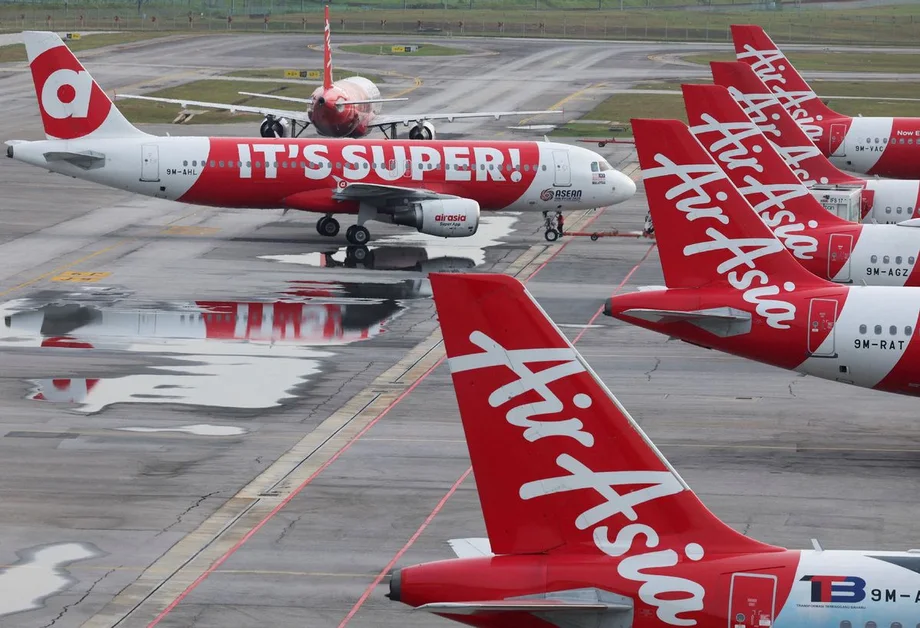
AirAsia Support Review Puts Public Money in Focus
Malaysia is examining possible support for AirAsia, which controls about 60% of the country's domestic aviation market and had RM18.4 billion in current liabilities as of June 30. Former transport minister Anthony Loke said the finance ministry was reviewing options discussed at Cabinet meetings, with any assistance requiring a formal arrangement designed to protect public funds.
Contents
- AirAsia Support Review Puts Public Money in Focus
- What Has the Government Committed To?
- Why AirAsia's Finances Matter Beyond the Airline
- Private Financing Remains Central
- Protecting Workers Rather Than Shareholders
- Airlines Already Have More Time to Pay Fees
- How Fuel Costs Reach Passengers and Tourism
- The Timeline and Political Setting
- Key Points
The deliberations come as Southeast Asia's largest budget airline faces high jet fuel prices and currency swings while seeking up to US$1 billion from international debt markets and RM700 million in local credit facilities. Prime Minister Anwar Ibrahim, who also serves as finance minister, would decide the conditions of any government support, Loke said.
Loke distinguished privately owned AirAsia from state-owned Malaysia Airlines. He said the government would not simply put money into the private carrier, explaining that assistance would need to take a regulated form.
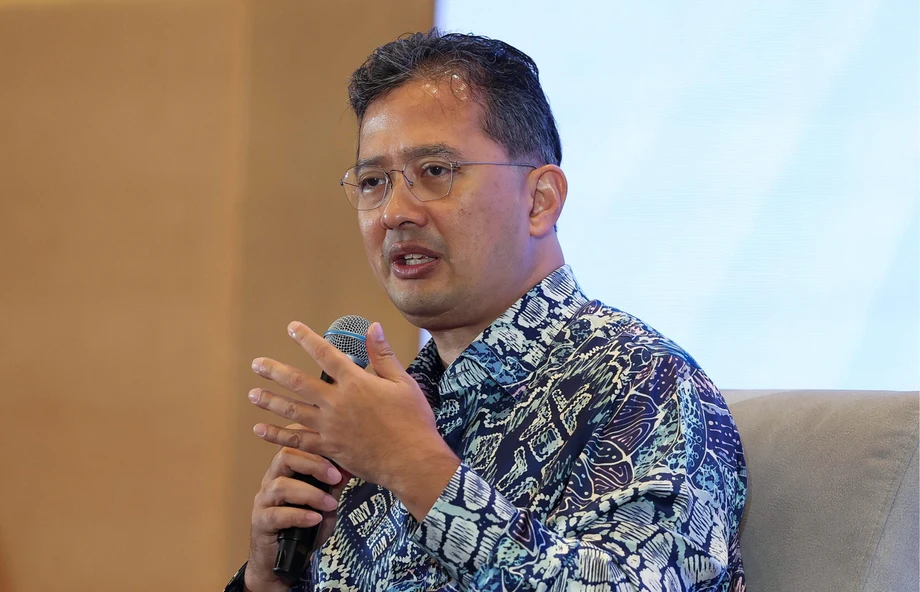
Anthony Loke, speaking after his resignation as transport minister, described the requirement for any intervention:
It has to be a formal kind of arrangement. Government is not going to pump in money just like that.
What Has the Government Committed To?
The finance ministry said last month that it had made no agreement or commitment to provide AirAsia with guarantees, loans or injections of public funds. Loke subsequently described a review of possible assistance, placing responsibility for that work with the finance ministry rather than his former department.
In its written parliamentary reply, the ministry said requests for government assistance are assessed against national and public interest, fiscal sustainability and the protection of public funds under existing laws and procedures. It also said the government holds regular consultations with participants in the aviation sector and gathers views from industry and technical experts. The reply did not disclose a decision on the review or identify options under consideration.
A loan would provide money that the airline must repay. A government guarantee would mean the state promises to cover specified obligations if the borrower fails to pay. Both can expose public finances to costs, even when assistance takes a form other than an immediate cash payment.
Loke declined to describe the options under consideration. No support package, conditions or decision date was disclosed, and AirAsia and the finance ministry did not respond to requests for comment.
Why AirAsia's Finances Matter Beyond the Airline
AirAsia's roughly 60% share of Malaysia's domestic aviation market makes its financial health a concern for people who depend on flights, as well as businesses that depend on travellers. Its position helps explain why the government is considering support for a privately owned company.
Loke said the government wanted to preserve air connectivity while protecting public funds. Connectivity means the flights that allow people to reach different places, whether for work, family visits or holidays. Keeping those connections available is the public interest at the centre of the review.
The airline's RM18.4 billion in current liabilities was equivalent to about US$4.52 billion. Current liabilities are obligations generally due within a year, such as payments to suppliers and amounts falling due on borrowings. They show the scale of near term commitments that a business must manage alongside its operating expenses.
AirAsia is also exposed to changes in fuel costs and exchange rates. More expensive jet fuel raises the cost of flying. Currency movements can alter the amount an airline must pay when an expense is priced in a currency different from the one in which it earns revenue.
Private Financing Remains Central
AirAsia has said it is seeking up to US$1 billion from international debt markets, alongside RM700 million in local credit facilities. Debt financing means borrowing money that must be repaid under agreed terms. A credit facility gives a company access to borrowing within an agreed limit.
Co-founder Tony Fernandes said last month that he expected the US$1 billion fundraising to be completed between December and February. That was his expected completion window for the financing effort.
Fernandes also denied asking the government for financial assistance, while saying AirAsia would not reject help if it were offered. His comments place the airline's attempt to raise private financing alongside the government's consideration of possible support.
Protecting Workers Rather Than Shareholders
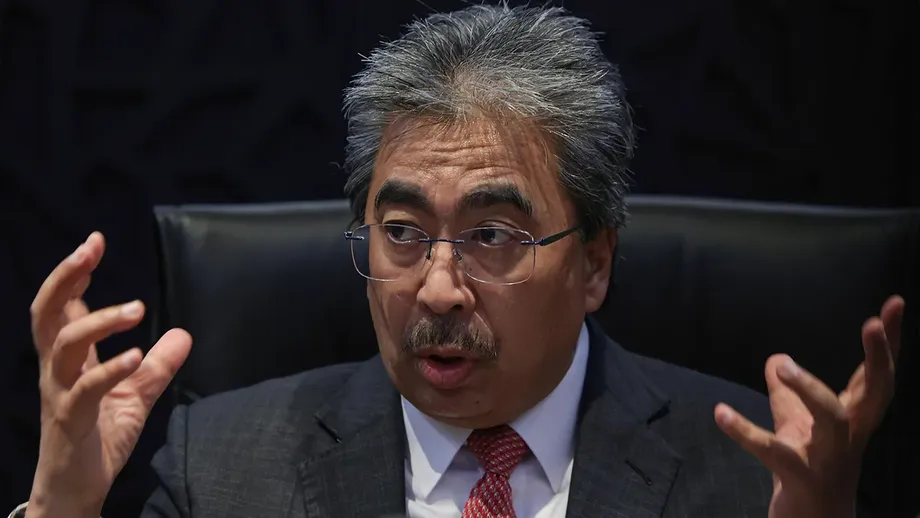
Tengku Zafrul Aziz, a senior political adviser to Anwar and chair of the Malaysian Investment Development Authority, said any government rescue of a private company should protect the business and its workers rather than its shareholders. He was discussing government intervention in general terms in response to questions about AirAsia and described his comments as his personal view.
Zafrul said support for a company considered strategic to the country must be justifiable. The reason for intervention, in his view, would need to rest on the value of keeping the business operating and protecting employees.
Tengku Zafrul Aziz, speaking in his personal capacity about the government's role in commercial activity, stated his general policy preference:
is not to interfere in the commercial sector
Workers, passengers and shareholders have different interests in the outcome. Employees depend on the business for their jobs, passengers depend on its services, and shareholders own the company. Zafrul's position puts the first two concerns at the centre of the case for assistance, while leaving the terms of any actual package to the government.
Airlines Already Have More Time to Pay Fees
The Civil Aviation Authority of Malaysia extended the credit period for aviation fees and charges from 30 days to 60 days starting May 1. Loke said the transport ministry coordinated this relief for airlines as they dealt with high fuel prices.
The change doubled the payment window, giving airlines an extra 30 days before those charges became due. It allowed them to keep cash available for longer while continuing to meet other expenses. The fees still have to be paid.
Loke described the measures as modest. The former transport minister said they were:
not major
He said they nevertheless gave airlines:
some breathing space
The existing fee arrangement shows one form of assistance already in place: easing the timing of payments. A decision on further help would involve a different question, namely whether the government should take on financial exposure to support a private airline.
How Fuel Costs Reach Passengers and Tourism
Loke said the transport ministry was inclined to help because higher fuel costs are passed on to passengers through more expensive tickets. Higher fares can then reduce demand for flights, affecting tourism and the wider economy.
For a traveller, that pressure may mean a more expensive journey or a decision to postpone it. For businesses serving visitors, fewer journeys can mean fewer customers. This is the chain of effects Loke cited in explaining why airline costs matter beyond the companies paying them.
The government therefore faces two connected financial concerns. Airlines need enough money to meet expenses and maintain services, while public funds must be protected when officials consider assistance. AirAsia's large domestic market share gives that balance particular weight.
The Timeline and Political Setting
Loke discussed the review in an interview on Wednesday, a day after resigning as transport minister. He resigned in protest at a High Court decision allowing former prime minister Najib Razak to serve the remainder of his sentence under house arrest over his role in the 1MDB scandal.
Loke's account of the AirAsia discussions drew on Cabinet meetings attended before his departure. The finance ministry remained the department reviewing assistance, with Anwar responsible for deciding any conditions.
The main dates and financing milestones are:
- May 1: The aviation authority extended the payment period for aviation fees and charges from 30 to 60 days.
- June 30: AirAsia's current liabilities stood at RM18.4 billion, equivalent to about US$4.52 billion.
- Last month: The finance ministry said it had made no commitment to guarantees, loans or public fund injections for AirAsia.
- Wednesday: Loke discussed the support review after resigning the previous day.
- December to February: Fernandes expected the US$1 billion fundraising to be completed during this period.
Key Points
- Malaysia's finance ministry is reviewing possible formal support for AirAsia, according to former transport minister Anthony Loke.
- Anwar Ibrahim would decide any conditions; no package or decision date was disclosed.
- AirAsia controls about 60% of Malaysia's domestic aviation market and had RM18.4 billion in current liabilities as of June 30.
- The airline is seeking up to US$1 billion in international debt financing and RM700 million in local credit facilities.
- Airlines already have 60 days rather than 30 days to pay aviation fees and charges under relief introduced on May 1.
- Zafrul said, in his personal view, that any rescue should protect the business and workers rather than shareholders.