Eight Straight Wins Turn an Early Setback Into Gold
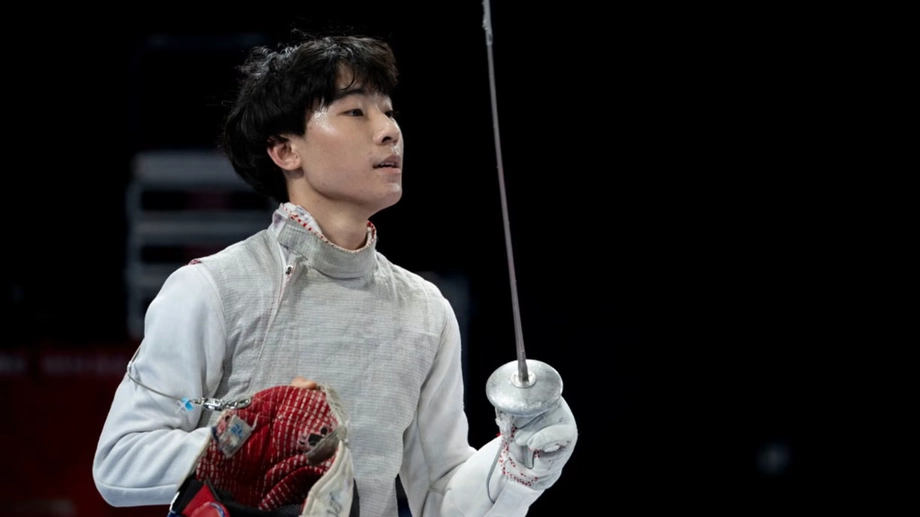
Hong Kong's Harris Ho Shing-him won eight consecutive bouts after losing his opening contest to claim the men's individual foil title at the Dakar 2026 Youth Olympic Games. The 17 year old defeated Japan's Masashi Maeda 15-8 at the Dakar Expo Centre in Diamniadio on Monday, delivering Hong Kong's first Youth Olympic fencing gold and its second gold of these Games.
Contents
- Eight Straight Wins Turn an Early Setback Into Gold
- How Ho Recovered From His Opening Loss
- A Quarterfinal Won With 13 Unanswered Touches
- The Rematch Ho Called His Hardest Bout
- Maeda Meets the Same Score Again
- A Season Linking Cadet and Senior Competition
- What the Gold Adds to Hong Kong's Campaign
- Cyprus Wins a Dramatic Bronze
- Key Points
Ho's toughest obstacle was the opponent who had beaten him at the start of the day. Cyprus's Aris Kiayias won their opening pool encounter 5-2, but Ho reversed that result with a 15-10 semifinal victory before overcoming Maeda in the final.
The Olympic Information Service's official competition account identifies Ho as the event's top seed and confirms that the final completed his eighth successive win. His victory followed an April cadet world championship title and appearances with Hong Kong's senior men's foil team, which won silver at both the world championships and the Asian Games earlier in the year.
Hong Kong had previously won Youth Olympic fencing silvers through Ryan Choi Chun-yin in men's foil in 2014 and Kaylin She Sin-yan in women's epee in 2018. Ho moved that record forward by taking the final step to gold.
How Ho Recovered From His Opening Loss
Kiayias gave Ho an immediate problem in the pool stage, where fencers meet several opponents before their results determine positions in the knockout draw. Ho managed only two touches against the Cypriot, leaving him to rebuild his campaign across five remaining pool bouts.
Ho responded by beating opponents from Denmark, Algeria, Costa Rica, Senegal and Venezuela. He finished with five wins and one defeat, a scoring difference of plus 18 and only nine touches conceded across six contests. His victories included bouts against the Costa Rican and Senegalese fencers in which neither opponent scored.
Those results placed Ho second after the pools and gave him a bye through the round of 16, sending him directly into the quarterfinals. His position after the pools was different from his status before competition: he entered as the top seed in the field of 14, then earned the second position in the knockout draw through his results that day.
Ho was ranked 25th in the world by the International Fencing Federation, known as the FIE. That ranking helped explain his standing at the start, but his recovery depended on winning each remaining bout after Kiayias had exposed an early weakness.
A Quarterfinal Won With 13 Unanswered Touches
Czech fencer Krystof Novak stayed level with Ho at 2-2 early in their quarterfinal. Ho then scored 13 consecutive touches to win 15-2, turning an even opening into his widest victory of the knockout rounds.
A touch is a scoring hit. The shorter pool contests are normally fought to five touches, while individual knockout bouts are normally fought to 15. That change gives fencers more time to adjust their approach, but it also requires them to sustain their execution over a longer contest.
Ho's three knockout victories finished 15-2, 15-10 and 15-8. Together, those scores amount to 45 touches scored and 20 conceded. The quarterfinal supplied the clearest numerical example of his control, while the semifinal demanded the most adjustment.
The Rematch Ho Called His Hardest Bout
Kiayias returned as Ho's semifinal opponent, giving the Hong Kong fencer another meeting with the only athlete to beat him all day. Ho built a 12-4 lead, but the Cypriot reduced the gap and was still competing at 14-10 before Ho scored the winning touch.
Ho, who had not faced Kiayias before these Games, said in remarks carried by the Olympic Information Service's competition account that the earlier defeat shaped his preparation for their second meeting. The Hong Kong gold medallist described the semifinal as his most difficult contest.
The semifinal was the hardest," said Ho.
"I had never fenced against my opponent before (the YOG), so I did not know him very well. We were in the same pool, and I did not fence well against him there.
Ho explained that he had entered the pool bout with little knowledge of his opponent. Before the semifinal, he reconsidered how to fence against him.
Before the semifinal, I thought about how I needed to approach the bout. Fortunately, my plan worked, so I would say that was my toughest match.
The 15-10 result secured Ho a place in the final and completed his recovery against Kiayias. His account places the emphasis on preparation: he had seen the Cypriot's fencing at close range, identified a different approach and put it into practice when a place in the gold medal bout was at stake.
Maeda Meets the Same Score Again
Japan's Masashi Maeda reached the final by defeating Great Britain's Mohammed Belbouab 15-13 in the other semifinal. His meeting with Ho repeated their April cadet world championship semifinal, which Ho had also won 15-8.
In Dakar, Ho held the advantage for much of the final. Maeda drew level at 5-5, but Ho moved ahead again and later stretched the score to 12-7. The Japanese fencer added one more touch before Ho scored three in succession to finish the contest.
Ho reached 15 before the end of the first period. Individual knockout fencing bouts can extend across three periods, so completing the final in the opening period made the speed of his victory another feature of the result.
Maeda, the silver medallist, expressed satisfaction with reaching the podium and acknowledged Ho's strength in remarks carried by the same Olympic Information Service account.
I'm very, very happy to have won the silver medal," he said. "My opponent was very strong. That's why I lost.
The identical 15-8 scores in April and Dakar connected two major results in Ho's season. This time, the victory came in a final and brought a Youth Olympic title rather than a place in the next round.
A Season Linking Cadet and Senior Competition
Ho arrived in Senegal with experience beyond his own age group. After winning the cadet world title in April, he competed in senior events including the world championships, the Asian Games in Nagoya, Asian competition, Grands Prix and World Cups.
Cadet fencing is the category commonly described as under 17, while junior competition is a separate age category. Ho's April title was the cadet championship. His subsequent senior appearances placed him against older and more experienced fencers before he returned to youth competition in Dakar.
Hong Kong's senior men's foil team won world championship and Asian Games silvers with Ho among its members, according to the Olympic Information Service. Those team results added a different kind of pressure to his season, with each fencer contributing to a shared score rather than competing solely for an individual medal.
The main steps in his year show how quickly those experiences accumulated:
- April: Ho won the men's individual foil title at the cadet world championships, beating Maeda 15-8 in the semifinal.
- Later in 2026: He competed at senior level and helped Hong Kong win team silvers at the world championships and Asian Games.
- Monday in Dakar: He recovered from an opening pool defeat to win eight consecutive bouts and the Youth Olympic gold.
The Los Angeles 2028 Olympics provide a possible next major target. No selection decision for those Games was given alongside the Dakar result.
What the Gold Adds to Hong Kong's Campaign
Hong Kong sent 15 athletes to compete in 12 events in Dakar, with Ho the delegation's only fencer. His title joined a gold in the men's combined taijiquan and taijijian wushu event, which brings together routines performed without a weapon and with a straight sword.
The fuller delegation tally stood at two golds, one silver and three bronzes, or six medals. A contemporaneous count listed four medals, also including podium finishes in wushu, table tennis and swimming. Both counts identified Ho's victory as Hong Kong's second gold.
The fencing achievement has a clear place in Hong Kong's Youth Olympic history. Choi's men's foil silver in 2014 and She's women's epee silver in 2018 had established a record of reaching finals. Ho became the first Hong Kong fencer to win one at the Games.
Cyprus Wins a Dramatic Bronze
Kiayias finished his own campaign with a narrow victory over Belbouab in the bronze medal bout. Trailing 14-12, the Cypriot scored three consecutive touches to win 15-14. With both fencers on 14, the final touch decided the medal.
Cyprus had arrived in Dakar with two silver medals from its previous Youth Olympic appearances. By Monday morning, Marina Hadjicosta had won the country's first gold in women's discus, while swimmer Andrew Marcus Laghoutis had collected two bronzes.
Kiayias added another bronze, followed shortly afterwards by Ioanna Konstantinou in women's taekwondo in the category below 49 kilograms. His result therefore contributed to Cyprus's most successful Youth Olympic campaign as well as completing the men's foil podium.
Fencing was scheduled to continue on Tuesday with women's individual epee. Chinese Taipei's Ariel Lin was the top seed, with pool bouts set for 09:00 and the gold medal contest scheduled for 15:30.
Key Points
- Harris Ho defeated Japan's Masashi Maeda 15-8 to win Hong Kong's first Youth Olympic fencing gold.
- The 17 year old lost his opening pool bout, then won eight consecutive contests.
- Ho beat Aris Kiayias 15-10 in the semifinal, reversing his earlier 5-2 defeat.
- His victory followed an April cadet world title and senior team silvers at the world championships and Asian Games.
- Maeda took silver, while Kiayias won bronze with a 15-14 comeback victory over Mohammed Belbouab.
- The title was Hong Kong's second gold of the Dakar Games.