A monster opening on both sides of the Pacific
Godzilla Minus Zero earned an estimated US$31.61 million in North America over November 6–8, taking first place at the box office as its worldwide opening revenue reached US$63 million. In Japan, where the sequel opened on November 3 at 448 theaters, ticket sales passed 1.61 million admissions and 2.5 billion yen during its first six days.
Contents
- A monster opening on both sides of the Pacific
- What records did the sequel break?
- Premium screens supplied most of the revenue
- Japan's six days tell a fuller story
- A release designed to travel quickly
- Godzilla earned more in fewer theaters
- Yamazaki returns to Japan in 1949
- A bigger launch built on an Oscar winner
- Where viewers can catch up
- Key Points
Toho said the result marked the first time a Japanese film had topped the opening weekend charts in Japan and North America simultaneously. The release also brought another first: a Godzilla film produced in Japan reached Japanese and North American theaters in the same week.
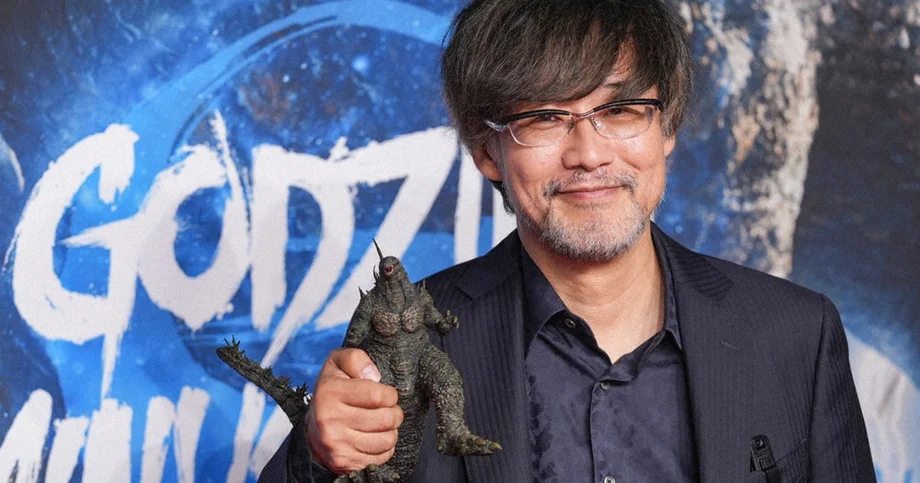
Director Takashi Yamazaki returned after Godzilla Minus One, the 2023 film that won an Academy Award for visual effects. His sequel attracted an unusually large share of its North American revenue from premium screens, with 74% coming from formats that offer features such as larger images and upgraded sound.
The opening set a record for North American distributor GKIDS, more than doubling the US$13 million debut of The Boy and the Heron in 2023. It also surpassed the opening of the Chinese martial arts film Hero, the previous benchmark for a foreign production featuring live action.
What records did the sequel break?
Godzilla Minus Zero opened nearly 2.8 times as strongly as its predecessor in North America. Godzilla Minus One began with US$11,419,975 in December 2023, compared with the sequel's estimated US$31.61 million. The increase amounts to about US$20.19 million, or 177%.
Hero, directed by Zhang Yimou, opened to about US$17.8 million in 2004. The new Godzilla film exceeded that figure by roughly US$13.8 million. The comparison concerns films produced outside the United States and featuring live action, rather than every film with dialogue in a language other than English.
The American production The Passion of the Christ, whose dialogue was largely in Aramaic, opened to US$83.8 million in 2004. Animation has also reached a higher opening than Godzilla Minus Zero: the first Demon Slayer: Kimetsu no Yaiba Infinity Castle film earned US$70.6 million in September 2025. Those historical dollar figures are unadjusted for inflation.
Godzilla Minus Zero's US$31.61 million debut already represents about 55% of the estimated US$57.14 million that Godzilla Minus One earned during its entire United States run. The sequel's opening figure covers both the United States and Canada, so the closer comparison is between the two films' North American opening weekends.
Premium screens supplied most of the revenue
Premium formats generated approximately US$23.39 million of the sequel's North American opening, based on the reported 74% share. IMAX alone contributed US$12 million, around 38% of the regional total.
Worldwide, IMAX screenings brought in US$21.3 million, or about 34% of the US$63 million opening. That set a record for the worldwide IMAX opening of a Japanese film. The North American IMAX figure is included in the global figure, while IMAX is also part of the broader premium format total.
Godzilla Minus Zero is the first Japanese film to receive the Filmed for IMAX designation. The designation identifies a production made through IMAX's filmmaking program, with its presentation planned for that format. Early screenings exclusively in IMAX began on the Tuesday before the wider North American opening.
The figures make premium exhibition a central part of this launch. They measure ticket revenue, however, while the Japanese admissions figures count actual tickets sold. Premium tickets generally cost more, so revenue share and audience share are different measurements.
Japan's six days tell a fuller story
Japan's opening day delivered 590,000 admissions and 910 million yen, approximately US$5.75 million. The release set a domestic opening day revenue record for a film featuring live action, whether Japanese or foreign.
The first Friday through Sunday, November 6–8, added more than 690,000 admissions and 1.1 billion yen, according to figures attributed to Japanese box office tracker Kogyo Tsushinsha. Across November 3–8, the film passed 1.61 million admissions and 2.5 billion yen.
A separate international estimate put Japan's weekend revenue at about US$17 million, while the domestic tally assigned 1.1 billion yen to November 6–8. A reconciliation of those reporting periods and totals was not given. The dated domestic figures provide the more detailed account of the Japanese rollout.
November 3 is Godzilla Day, marking the original film's Japanese release in 1954. Godzilla Minus One also opened in Japan on November 3, in 2023. Keeping that anniversary for the sequel connected a familiar date for Japanese audiences with a much broader international launch.
A release designed to travel quickly
GKIDS and Toho released Godzilla Minus Zero in North America on November 6, three days after its Japanese opening. The film also reached markets in Latin America, Europe, Asia, the Middle East, Australia and New Zealand during the same week.
Koji Ueda, president of Toho Global, described the opening in a company statement as a response to both the character and the filmmaker:
This historic opening shows how deeply audiences around the world connect with Godzilla and with Takashi Yamazaki's vision. Our first near-simultaneous global release was built on that belief.
Toho acquired GKIDS in October 2024. The sequel's release therefore brings the Japanese producer and its North American distributor together within the same corporate group. Additional international release dates were due to be announced later.
The main dates show how closely the launch followed the franchise's anniversary:
- November 3, 1954: The original Godzilla opened in Japan.
- November 3, 2023: Godzilla Minus One opened in Japan.
- March 2024: Godzilla Minus One won the Academy Award for Best Visual Effects.
- October 2024: Toho acquired GKIDS.
- November 3: Godzilla Minus Zero opened at 448 Japanese theaters.
- November 6–8: Its North American opening weekend produced an estimated US$31.61 million.
Godzilla earned more in fewer theaters
The Cat in the Hat, the animated adaptation featuring Bill Hader, opened in second place in North America with US$20.5 million. It played in 4,003 theaters, 749 more than Godzilla Minus Zero, placing the Godzilla release in 3,254 theaters.
Those figures give Godzilla Minus Zero an average of approximately US$9,714 per theater, compared with about US$5,121 for The Cat in the Hat. Godzilla earned roughly 90% more per location. A theater can contain several screens, so these averages describe revenue per venue rather than per individual auditorium.
The weekend also brought a substantial opening for Ramayana: Rise of a Legend. The Hindi language epic earned US$8.7 million in North America and US$32 million in India. Like Godzilla Minus Zero, it reached its home market and North American audiences during the same release period.
Godzilla's lead over The Cat in the Hat was approximately US$11.11 million. Its combination of fewer locations, higher revenue per theater and a large premium format share explains how it finished comfortably ahead of a release playing more widely.
Yamazaki returns to Japan in 1949
Godzilla Minus Zero is set in 1949, two years after the events of Godzilla Minus One, as Japan continues rebuilding after World War II. The story brings back a Godzilla that has regenerated after apparently being defeated and introduces King Ghidorah, a giant creature with three heads.
Ryunosuke Kamiki returns as Koichi Shikishima, alongside Minami Hamabe as Noriko Oishi. Returning cast members also include Hidetaka Yoshioka as Noda, Yuki Yamada as Shiro Mizushima, Kuranosuke Sasaki as Seiji Akitsu, Sakura Ando as Sumiko Ota and Mio Tanaka as Tatsuo Hotta. Min Tanaka plays biologist Kanji Murakami.
Yamazaki again serves as director, screenwriter and visual effects supervisor. Naoki Sato returns as composer, while Shirogumi Inc. handles the visual effects. That keeps the sequel's writing, direction, music and effects closely connected to the team behind its predecessor.
The film continues the Japanese storyline established by Godzilla Minus One. Hollywood's next Godzilla release, Godzilla x Kong: Supernova, was scheduled for March and belongs to a separate series.
A bigger launch built on an Oscar winner
Godzilla Minus One earned more than US$116 million worldwide and became the first Japanese film to win the Academy Award for Best Visual Effects. It was also the first Godzilla film nominated for an Oscar.
The sequel's US$63 million global opening is already more than half of that US$116 million benchmark. Its production budget was reported at less than US$20 million, compared with less than US$15 million for Godzilla Minus One.
Box office revenue is the money paid for cinema tickets. Cinemas retain part of that money, and releasing a film also involves marketing and distribution expenses. The production budget covers making the movie, so a profitability calculation would require more financial detail.
Audience and critical responses were positive at opening. Godzilla Minus Zero had a 90% score on Rotten Tomatoes and an A CinemaScore after premiering at the New York Film Festival the previous month. Rotten Tomatoes measures the share of reviews judged positive, while CinemaScore surveys audiences attending opening night screenings.
The opening establishes a much larger starting audience than the previous film reached. Its next commercial test is how much business it retains after the initial rush, particularly as competing releases seek the same premium screens.
Where viewers can catch up
Godzilla Minus One and its monochrome version, Godzilla Minus One/Minus Color, are available on Netflix in many markets. In Japan, both stream exclusively on Amazon Prime Video. North American viewers can also rent or buy the films digitally through several platforms.
Yamazaki's next work also extends beyond the Japanese Godzilla series. Sony Pictures moved his first English language film, Grandgear, from February 18, 2028, to January 14, 2028.
Key Points
- Godzilla Minus Zero opened with an estimated US$31.61 million in North America and US$63 million worldwide.
- Toho said it was the first Japanese film to lead the opening weekend charts in Japan and North America simultaneously.
- Japan recorded more than 1.61 million admissions and 2.5 billion yen during the first six days.
- Premium formats supplied 74% of North American revenue. Worldwide IMAX revenue reached US$21.3 million.
- The sequel opened nearly 2.8 times as strongly as Godzilla Minus One in North America.
- Takashi Yamazaki returned as director, screenwriter and visual effects supervisor for the story set in 1949.