Two More Months of Tariff Relief, With 10% Still in Place
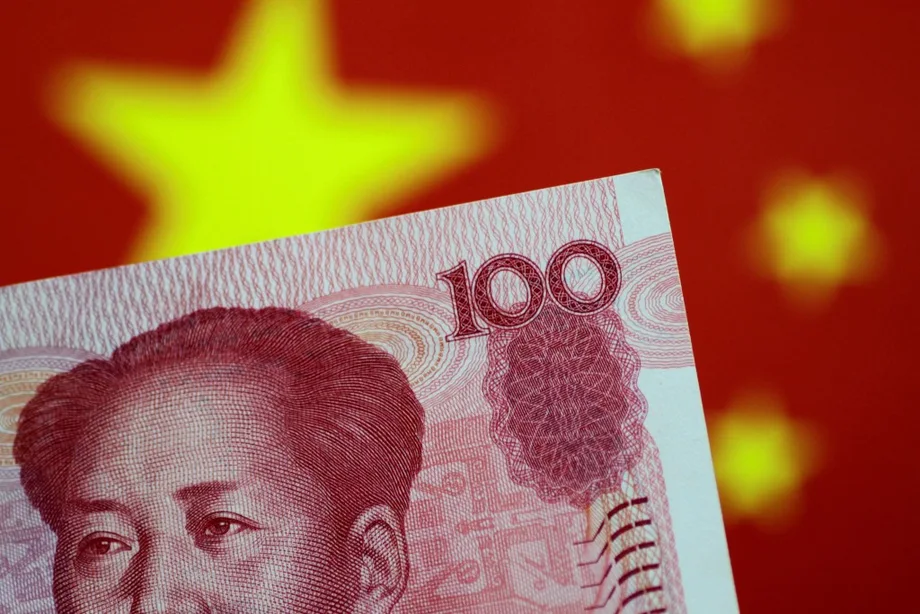
China will keep an additional 24% tariff on goods originating in the United States suspended for another two months from 1:01 p.m. on November 10, 2026, while retaining an additional 10% tariff. The decision extends a temporary trade arrangement as Beijing and Washington continue negotiations over tariffs, shipping restrictions and export controls.
Contents
- Two More Months of Tariff Relief, With 10% Still in Place
- What Importers Will Continue to Pay
- Why Washington's Next Tariff Move Matters
- Shipping Fees and an Industry Investigation Stay on Hold
- Washington Extends Exclusions and an Export Rule Pause
- How the Arrangement Reached This Point
- A Proposed $60 Billion Package Is Still Being Negotiated
- Recent Talks Show What Each Side Wants Delivered
- Key Points
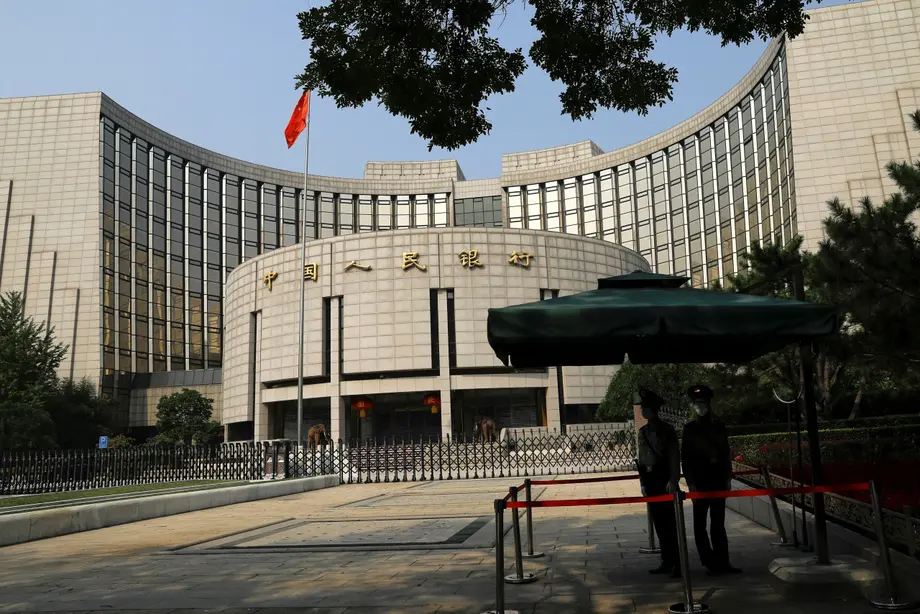
The Customs Tariff Commission of the State Council announced the extension on Monday, November 9, with approval from the State Council, China's cabinet. The measure adjusts the additional tariffs covered by the commission's Announcement No. 4 of 2025. Beijing cited the outcomes agreed by the two countries' leaders at their September meeting in Washington.
The tariff pause is part of a wider set of extensions reaching into January 2027. China is also keeping special port fees on vessels linked to the United States suspended, while Washington has extended selected tariff exclusions and pauses affecting maritime industries and export controls.
For businesses, the immediate change is continuity: a suspended charge stays suspended rather than returning as the previous arrangement expires. The additional 10% tariff remains a cost for affected imports, and China has said it may adjust its response depending on subsequent American measures.
What Importers Will Continue to Pay
The commission's decision concerns goods originating in the United States and the additional tariff measures in its 2025 announcement. It cites China's Tariff Law, Customs Law and Foreign Trade Law, together with basic principles of international law, as the legal basis for the adjustment.
A tariff is a tax charged when goods enter a country. The importer pays it at the border, although the cost can also affect the prices charged to customers or the amount a supplier is willing to accept. Keeping a tariff suspended helps buyers and sellers calculate those costs when arranging shipments.
The two additional rates at issue total 34 percentage points: 24 points remain suspended and 10 remain in force. For an illustrative shipment with a customs value of $100, those components would mean a $10 additional charge while the suspension applies, compared with $34 if both components were collected. Any other applicable duties would enter the calculation separately.
China's latest decision therefore preserves the existing treatment for this part of the tariff schedule. It gives importers another two months under the same arrangement rather than introducing a fresh reduction from the rate currently being collected.
Why Washington's Next Tariff Move Matters
The Office of the Customs Tariff Commission connected China's decision to possible changes in the legal basis for American tariffs. It said Beijing had noted repeated US statements about replacing tariffs imposed under the International Emergency Economic Powers Act, known as IEEPA, after those tariffs were held invalid by judicial rulings.
IEEPA is an American law granting economic powers in response to declared national emergencies. Section 301 is a different part of US trade law, used to respond to foreign trade practices that Washington considers unfair. Moving from one legal authority to another could change how the United States applies its trade measures.
The commission's office said China was watching that possible shift and described how it would respond:
China will "closely follow subsequent measures taken by the US side and will, as appropriate, adjust relevant tariff countermeasures in light of developments," it added.
For companies placing orders now, that statement puts American tariff decisions alongside the January deadlines as something to watch. Beijing has tied its next steps to what Washington actually does, while keeping the current suspension in place during further discussions.
Shipping Fees and an Industry Investigation Stay on Hold
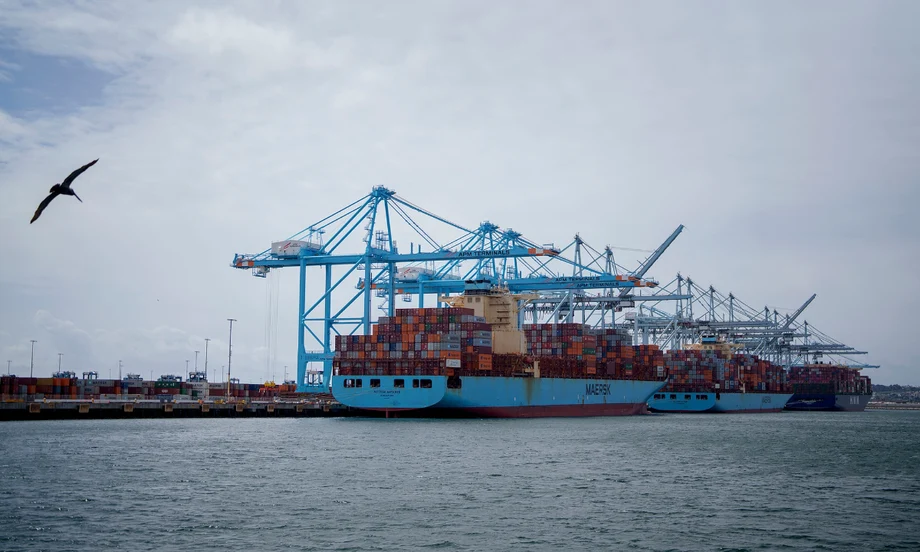
China's Ministry of Transport announced that the suspension of special port fees on vessels linked to the United States would continue for another two months, until January 10, 2027. It is also continuing to suspend the launch of an investigation into the effects on the security and development interests of China's shipping, shipbuilding and related industrial supply chains.
Port fees and tariffs affect different parts of the same journey. A tariff is charged on imported goods; a special port fee applies to a vessel using a port. A company moving cargo can therefore face changes in both the cost of its merchandise and the cost of transporting it.
The shipping measures extend the practical reach of the agreement beyond customs paperwork. Ship operators can continue planning port calls without the suspended Chinese charge, while cargo owners retain the current tariff treatment for the affected American goods.
The United States has also prolonged its suspension of measures targeting China's maritime, logistics and shipbuilding sectors. Together, the shipping decisions keep another area of the trade dispute on hold while negotiations continue.
Washington Extends Exclusions and an Export Rule Pause
The Office of the US Trade Representative issued notices extending 178 exclusions from Section 301 tariffs on Chinese goods. A tariff exclusion gives specified products an exception from a particular additional duty. For an importer, the product's eligibility for that exception can make a direct difference to the bill at customs.
The American extensions also cover the suspension of measures aimed at China's maritime, logistics and shipbuilding industries, carrying those arrangements into January 2027.
The US Commerce Department's Bureau of Industry and Security separately extended the suspension of a rule that would broaden export controls to affiliates of certain listed entities. The extension runs through January 10, 2027, under a final rule effective November 9.
Export controls regulate which goods and technologies can be sold abroad and to whom. Extending restrictions to affiliated businesses would widen the group of companies affected by those rules. Continuing the suspension delays that expansion while the two governments discuss the wider trade relationship.
The measures connect with the broader technology and trade truce taking shape in October 2025, when tariff disputes and restrictions on technology transfers were already being negotiated together. The latest extensions again cover both the movement of goods and the rules governing access to technology.
How the Arrangement Reached This Point
The current extension follows more than a year of agreements and consultations. The original pause emerged from economic and trade talks in Kuala Lumpur, Malaysia, in October 2025. China then announced in November 2025 that it would suspend the additional 24% tariff for one year while retaining the additional 10% rate.
The main steps show how the two governments moved from that arrangement to the latest extension:
- October 2025: China and the United States reached agreement on a range of trade issues during talks in Kuala Lumpur.
- November 2025: China announced a year of suspension for the additional 24% tariff, keeping the additional 10% tariff.
- September 20 to 23, 2026: The eighth round of economic and trade consultations took place in New York and Washington. The two sides agreed to extend the broader Kuala Lumpur arrangements until January 10, 2027.
- September 28, 2026: China's Ministry of Commerce said the extension would allow both sides to assess implementation and continue discussions.
- November 6, 2026: Senior Chinese and American economic officials held a video call about trade commitments and concerns.
- November 9 and 10, 2026: China announced the latest tariff extension, taking effect the following afternoon.
The Ministry of Commerce said in September that combining a limited extension with continued talks would give businesses a relatively stable and predictable policy environment. It also expressed confidence that senior economic officials could work toward a further extension before the end of the year.
A Proposed $60 Billion Package Is Still Being Negotiated
After the September Washington summit, the two sides proposed a package of reciprocal tariff cuts covering $60 billion. Reciprocal cuts mean that each country would reduce tariffs as part of an agreed exchange.
The proposal included roughly $17 billion worth of American agricultural goods that China imported in 2024. That figure describes the value of the farm goods, rather than the amount of tax that would be removed. The $60 billion figure likewise concerns the proposed package's coverage, not a cash payment between the governments.
The package has not been finalized. The next stated diplomatic window is further engagement between senior economic officials before the end of 2026, followed by the January 2027 expiry dates for the extended arrangements.
For farmers and agricultural traders, the issue is concrete: a lower tariff can change the price a Chinese buyer pays for an American shipment. The decision announced on November 9 keeps the current suspension operating while the larger proposal remains under discussion.
Recent Talks Show What Each Side Wants Delivered
Chinese Vice Premier He Lifeng held a video call on November 6 with US Treasury Secretary Scott Bessent and US Trade Representative Jamieson Greer. The conversation addressed implementation of leaders' agreements and economic and trade issues of concern to both sides.
China described the exchanges as candid, detailed and constructive, while expressing serious concern about recent American trade restrictions. The Chinese account said the two sides agreed to strengthen cooperation and manage their differences.
The US Treasury Department's account placed the focus on China's full and immediate implementation of commitments made in Busan. Bessent said continued progress would depend on concrete results and that Washington would closely assess China's implementation.
Greer focused on agricultural purchases, rare earths and other critical minerals. Those priorities connect purchases of American goods with access to materials used in manufacturing. They help explain why the negotiations cover more than tariff percentages: the two governments are also seeking reliable deliveries and action on earlier commitments.
China's tariff extension keeps one part of the relationship steady while those demands are discussed. The immediate outcome for businesses is another short period under the existing rules, with negotiations continuing over whether a wider and longer agreement can follow.
Key Points
- China will suspend its additional 24% tariff on US goods for another two months from 1:01 p.m. on November 10, 2026.
- The additional 10% tariff remains in place under the measures covered by the announcement.
- China's special port fees on vessels linked to the United States and its shipping investigation remain suspended until January 10, 2027.
- Washington has extended 178 tariff exclusions, maritime measures and a pause on an export control rule.
- A proposed $60 billion package of reciprocal tariff cuts has not been finalized.
- Further senior economic engagement is expected before the end of 2026, ahead of the January deadlines.