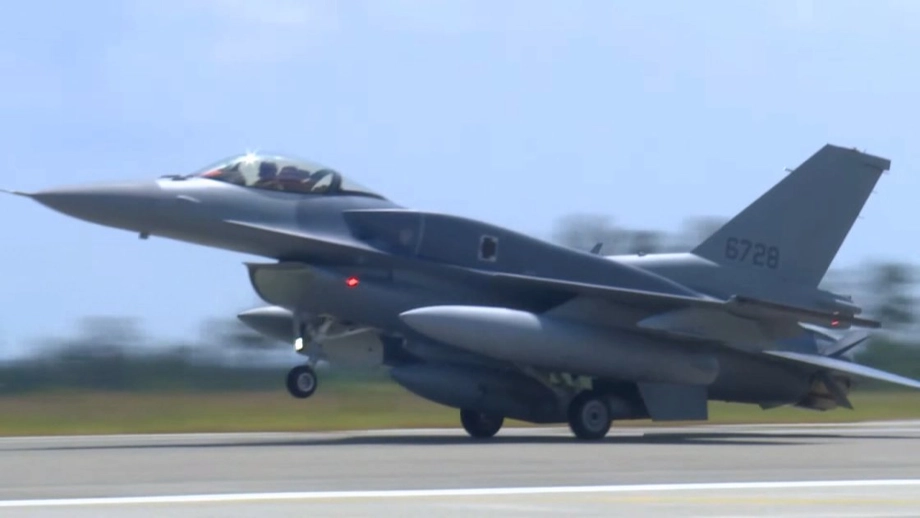
Three new fighters arrive at Taitung
Taiwan has received a second batch of three new F-16V Block 70 fighters at Zhihang Air Base in Taitung, bringing the number delivered under its purchase of 66 aircraft to five. The aircraft, numbered 6729, 6731 and 6732, landed at about 11 a.m. and will join training intended to bring the new fleet into operational service.
Contents
The second delivery is dated November 8, 2026, in the detailed delivery chronology, although October 20 is also given for the arrival of the same three aircraft. The aircraft numbers, destination and approximate landing time are consistent across the accounts.
Taiwan's Air Force Command said the delivery followed the arrival of the first two aircraft on October 2. It said cooperation with the American program office and related departments had established a stable production and delivery process. The next step is for units to receive the aircraft and conduct training, gradually reaching initial operational capability.
That term means a unit has reached the point where it can begin carrying out its assigned missions. For the crews and ground personnel at Zhihang, the immediate work involves turning newly delivered aircraft into a force they can operate, maintain and support.
The purchase, known as the Fengxiang project, has a budget of NT$247.22883 billion across 2020 to 2026. Five arrivals represent about 7.6 percent of the planned 66 aircraft, leaving 61 still to reach Taiwan under the order. The second batch is therefore a concrete advance in a much larger delivery program.
What has arrived, and what comes next?
All three aircraft in the latest batch are single seat fighters. They follow two other single seat aircraft, numbered 6727 and 6728, which reached Zhihang on October 2. The new aircraft are designated F-16C/D Block 70 and are commonly called F-16V, with the V referring to Viper.
The purchase covers newly built aircraft. The Block 70 designation identifies the version being acquired, while the individual aircraft numbers allow each airframe to be tracked through delivery and service.
The main milestones in the procurement and delivery sequence are:
- 2020 to 2026: The budget period for the Fengxiang project to purchase 66 new fighters.
- October 2, 2026: Aircraft 6727 and 6728 arrive at Zhihang Air Base as the first batch.
- November 8, 2026: The detailed delivery chronology places the arrival of aircraft 6729, 6731 and 6732 at about 11 a.m., subject to the date discrepancy described above.
- After delivery: The Seventh Tactical Fighter Wing conducts training as the fleet works toward initial operational capability.
The purchase originally called for all 66 aircraft to be delivered in 2026, but deliveries have experienced delays. No revised date for completing the order or achieving initial operational capability was given in the announcement. The Air Force's statement about a stable production and delivery process sets out its assessment of progress, while the five aircraft now in Taiwan show how much of the order has arrived.
A Pacific journey ending at Zhihang
The three fighters reached Taiwan after a transfer route through Texas, Hawaii and Guam. Their final flight began in Guam on the morning of their arrival and ended with successive landings at Zhihang.
Moving fighters across the Pacific requires several stages. The route described for this delivery connects departure and stopover locations before the final leg to Taiwan, where the aircraft pass into the receiving unit's training program.
Aviation enthusiasts gathered outside the base with cameras and long lenses to watch the landings. Small Taiwanese flags were visible in the cockpits. One spectator, identified by the surname Huang, had travelled from Kaohsiung specifically to see the delivery.
The aircraft will be received by the Seventh Tactical Fighter Wing. Once the full order has arrived, all 66 are intended to be stationed at Zhihang, giving the base a central role in operating Taiwan's new fighter fleet.
Why the eastern deployment matters
Taitung faces the Pacific, placing Zhihang on the side of Taiwan closest to waters where Chinese aircraft carriers have been operating. The planned concentration of the new fighters there connects the purchase directly to Taiwan's eastern air defence responsibilities.
Lin Ying-yu, an associate professor at Tamkang University's Graduate Institute of International Affairs and Strategic Studies, pointed to Chinese carrier activity in the western Pacific when discussing the deployment. He said that, even when Chinese military aircraft were making fewer flights east of Taiwan, carrier movements remained relevant to the island's defence planning.
Lin also identified the F-16V's radar and other equipment as tools that could help Taiwan gain an advantage in future aerial combat. Radar helps a pilot detect and follow objects beyond what can be seen through the cockpit, making it a central part of understanding the surrounding airspace.
The operational change at Zhihang will depend on the aircraft arriving and the personnel becoming ready to use them. The Air Force's stated sequence begins with receiving the fighters and training the unit, then progresses toward initial operational capability.
The pilots behind the delivery
Pilots were seen making a gesture representing the number 21 after landing. The gesture was associated with the 21st Tactical Fighter Squadron at Chiayi, a unit also known by its Chinese nickname, Zhengqi, and involved in training pilots to transition to F-16 aircraft.
Transition training teaches pilots to operate a particular aircraft type. Even an experienced military pilot must learn the controls, systems, procedures and handling of the aircraft they are assigned to fly. The squadron's training role gives the number 21 a connection to the people preparing Taiwan's F-16 crews.
Chen Yi-tzu, a female Air Force pilot, was identified in unconfirmed accounts as the pilot of aircraft 6731. The Air Force had not confirmed that assignment. Chen had previously attracted public attention through her participation in Lunar New Year readiness exercises.
The delivery brought public attention to the pilots, but the receiving effort also involves the personnel who will inspect, service and support the aircraft at Zhihang. Their work forms part of the unit's preparation for operational missions.
Training support extends to 2032
A separate American military contract will provide maintenance and spare parts support for Taiwan's Air Force mission training centers through 2032. The centers covered are at Chiayi, Hualien and Taitung, linking support for training facilities across three bases.
Mission training centers allow aircrews to rehearse tasks and procedures. Keeping their equipment working and supplying replacement parts helps those centers remain available as pilots develop and maintain their skills.
The support contract is reported as worth 490 million, although the currency is not specified in the contract details described publicly. Its stated duration extends six years beyond the fighter purchase's original 2026 delivery target, showing that support for training is planned to continue well beyond the arrival period.
Wang Ting-yu, a Democratic Progressive Party legislator, said the contract would benefit cooperation between Taiwan's military and the United States, as well as improvements in military training. He also described it as a sign of closer security cooperation between Taiwan and the United States.
The contract covers training centers at three locations, while the newly purchased fighters are planned for Zhihang. For personnel at those centers, the practical benefit is continued maintenance and access to spare parts for the equipment used to prepare aircrews.
A larger fleet still taking shape
The latest delivery increases the number of new aircraft in Taiwan from two to five. The batch of three is larger than the first batch of two, but most of the order remains outstanding: 61 aircraft, or about 92.4 percent of the planned fleet.
Taiwan's next steps run along two tracks. The aircraft already at Zhihang enter the receiving and training process, while production and delivery arrangements must bring the remaining fighters to Taiwan. A larger number of aircraft at the base will give the receiving unit more of its planned fleet to work with.
The Air Force has placed initial operational capability at the end of the immediate training process. That makes readiness, alongside the pace of deliveries, the next concrete milestone for a purchase intended to give Zhihang a fleet of 66 new fighters.
Key Points
- Three new F-16V Block 70 fighters, numbered 6729, 6731 and 6732, have arrived at Zhihang Air Base in Taitung.
- The delivery brings the number received to five out of an order for 66 aircraft.
- The detailed chronology dates the second arrival to November 8, 2026, while October 20 also appears as the date for the same delivery.
- The Fengxiang project has a budget of NT$247.22883 billion across 2020 to 2026.
- The Seventh Tactical Fighter Wing will conduct receiving and operational training, with all 66 aircraft intended for Zhihang.
- Support for mission training centers at Chiayi, Hualien and Taitung is scheduled to continue through 2032.
- No revised completion date for the aircraft deliveries or date for initial operational capability was announced.