A prison sentence becomes a diplomatic dispute
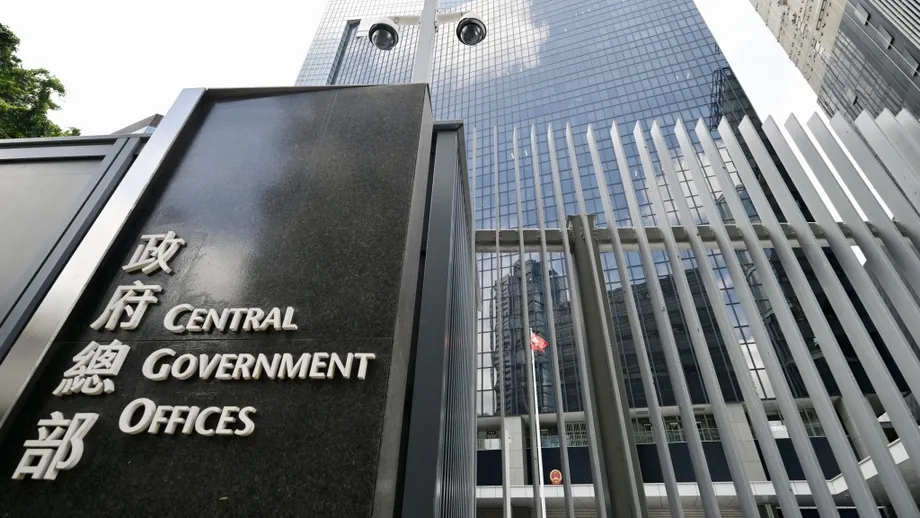
Hong Kong's government on November 7, 2026, rejected criticism from ten countries over a 10-year prison sentence imposed on democracy campaigner Joshua Wong, saying their joint statement interfered with judicial independence. The governments had called for an immediate end to prosecutions they described as unjust and accused the authorities of using national security legislation against political expression and participation.
Contents
- A prison sentence becomes a diplomatic dispute
- What the latest case concerns
- How the dispute developed
- Hong Kong defends the court's independence
- What the ten governments challenged
- Why the 1984 agreement is part of the argument
- National security and the treatment of political activity
- Europe and Britain add their objections
- Taiwan points to Wong's years in custody
- Key Points
The Hong Kong High Court sentenced Wong on November 5 for conspiracy to collude with foreign countries or external elements to endanger national security. Wong, also known as Wong Chi-fung, had pleaded guilty. He was already serving four years and eight months in a separate case involving an unofficial primary election for Hong Kong's legislature.
The United States, United Kingdom, France, Germany, Japan, Italy, Australia, Canada, the Netherlands and New Zealand issued their joint statement on November 6 through the US Department of State's Office of the Spokesperson. Their intervention also addressed convictions of leaders of the Hong Kong Alliance under the National Security Law, broadening the dispute beyond Wong's sentence.
Hong Kong's administration said the court had acted independently, followed legal procedures and based its decision on facts and sufficient evidence. The ten governments argued that the prosecutions threatened freedoms protected by Hong Kong's international commitments. Their competing positions put the treatment of political campaigning, the authority of the courts and China's sovereignty at the centre of another diplomatic confrontation.
What the latest case concerns
Wong's conviction concerns efforts to obtain foreign sanctions or other restrictions against Beijing between July and late November 2020. Prosecutors accused him of working with other campaigners, including former lawmaker Nathan Law, to encourage governments and organisations overseas to take action against Chinese and Hong Kong officials.
Sanctions are restrictions imposed by a government against a country, organisation or individual. The case placed appeals for those restrictions at the centre of a national security prosecution. Hong Kong's government described Wong's conduct as a criminal conspiracy involving foreign countries or external elements.
Wong's September guilty plea moved the case toward sentencing rather than a full trial over the allegations. The offence carried a maximum punishment of life imprisonment. At that stage, the court had not announced a sentencing date or indicated the punishment it would impose.
The 10-year sentence now gives Wong a further prison term while he remains in custody under the earlier judgment. The accounts of the November decision do not specify how the new sentence will run alongside his existing term or give a revised release date.
How the dispute developed
The latest confrontation followed a sequence of court proceedings and diplomatic responses. Wong's plea in September was followed by sentencing in November, criticism from foreign governments and a formal rebuttal from Hong Kong.
- September 2026: Wong pleaded guilty to conspiracy to collude with foreign countries or external elements to endanger national security.
- November 5: The Hong Kong High Court sentenced him to 10 years in prison. The European External Action Service also criticised the judgment that day.
- November 6: Ten governments issued their joint statement concerning Wong's sentence and convictions of Hong Kong Alliance leaders.
- November 7: Hong Kong's government rejected the joint statement. Taiwan's Mainland Affairs Council Minister Chiu Chui-cheng also spoke out about Wong's imprisonment.
The sequence matters for Wong personally because the latest punishment follows a separate conviction under the same national security framework. For Hong Kong's administration, the foreign responses became a dispute over whether other governments were improperly challenging the city's courts.
Hong Kong defends the court's independence
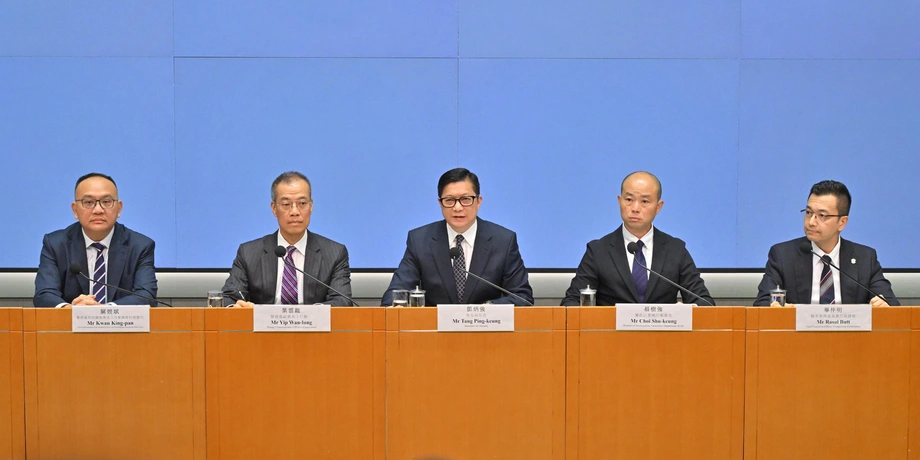
A Hong Kong government spokesperson said Wong had admitted the offence and that the court reached its sentencing decision independently and impartially. The administration accused the ten governments of disregarding facts, misrepresenting the National Security Law and interfering with Hong Kong affairs, which it described as China's internal affairs.
The spokesperson said the government had a constitutional duty to protect national security and enforce the law. Explaining the administration's position, the spokesperson stated:
Hong Kong is a society underpinned by the rule of law. The HKSAR Government has been consistently fulfilling its constitutional duty to safeguard national security in accordance with the law, upholding the principles that laws must be observed and strictly enforced to bring offenders to account.
The government said everyone was equal before the law, regardless of political views or background. Its argument was that Wong's political profile did not change the legal responsibility arising from his admitted conduct.
The spokesperson also rejected the description of criminal proceedings as an attack on civic activity. Addressing the foreign governments' characterisation of the cases, the spokesperson said:
Attempting to distort criminal judgments handed down in accordance with the law into actions targeting 'political expression' or 'political participation' is purely political manipulation deliberately intended to confuse the public and distort right and wrong,
What the ten governments challenged
The ten signatories focused on the use of national security legislation against people engaged in political expression and participation. They expressed concern over Wong's sentence following an additional charge under the law and the convictions of Hong Kong Alliance leaders.
Their call for an immediate end to prosecutions they considered unjust was directed at both Beijing and Hong Kong. They urged the authorities to protect fundamental rights and freedoms and fulfil international obligations, specifically referring to the 1984 Sino-British Joint Declaration.
The joint statement, dated November 6, 2026, read in full:
Joshua Wong was sentenced to 10 years' imprisonment following a further charge under the National Security Law (NSL). This comes just months after leaders of the Hong Kong Alliance were convicted under the same legislation. These are further examples of how the NSL is being used to target individuals for political expression and participation. We call for an immediate end to all unjust prosecutions of individuals charged under the NSL and urge the authorities in China and Hong Kong to uphold their international commitments and honor the rights and freedoms guaranteed to the people of Hong Kong under the Sino-British Joint Declaration (1984).
The disagreement therefore reaches beyond the length of Wong's prison term. Hong Kong's administration presents the proceedings as the lawful punishment of conduct threatening national security. The ten governments view the cases as part of restrictions on political activity and expression.
Japan's participation placed an Asian government alongside partners in Europe, North America and the Pacific. The statement brought together ten national governments, while the European Union's diplomatic service and Taiwan voiced criticism through their own responses.
Why the 1984 agreement is part of the argument
The Sino-British Joint Declaration established the framework for Hong Kong's transfer from British to Chinese sovereignty in 1997. It provided for the preservation of Hong Kong's existing social and economic systems and rights under the principle of one country, two systems.
That principle means Hong Kong is part of China while retaining a distinct system in areas including its laws and economy. By invoking the declaration, the ten governments connected the latest convictions to commitments made about the city's future before the transfer of sovereignty.
Hong Kong's government also reaffirmed its commitment to one country, two systems. It said fundamental rights and freedoms were protected by China's Constitution, Hong Kong's Basic Law and national security legislation, while insisting that those rights must be exercised within legal limits.
The Basic Law is Hong Kong's constitutional document. The administration's position is that rights protections operate alongside a duty to safeguard national security. The foreign governments argue that the way the security law is being used conflicts with the protection of political expression and participation.
National security and the treatment of political activity
The National Security Law, introduced in June 2020, supplies the legal basis for Wong's latest conviction. His case concerns international lobbying after the law took effect, making the timing and purpose of those activities central to the prosecution.
Hong Kong's government said protecting national security was an inherent right of sovereign states, recognised by international law, the United Nations Charter and international practice. It pointed to national security laws in countries including the United States and United Kingdom, as well as prosecutions involving foreign interference and people acting as unregistered foreign agents.
The administration accused Western governments of applying double standards when they criticised Hong Kong's legal system while maintaining extensive security frameworks themselves. It said political pressure would not change its determination to enforce the law.
For people engaged in political campaigning, Wong's case shows the concrete legal consequences attached to seeking foreign pressure under Hong Kong's security framework. Activity directed at governments overseas has resulted in a criminal conviction and a decade in prison, alongside the continuing diplomatic argument about protected freedoms.
Europe and Britain add their objections
The European External Action Service said on November 5 that it deeply regretted what it described as a politically motivated judgment. It argued that the case reflected a worsening state of the rule of law and further damaged Hong Kong's international reputation.
A spokesperson for the United Kingdom's Foreign Office also said Wong's sentence demonstrated the use of the National Security Law against people for political expression and participation. Britain subsequently joined the ten governments' statement issued the following day.
Hong Kong's administration rejected that interpretation. Its response placed the independence of the sentencing court and Wong's guilty plea at the centre of its defence, while the European and British statements focused on the nature of the activity being punished.
Taiwan points to Wong's years in custody
Taiwan's Mainland Affairs Council Minister Chiu Chui-cheng said on November 7 that Taiwan would continue to follow and support Hong Kong democracy activists, alongside other democratic partners. He called on Beijing and the Hong Kong government to restore residents' freedom, democracy, human rights and rule of law.
Chiu said Wong had spent more than 2,000 days in detention since 2020 and had previously received prison sentences totalling more than four years. His remarks drew attention to the accumulated time Wong had already spent in custody before the latest punishment.
Chiu also argued that restrictions imposed through Hong Kong's national security laws harmed the city's image and reputation as an international financial centre. Hong Kong's government maintained that enforcing those laws fulfilled its constitutional responsibilities and said outside pressure would not alter its course.
Key Points
- The Hong Kong High Court sentenced Joshua Wong to 10 years in prison on November 5, 2026, after his guilty plea to conspiracy to commit foreign collusion.
- Wong was already serving four years and eight months in a separate case involving an unofficial legislative primary election.
- Ten governments criticised his sentence and convictions of Hong Kong Alliance leaders in a joint statement issued on November 6.
- Hong Kong rejected the criticism on November 7, defending judicial independence and its duty to protect national security.
- The foreign governments cited political freedoms and commitments under the 1984 Sino-British Joint Declaration.
- The European Union's diplomatic service and Taiwan also criticised Wong's treatment.