A Final Deadline for a Familiar Taipei Music Stop
Rose and Tachung Classical Hall, the last physical shop operating under the combined Rose and Tachung record store name in Taiwan, will close on November 30, 2026. The store near Taipei Main Station announced the decision on November 5, ending the physical retail presence of a business that had 52 shops across Taiwan after its two founding chains joined forces in 2002.
Contents
- A Final Deadline for a Familiar Taipei Music Stop
- From Two Shops to a Network of 52
- A Timeline of Expansion and Retreat
- How Record Purchases Became a Music Chart
- A Specialist Shop Survived the Broader Retreat
- What Changed When Music Moved Online?
- Listeners Remember Weekly Visits and Decades of Purchases
- What Customers Need to Do Before November 30
- Key Points
The shop is offering a 15% discount throughout the store until its final day. Customers who have ordered recordings but have not collected them have been asked to visit before the closure. For those buyers, November 30 is both a farewell date and a deadline to pick up purchases.
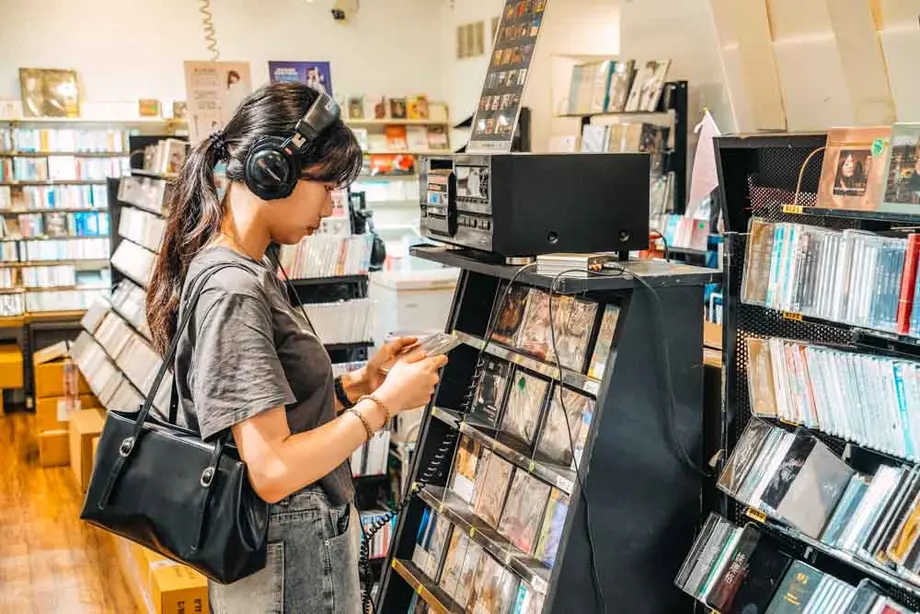
The closing branch specializes in classical music, jazz and vinyl records from Taiwan and overseas. Popular music sales have largely moved to the company's online shopping channel, leaving the Classical Hall as the remaining place where customers could browse its recordings in person.
Rose and Tachung's history reaches beyond album purchases. Its shops were places to visit after school, check sales rankings, search for imported recordings and queue for singers' autograph events. The announcement prompted listeners to recall decades of visits, including their first encounters with classical music.
The store's farewell message thanked customers for their support. In an English translation of its Chinese announcement, the store said:
Every gathering must come to an end. We sincerely wish every music lover peace, health and that all goes well. Thank you, everyone. Until we meet again.
From Two Shops to a Network of 52
Rose Records opened its first shop in Taipei's Gongguan district in 1987. Tachung Records followed in 1988 at the Tondy department store in Tainan. Both expanded as CDs became a major way for listeners to buy and keep music.
In June 2002, the two chains integrated their operations to establish G-Music, bringing together physical record shops, record company connections and online resources. The combined network had 52 stores, and revenue in 2002 reached NT$3 billion.
Those figures show the scale of the business behind the farewell. A network that once offered dozens of places to buy recordings across Taiwan has narrowed to a single specialist shop awaiting closure. The change also traces the company's shift from a business built around store visits toward sales through the internet.
The NT$3 billion figure belongs to 2002. No current revenue figure, store profit figure or detailed financial explanation for the Classical Hall's closure was given in the announcement. The wider change described across the company's history is the shrinking market for physical recordings as digital music and streaming became more popular.
A Timeline of Expansion and Retreat
The November closure follows nearly four decades of changes in how the chains sold music. Several dates mark the move from expanding shop networks to an online channel and a remaining specialist outlet.
- 1987: Rose Records opens its first shop in Taipei's Gongguan district.
- 1988: Tachung Records starts at the Tondy department store in Tainan.
- 1992: The American chain Tower Records enters Taiwan, adding to the choices available to record buyers.
- June 2002: Rose and Tachung integrate to form G-Music, with 52 physical shops across Taiwan.
- 2003: The g-music sales chart launches using sales information from the two chains.
- September 30, 2016: The Rose Records outlet at Taichung New Era closes, described at the time as the last physical Rose Records store.
- November 5, 2026: Rose and Tachung Classical Hall announces its closure.
- November 30, 2026: The Taipei Classical Hall is scheduled to hold its final day of business.
The 2016 closure concerned the Rose Records outlet in Taichung. The current announcement identifies Taipei's Classical Hall as the last physical shop under the combined Rose and Tachung name. The two milestones concern differently named retail operations within the chains' history.
How Record Purchases Became a Music Chart
G-Music's influence extended beyond its shelves. In 2003, it introduced the g-music chart, using record sales from Rose and Tachung outlets to rank albums. Computerized transaction systems collected purchase information as sales took place.
A sales chart turns individual purchases into a ranked list. When customers bought an album through the participating channels, those transactions contributed to its position. Fans followed the rankings to see how their favorite singers were doing, making the stores part of the public conversation around popular releases.
The connection between shops and rankings gave browsing another purpose. Customers could look at which albums were selling, compare releases and decide what to buy during the same visit. Recollections shared after the closure announcement included stopping at record shops after school specifically to check the charts and buy CDs.
The closure announcement concerns the Classical Hall's physical premises. It gives no decision about the future of the g-music chart or the company's online operation, so those services have no announced closing date in this notice.
A Specialist Shop Survived the Broader Retreat
The Classical Hall's selection helps explain why its departure matters to a particular group of listeners. The shop carried classical recordings, jazz and vinyl, while popular music purchases were mainly directed online. Its role had become more specialized than that of the broad record chains remembered from their busiest years.
Classical music buyers often look for a particular performance as well as a particular composition. Two recordings can contain the same symphony but feature different orchestras, conductors or soloists. Choosing between them means comparing interpretations of the same music, much as readers might choose between different translations of a book.
Taipei's record shopping culture included that kind of comparison. During the 1990s, listeners moved between shops to seek imported albums and different recorded versions. Gongguan had Rose, Universe City and other record retailers, including a specialist classical CD shop. Ximending also drew music buyers, with Tower Records entering Taiwan in 1992.
The remaining Classical Hall carried part of that browsing tradition into a period dominated by digital listening. Customers responding to the announcement thanked the shop for helping them discover classical music and for continuing to serve people who wanted physical recordings.
What Changed When Music Moved Online?
Rose Records had already been shifting toward an online sales channel when its Taichung New Era outlet closed in September 2016. Other Rose branches had shut earlier, leaving Taichung as the last physical Rose Records outlet described at that time.
Buying a CD online and listening through a streaming service are two different changes for a record shop. An online buyer can still purchase a physical album, but the transaction no longer requires a visit. A streaming listener can choose music through an internet service without buying a separate recording of each album.
Both changes reduced the place of the shop in everyday music consumption. Rose and Tachung's retreat took place as physical recording sales contracted and digital platforms became more prominent. Its surviving specialist store offered a narrower selection than the popular music outlets that once drew large crowds.
The Taichung branch also shows what disappeared alongside the sales counter. It had been a popular venue for autograph sessions and meetings between singers and fans. Closing such a location removed a place for those gatherings as well as a place to purchase albums.
Listeners Remember Weekly Visits and Decades of Purchases
Customers responding to the Taipei announcement described routines that lasted far longer than a single album release. One recalled knowing the Xuchang Street Rose shop from 1996 and going every week. Another remembered visiting record stores around Taipei Main Station after school, checking rankings and rushing to buy albums.
One customer said Rose, Tachung and the combined business had accompanied them for 28 years, from their first year at university, and accounted for about 70% of their CD collection. Other comments described Taipei as losing a place they considered essential to every visit.
Those memories connect different stages of the business: the expanding chains, the crowded popular music shops and the specialist Classical Hall. For some listeners, the same retail names remained part of their lives while their musical interests and ways of listening changed.
The farewell also drew thanks for the store's persistence. Customers recognized the difficulty of keeping a physical music shop open and recalled the listening experiences and discoveries it had made possible. Their response was as much about losing a familiar destination as losing access to recordings.
What Customers Need to Do Before November 30
The store's immediate message is practical: its 15% discount continues through the final trading day, November 30, and customers with uncollected orders should come to the shop before it closes. Buyers waiting for recordings have a fixed date to work toward.
For Taipei, the closure ends the physical shop presence of the combined Rose and Tachung business. A name once associated with 52 stores, album rankings and crowded artist appearances will no longer have a retail counter where customers can browse its selection in person.
Key Points
- Rose and Tachung Classical Hall near Taipei Main Station will close on November 30, 2026.
- The shop announced the decision on November 5 and is offering a 15% discount until its final day.
- Customers with uncollected orders have been asked to visit before the closure.
- Rose and Tachung joined forces in June 2002, with 52 stores and revenue of NT$3 billion that year.
- The g-music chart launched in 2003 using the chains' record sales.
- The remaining Taipei shop specializes in classical music, jazz and vinyl.