Tokyo run ends after a comeback and a close defeat
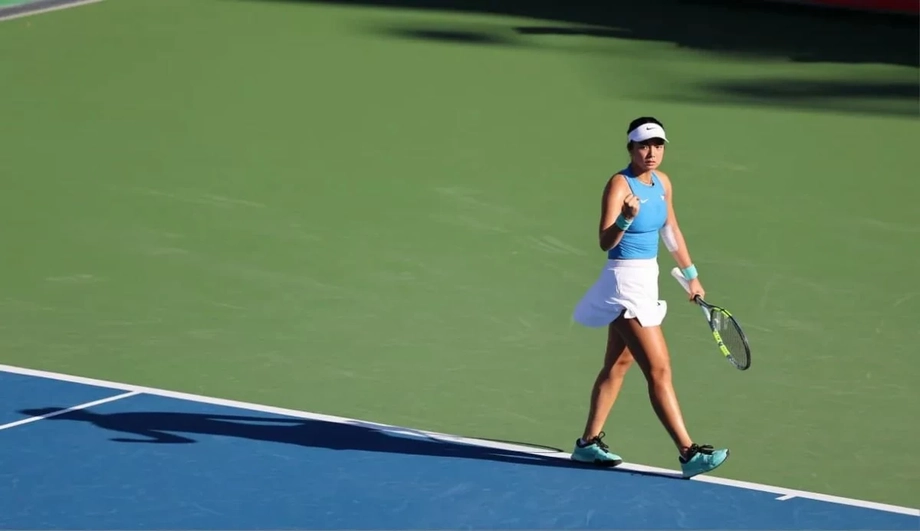
Alex Eala turned a difficult start against Talia Gibson into her first quarterfinal appearance of the Asian swing, then came within two points of beating Diana Shnaider before her Tokyo campaign ended on Friday. The world No. 19 from the Philippines lost to the Russian third seed 6-2, 6-7 (5-7), 4-6 after two hours and 52 minutes at the 2026 Toray Pan Pacific Open.
Contents
- Tokyo run ends after a comeback and a close defeat
- Gibson takes advantage of the opening chances
- Nine aces help Eala turn the match
- Small decisions explain the turnaround
- Shnaider rematch brings a different challenge
- Two points change the quarterfinal
- Shnaider praises Eala's level
- Filipino support follows Eala's progress
- From Tokyo to Hong Kong
- Key Points
Eala, seeded eighth at the WTA 500 tournament at Ariake Coliseum, took the opening set against Shnaider and reached 5-5 in the second set tiebreak. A double fault followed by a Shnaider ace sent the match into a deciding set, where Eala received treatment for her right ankle and continued playing.
The defeat followed Wednesday's 4-6, 6-2, 6-0 victory over Australia's Gibson, a match in which Eala struck nine aces and broke serve six times. Across those two matches, she showed both her ability to recover from a losing position and how narrow the difference can be against a higher ranked opponent.
Eala earned $33,475, approximately 2.1 million Philippine pesos, for reaching the last eight. Her next scheduled tournament was the WTA 250 Hong Kong Tennis Open, beginning on November 2.
Gibson takes advantage of the opening chances
Gibson, ranked No. 38, arrived in the second round after beating Daria Kasatkina 6-0, 7-5. Eala had also advanced comfortably, defeating Britain's Mika Stojsavljevic 6-1, 6-2 on Monday.
Wednesday's meeting began much more evenly. Both players held serve through the first seven games before Gibson broke Eala to move ahead 5-3. A break means winning a game in which the opponent serves, often a valuable advantage because the server controls the first shot.
Eala immediately broke back, drawing a series of forehand errors from Gibson. The recovery kept the set alive, but she could not protect her next service game. Consecutive shots into the net gave Gibson set point, and a forehand that caught the net cord and dropped onto Eala's side completed the Australian's 6-4 opening set.
Eala had created chances without taking control. Gibson's serve was difficult to handle early in the match, leaving the Filipina needing to improve both her return game and her decisions at important points.
Nine aces help Eala turn the match
Eala began the second set by breaking Gibson, then held serve for a 2-0 lead. Gibson remained close at 2-3, but Eala eventually broke again to go ahead 5-2 and saved a break point while serving out the set.
The deciding set was far less balanced. Eala carried her momentum into a 5-0 lead during a run of eight consecutive games stretching back into the second set. Gibson continued resisting in the last game, saving a match point and forcing repeated deuces, but Eala completed the victory in one hour and 53 minutes.
Eala won 12 of the final 14 games after losing the opening set. Her nine aces, serves that Gibson could not touch, provided points without a rally. Her six breaks showed how much better she had become at challenging the Australian's service games.
The third set score of 6-0 meant Gibson did not win a game in that set, although the extended final game showed that closing the match still required Eala to work through resistance.
Small decisions explain the turnaround
Eala, 21, described her improvement against Gibson as a process rather than a sudden change. Speaking after the victory, the Filipina said individual decisions at closely contested points had helped her raise her level.
"Maybe just a couple of small details that when accumulated make a big difference," she said.
Eala pointed to moments at 30-all and deuce, scores at which a single point can move a player close to winning a game or facing a break point. Choosing to attack at those moments helped her turn competitive games in her favour.
Eala summed up how those decisions added together:
Those little details when all summed up, that's the difference.
Her explanation fitted the match's progression. She had opportunities in the opening set, began converting more of them in the second and controlled the third. Staying competitive long enough to make those adjustments was central to the comeback.
Shnaider rematch brings a different challenge
Shnaider, ranked No. 13, reached the quarterfinals by beating Belarusian Aliaksandra Sasnovich in three sets. Her meeting with Eala came eight days after their round of 16 contest at the Ningbo Open, where the Russian had won 7-5, 6-4.
Eala made the stronger start in Tokyo. After Shnaider held in the opening game, Eala faced three break points in her first service game but escaped by winning five consecutive points. She then broke Shnaider twice and built a 5-1 lead.
Shnaider held to make it 5-2, but Eala served out the opening set 6-2 in 36 minutes. Eala won 11 points returning Shnaider's first serve during that set, compared with five first serve return points won by Shnaider.
Those figures help explain Eala's early control. Returning a first serve effectively gives the receiver a chance to enter the rally rather than allowing the server an immediate advantage. Eala repeatedly turned those opportunities into pressure on Shnaider's service games.
Two points change the quarterfinal
The second set contained no breaks of serve, though both players had opportunities. Eala saved break points in the fourth and eighth games. Shnaider survived four break points during a ninth game that stretched through six deuces, holding for a 5-4 lead.
Eala would have been able to serve for the match had she converted one of those chances. Instead, both players continued holding until 6-6, sending the set to a tiebreak, which uses individual points to settle a level set.
Eala recovered from 2-4 in the tiebreak to reach 5-5. She then double faulted, missing both serves and giving Shnaider the point. The Russian followed with an ace to win the tiebreak 7-5 and level the match.
Shnaider secured her first break of the match in the third game of the deciding set, then held for 3-1. Eala held to reduce the gap to 2-3 before taking a medical timeout for treatment on her right ankle. The precise diagnosis was not announced.
Eala continued holding serve and stayed within reach at 4-5. Shnaider faced another late challenge while serving for the match but finished with an ace. One break of serve in the deciding set was enough to separate them.
Shnaider praises Eala's level
Shnaider, the Russian third seed, said afterward that the quality of the quarterfinal had pushed her close to defeat.
"Honestly, I feel like this match deserved to be a final. It was an insane level of tennis from both of us. I didn't believe I would be able to pull off that win because she played incredibly well," the Russian said.
Shnaider credited her persistence during the tight second set and the deciding stages. Her victory followed a different pattern from Ningbo: there she won in straight sets, while in Tokyo she needed to recover from losing the opener.
Eala's week also followed two contrasting patterns. Against Gibson, she grew stronger after dropping the first set. Against Shnaider, she established an early lead but could not secure the second set despite creating chances on return.
Shnaider advanced to a semifinal against Slovakia's Pohankova. Eala finished with two victories and a quarterfinal defeat after spending a combined four hours and 45 minutes on court against Gibson and Shnaider.
Filipino support follows Eala's progress
Filipino supporters waving flags backed Eala during the tournament. After beating Gibson, she acknowledged their presence and said the crowd helped create an atmosphere that kept her involved in the contest.
Of course the support helps a lot all the time," said Eala. "It creates a great atmosphere and I think there was a bit of back and forth within the crowd.
Eala's Tokyo quarterfinal was her deepest result of the Asian swing, following round of 16 finishes in Singapore and Ningbo and an opening round exit in Wuhan. Winning against Stojsavljevic and Gibson gave her consecutive victories before the Shnaider rematch.
Her season had already included the DC Open title in August, when she became the first player from the Philippines to win a women's WTA Tour title. She also won the Birmingham WTA 125 event, reached the Berlin semifinals and advanced to the round of 16 at Wimbledon.
The different tournament labels reflect different levels of competition. Tokyo's WTA 500 event sits above the WTA 250 category of her next scheduled stop in Hong Kong. Birmingham's WTA 125 title came on a separate tier below those main tour categories.
From Tokyo to Hong Kong
Eala was expected to return to her career best ranking of No. 18 after Tokyo. That projection would move her one place above the No. 19 ranking she held during the tournament.
Hong Kong, scheduled to begin on November 2, was listed as her final tournament of the season. Her right ankle would be a practical concern heading into that event after the treatment she needed during the deciding set against Shnaider.
Eala's Tokyo campaign unfolded across three matches:
- Monday: Beat Mika Stojsavljevic 6-1, 6-2 in the opening round.
- Wednesday: Recovered to beat Talia Gibson 4-6, 6-2, 6-0 in one hour and 53 minutes.
- Friday: Lost to Diana Shnaider 6-2, 6-7 (5-7), 4-6 in two hours and 52 minutes.
- November 2: Scheduled start of the Hong Kong Tennis Open, Eala's next event.
Tokyo gave Eala a better result than her preceding Asian tournaments and a closer contest against Shnaider than their meeting in Ningbo. The remaining task was to recover physically and carry that level into the final scheduled stop of her season.
Key Points
- Eala reached the Tokyo quarterfinals by defeating Stojsavljevic and Gibson.
- She hit nine aces and broke serve six times in her comeback victory over Gibson.
- Shnaider beat Eala in three sets after winning the second set tiebreak 7-5.
- Eala received treatment for her right ankle during the deciding set.
- She earned $33,475 and was expected to return to No. 18 in the rankings.
- Her next scheduled event was the Hong Kong Tennis Open, beginning November 2.