Security warning reaches banks, ministries and Parliament
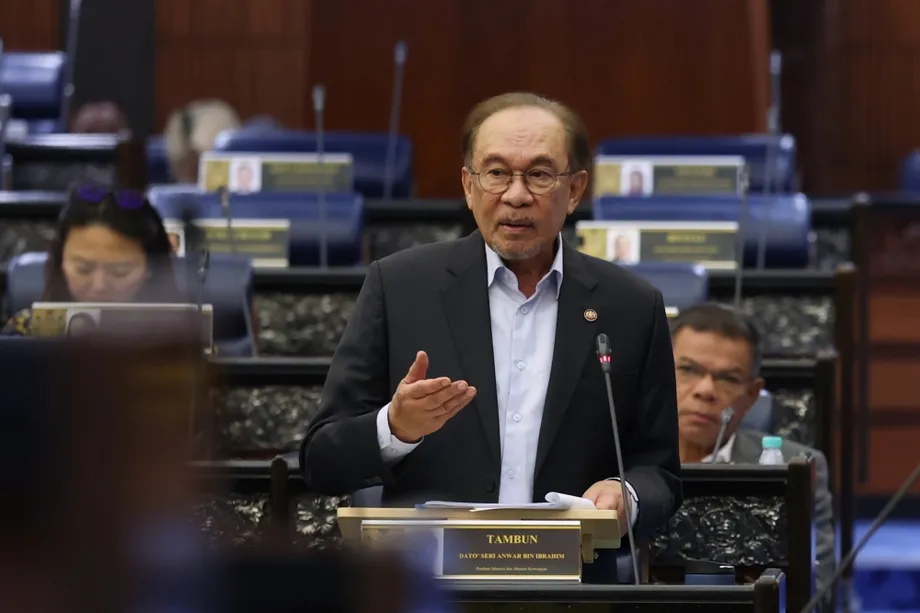
KUALA LUMPUR, Nov 3: Malaysia is preparing government departments, financial institutions and essential services for possible cyberattacks after Prime Minister Datuk Seri Anwar Ibrahim told Parliament that intelligence assessments placed the country among potential targets.
Contents
- Security warning reaches banks, ministries and Parliament
- What prompted the preparations?
- What happens next?
- Why Malaysia's digital growth matters
- The overseas incidents behind the warning
- Protecting food, power, transport and finance
- Conflicts abroad could affect Malaysian supplies
- Intelligence concerns and Malaysia's foreign policy
- What Malaysians are being asked to do
- Key Points
Bank Negara Malaysia governor Datuk Seri Abdul Rasheed Ghaffour is to convene financial institutions, while Chief Secretary to the Government Tan Sri Shamsul Azri Abu Bakar will meet government departments. The preparations follow a special National Security Council meeting on Nov 2 that examined digital threats alongside conflicts abroad and risks to food, water and energy supplies.
Anwar linked Malaysia's exposure to its expanding digital infrastructure and its positions on Palestine and Gaza. Responding to Datuk Seri Dr Ronald Kiandee, the opposition MP for Beluran, he said some intelligence could be discussed only in a proposed closed briefing for lawmakers.
Anwar, who is also the MP for Tambun, described Malaysia's position during Prime Minister's Question Time:
"Malaysia is certainly among those considered a target," he said.
The prime minister did not identify suspected attackers, particular Malaysian targets or the precise nature and extent of the threat. His immediate message to the public was to remain calm, stay alert and promptly report digital intrusions or disruptions.
What prompted the preparations?
The National Security Council, known in Malay as MKN, reviewed existing crisis response arrangements, cooperation between ministries and the readiness of security forces at its Nov 2 meeting. Anwar said he received further information that afternoon and again from the Home Minister on the morning of his parliamentary statement.
Government concerns extend beyond attacks on computers. The council also considered disinformation, sabotage of essential infrastructure and interruptions to supply chains. Such threats are often described as hybrid threats because they can combine digital interference, physical disruption and efforts to mislead people.
Anwar said responsibilities and information sharing needed to be clearer so agencies could respond together without duplicating work or delaying decisions. The Chief of Defence Force and the Inspector-General of Police had given him assurances about preparedness.
The prime minister also said the previous day's discussion had not required an emergency meeting. He described a situation being monitored daily, with departments instructed to continue their duties while strengthening coordination and readiness.
What happens next?
Shamsul Azri's meeting is intended to bring together ministry secretaries-general, directors-general and relevant departments. Their tasks include reviewing security arrangements and ensuring adequate food supplies and uninterrupted water and energy services.
Anwar's question time remarks placed that meeting on the afternoon of Nov 3; his broader preparedness statement scheduled it for the following day. The central bank governor's separate session was announced for Nov 3.
The sequence of announced actions is:
- Nov 2: The National Security Council held a special assessment of threats, coordination and national readiness.
- Nov 3: Anwar informed Parliament and announced meetings involving government departments and financial institutions.
- Nov 3 or the following day: The Chief Secretary was scheduled to meet senior government officials.
- Within one or two days of the statement: Anwar proposed a closed MKN briefing for all MPs, subject to agreement from both sides of Parliament.
Ronald had asked whether intelligence identified Malaysia as a target and how serious the threat was. The proposed briefing would give government and opposition lawmakers access to information that Anwar said could not all be disclosed in an open sitting.
Why Malaysia's digital growth matters
Malaysia's effort to become a regional digital hub is central to Anwar's warning. His administration is seeking investment in artificial intelligence, data centres and related infrastructure as part of its push towards an economy with higher incomes.
Google and Nvidia are among the technology companies investing in Malaysia. Investment commitments described in connection with the expansion amount to an estimated RM20 billion for digital infrastructure and data centres, alongside billions of ringgit in government tax incentives intended to attract investors.
Data centres house the computers that store information and run digital services. As more businesses and public services depend on them, keeping those facilities, their communications links and their electricity supplies working becomes part of protecting everyday economic activity.
Anwar said Malaysia's digital and data centre capabilities could rival those in Europe, citing the latest figures without setting out a measurement in his remarks. He argued that this growing strategic value could also attract more sophisticated external threats.
The government's response therefore connects investment policy with security planning. The same infrastructure intended to support economic growth needs protection from service interruptions, theft of information and interference with the systems on which customers depend.
The overseas incidents behind the warning
Anwar pointed to attacks and disruptions affecting public administration in Belgium, Denmark, the United States and Japan. He used those examples to explain why Malaysia should take threats abroad seriously.
The incidents cited included the shutdown of Belgium's national tax portal following a cyberattack and a breach of Denmark's central population register involving identification records for nearly nine million people. A population register stores information used to identify people and administer public services.
In the United States, the Federal Election Commission's electronic filing system was reported to have been disrupted for 41 hours ahead of elections. That amounts to one day and 17 hours without normal operation of a system used to submit financial disclosures related to election campaigns.
A breach of Japanese government networks reportedly exposed personal records involving more than 100,000 police personnel and affected police duties in several districts. These examples span two practical problems: losing access to a service and losing control of sensitive information.
Anwar introduced his warning to lawmakers by referring to the impact of events overseas:
"Do not assume these threats are far removed from us," he said.
Protecting food, power, transport and finance
Energy, telecommunications, transport, finance and food supplies are among the sectors identified for stronger protection. Water services also form part of the government's planning for continuity during a crisis.
Critical infrastructure means the facilities and systems people rely on for essential daily needs. A disruption can travel beyond the organisation first affected: interrupted communications can prevent services from operating, while transport problems can hold up deliveries.
Food refrigeration provides a concrete example of how digital interference can reach physical goods. Cyberattacks were reported to have affected refrigerator and freezer cooling systems at supermarket chains in Sweden, Belgium and Luxembourg on the Monday before the statement. Rising storage temperatures led some premises to withdraw food from sale because of safety concerns.
The government is seeking regular exercises and simulations so agencies can practise responding before a real disruption. Other measures include specialist training, better equipment and appropriate technology for crisis management and security agencies, including the police and armed forces.
Anwar outlined stronger coordination, readiness for threats from within and outside Malaysia, protection of strategic infrastructure, public preparedness and improved agency capabilities. Together, those priorities connect technical protection with practical decisions about who acts, who shares information and how essential services continue.
Conflicts abroad could affect Malaysian supplies
Yemen and the Red Sea are also under government scrutiny because instability there can threaten Malaysian seafarers and nationals, trade routes, energy supplies and international logistics. Ships and cargo passing through troubled routes can face risks that eventually reach businesses and households far away.
The National Security Council's discussion also covered possible nuclear escalation involving Iran and political developments in Europe that could affect administrative systems. These were concerns examined as part of wider contingency planning.
Anwar explained the connection between overseas crises and Malaysia's interests in his parliamentary remarks:
"We are still monitoring other developments. They involve the tensions in the Middle East, developments in Yemen and the Red Sea, and security threats occurring in Europe. These show that crises abroad can also affect the safety of our people, our economic stability and our national interests," he said.
Malaysian diplomatic missions are monitoring developments and working with local authorities on the safety of citizens abroad. Anwar advised Malaysians overseas to follow current developments and comply with safety instructions issued by authorities where they are staying.
Intelligence concerns and Malaysia's foreign policy
Malaysia's stance on Palestine and Gaza was another factor Anwar said could draw hostile attention. He described those positions as controversial in some countries, particularly in Europe and the United States.
Anwar also raised concerns about foreign intelligence organisations operating in neighbouring countries, including Israeli intelligence. He referred to Israeli communities in Phuket and southern Thailand, which he described as settlements, while explaining potential threats identified by Malaysian intelligence agencies.
Those concerns formed part of his wider argument for closer security coordination. His proposed parliamentary briefing would allow MPs from both political sides to hear the latest assessment directly from the MKN director-general.
The prime minister sought cooperation from government and opposition lawmakers to make time for that session within one or two days. Agreement between the two sides was a condition of the proposal.
What Malaysians are being asked to do
Anwar urged people to remain calm while reporting information about digital or technology intrusions and disruptions promptly. He said panic would weaken the country's ability to respond and explained that the government had chosen to inform Parliament so the public would understand the concern.
Household preparedness is also part of the government's approach. Anwar referred to advice in European Union countries, Canada and Japan for residents to maintain food supplies sufficient for three to 10 days amid international uncertainty. He also said people in some Asian cities had begun storing food.
The Malaysian measures he outlined include public education, crisis management training and basic household emergency preparedness guidance. He said the government had drawn lessons from the EU Preparedness Union Strategy, including the need for ministries, security agencies, businesses and communities to work together.
For households and businesses, the concrete focus is continuity: keeping food, water, energy, communications and financial services available during disruption. The announced meetings are intended to turn that objective into coordinated responsibilities across the organisations that provide those services.
Key Points
- Anwar said intelligence assessments placed Malaysia among potential cyberattack targets.
- A special National Security Council meeting on Nov 2 reviewed threats and crisis readiness.
- The Chief Secretary and Bank Negara governor are to hold separate preparedness meetings.
- Protection priorities include energy, communications, transport, finance, food and water services.
- Anwar linked exposure to Malaysia's growing digital infrastructure and positions on Palestine and Gaza.
- A closed briefing for all MPs was proposed within one or two days, subject to bipartisan agreement.
- Malaysians were urged to stay calm, remain alert and promptly report digital intrusions or disruptions.