A 134 day showcase with a lasting promise
Thailand opened the Udon Thani International Horticultural Expo 2026 on November 2 with a target of more than 3.6 million visitors, a forecast of over 20 billion baht in economic activity and a promise to turn its wetland venue into a permanent public and agricultural learning space.
Contents
- A 134 day showcase with a lasting promise
- Plants, water and people shape the exhibition
- What visitors will find across six zones
- How the government expects spending to reach communities
- Shuttle shortages put visitor services in focus
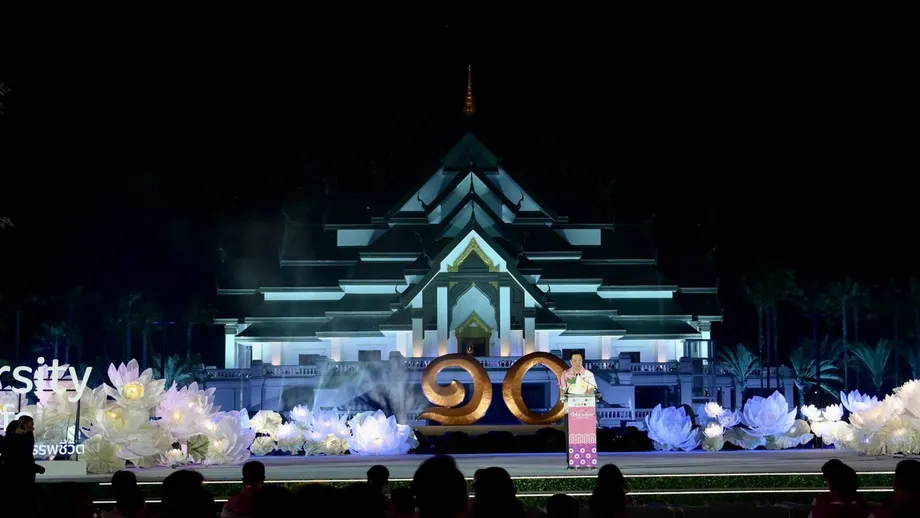
- A storm interrupts the opening celebrations
- What the BCG model means here
- Isan culture is built into the grounds
- What happens after March 2027
- Key Points
Prime Minister and Interior Minister Anutin Charnvirakul presided over the opening at 6.20 p.m. in Mueang Udon Thani district. The exhibition had begun welcoming visitors on November 1 and runs through March 14, 2027, a total of 134 days.
The programme brings together 32 international gardens, more than 50 gardens displaying distinctive plants, and over one million flowering and ornamental plants rotated throughout the event. General admission costs 199 baht, with the grounds open daily from 8 a.m. to 8 p.m.
Anutin presented the exhibition as a meeting place for farmers, researchers and businesses, linking better agricultural production with conservation and tourism. His central promise was that the investment would keep serving local communities after the gardens close to expo visitors.
The opening also brought immediate operational concerns. Insufficient shuttle services and too few waiting areas were reported, while strong wind and rain disrupted parts of the evening programme. With expenditure reported at more than 2.7 billion baht, practical questions about visitor comfort sit alongside the government's much larger economic ambitions.
Plants, water and people shape the exhibition
The expo's full theme is Diversity of Life: Connecting People, Water and Plants for Sustainable Living. Its setting at Nong Dae Wetland in Kut Sa subdistrict makes water part of the exhibition itself, rather than simply a backdrop to flower displays.
Organisers describe the event as the world's first international horticultural expo held on a wetland. Horticulture means growing and studying plants such as fruit, vegetables, flowers and ornamental trees. Here, the programme connects that work with protecting plant species, caring for wetlands and adapting agriculture to a changing climate.
Agriculture and Cooperatives Minister Suriya Juangroongruangkit put the exhibition area at more than 1,030 rai, about 164.8 hectares. Another description puts the wider venue at nearly 2,000 rai, approximately 320 hectares, with water covering an estimated 60 to 70 percent. The boundary used for each area figure was not explained.
Anutin's opening remarks linked the conservation theme to a practical farming objective: using technology to produce better crops and increase their value. The intended connection is between what visitors see in the gardens, what researchers can share and what farmers can use in their businesses.
What visitors will find across six zones
Agriculture permanent secretary Rapheephat Chantarasriwong outlined an exhibition combining international gardens, Thai institutional gardens, scientific displays, local commerce and architecture inspired by northeastern Thailand. The 32 international gardens represent participation from 17 countries and two international organisations, with 16 gardens outdoors and 16 indoors.
Another 16 gardens come from Thai public agencies and private organisations. More than 50 plant display gardens feature distinctive and rare specimens, including giant kapok trees, date palms, variegated baobabs, olives and shaped trees from China. The million flowering and ornamental plants will be rotated across the exhibition period, changing the displays over time.
The six main zones cover the entrance and ticket facilities; display gardens and principal buildings; international gardens; indoor exhibitions; outdoor academic exhibitions; and provincial plants, bamboo gardens and nursery areas. Indoor facilities include spaces for orchids, shade plants and desert plants such as cacti.
The programme also includes 16 exhibitions, divided equally between indoor and outdoor displays, seven categories of plant competitions, and national and international academic meetings. Outdoor exhibits address fruit production, agricultural technology, orchids, lotuses and carbon credits. Wetland conservation technologies give the environmental theme a practical place within the show.
How the government expects spending to reach communities
Suriya said the expo was expected to generate more than 20 billion baht in economic activity through tourism, employment and business opportunities. Organisers have set a visitor target of more than 3.6 million over the full exhibition period.
Using 3.6 million as a benchmark, the attendance target works out to roughly 26,900 visits a day across 134 days. That gives a sense of the scale of transport, entry and visitor services needed throughout the event, beyond the opening ceremony.
Anutin identified farmers, small businesses, hotels, restaurants, transport operators and other service businesses as intended beneficiaries. Their opportunities differ: farmers may find buyers or production knowledge, while hotels and restaurants depend more directly on people travelling to Udon Thani and spending locally.
A waterfront community market provides a more immediate route for local participation. Its 50 shops rotate food, agricultural goods and community products, putting local sellers inside the visitor experience. The market also promotes less plastic use and waste sorting.
Deputy Governor Natthaphon Withi described a provincial ambition extending beyond the expo: attracting tourism, trade, investment and the meetings and exhibitions industry. For Udon Thani, the exhibition is therefore both a seasonal attraction and an attempt to build demand for future visits and events.
Shuttle shortages put visitor services in focus
Reports from the opening described too few shuttle vehicles and limited waiting areas. Those problems affect how easily visitors can move around a large venue, especially when weather interrupts outdoor activities.
The reported expenditure of more than 2.7 billion baht has increased expectations that the exhibition should be ready to receive crowds and provide value for public spending. The visitor target adds a concrete measure of the task: services must support sustained daily attendance for more than four months.
Transport and waiting facilities also matter to local commerce. Visitors who can move comfortably between gardens, exhibitions and the waterfront market have more opportunity to reach the businesses the government wants to support. The opening difficulties make routine operations an early test of the expo's economic plans.
A storm interrupts the opening celebrations
Strong winds and repeated flashes of lightning accompanied Anutin's speech, followed by light rain after his opening remarks. The planned evening entertainment included cultural performances, light and sound displays, and drones forming images associated with Udon Thani and the exhibition.
Drone formations featuring the event's symbols were reported during the opening, while another account said rain and wind forced cancellations affecting parts of the performance and drone programme. The full extent of the programme completed was unclear.
Anutin, Thailand's prime minister and interior minister, used the weather for a joke about promises he had made. He said rain would benefit the plants, then explained why the lightning concerned him:
The only thing I'm afraid of is the lightning. I've made so many vows, and the one I made them to is around here too.
The ceremony brought together Thai cabinet members, diplomats, the agriculture minister of Laos and representatives of the International Association of Horticultural Producers, known as AIPH. The association has endorsed the exhibition.
What the BCG model means here
Anutin linked the expo to Thailand's Bio-Circular-Green economic model, usually shortened to BCG. The three parts describe using biological resources to create value, keeping materials in use for longer and reducing damage to the environment.
At the exhibition, those ideas connect several activities that might otherwise look separate. Plant research and cultivation relate to the bioeconomy. Waste sorting and reduced plastic use relate to keeping resources in circulation. Wetland protection and efforts to reduce greenhouse gas emissions relate to the green economy.
Department of Agriculture deputy director general Sasanya Pantun said preparations included resource and waste management under ISO 20121, an international standard for managing events with attention to sustainability. Organisers also cited ESG, meaning environmental, social and governance considerations, and a Carbon Neutral Self-Declaration concerning the event's emissions.
The academic programme includes a Green City Conference. Together with agricultural technology displays and plant competitions, it gives researchers and producers a place to exchange knowledge alongside the public gardens. Anutin said such cooperation should help farmers improve product quality, reach markets and develop business relationships.
Isan culture is built into the grounds
Udon Thani's cultural identity appears in the buildings as well as the performances. A publicity building shaped like a jar draws inspiration from Ban Chiang pottery and traditional bamboo fish containers. An administration building takes its form from a local fish trap.
The greenhouse draws on paired traditional houses, combining local forms with an open design intended to support ventilation. An Isan village area recreates several types of traditional homes, bringing everyday architecture into the exhibition alongside international garden designs.
More than 200 cultural performances are scheduled across the event, along with festival activities and royal commemorative exhibitions. The programme gives visitors reasons to stay beyond the plant displays and creates another connection between the expo and the food, crafts and cultural businesses of northeastern Thailand.
The provincial government's tourism plans link the exhibition with attractions across Udon Thani and surrounding areas. That approach puts local identity at the centre of the economic pitch: visitors are being invited to experience a place, as well as an international horticultural show.
What happens after March 2027
Anutin said the site would continue operating after the exhibition as a horticultural learning centre, a place to display agricultural products and innovations, and a venue for international events. The plans also include public green space, ecological study areas, a botanical garden and permanent agricultural tourism.
Rapheephat described the continued use of Nong Dae as a legacy plan, with wetland conservation maintained alongside education and tourism. The commitment ties the event's lasting value to two tasks: keeping facilities useful to people and caring for the natural setting that gives the expo its identity.
Anutin also announced another international horticultural expo in Pak Chong district, Nakhon Ratchasima province, without giving an opening date. He said agriculture should become a national priority and announced a cabinet meeting in Udon Thani for November 3.
The main dates place the opening within a longer programme:
- October 29, 2026: Organisers presented preparations, attractions and attendance targets.
- November 1, 2026: The exhibition opened to visitors.
- November 2, 2026: Anutin presided over the official opening ceremony.
- November 3, 2026: A cabinet meeting in Udon Thani was scheduled.
- March 14, 2027: The exhibition is scheduled to close after 134 days.
Visitors can buy the general admission ticket for 199 baht at All Ticket counters in 7-Eleven stores, through the ticket service online or at the venue. The published daily opening hours are 8 a.m. to 8 p.m. through March 14.
Key Points
- The Udon Thani expo runs from November 1, 2026, to March 14, 2027.
- Organisers target more than 3.6 million visitors and forecast over 20 billion baht in economic activity.
- Displays include 32 international gardens and more than one million flowering and ornamental plants rotated during the event.
- Opening concerns included insufficient shuttles, limited waiting areas and weather disruptions.
- The government plans continued use of the grounds for public recreation, agricultural learning, ecological study and international events.
- General admission is 199 baht, with daily opening hours from 8 a.m. to 8 p.m.