Eight Sports Removed From Malaysia's Games Program
Vietnam will lose the chance to defend around 30 of its 87 gold medals from the 33rd SEA Games when Malaysia hosts the next edition from September 18 to 29, 2027. Eight sports that supplied 24 of those titles are absent from the approved program, alongside several winning events in sports that remain.
Contents
- Eight Sports Removed From Malaysia's Games Program
- Wrestling Accounts for the Largest Share
- Team Titles and a Relay Record Lose Their Place
- Changes Reach Wushu, Shooting, Fencing and Boxing
- How the Program Was Approved
- Penang Commits RM15 Million to Hosting
- Vietnam's Review Follows Its National Games
- Key Points
The Southeast Asian Games Federation (SEAGF) approved a program of 473 events across 43 sports on October 30. Wrestling, rowing, canoeing, traditional boat racing, kickboxing, jujitsu, chess and handball have all been excluded. Wrestling alone accounted for 10 Vietnamese gold medals at the previous Games.
The effect reaches beyond the eight missing sports. Vietnam's first women's futsal title, a record setting mixed athletics relay victory and gold medals in shooting, wushu, fencing and women's boxing are among the achievements that athletes will have no opportunity to repeat in the same events in Malaysia.
Using the estimate of around 30 affected titles, the changes remove opportunities to defend roughly 34.5 per cent of Vietnam's previous 87 gold medals. The eight excluded sports alone account for 24 out of 87, or about 27.6 per cent. Vietnam's delegation will therefore face a substantially different set of medal opportunities.
Malaysia will stage the competition across Kuala Lumpur, Sarawak, Penang and Johor. While the host authorities advance venue and funding preparations, Vietnam's sports authorities are concentrating on the 2026 National Sports Games before reviewing preparations for the regional competition.
Wrestling Accounts for the Largest Share
Wrestling contributed 10 of the 24 Vietnamese gold medals won across the eight excluded sports. That makes it the largest single loss within this group, accounting for about 42 per cent of those titles.
Rowing supplied another four gold medals. Canoeing and traditional boat racing contributed two each. Together, these four sports produced 18 of the 24 titles, leaving six across kickboxing, jujitsu, chess and handball.
For athletes in these sports, the immediate consequence is straightforward: there is no event in the approved 2027 program in which they can defend their SEA Games titles. Coaches and sports administrators will have to account for that absence when deciding how to prepare Vietnam's delegation.
A SEA Games medal total depends partly on which sports and events the host stages. A sport can award many separate gold medals through different weight divisions, distances or team competitions. Removing wrestling therefore affects several title opportunities, rather than just one place on the sports list.
Team Titles and a Relay Record Lose Their Place
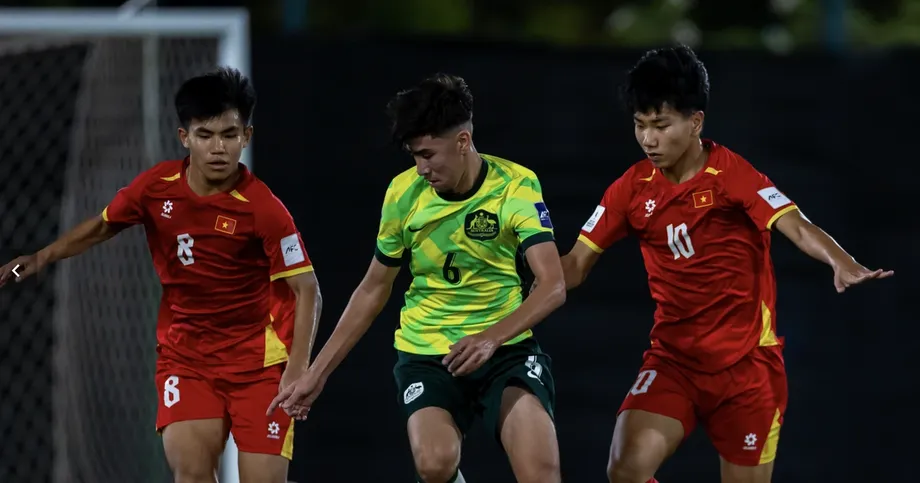
Vietnam's women's futsal team will have no opportunity to defend its first SEA Games championship because the women's competition is absent from the Malaysia program. Futsal is the smaller court version of football, played with five players on each side.
The change interrupts a specific sporting milestone: Vietnam had just won the women's title for the first time at the 33rd Games. The next edition will offer no corresponding tournament for that team to enter as defending champion.
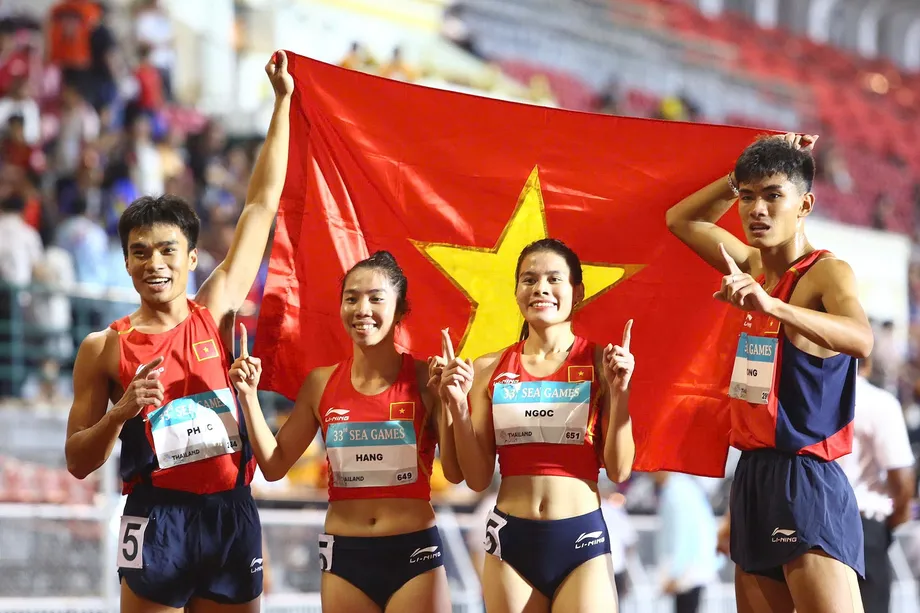
Athletics remains on the program, but the mixed 4x400 metre relay has been dropped. Vietnam won gold and set a Games record in that event at the previous edition. In a mixed relay, men and women compete together as one team, with each runner completing a 400 metre leg.
These omissions show why the total impact extends beyond the eight excluded sports. A country can retain a place in athletics or another broad sport while losing the particular competition in which its athletes were champions.
Changes Reach Wushu, Shooting, Fencing and Boxing
Wushu will include taolu, the performance discipline, but not sanda, its combat discipline. Taolu athletes perform routines assessed by judges, while sanda athletes face opponents in bouts. Vietnam won two gold medals in sanda at the previous SEA Games.
For Vietnam's wushu squad, retaining the sport therefore preserves only part of its competition program. Athletes who compete in sanda and those who compete in taolu prepare for different types of contests.
Shooting has lost four team events. Those removed include the women's 10 metre air pistol and women's 25 metre sport pistol team competitions, both of which brought gold medals for Trinh Thu Vinh and her teammates.
A team shooting medal combines the results of several athletes, making it a separate prize from an individual title. Removing those competitions reduces the number of medals a successful group of shooters can pursue together.
Fencer Nguyen Phuoc Den also loses the opportunity to defend his individual gold because his winning event has been removed. Women's boxing will not be staged, leaving Ha Thi Linh without a corresponding title defence in Malaysia.
The estimate of around 30 affected Vietnamese gold medals includes both the missing sports and changes within sports that remain. A complete event by event reconciliation of that estimate has not been given, so the figure remains approximate.
How the Program Was Approved
The program was finalized at the third SEAGF Executive Committee meeting for the 2025 to 2027 term. Datuk Dr Nur Azmi Ahmad, vice president of the Olympic Council of Malaysia, chaired the meeting.
The decision followed discussions involving the Olympic Council of Malaysia, the Malaysian SEA Games Organising Committee and the SEAGF Executive Committee. Nur Azmi said finalizing the program would allow the 11 member national Olympic committees to plan their preparations.
For national teams, confirmation of events provides the basis for practical decisions: which athletes need selection trials, which squads require training camps and where coaches should direct their preparation. Vietnam's previous gold medal winners now face different circumstances depending on whether their sport, their discipline or only their particular event has been removed.
The main dates and decisions are:
- At the 33rd SEA Games, Vietnam won 87 gold medals, including 24 in the eight sports now excluded.
- On October 30, SEAGF approved 473 events across 43 sports for Malaysia's edition.
- During 2026, Vietnam is focusing on its 10th National Sports Games.
- After the national competition, Vietnam's sports authorities will assess preparations for the 34th SEA Games.
- From September 18 to 29, 2027, Malaysia will host the Games across four clusters.
Penang Commits RM15 Million to Hosting
Penang has allocated RM15 million to support its part of the Games, with the money to be channelled to the Penang State Sports Council in stages during 2026 and 2027. Chief Minister Chow Kon Yeow announced the funding while presenting the state's 2027 budget to the State Legislative Assembly.
Chow said Penang's preparations covered competition facilities and venues, including SPICE Arena and the Penang Waterfront Convention Centre. He put the cluster's readiness at 90 per cent.
Penang is assigned six sports: sepak takraw, snooker and billiards, judo, boxing, table tennis and floorball. Its boxing assignment sits alongside the decision to exclude women's boxing from the Games program.
Sarawak and Kuala Lumpur will each host 18 sports, while Johor will host football. The four cluster arrangement spreads competitions across several parts of Malaysia, making the location of each sport an important part of delegation planning.
Penang also announced RM7.15 million for the State Sports Council to support sports development and athlete performance, and RM5 million for the Penang Stadium and Open Spaces Corporation to improve sports facilities and infrastructure. Those allocations have purposes separate from the RM15 million commitment for hosting the Games.
Vietnam's Review Follows Its National Games
Vietnam's immediate domestic priority is the 10th National Sports Games in 2026, to be held in Ho Chi Minh City and several other localities. The national competition comes before the planned assessment of readiness for Malaysia.
After that event, the Vietnam Sports Administration will work with specialist sports units to review preparations for the 34th SEA Games. The approved program gives that review a concrete starting point: 43 sports and 473 events, with several previously successful Vietnamese disciplines absent.
For Vietnam, maintaining a strong gold medal total will require success across the events Malaysia will stage. Around 30 previous titles sit outside that program, including achievements by individual champions, shooting teams, relay runners and the women's futsal squad.
For Malaysia, the next stages include distributing hosting funds and completing preparations across the four clusters. Penang's reported 90 per cent readiness and its RM15 million allocation show how those preparations are moving alongside the decisions about which athletes and events will feature.
Key Points
- The 2027 SEA Games will feature 473 events across 43 sports from September 18 to 29 in Malaysia.
- Eight excluded sports supplied 24 of Vietnam's 87 gold medals at the previous edition.
- Wrestling accounted for 10 of those titles, followed by rowing with four.
- Other event cuts bring Vietnam's affected title defences to around 30, roughly 34.5 per cent of its previous gold total.
- Women's futsal, sanda, the mixed 4x400 metre relay and women's boxing are among the omitted competitions.
- Penang has allocated RM15 million for hosting and will stage six sports.
- Vietnam will review its SEA Games preparations after the 2026 National Sports Games.