Auckland win brings three records and a first victory
Glenn Phillips struck 107 from 49 balls and Jacob Duffy took four wickets for 23 runs as New Zealand defeated India by 87 runs at Eden Park in Auckland on October 30, 2026. The hosts posted 259/7, their highest total in a Twenty20 international, before restricting India to 172/9.
Contents
- Auckland win brings three records and a first victory
- India choose to chase, but early wickets bring limited relief
- Phillips turns a steady fifty into a rapid hundred
- Bracewell makes the partnership decisive
- India concede 85 from the final five overs
- Duffy breaks the chase in the opening over
- India find boundaries, but no lasting partnership
- Captains focus on bowling and adapting to Eden Park
- Hamilton closes a series India have already secured
- Key Points
The result gave New Zealand their first win in the five match series and their largest victory by runs over India in this format. India, captained by Shreyas Iyer, had already secured the series by winning the opening three matches and now lead 3-1 ahead of the final game in Hamilton on November 1.
New Zealand's total passed their previous best of 254/5 against Scotland in 2022 by five runs. It also exceeded the highest previous T20I total against India, England's 257 at Southampton earlier in the year, by two. The victory margin improved on New Zealand's previous best against India, an 80 run win in 2019.
The International Cricket Council's official match report confirms the total, Phillips' century and Duffy's figures. Together, those performances changed a familiar pattern in this series: New Zealand finally paired a large batting total with enough early wickets to stop India's chase.
India choose to chase, but early wickets bring limited relief
Iyer won the toss and elected to field. India brought Ishan Kishan and Mayank Yadav into the side in place of Vaibhav Sooryavanshi and Bhuvneshwar Kumar. Kishan was returning from injury, while Mayank immediately gave India reasons to welcome his selection.
Tim Seifert departed for three in the opening over. Daryl Mitchell then attacked Mayank with two fours and two sixes in the third over, only to fall leg before wicket later in the same over for 24. New Zealand were 34/2, with both an opportunity and a warning for India: wickets were coming, but so were boundaries.
Phillips and Finn Allen rebuilt without letting the scoring slow. Their partnership added 59 runs, and New Zealand reached 67/2 after the six over powerplay, the opening phase when fielding restrictions leave fewer players near the boundary.
Allen made 31 from 17 balls before being caught off Axar Patel. Bevon Jacobs followed for seven, giving Mayank his third wicket. At 112/4 in the 11th over, New Zealand still needed a substantial partnership to turn a promising start into a commanding total.
Phillips turns a steady fifty into a rapid hundred
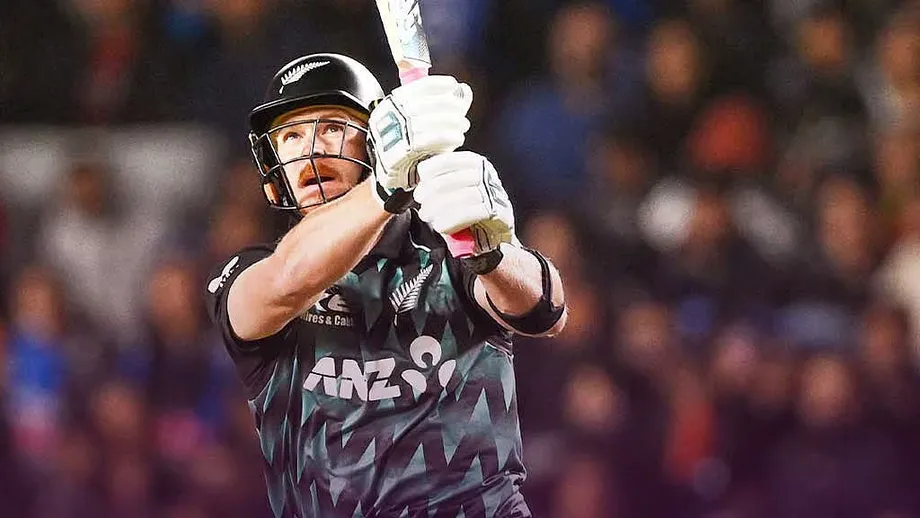
Phillips supplied that acceleration. He reached 50 from 31 deliveries, then took only another 15 balls to reach his century. His hundred arrived from a straight six off Arshdeep Singh in the 19th over.
The decisive burst came in the 16th over, bowled by Nitish Kumar Reddy. Phillips struck four consecutive sixes during an over that cost 32 runs, lifting New Zealand from 174/4 to 206/4. In six legal deliveries, India lost much of the control they had recovered through the middle overs.
Phillips finished with six fours and 10 sixes. Those boundaries supplied 84 of his 107 runs, almost four fifths of his innings. Reddy eventually dismissed him in the final over, but New Zealand were already approaching a national record.
The century was Phillips' third in T20 internationals, drawing him level with Finn Allen and Colin Munro for the most by a New Zealand batter. His scores in the series now stand at 82 not out, 70, 17 and 107, giving him 276 runs at an average of 92. A batting average divides runs by dismissals; Phillips had been dismissed three times across those four innings.
Bracewell makes the partnership decisive
Michael Bracewell contributed 65 from 25 balls, hitting four fours and six sixes. His fifth wicket partnership with Phillips produced 115 runs, more than twice India's largest stand of the match, which was 46.
The partnership lasted 41 deliveries in the detailed match account, while other accounts put it at 40. Either count captures the speed of the scoring: the pair added almost three runs per ball, transforming New Zealand's innings before Prince Yadav dismissed Bracewell leg before wicket.
The ICC records Bracewell's half century as coming from 19 balls; two match accounts give 18. He attacked Axar with three fours and a six from four consecutive deliveries, then used Mayank's pace to send the ball over the boundary with a flick and a scoop.
Phillips, the player of the match, explained that he and Bracewell had discussed the wind and which end of the ground offered the easier hitting direction. Describing the batting conditions, he said:
It was a very good pitch to bat on and I think we made the most of it, which is fantastic,
New Zealand finished with 20 sixes and 14 fours. Those shots alone brought 176 runs, more than India's entire reply of 172. Phillips and Bracewell accounted for 16 of the sixes and 10 of the fours.
India concede 85 from the final five overs
New Zealand stood at 174/4 after 15 overs and added 85 from the last five, scoring at 17 runs an over during that closing stretch. India therefore needed 260 to win, an average of 13 runs per over across the full chase.
Mayank was India's leading wicket taker with 3/48 from four overs. Arshdeep finished with 1/38, Prince with 1/49 and Reddy with 1/64. Axar conceded 43 from three overs, while Naman Dhir's single over cost 16.
Reddy's figures show how strongly the 16th over shaped his evening: half of the 64 runs charged to him came in that one over. Even his dismissal of Phillips at the end could offer only limited relief.
Arshdeep reached a personal milestone when he dismissed New Zealand captain Mitchell Santner, becoming the first Indian bowler to take 150 T20I wickets. His achievement came during an innings in which India kept taking wickets without being able to contain the scoring between them.
Duffy breaks the chase in the opening over
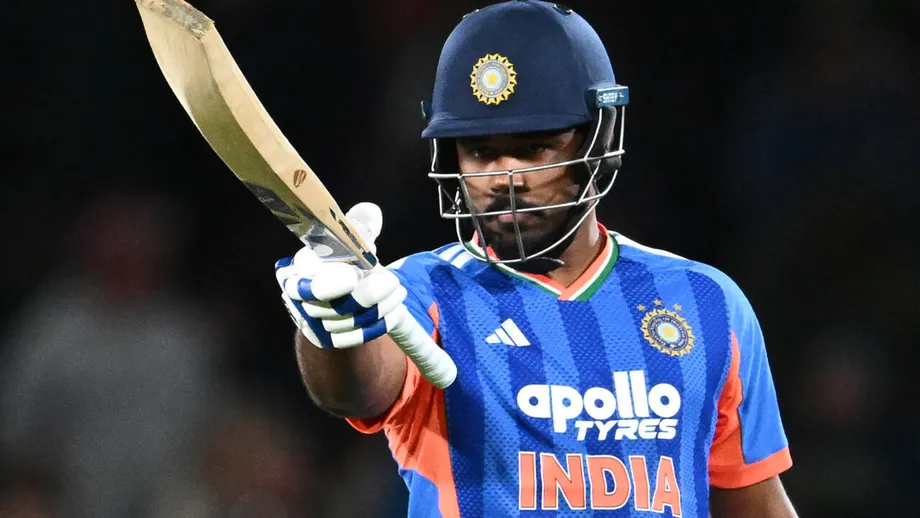
Sanju Samson began India's reply by hitting Duffy's first delivery for four. The next ball brought his dismissal, caught by wicketkeeper Seifert. Kishan then fell for a duck, caught and bowled, leaving India two wickets down in the opening over.
Samson had been central to India's opening match chase in Christchurch, making 67 from 33 balls as the visitors reached a target of 226 with two balls remaining. Auckland presented a larger target and an immediate shortage of batting resources.
Duffy later dismissed Dhir for 28 and Arshdeep for a duck from consecutive deliveries. His 4/23 surpassed Trent Boult's 4/34 at Rajkot in 2017 as the best T20I figures by a New Zealand pace bowler against India.
The ICC gives Duffy's return as 4/23, although one live match account recorded 4/29. His four overs cost fewer than six runs an over against an India side that needed 13 an over from the outset.
Duffy's career tally reached 67 wickets in 51 T20 internationals, including six innings with four wickets. His best return remained 4/14. This performance also improved a less productive year in which he had taken 14 wickets across 13 matches at an average of 32.85.
India find boundaries, but no lasting partnership
Abhishek Sharma and Iyer briefly repaired the innings with a partnership of 46 for the third wicket. Abhishek made 27 from 15 balls in the detailed scorecard and match descriptions, although another account gives his score as 35. Matthew Fisher dismissed him with a catch to Santner.
Iyer scored 22 from 11 deliveries before Adam Milne bowled him. India ended the powerplay at 61/4, only six runs behind New Zealand's score at the same stage but with twice as many wickets lost. The loss of those additional batters made the demanding chase much harder to sustain.
Santner then removed Reddy for 21 and Axar for seven in his first over. Dhir's 28 provided another short burst, but Duffy's return ended it. India were 121/8 after 11 overs and three balls, with the principal attacking batters already dismissed.
Tilak Varma top scored with 35 before Fisher removed him in the penultimate over. The original match account and detailed scorecard put his innings at 35 deliveries, while another account gives 32. Prince finished unbeaten on 18 and Mayank on three; nine runs from the final over, including a Prince six, took India to 172/9.
Fisher finished with 2/40 and Santner with 2/24 in the detailed scorecard, though two match descriptions list Santner at 2/23. Milne took the remaining wicket. New Zealand's success came from repeated breakthroughs rather than one isolated spell.
Captains focus on bowling and adapting to Eden Park
Iyer acknowledged that India's bowling had allowed New Zealand to take control. The India captain said:
I think we fell a bit short in our bowling to start with.
Iyer praised Phillips' consistency and said India would review their execution before Hamilton. He also pointed to the challenge of adapting to Eden Park's dimensions, particularly for players appearing at the ground for the first time.
Santner focused on New Zealand's ability to use the pitch's bounce and take wickets during the powerplay. The New Zealand captain said:
Obviously 260 is a good score, but you have to bowl well against these guys, and I think we did.
Phillips also disclosed a hamstring concern that had limited his fielding involvement. He described the decision as precautionary. His availability for Hamilton had not been confirmed, with the final T20I due two days after the Auckland match.
Hamilton closes a series India have already secured
India's three earlier victories mean New Zealand can finish the series no closer than 3-2. The hosts nevertheless reach Hamilton with their first win, a national scoring record and evidence that their bowling can stop a batting side that had completed three consecutive chases.
The ICC lists the series schedule and results as follows:
- October 22, Christchurch: India won the first T20I by four wickets.
- October 24, Christchurch: India won the second T20I by four wickets.
- October 27, Wellington: India won the third T20I by six wickets and secured the series.
- October 30, Auckland: New Zealand won the fourth T20I by 87 runs.
- November 1, Hamilton: The fifth and final T20I is scheduled.
The tour then continues with five one day internationals and two Tests. India's planned ODI captaincy change will put Shubman Gill in charge for the opening three ODIs before Iyer takes over for the final two. The first ODI is scheduled for November 4 in Auckland.
Key Points
- New Zealand beat India by 87 runs in Auckland for their first victory of the T20I series.
- The hosts made a national record 259/7, then held India to 172/9.
- Glenn Phillips scored 107 from 49 balls; Michael Bracewell contributed 65 from 25.
- Jacob Duffy took 4/23, including two wickets in the opening over.
- Arshdeep Singh became the first Indian bowler to reach 150 T20I wickets.
- India retain a winning 3-1 series lead before the November 1 finale in Hamilton.