Farmers to Receive Rs 47 a Litre Including State Support
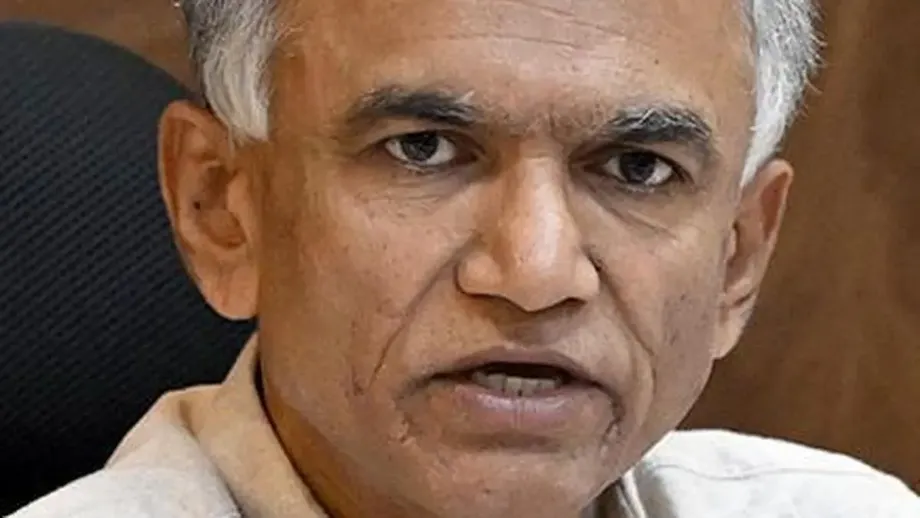
Karnataka's Cabinet has approved an increase of Rs 8 per litre in milk procurement prices from November 1, allocating Rs 7 to farmers and Rs 1 to milk cooperatives. Minister Krishna Byre Gowda announced the decision after Thursday's Cabinet meeting, following protests by milk producers seeking better returns amid rising costs.
Contents
The basic price paid to farmers will rise from around Rs 35 to Rs 42 per litre. The state government's existing incentive of Rs 5 per litre will continue, taking the combined amount received by farmers from around Rs 40 to Rs 47 per litre.
Consumers are also expected to pay more. Nandini toned milk is reported to rise from Rs 46 to Rs 54 per litre, an increase of Rs 8. Prices for other products and pack sizes were not specified, leaving the full extent of changes at shop counters unclear.
The decision connects two household concerns: the income earned by farming families supplying milk and the amount customers spend buying it. Gowda said lakhs of farming families were expected to benefit, although he gave no precise number.
How the Rs 8 Increase Is Divided
Farmers will receive seven of every eight additional rupees under the approved increase. That gives them 87.5% of the extra amount, while the remaining 12.5% goes to cooperatives. The Rs 1 cooperative allocation is separate from the Rs 7 increase in farmers' payments.
Gowda described the division when announcing the Cabinet's decision:
Respecting these demands, the Cabinet has today decided to increase the price paid to milk-producing farmers by Rs 7 per litre. In addition, the cooperatives will receive an increase of Re 1 per litre. Thus, the total increase will be Rs 8 per litre.
The farmer's payment therefore has two parts: Rs 42 paid for the milk and Rs 5 provided through the government's incentive. Together they make Rs 47. The incentive itself is unchanged; the extra income comes from the increase in the procurement price.
Procurement means buying milk from its producers. A procurement price is the amount paid at that stage, while a retail price is what a customer pays at a shop. Keeping those figures separate explains why the farmer payment and the reported Nandini selling price are different.
What Changes for a Farming Household?
A farmer supplying the same quantity of milk will receive Rs 7 more for each litre covered by the revised payment. Against the existing basic procurement price of around Rs 35, the rise to Rs 42 amounts to a 20% increase.
Including the unchanged government incentive, the total rises from around Rs 40 to Rs 47, or 17.5%. The percentage is smaller when the incentive is included because the starting amount is larger.
For a simple illustration, a farmer supplying 10 litres a day would receive an additional Rs 70 a day. Over 30 days at that volume, the increase would be Rs 2,100. This calculation assumes the same quantity is supplied every day and the full revised rate applies.
Farmers had sought better returns because of rising costs. The extra payment increases what they earn from each litre, but their remaining income will still depend on how much they spend producing that milk. No figures were given for those costs, so the change in farm profits cannot be calculated.
Why Farmers Sought a Larger Increase
Milk producers and cooperative representatives had asked for an increase of at least Rs 10 per litre. Representatives met the chief minister, the minister responsible for animal husbandry and the cooperation minister to press their demand.
Gowda said the Cabinet discussed the issue on two or three occasions before reaching a unanimous decision. The approved Rs 8 increase was Rs 2 below the minimum increase sought, with Rs 7 of the approved amount assigned directly to farmers.
The minister explained why the Cabinet settled on that amount:
"Although farmers demanded an increase of Rs 10 per litre, it was felt that so much increase cannot be done. After discussions in the Cabinet today, under the chairmanship of the chief minister, we decided on an increase of Rs 8 per litre, of which Rs 7 will go to the farmers and Re 1 to the milk cooperatives," he said.
The announcement gave the Cabinet's conclusion without setting out a detailed calculation behind the Rs 8 figure. Its immediate effect is a defined increase for producers and cooperatives, below the amount their representatives had requested.
What Nandini Customers Could Pay
Nandini toned milk is reported to move from Rs 46 to Rs 54 per litre when the new rates take effect on November 1. That would be an increase of about 17.4% for that product.
A household buying one litre every day would spend Rs 240 more over 30 days if the reported retail increase applies. Its milk bill would rise from Rs 1,380 to Rs 1,620 for that period. A household buying two litres daily would spend Rs 480 more over the same 30 days.
Those calculations show the effect at unchanged consumption. The amount each family spends will depend on the milk it buys, its pack size and its daily purchases. The Rs 46 to Rs 54 comparison concerns toned milk specifically.
For customers, the practical change is a higher recurring expense. For producers, the corresponding change is a larger payment for each litre supplied. The Cabinet has directed most of the announced increase to farmers, making their income the main focus of the decision.
Protests and Political Pressure Preceded the Decision
Milk producers took to the streets before the Cabinet approved the revision. Cooperatives also pressed for higher payments, while members of different parties in the Legislative Council called for measures to support farmers.
Gowda described the pressure for action:
Given the crisis faced by farmers, members of all parties in the Legislative Council had called for measures to support them. Milk producers themselves had taken to the streets in protest, and the cooperatives had also pressed for an increase.
The sequence brought farmers' demands into discussions with several parts of the state government. Cooperative representatives approached ministers, legislators sought relief, and the Cabinet considered the issue repeatedly before agreeing unanimously.
Gowda's account places the increase within an effort to address financial strain among milk producers. The continuing Rs 5 incentive and the new Rs 7 procurement increase will operate together in the payment farmers receive.
From Farmer Demands to the November Change
The announcement sets out a sequence of protests, negotiations and Cabinet discussions, ending with a November 1 start date. Exact dates for the earlier protests and meetings were not given.
- Before approval: Milk producers protested over returns, and cooperatives sought an increase of at least Rs 10 per litre.
- During discussions: Representatives met the chief minister, animal husbandry minister and cooperation minister. The Cabinet considered the matter on two or three occasions.
- Thursday: The Cabinet unanimously approved an Rs 8 increase, divided between farmers and cooperatives.
- November 1: The revised payments are due to take effect, with farmers receiving Rs 42 per litre plus the existing Rs 5 incentive.
The next practical step is the start of those revised payments. For households buying Nandini toned milk, the reported change is an Rs 8 increase at retail, while farmers are due to receive Rs 7 more per litre supplied.
Key Points
- Karnataka approved an Rs 8 per litre milk procurement increase from November 1.
- Farmers will receive Rs 7 of the increase, and cooperatives will receive Rs 1.
- The basic farmer payment rises from around Rs 35 to Rs 42 per litre.
- The existing Rs 5 government incentive continues, bringing the farmer's total to Rs 47 per litre.
- Nandini toned milk is reported to rise from Rs 46 to Rs 54 per litre.
- Farmers and cooperative representatives had sought an increase of at least Rs 10 per litre.