A route out of homes with less than five square metres per person
Hanoi is proposing to reserve up to 902 social housing apartments for households living in severely crowded homes in Hoan Kiem ward, allowing eligible families to buy or enter hire purchase agreements without joining the usual housing lottery. An initial 552 apartments at nine projects are planned for 2026, enough for about 61% of the households identified.
Contents
- A route out of homes with less than five square metres per person
- Why the city wants residents to move
- Who would qualify for priority access?
- Where the first 552 apartments would be located
- Transport and services would shape project selection
- How families would be ranked without a lottery
- Who pays, and what happens to the old homes?
- Securing apartments is the central delivery test
- From the 2013 plan to the proposed rollout
- Key Points
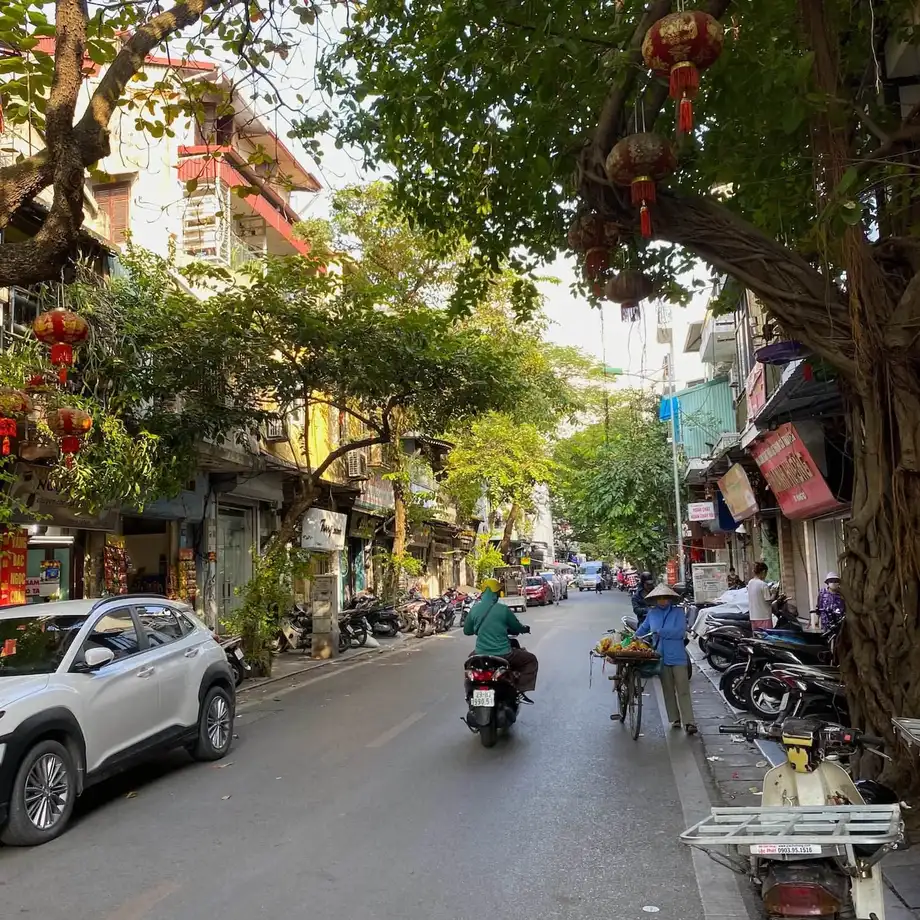
The Hoan Kiem Ward People's Committee counted 902 households comprising 3,621 people living with less than five square metres of floor space per person in the Old Quarter and older streets. Many families have several generations sharing less than 20 square metres, with communal kitchens, toilets and water supplies.
The proposal reached the Hanoi People's Council at its special session on October 28, 2026. It combines a new opportunity with a substantial obligation: each participating household would receive access to one apartment, once, and every member would have to leave the old accommodation and register permanent residence at the new home.
Residents would pay for the apartments themselves under social housing rules. The proposed benefit is priority access without a lottery, while prices, applications and preferential lending would continue to follow the rules governing social housing.
Hanoi's Standing Vice Chairman Duong Duc Tuan presented the proposal as a response to conditions that families cannot readily improve themselves. The city intends to use projects expected to be completed and offered for sale during 2026 and early 2027, following an earlier relocation programme that stalled because suitable housing was unavailable.
Why the city wants residents to move
Hanoi's assessment describes a combination of crowding, deteriorating buildings and serious fire safety risks. Many affected properties are narrow, deep houses inside small alleys, with limited escape routes that several households may share.
Electrical systems have been altered through repeated repairs, while some families cook, live and conduct business in the same space. Narrow access routes make it difficult for firefighting vehicles to reach buildings and complicate evacuation and rescue.
Residents also face shortages of daylight and ventilation, damp rooms and shared sanitation. The city identifies children, older people, people with illnesses and people with disabilities as particularly vulnerable to the health effects of these conditions.
Renovation is difficult for reasons beyond household income. Some buildings stand in conservation areas where extensions and new construction are restricted. Others are public properties rented to several families, or buildings with multiple owners and shared spaces, making agreement on repairs difficult.
Most households identified by the city depend on informal work, with low and unstable earnings. Commercial housing is beyond their means. Under the existing allocation system, however, eligible social housing applicants must still compete in lotteries when demand exceeds supply, leaving families unable to plan when they might move.
Who would qualify for priority access?
The proposed scheme would initially cover only the Old Quarter and older streets within Hoan Kiem ward. Applicants would have to satisfy all the following conditions:
- Have permanent residence registration and actually live in the designated area before the resolution is adopted.
- Have average housing floor space below five square metres per person.
- Meet the legal requirements for buying or entering a hire purchase agreement for social housing.
- Apply voluntarily and receive approval on a list drawn up by the Hoan Kiem Ward People's Committee.
The distinction between registration and actual residence matters: the proposal requires both. The ward's list would therefore determine which households could use the special allocation route, subject to the wider social housing requirements.
The appendix to the proposal places the 902 households in the voluntary relocation group. Another 478 households subject to compulsory relocation fall outside this resolution's proposed scope and would need to be addressed through other arrangements.
Hanoi could consider expanding the policy after assessing its effects and available resources. For the initial phase, the maximum of 902 apartments would be adjusted to reflect actual eligible applications, with each household receiving the benefit only once.
Where the first 552 apartments would be located
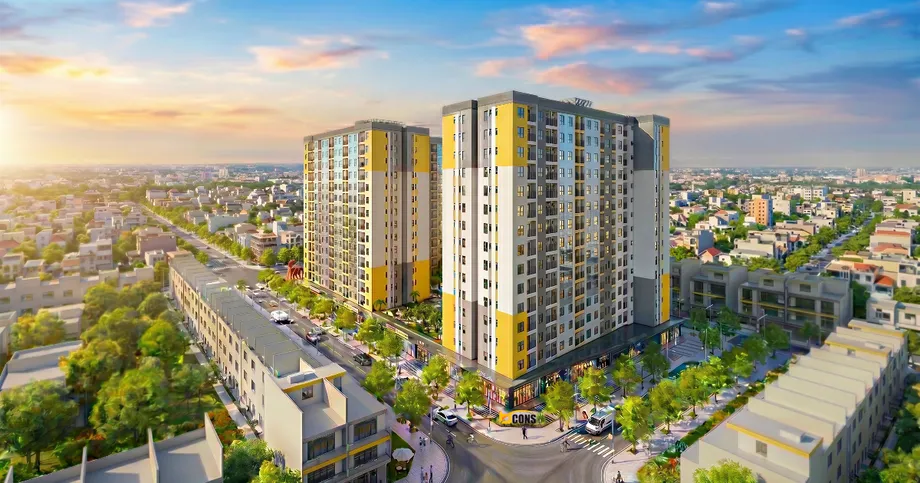
The proposed allocation spreads apartments across nine developments rather than placing all participating families in a single relocation estate. The locations include Linh Nam, Dai Mo, Dan Phuong, Thach That, Vinh Hung, Me Linh and Phuc Thinh.
The preliminary project schedule sets out these allocations for 2026:
- The X2 housing project in Linh Nam: 24 apartments.
- The CT1 and CT3 social housing buildings within the DM1 urban development in Dai Mo: 50 apartments.
- The social housing project at kilometre 17 of National Highway 32 in Dan Phuong: 73 apartments.
- The Dong Truc social housing project in Thach That: 44 apartments.
- The Tan Xa social housing project in Thach That: 20 apartments.
- The Vinh Hung social housing development on Lane 321, Vinh Hung Street: 92 apartments.
- The social housing component of the Minh Duc development in Me Linh: 97 apartments.
- The social housing component of the expanded Minh Giang and Dam Va development in Me Linh: 75 apartments.
- The social housing project associated with the Tuan Le land auction infrastructure development in Phuc Thinh: 77 apartments.
The nine allocations total 552 apartments. Compared with the proposed ceiling of 902, that leaves 350 apartments to be secured through subsequent allocations if every identified household qualifies and participates. The city plans to continue arranging housing in 2027.
At each project, the reserved allocation would be no more than 20% of the apartments offered for sale, subject to agreement with the developer. This makes agreements with developers and construction progress central to the programme's delivery.
Transport and services would shape project selection
Hanoi proposes choosing developments with convenient public transport, giving priority to access to urban railway lines. Schools, healthcare facilities, markets and commercial services would also form part of the selection criteria.
The city wants apartment layouts suited to households averaging about four people. Completion schedules must fit the relocation programme, so the suitability of a project would depend on when homes and surrounding services are ready as well as where they are located.
For families whose earnings come from informal work, moving involves more than gaining floor space. Transport links would affect journeys back to work, while nearby schools, clinics and markets would shape everyday expenses and routines. Those needs help explain why the proposal includes social infrastructure alongside apartment numbers.
Before registration opens, the city would have to publish the projects, apartment quantities, apartment types and delivery schedules. Apartments that attract no eligible applicants by the prescribed deadline could then be sold or offered through hire purchase to other eligible social housing applicants.
How families would be ranked without a lottery
Households would still face a selection process if more families chose a particular project than its reserved allocation could accommodate. The draft proposes ranking applicants first by the smallest average living area per person.
Priority would then go to households with older people or people with disabilities, and households classified as poor or near poor. Registration time would be the next criterion. Families unable to obtain an apartment at their preferred development would be directed to another project within the reserved housing pool.
Tran Hop Dung, head of the People's Council's Urban Affairs Committee, said during scrutiny that the registration order criterion needed adjustment. People with less access to information, older applicants, people with disabilities and residents unable to use online channels could be disadvantaged by a rule favouring whoever applies first.
The committee also requested the basis for the threshold of less than five square metres per person, together with figures for households living just above it. A strict cutoff could leave families with very similar living conditions on opposite sides of the eligibility line.
The committee supported giving priority to the most disadvantaged households while asking the city to examine those excluded, including tenants and migrant workers without permanent residence registration. It also sought consideration of safeguards concerning applicants who already own housing elsewhere in Hanoi.
Who pays, and what happens to the old homes?
Participating families would cover their purchase or hire purchase payments at regulated social housing prices. Hire purchase allows a household to make payments over an agreed period toward ownership, rather than paying the entire price at the start.
The proposal provides no direct budget payment to beneficiaries for buying or acquiring their new homes. Preferential loans, prices, paperwork and procedures would follow existing social housing regulations. For households with irregular earnings, the payment schedule and access to eligible lending would therefore remain practical concerns.
Moving would require the entire household to leave its former accommodation and register permanent residence at the new address within a period set by the city. Families renting publicly owned housing would have to end their leases and return the space to the housing management authority.
Privately owned homes would be handled under a city plan intended to prevent new occupants from recreating overcrowding in the vacated space. The detailed arrangement for these properties has not been specified, an issue made more complicated where owners, tenants and people who have already moved away retain different rights.
The Urban Affairs Committee asked for clear principles protecting those interests. It also sought clarification of spending on household surveys, applicant lists, public information and management of vacated homes. Those administrative tasks require resources even though beneficiaries would receive no direct purchase payment.
Securing apartments is the central delivery test
Duong Duc Tuan told the council that Hanoi's earlier Old Quarter relocation policy had failed to take effect mainly because suitable homes were not ready. The new proposal seeks to address that obstacle by identifying apartments within social housing developments already expected to enter the market.
The Urban Affairs Committee nevertheless requested a mechanism to protect housing supply if projects fall behind schedule or the necessary agreements cannot be reached. It also asked for a timetable and arrangements for other households facing housing difficulties across the area.
Hanoi Party Secretary Tran Duc Thang called for the city to calculate social housing supply alongside the policy and ensure that intended beneficiaries could actually obtain homes. His concern connects the allocation rules to the practical availability of apartments.
The housing proposal was among 22 resolutions considered across four policy groups at the council's seventh special session. Council Chairwoman Phung Thi Hong Ha said some documents had been completed close to the opening, requiring committee scrutiny through the night, and called for careful examination of legal authority, resources and feasibility.
The city linked the relocation policy to Article 22 of the 2013 Constitution, concerning the right to lawful accommodation, and to Hanoi's master planning vision extending 100 years. In presenting the proposal, the administration also cited powers under the 2026 Capital Law. Its immediate task is concrete: turn a proposed entitlement into completed apartments that eligible households can afford and occupy.
From the 2013 plan to the proposed rollout
Hanoi's effort to reduce crowding in the Old Quarter spans several policy stages. The main dates and planned steps are:
- January 9, 2013: The city issued Decision No. 168 accompanying the earlier Old Quarter relocation scheme, which subsequently stalled mainly because housing was unavailable.
- October 28, 2026: The People's Council heard the new proposal at its seventh special session.
- During 2026: The proposed initial allocation comprises 552 apartments across nine social housing projects.
- Early 2027 and during 2027: The city intends to use further completed developments and continue arranging apartments.
The proposal remains subject to the council's decision, with no adoption outcome stated. If approved, the city administration would draw up beneficiary lists, identify and publish the housing pool, and issue implementation rules and plans.
Full participation by all 902 identified households would move approximately 3,621 residents out of crowded properties. Achieving that reduction would depend on the combined delivery of apartments, affordable payment arrangements and enforcement of the requirement that whole households leave their former homes.
Key Points
- Hanoi proposes priority access to up to 902 social housing apartments for eligible households in Hoan Kiem ward, without a lottery.
- A ward review identified 3,621 people living with less than five square metres of floor space per person.
- The initial plan reserves 552 apartments at nine projects in 2026, with further allocations planned in 2027.
- Families would pay under social housing rules and move every household member out of the old accommodation.
- Council scrutiny focused on eligibility, fair ranking, reliable supply and the handling of vacated homes.
- The 478 households in the compulsory relocation group fall outside the proposed scheme.