Rail contract remains binding as CP seeks an exit
Thailand's proposed railway linking Don Mueang, Suvarnabhumi and U-Tapao airports faces a possible replacement after the private partner associated with CP Group requested an end to its contract, citing an inability to obtain bank financing. The State Railway of Thailand (SRT) has yet to accept the request as a valid termination, leaving both sides bound by the existing agreement.
Contents
- Rail contract remains binding as CP seeks an exit
- Why changing the contract may not unlock funding
- What happened at the October meeting
- A request to leave still requires a legal settlement
- Airport Rail Link debt adds urgency
- A slower railway could serve more of Rayong
- Laem Chabang needs room for more freight
- Anutin sets limits on changes
- Key Points
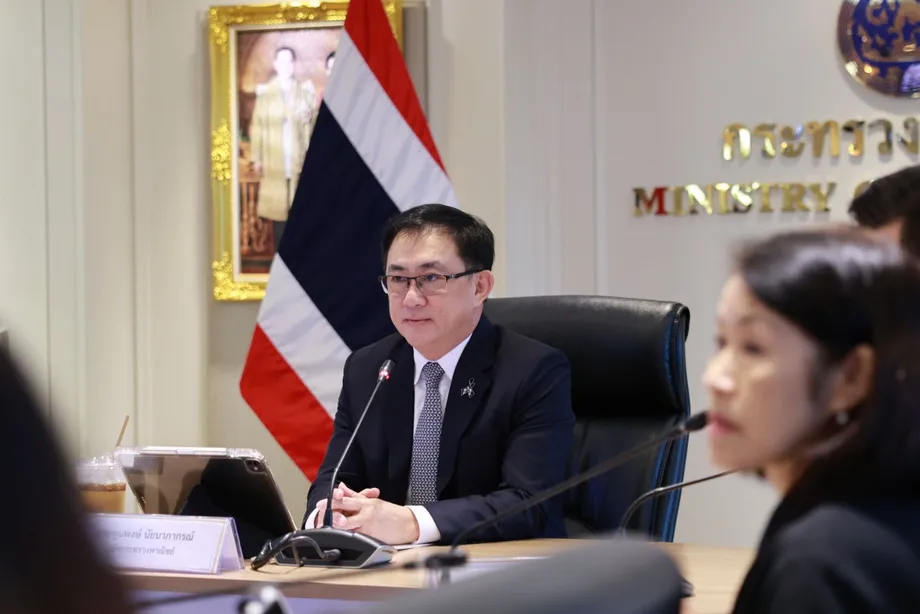
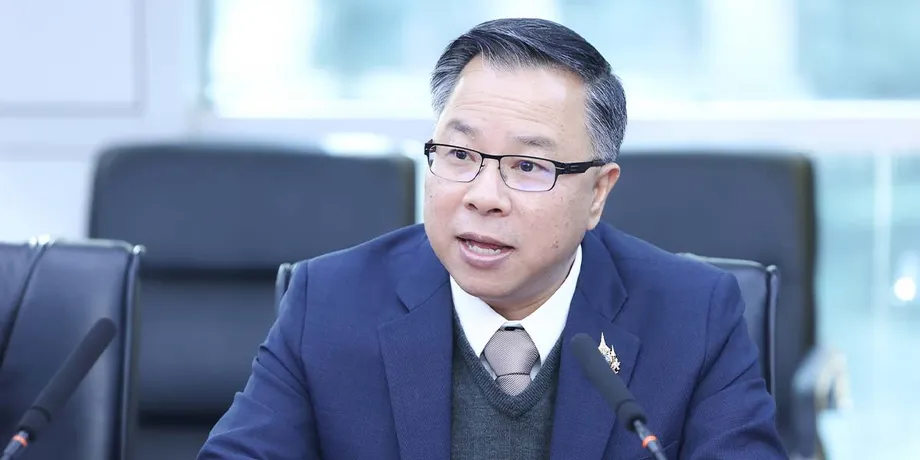
Eastern Economic Corridor Office Secretary-General Chula Sukmanop said on October 26, 2026, that financial assessments had found the original investment model commercially unviable. Banks were consequently unwilling to lend, making the project extremely difficult to carry forward even if proposed contract amendments were legally permitted.
Prime Minister Anutin Charnvirakul has instructed officials to prepare the issue for the Eastern Economic Corridor (EEC) Policy Committee's next meeting, expected in November 2026. No exact meeting date or deadline for a final decision was given.
The immediate stakes extend beyond an unfinished railway. The SRT must pursue unpaid Airport Rail Link fees before legal deadlines expire, while the government considers whether a replacement route should run at a lower speed and reach more passengers in Rayong.
Chula also pointed to pressure from Laem Chabang Port, where an expansion expected to open in about four years could increase annual container volumes from around 11 million to 18 million. His proposals connect two transport needs: moving people between Bangkok and the eastern provinces, and keeping freight moving as the port grows.
Why changing the contract may not unlock funding
Chula identified financing as the central obstacle. Circumstances have changed substantially since the original arrangement, and financial feasibility studies now indicate that its investment model is no longer commercially viable.
A financial feasibility study asks whether a project's expected income and costs make the investment workable. Banks use that assessment when deciding whether a borrower is likely to repay a loan. Here, according to Chula, the assessments have discouraged lenders from providing credit.
The Office of the Attorney General has reviewed proposed amendments and concluded that the contract could legally be changed, Chula said. Legal permission, however, leaves the government and its private partner with the practical task of finding an arrangement that banks will finance.
A public-private partnership, or PPP, is an agreement in which a public authority and a private business take on responsibilities for delivering a project. This railway's PPP falls under EEC legislation, so officials must examine the contractual and legal consequences before deciding whether to amend or end it.
Chula's assessment explains why the discussion has moved beyond revising terms. If the private partner cannot secure funding under a revised agreement, the government would still face the same obstacle to construction.
What happened at the October meeting
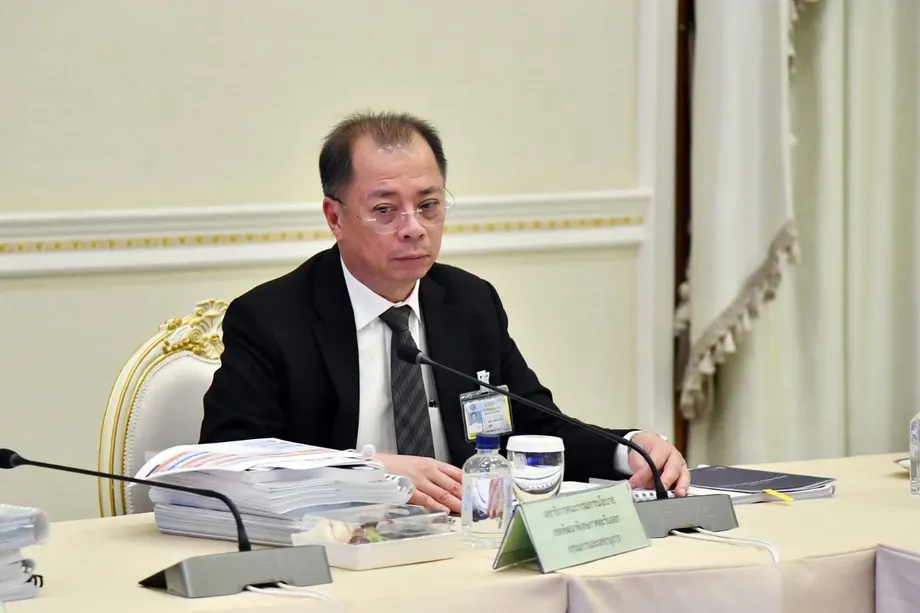
Anutin, who also serves as interior minister, chaired the EEC Policy Committee meeting at Government House on October 26. At its opening, he said the committee had five matters to consider and might discuss progress on the airport railway and the U-Tapao aviation city project toward the end.
Afterward, Chula said the railway had not been discussed and would be prepared for the November meeting. Anutin said it had not been a formal agenda item, although he also described some discussion and listening on the subject. The meeting ended with the existing contract still in force.
The sequence sets out the next steps:
- Before the October 26 meeting, the CP Group-linked private partner sent the SRT a letter seeking to end the agreement.
- On October 26, Anutin called for officials to prepare the railway issue for the next EEC Policy Committee meeting.
- After the meeting, Anutin said the SRT and its private contractor must continue following the contract while trying to resolve their disagreements.
- In November 2026, the committee is expected to consider the project, with legal review and negotiations shaping what can be decided.
Anutin did not announce a change to the railway's design. His public position was that both the public authority and the private contractor remained responsible for their obligations.
A request to leave still requires a legal settlement
The private partner's letter has started a dispute over how the agreement might end. The SRT has not accepted that the letter constitutes a valid termination, and negotiations are continuing through the contract's dispute resolution process.
Chula, the EEC office's secretary-general, explained the parties' current legal position:
"In legal terms, the PPP concession has not yet formally ended. All parties must continue to comply with the contract," he explained.
Formal termination would require approval from the EEC Policy Committee before submission to the Cabinet, Chula said. If the parties cannot agree, the dispute may proceed to court.
Anutin likewise said disagreements should first be addressed through talks between the SRT and its contractor. Unresolved issues would have to go through the justice system.
The government could also seek to seize the contractual guarantee if clear evidence establishes losses to the state, according to Chula. Such a guarantee provides financial protection when a contractor fails to meet obligations covered by the agreement. Whether it can be called upon will depend on the contract and the damage established.
Airport Rail Link debt adds urgency
The SRT also faces a separate financial task: recovering outstanding fees associated with Airport Rail Link rights. Chula put the arrears at more than 13 billion baht in a detailed statement; his broader description referred to more than 10 billion baht.
The SRT announced on October 22 that it had filed a case at the Central Administrative Court on October 21 seeking 13.335 billion baht. The claim comprises 10.67 billion baht in outstanding principal and approximately 2.66 billion baht in default interest. The payment for investment rights was due on October 24, 2021, under the PPP agreement.
The suit names CP Group-backed Asia Era One, originally registered as Eastern High-Speed Rail Linking Three Airports Co Ltd, and seven other parties. The SRT said it had repeatedly pursued payment and followed the contract's dispute resolution procedures, but the parties had been unable to reach an agreement.
Bangkok Bank and Siam Commercial Bank each provided contractual guarantees worth 1 billion baht. Five companies also named in the suit provided guarantees linked to their investment stakes: Charoen Pokphand Holding (70%), China Railway Construction Corporation (10%), Bangkok Expressway and Metro (10%), CH Karnchang (5%) and Italian-Thai Development (5%). The SRT is seeking to enforce the bank and shareholder-backed guarantees within their contractual limits.
Chula said the SRT needs to accelerate legal action before the claims become time-barred. A limitation period is the legal window for bringing a claim. Missing it can prevent a creditor from obtaining repayment through the courts.
Recovering those fees and settling the railway concession involve different decisions, even though they concern the same contractual relationship. The SRT must protect its ability to collect the debt while the parties negotiate the future of the wider project.
The combination makes the timing consequential. A negotiated end to the concession requires approvals, while the debt claims have legal deadlines that the SRT must address during that process.
A slower railway could serve more of Rayong
Chula said the EEC still needs a railway connecting Bangkok with U-Tapao Airport and Rayong. If the original agreement ends, the government could consider paying for a replacement itself or arranging a new PPP that private investors can finance.
One option would lower the proposed maximum speed from 250 kilometres per hour to 160 kilometres per hour and extend an electrified rail network into Rayong. Electrified trains draw power from an electricity supply along the railway rather than relying on a diesel engine aboard each train.
The proposed maximum would be 90 kilometres per hour lower, a reduction of 36%. Actual journey times would also depend on the route, station stops and operating timetable.
Chula suggested that a revised design could offer better value for public spending and support growth across the eastern region. Extending the network into Rayong would broaden its role beyond carrying people between airports.
For passengers, the central choice would be between a service focused on the fastest airport connections and a network designed to reach more destinations. The government would need to assess costs, likely demand and financing before selecting a replacement.
Laem Chabang needs room for more freight
Laem Chabang Port's third phase gives the railway discussion another practical deadline. Chula said the expansion is expected to enter operation in about four years, with annual container volumes potentially rising from around 11 million to 18 million, an increase of 7 million.
That additional traffic would put pressure on the rail corridor connecting Chachoengsao Junction, Lat Krabang Inland Container Depot and Laem Chabang. An inland container depot is a place away from the seaport where containers are handled and transferred between transport services.
Chula proposed leaving freight trains on the existing route while moving passenger trains or electric rail services to a separate alignment. Separating the services could reduce delays caused by trains waiting for one another to pass.
Passenger and freight services compete for space when they share busy tracks. A railway must fit each train into a timetable, including the time needed to clear junctions and passing points. More container traffic makes that task harder.
The proposed separation therefore links the passenger railway's future with the port's needs. A replacement service would have to be assessed as part of the eastern transport network, alongside the existing tracks needed to carry goods.
Anutin sets limits on changes
Anutin said procurement decisions must follow the Public Procurement and Supplies Administration Act and the Constitution. He rejected the idea that EEC status gives projects special permission to alter time limits or budgets outside the law.
His comments place a legal boundary around the options described by Chula. A revised contract, a negotiated termination or a replacement project would each require the appropriate procedures, even as officials seek a workable way to deliver the rail connection.
The railway sits within a wider programme of eastern development. At the October meeting, Anutin referred to Cabinet decisions supporting U-Tapao Airport and the eastern aviation city, changes to the approach for Phase 3, Stage 2 of Map Ta Phut Industrial Port, and other EEC initiatives.
For the railway, the immediate priorities are more specific: prepare the November committee review, continue resolving the contract dispute and preserve the SRT's debt claims. The government's choice of a future investment model and technical design depends on how the existing agreement is settled.
Key Points
- The CP Group-linked private partner has requested an end to the three-airport railway contract after failing to secure financing.
- The SRT has not accepted a valid termination, and both parties remain bound by the agreement.
- The EEC Policy Committee is expected to consider the project in November 2026.
- The SRT has filed a court claim seeking 13.335 billion baht in unpaid Airport Rail Link fees and default interest.
- A possible replacement could reduce maximum speed from 250 to 160 kilometres per hour and extend service into Rayong.
- Laem Chabang's planned expansion adds pressure to provide enough rail capacity for freight and passengers.