A 90 day push to keep essential goods affordable
Thailand's Commerce Ministry has opened 3,036 discount sales points nationwide under a programme expected to save households about 200 million baht, while asking manufacturers and retailers to delay price increases as energy and transport costs remain high.
Contents
- A 90 day push to keep essential goods affordable
- Why the ministry is watching fuel and freight
- What Thailand is taking from European protests
- Price checks will follow goods from producers to shops
- What shoppers can buy at the discount points
- Flood recovery discounts cover homes and vehicles
- A larger programme depends on a budget request
- The dates and the balance officials want to protect
- Key Points
The Thai Chuay Thai Thong Fah programme, whose name combines Thais helping Thais with the ministry's Blue Flag discount scheme, began on October 16, 2026. Its pilot is scheduled to run for 90 days into January 2027. Bangkok accounts for 300 sales points, with another 2,736 across the other 76 provinces.
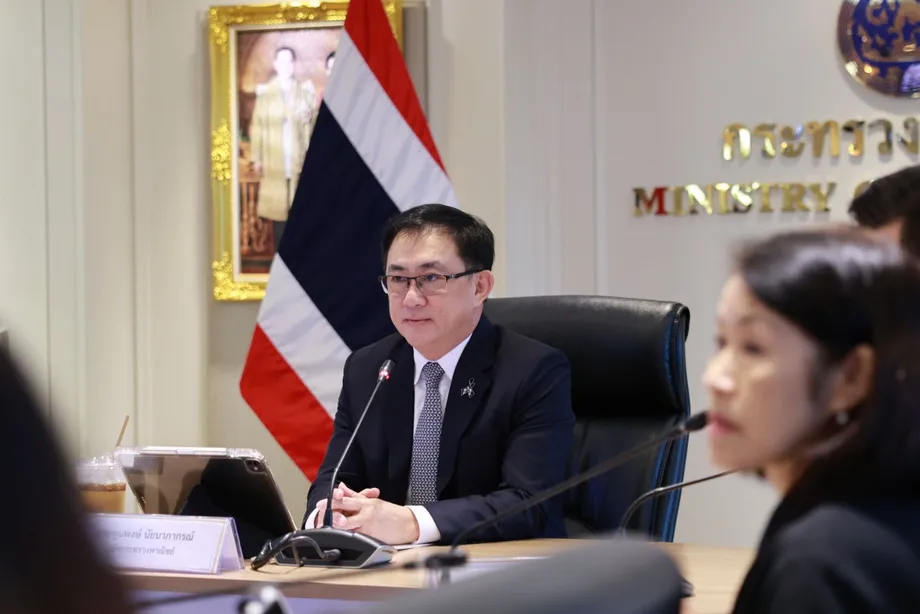
Commerce Permanent Secretary Poonpong Naiyanapakorn outlined the wider response on October 21, following instructions from Deputy Prime Minister and Commerce Minister Suphajee Suthumpun. The plan combines price and stock inspections, cheaper everyday goods and a separate partnership with 27 businesses offering discounts on 4,223 products and services for people recovering from floods.
The package addresses two pressures on household budgets: the recurring cost of food and other necessities, and the expense of repairing homes, replacing appliances or fixing vehicles after flooding. Discounts in the flood recovery campaign reach a maximum of 78%, with different limits for each category.
Poonpong said price pressure in Thailand remained limited rather than widespread. The ministry nevertheless wants to act before expensive fuel and freight feed into more shop prices and reduce purchasing power, meaning the amount people can buy with their income.
Why the ministry is watching fuel and freight
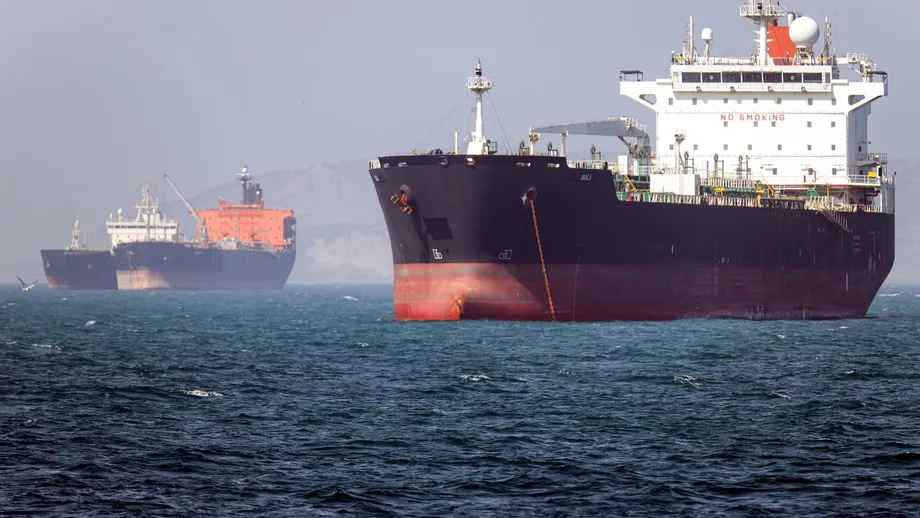
Department of Internal Trade Director General Wattanasak Sur-iam said domestic diesel prices had approached 43 baht per litre. At the time of his statement, no goods producer had submitted a request to the department to increase selling prices, he said.
Diesel affects both the production and movement of goods. A manufacturer may face higher operating expenses, while a distributor pays more to move products to warehouses and shops. Passing those costs to consumers means raising the price households pay.
Wattanasak said producers were continuing to hold prices to ease pressure on consumers. The department would monitor whether selling prices remained fair and consistent with actual costs.
The ministry also identified conflict in the Middle East as a source of pressure on energy and goods prices. Flooding has created another burden by damaging homes and household possessions, leaving affected families with repair bills alongside their usual expenses.
Poonpong's response centres on watching costs before price increases spread. Officials will examine individual product categories because an increase in fuel costs can affect different goods by different amounts.
What Thailand is taking from European protests
Suphajee instructed ministry officials to study the pressures behind protests in several European countries while monitoring global living costs and Thai inflation. Poonpong pointed to a combination of rising expenses, incomes failing to keep pace, inequality and dissatisfaction with public services and government policies.
Poonpong, the ministry's permanent secretary, described the lesson in these words, translated from Thai:
Lessons from European countries show that the cost of living problem is not merely about inflation figures, but results from pressures on several fronts that accumulate and overlap.
Inflation measures how prices change across a basket of goods and services. A family's ability to manage its bills also depends on its income, existing expenses and any sudden costs, such as flood repairs. Poonpong's assessment places those household pressures alongside the movement in prices.
He said Thailand's economic and social circumstances differed from Europe's and that the country already had government mechanisms to help with living costs. His instruction was to monitor risks early and target assistance before pressure on household spending became more widespread.
Price checks will follow goods from producers to shops
The Department of Internal Trade is responsible for the first part of the package: monitoring the cost structure and selling prices of essential goods from production through wholesale and retail distribution.
Officials will hold discussions with major manufacturers, wholesalers and retailers to seek delays in price increases, particularly where production costs have not changed. They will also track supplies to keep enough goods available to meet demand.
Commerce offices in all 76 provinces have been instructed to coordinate with local agencies and inspect prices and stock levels. Their tasks include preventing hoarding and opportunistic price increases. Hoarding involves holding goods back from sale, which can leave fewer products available when shoppers need them.
The ministry's approach combines requests for business cooperation with the use of legal price supervision mechanisms. It also puts supply checks beside price checks: keeping a product affordable is useful to shoppers only when they can find it for sale.
If energy prices remain high, officials plan to increase monitoring of production and transport costs, assess the effects on each product category and work with businesses to manage expenses before they reach consumers.
What shoppers can buy at the discount points
The 3,036 Blue Flag sales points carry three broad groups of goods. The first focuses on staples that households buy regularly: eggs, rice, cooking oil and sugar.
The second consists of consumer goods supplied directly by manufacturers across five categories: everyday necessities, personal cleansing products, laundry products, food and seasonings, and cleaning equipment.
The third brings together electrical appliances, retailer house brands, products from small and medium sized businesses, agricultural produce and goods promoted by individual provinces. It also includes geographical indication products, known as GI goods, whose identity or reputation is connected to a particular place.
Bangkok locations include National Housing Authority sites, district offices and other government premises. Residents can check nearby sales points through the Department of Internal Trade website or its official LINE account, @thai.thongfah.
The ministry expects the pilot to reduce household spending by about 200 million baht across its full run. That is a forecast of combined savings from the programme, while the benefit to an individual shopper will depend on what they buy.
Flood recovery discounts cover homes and vehicles
The separate Thai Chuay Thai flood recovery campaign runs during October and November 2026. Its 27 participating businesses include building materials stores, appliance sellers, vehicle service centres, car companies, wholesalers and retailers.
The campaign's detailed breakdown lists 4,223 products and services across five categories. Each category has its own maximum discount:
- Building materials and cleaning equipment: 363 items, with discounts of up to 77%.
- Electrical appliances: 736 items, with discounts of up to 74%.
- Vehicle service centres: 1,827 items and services, with discounts of up to 64%.
- Car companies: 41 items and services, with discounts of up to 30%.
- Consumer goods and household supplies: 1,256 items, with discounts of up to 78%.
Vehicle service centres account for about 43% of the 4,223 listed items and services, calculated from their 1,827 entries. The size of that category shows how much of the campaign concerns restoring transport as well as repairing homes.
Participating home improvement and building materials businesses include Global House, Dohome, Thai Watsadu, HomePro, Mega Home and MR.DIY. Offers include free inspections of homes after flooding, discounts on major cleaning work and home repair services.
Appliance promotions cover washing machines, refrigerators, air conditioners, televisions and other household equipment. Selected offers include free inspections and repairs, spare parts discounts of up to 50%, trade in arrangements and instalment payments at 0% interest.
Vehicle service participants include FIT Auto, Cockpit and B-Quik. Offers include free vehicle checks, reductions in labour and parts charges, and initial roadside assistance in areas affected by flooding.
Participating car companies include Toyota, Ford, Isuzu, Honda, Mitsubishi and Nissan. Listed promotions include towing support of up to 8,000 baht, instalment payment pauses of three months and discounts of up to 130,000 baht on a new vehicle. The advertised reductions and services vary by participating offer.
A larger programme depends on a budget request
After the 90 day pilot, the Commerce Ministry plans to request a government budget allocation of 1 billion baht to continue the programme over a longer period. Approval of that request has not been announced.
The proposed allocation is five times the pilot's projected household savings of 200 million baht. The figures describe different parts of the plan: 1 billion baht is the funding the ministry intends to seek, while 200 million baht is its estimate of what shoppers could save during the initial programme.
The ministry also plans to coordinate with the Interior Ministry to extend price assistance points to every district. The present network covers Bangkok and all 76 other provinces; the proposed expansion would bring the focus down to district access.
Location matters for the practical value of a discount. A nearby sales point can give a household another place to buy necessities, while a distant outlet adds travel costs to the shopping bill. The district coverage proposal addresses the reach of the scheme as well as its duration.
The dates and the balance officials want to protect
The programme brings together measures with different schedules. The Blue Flag pilot continues into January 2027, while the flood recovery promotion is scheduled for October and November 2026.
- October 16, 2026: The ministry launched the Blue Flag pilot with 3,036 sales points.
- October 21, 2026: Poonpong outlined the wider response to energy costs, transport expenses and risks to household purchasing power.
- October to November 2026: The partnership with 27 businesses offers discounts on flood recovery goods and services.
- January 2027: The pilot is scheduled to finish after its 90 day run.
- After the pilot: The ministry plans to seek 1 billion baht for a longer programme.
Poonpong said the ministry must balance affordable essentials with the ability of businesses to keep operating. It also wants farmers to receive fair prices for their produce. Those aims connect consumer relief with the income of the people who make, grow and sell goods.
The permanent secretary also called for income gains to reach people across all groups and urged the agencies involved to produce concrete results. Cheaper goods address household expenses; wider income distribution is the other part of the objective he described.
For households, the immediate measures are additional places to buy necessities and discounts aimed at flood repairs. For manufacturers and retailers, the ministry's message is to hold prices where costs allow, maintain supplies and prepare for closer scrutiny if expensive energy continues.
Key Points
- Thailand launched 3,036 Blue Flag discount sales points on October 16, 2026, for a pilot lasting 90 days into January 2027.
- The network includes 300 points in Bangkok and 2,736 across the other 76 provinces.
- The Commerce Ministry forecasts combined household savings of about 200 million baht during the pilot.
- A separate flood recovery campaign involves 27 businesses and 4,223 products and services, with discounts reaching 78%.
- Provincial commerce offices will inspect prices and supplies while officials ask businesses to delay price increases where costs have not changed.
- The ministry plans to seek 1 billion baht for a longer programme and work toward coverage in every district.