A love song at a moment of national uncertainty
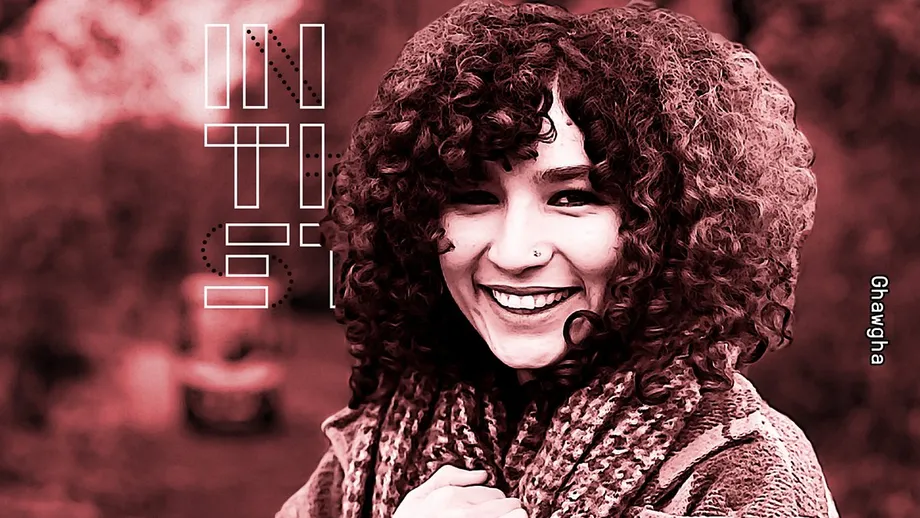
On the eve of Valentine's Day in February 2019, Afghan poet Ramin Mazhar recited a poem on a hilltop. Singer Ghawgha Taban turned its words into a song, and a recording spread across social media the next day. Its central line made an intimate promise sound like a public act of resistance: "I kiss you amid the Taliban, you are not afraid!"
Contents
- A love song at a moment of national uncertainty
- Why the poem travelled beyond Valentine's Day
- Kabul celebrated while Herat police warned residents
- Ghawgha questioned the crowd cheering her
- Peace negotiations sharpened the stakes
- Women feared losing rights gained since the 1990s
- How the story unfolded
- Qaf carries the story into migration
- Key Points
The song reached listeners while U.S. envoy Zalmay Khalilzad was negotiating with Taliban representatives over Afghanistan's future. For young Afghans who had grown up with greater opportunities to study, perform and speak publicly, the prospect of a settlement brought a difficult question: would peace protect those freedoms, or require giving them up?
Ghawgha's performance gave that anxiety a voice. Love, poetry and a woman's public singing became ways to express opposition to restrictions associated with Taliban rule. Yet the singer also warned that enthusiastic online support could turn into hostility, revealing how vulnerable a performer could feel even while being celebrated.
Her story later extended beyond the moment captured in the viral recording. After growing up between Afghanistan and Iran, Ghawgha came to live in Norway through the ICORN residency programme for artists at risk. Her album Qaf, sung in Farsi, carries the subjects of war, displacement and discrimination into another chapter of her music.
Why the poem travelled beyond Valentine's Day
Mazhar's poem placed affection in settings marked by danger: roads, taxis, gunfire and suicide attacks. Its repeated declarations of love connected ordinary human closeness with the courage needed to live through war. The words were direct enough to travel easily from a poetry gathering to a song shared on Facebook and Twitter.
Mazhar, the Afghan poet whose work Ghawgha sang, framed a kiss as both devotion and resistance:
You are pious, your kisses are your prayer. You are different, your kisses are your protest. You are not afraid of love, of hope, of tomorrow.
Ghawgha's voice brought those lines to an audience beyond the original gathering. The recording became a subject of online discussion because it joined a familiar occasion, Valentine's Day, to an urgent political concern. A celebration of love also became a statement about who could decide how young Afghans lived.
The song circulated widely, although no verified audience total was given. Its reach was described through the speed of sharing and the debate it generated, rather than a published count of views or listeners.
Kabul celebrated while Herat police warned residents
Young people in Kabul marked Valentine's Day with gatherings and singing. Their celebrations reflected the growing popularity of the occasion among some urban Afghans, even as other parts of society objected to it.
In the western province of Herat, the police command issued a statement warning residents against celebrating. The command cited religious scholars and clerics who considered the occasion contrary to Islamic teachings.
Kabul's gatherings and Herat's warning showed how differently the same celebration could be received within Afghanistan. Young people were making choices about music, affection and public expression while facing objections that could carry the authority of local police.
That tension helps explain the song's appeal. Its language addressed the Taliban, but the debate around Valentine's Day also involved wider social attitudes and the actions of institutions operating before the Taliban returned to national power in 2021.
Ghawgha questioned the crowd cheering her
Ghawgha responded to the attention with a statement that was more cautious than a simple celebration of success. She described her purpose as expressing a personal stance against a situation dominated by what she called Talibanism, referring to the attitudes and restrictions she opposed.
Ghawgha, the singer at the centre of the online response, described her reaction in these words:
The reactions are both hopeful and concerning with the main reason being populism
Her concern was that people who treated an artist as a heroic figure could later turn against that same person. In her statement, she described fears of being branded a prostitute or subjected to extreme violence. Those were warnings about the dangers she perceived around public approval, rather than accounts of attacks on her after the song.
Ghawgha also argued that opposing Taliban ideas required individual conviction. A crowd could unite quickly around praise or condemnation; a lasting commitment to freedom required people to think and act for themselves. Her response made the song's reception part of the story: she welcomed resistance to repression while questioning how dependable its supporters might be.
Peace negotiations sharpened the stakes
Khalilzad, then the U.S. Special Representative for Afghanistan Reconciliation, was meeting Taliban negotiators and regional leaders in an effort to end a conflict that had lasted about 17 years. The possible withdrawal of roughly 11,000 U.S. troops was among the central issues being discussed.
President Ashraf Ghani's government was excluded from the negotiations described at the time, and Taliban negotiators refused direct talks with his administration. That left Afghanistan's elected government outside discussions capable of reshaping the country's security and political arrangements.
The pressure to find a settlement was immense. The reported civilian death toll for 2018 was 3,804. Ghani had also acknowledged that approximately 45,000 members of the Afghan security forces had died over the preceding four years. The figures covered different groups and periods, but together conveyed the scale of loss facing Afghan society.
For young people responding to Ghawgha's song, the choices were therefore painful. Ending the fighting mattered urgently. So did protecting education, women's participation in public life and the ability to express disagreement. The song gave emotional form to the fear that people outside the negotiations might bear the cost of decisions made inside them.
Women feared losing rights gained since the 1990s
Afghan women had particular reasons to worry about a Taliban return. During the movement's rule in the 1990s, women were deprived of basic opportunities, including education and work. By 2019, concerns about another Taliban government were tied to lived experience and family memories.
A social media campaign called "Will Not Return Backwards" expressed resistance to losing the freedoms gained during the intervening years. It emerged amid rumours about a Taliban return, an interim government, the dissolution of the Afghan army and the departure of foreign forces. At that stage, those circulating possibilities had not become an agreed settlement.
Taliban representatives gave assurances during a Moscow meeting on February 5 and 6, 2019, which took place without Afghan government representatives. Those assurances did not resolve concerns about women's political and civil rights, freedom of expression or the future of elections.
Ghawgha's performance made those political issues concrete. A woman's ability to sing publicly was itself one of the freedoms at stake. Her song connected negotiations about troops and government to the everyday question of whether an artist could keep making and sharing her work.
How the story unfolded
The song belongs to a specific moment before the Taliban's return to power. Its later place in Ghawgha's career becomes clearer when the events are set in order:
- February 5 and 6, 2019: A Moscow meeting involving Taliban representatives took place without Afghan government representatives.
- The eve of Valentine's Day in 2019: Ramin Mazhar recited the poem on a hilltop, and Ghawgha turned it into a song.
- Valentine's Day in 2019: The recording spread on social media amid celebrations in Kabul and warnings against the occasion in Herat.
- 2021: The Taliban returned to power in Afghanistan.
- In a later chapter of her career: Ghawgha lived in Norway through ICORN and worked on Qaf, an album about experiences including migration, war and discrimination.
In 2019, the song voiced fears about what a future political settlement might bring. After the 2021 takeover, it also became a record of the freedoms that a generation had celebrated before the change in government.
Qaf carries the story into migration
Ghawgha's later work draws on a life shaped by more than one country. She grew up between Afghanistan and Iran, and her move to Norway placed her within ICORN, a programme that provides residencies for artists at risk.
Qaf takes its name from a mysterious mountain in legend associated with the nest of the mythological bird Simurgh. Ghawgha worked with poets from Afghanistan while also writing lyrics herself, continuing the connection between poetry and song that helped bring her 2019 recording to public attention.
The album describes her physically and emotionally difficult journey from Afghanistan to Europe. It also reflects the experiences of others affected by war, discrimination and migration. Its focus extends from the public defiance of the Valentine song to the personal costs of leaving home and building a life elsewhere.
Ghawgha's music links these experiences through a consistent concern: the ability to live and speak as an individual. In 2019, that concern emerged through a declaration of love amid political uncertainty. In Qaf, it finds expression through the losses and memories carried across borders.
Key Points
- Ghawgha Taban's 2019 song adapted a poem by Ramin Mazhar and spread rapidly on social media around Valentine's Day.
- Young people celebrated in Kabul, while Herat's police command warned residents against marking the occasion.
- The song circulated during U.S. negotiations with the Taliban that excluded President Ashraf Ghani's government.
- Ghawgha welcomed resistance to restrictive attitudes but warned that public admiration could turn into hostility.
- After the Taliban returned to power in 2021, the song stood as a record of freedoms celebrated by a generation of young Afghans.
- Ghawgha later lived in Norway through ICORN and developed Qaf, a Farsi album addressing migration, war and discrimination.