Four relievers protect Milwaukee's narrow lead
The Milwaukee Brewers needed 14 outs from their bullpen after Jacob Misiorowski departed, and they got every one without allowing a run. Brice Turang's fourth inning homer and Luis Lara's fifth inning single supplied just enough offense for a 2-1 victory over the Los Angeles Dodgers at American Family Field, giving Milwaukee a 1-0 lead in the National League Championship Series.
Contents
- Four relievers protect Milwaukee's narrow lead
- The Dodgers score first but miss a bigger inning
- Turang changes the game with one swing
- A walk, a bunt and Lara's decisive single
- Why 104 mph did not produce a long start
- The bullpen turns pressure into outs
- Lineup choices mattered before the first pitch
- The offensive problem is plain, even when totals differ
- Yamamoto and Henderson are next
- Key Points
DL Hall, Abner Uribe, Aaron Ashby and Trevor Megill combined for 4 2/3 scoreless innings, allowing two hits and three walks. Three double plays helped Milwaukee contain an offense that collected seven hits but scored only once. The last threat ended when Garrett Mitchell caught Mookie Betts' drive at the center field warning track with two runners aboard.
The result broke Milwaukee's streak of seven consecutive postseason losses to Los Angeles, stretching back to the 2018 NLCS. It also reversed the opening result of the previous season's meeting, when the Dodgers won in Milwaukee before completing a sweep in four games.
Reports differ on the calendar date. Accounts describing the game as Sunday place it on October 11 in the United States and October 12 in Japan, with Game 2 on Monday, October 12. Other descriptions label the opener October 12, while embedded social posts carry October 12, 2026 timestamps. Those dates do not establish a consistent year for the game.
The Dodgers score first but miss a bigger inning
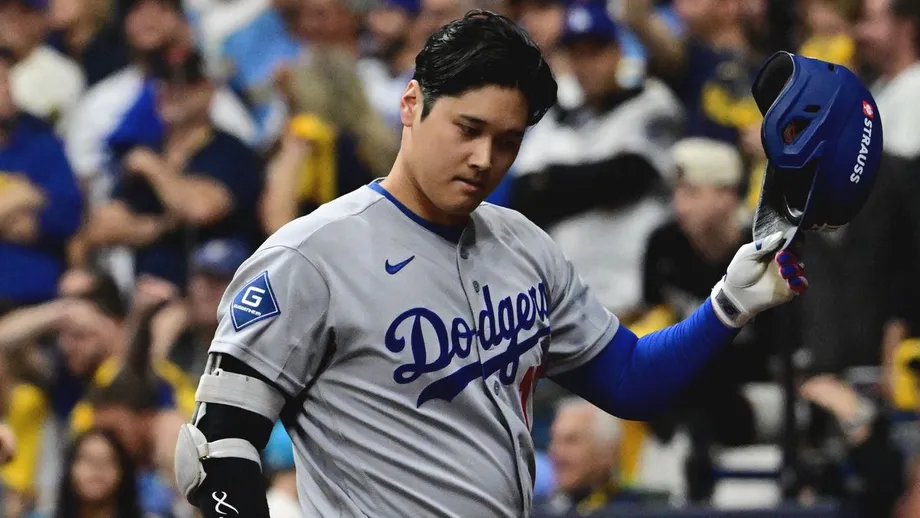
Shohei Ohtani, batting fourth as the designated hitter, opened the second inning with a walk. Teoscar Hernández singled to right, and Andy Pages followed with another single to right that brought Ohtani home for a 1-0 lead.
Los Angeles made Misiorowski throw 35 pitches in that inning, including 10 to Kyle Tucker before Tucker drew a walk. With the bases loaded and one out, the Dodgers had an opportunity to turn an early advantage into a substantial lead. Instead, Kiké Hernández grounded into a double play, with shortstop Cooper Pratt and second baseman Turang completing the play.
That escape repeated an earlier pattern. In the first inning, Freddie Freeman singled, but Will Smith hit into a double play to end the threat. Milwaukee's defense converted two innings with runners aboard into innings that ended without further damage.
Ohtani finished with one hit in three at bats, one walk and the Dodgers' only run. His sixth inning single offered another opening, but Los Angeles again failed to bring him home. Getting runners aboard was not the central problem. Turning those chances into a second run was.
Turang changes the game with one swing
Tarik Skubal controlled the first three innings, retiring nine of the first 10 Brewers he faced and striking out six. Turang changed that in the fourth, reaching a 2-0 count before driving an inside sinker over the wall in left center.
The home run traveled a projected 384 feet according to Statcast, MLB's tracking system. It was an unusual result for a left handed hitter facing a hard pitch on the inside edge from a left handed pitcher. Rather than pulling the ball toward right field, Turang sent it the other way into Milwaukee's bullpen.
Brewers first baseman Jake Bauers described the difficulty of that swing:
"Having seen plenty of lefty sinkers at 97 in on the black in my life, I have no idea how he hit it out to left centre," said Bauers.
Turang had gone 2 for 16 in the Division Series against San Diego and had worked on his swing with assistant hitting coach Daniel Vogelbach. In the opener, he contributed both the tying run and the defensive turns that prevented Los Angeles from widening its lead.
The contrast was striking: the Dodgers had hit 50 more home runs than Milwaukee during the regular season, yet the Brewers supplied the only homer in Game 1. Milwaukee did not need to match Los Angeles' season total. It needed one productive swing against Skubal.
A walk, a bunt and Lara's decisive single
Milwaukee took the lead through a very different sequence in the fifth. Mitchell drew a leadoff walk, Pratt moved him to second with a sacrifice bunt, and Lara hit Skubal's first pitch, a changeup, through the middle for the deciding single.
The sacrifice exchanged an out for better scoring position. With Mitchell on second rather than first, Lara's single was enough to bring him home. Manager Pat Murphy trusted one rookie to advance the runner and another, the 21 year old Lara, to drive him in.
Skubal, the Dodgers' starting pitcher, identified the walk rather than the single as the mistake that opened the inning:
The leadoff walk just can't happen. It gives them an opportunity to create something, and ultimately that's all they needed today.
The Brewers later loaded the bases in the fifth, but Skubal retired William Contreras on a fly to right to prevent another run. He finished with five hits allowed, two runs and seven strikeouts over five innings, throwing 81 pitches. It was the shortest of his eight career postseason starts.
Milwaukee's contact improved sharply as the game progressed. Against Skubal, its hitters missed on 12 of 22 swings in the first three innings, a rate of 54.5%. In the fourth and fifth, they missed on only one of 16 swings, or 6.3%. Those small samples describe the change within this game, not a reliable prediction of another meeting.
Why 104 mph did not produce a long start
Misiorowski's fastball reached 104 mph, but velocity alone did not let him work deep into the game. He allowed five hits and three walks, struck out five and needed 94 pitches to record 13 outs. He left with one out in the fifth after walking Betts.
Los Angeles fouled off 21 of its 42 swings against him. Those repeated contacts extended plate appearances, denied him quick outs and pushed his pitch count upward even when the Dodgers did not score.
A disputed balk call added to the fourth inning workload. Teoscar Hernández appeared to have been picked off first base for the final out, but the call instead awarded him second. A balk is an illegal pitching action with runners aboard that generally allows them to advance. Misiorowski recovered to strike out Tucker, but he had thrown 85 pitches through four innings.
Brewers manager Pat Murphy defended his starter while pointing to a season workload approaching 190 innings, far beyond what Misiorowski had previously carried:
Again, he gave us 13 outs. I thought he was really good. His stuff wasn't great, no, it wasn't, but it's still pretty darn good.
Misiorowski had also lasted only four innings in his Division Series opener against San Diego, throwing 88 pitches. Across those two starts, he threw 182 pitches for 25 outs. Milwaukee won Game 1 of the NLCS despite that short outing, but repeated early exits would require substantial relief work throughout the series.
The bullpen turns pressure into outs
Hall immediately stopped the fifth inning threat, needing four pitches to induce a double play from Freeman. It was Milwaukee's third double play of the night, and each ended an inning.
Uribe took the sixth and faced another scoring chance. Ohtani singled, and Max Muncy's single eventually left runners at first and third with two outs. Uribe struck out Pages, keeping the score at 2-1. Ashby then covered the seventh and eighth, allowing just one baserunner and getting infield popups from Freeman and Ohtani in the eighth.
The Dodgers' relievers also kept the game close. Alex Vesia picked Bauers off first in the sixth. Evan Phillips struck out all three hitters he faced in the seventh, and Tanner Scott escaped a bases loaded situation in the eighth after Milwaukee used a sacrifice bunt and Los Angeles issued two intentional walks.
Megill recorded the first two outs of the ninth before walking Tucker and pinch hitter Josue De Paula. Betts then drove a ball deep to center, but Mitchell caught it short of the wall to finish the game.
Through Milwaukee's first five postseason games, its bullpen had a 0.38 earned run average over 23 2/3 innings and held opponents to a .163 batting average. Hall, Uribe, Ashby and Megill had combined for 19 2/3 innings without an earned run. The workload was substantial: Uribe appeared in all five games, Ashby and Megill in four, and Hall in three.
Lineup choices mattered before the first pitch
Christian Yelich was absent from Milwaukee's starting lineup despite a productive Division Series. Murphy chose Andrew Vaughn as the designated hitter against Skubal, prioritizing the matchup with a left handed starter.
Vaughn had an .834 OPS during the regular season. OPS adds on base percentage and slugging percentage, giving a broad measure of how often a hitter reaches base and how much power he produces. Against left handed pitching, Vaughn hit .336 with a .421 on base percentage and a .517 slugging percentage.
His history against Skubal was less favorable, with a .488 OPS in 23 career plate appearances. Murphy's choice therefore favored Vaughn's wider performance against left handers over that small record against one pitcher.
Health limited Milwaukee's alternatives. Bauers was playing with a fractured right toe and shin splints, making an outfield assignment unsuitable. Starting Vaughn at first base and moving Bauers to right would otherwise have allowed Yelich to remain at designated hitter.
Los Angeles also entered with an adjusted lineup. Ohtani had gone 2 for 13 in the Division Series after hitting .157 with a .214 slugging percentage over his final 18 regular season games. His two times on base in Game 1 represented some progress, although they produced only the one run.
The offensive problem is plain, even when totals differ
Reports disagree on the Dodgers' final situational totals. One gives Los Angeles one hit in five at bats with runners in scoring position and seven runners left on base. Another gives one hit in six such at bats and nine runners left. Without a reconciled scorebook, those figures should not be treated as interchangeable.
The central sequence is consistent: the Dodgers hit into three double plays that ended innings, failed to convert the sixth inning chance against Uribe, and finished with Betts' flyout after two ninth inning walks. Milwaukee collected six hits to Los Angeles' seven but produced the extra run.
Other accounts describe the Dodgers' postseason record with runners in scoring position as two hits in 27 opportunities, with both hits coming from Pages. Some call those opportunities plate appearances and others treat them as at bats, a distinction that matters because plate appearances also include walks and other outcomes.
Betts, the Dodgers' shortstop, focused on converting pressure rather than abandoning the approach that drove Misiorowski from the game:
They got their hit. At some point, we've got to get ours.
These results explain the defeat, but a short stretch of poor hitting with runners aboard does not establish that the same outcomes will continue. Milwaukee's pitching and defense also deserve credit for creating them.
Yamamoto and Henderson are next
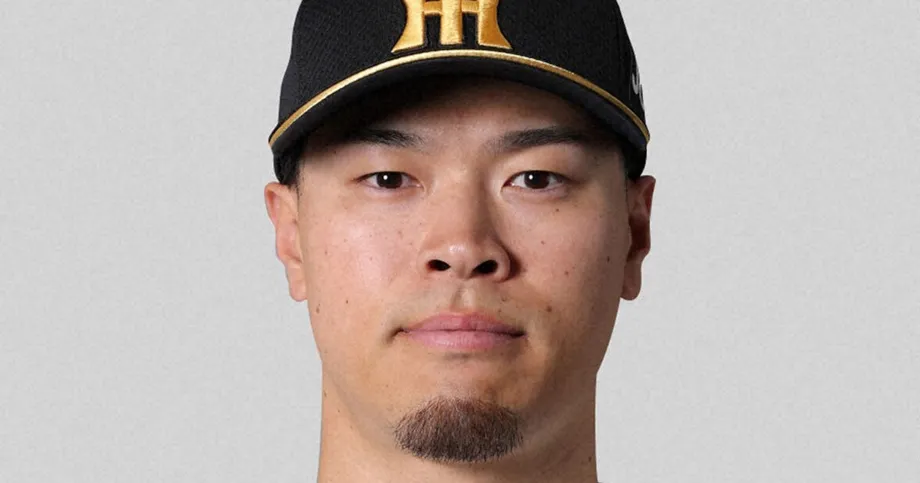
Game 2 was scheduled for Monday at 5 p.m. ET, with Yoshinobu Yamamoto starting for Los Angeles against Logan Henderson. Yamamoto entered with a 5-0 record and a 1.42 ERA across six postseason road starts. Henderson had held the Dodgers to one run over seven innings in an August game in Los Angeles.
The immediate sequence and stakes are:
- Game 1: Milwaukee wins 2-1 at American Family Field and takes a 1-0 series lead.
- Game 2: Yamamoto faces Henderson on Monday at 5 p.m. ET.
- After Game 2: The current 2-3-2 format moves the series to Los Angeles for three games, with the final two in Milwaukee if necessary.
Historical results favor Milwaukee, without determining what happens next. Teams taking a 1-0 lead in a postseason series requiring four wins have advanced in 127 of 197 cases, about 64.5%. Teams winning the opener at home under the current format have advanced in 69 of 103 cases, about 67%. The corresponding totals for teams losing those openers are 70 of 197 and 34 of 103.
Some narrower records favor Los Angeles in Game 2. The Dodgers were 34-29 in postseason second games and 11-6 in league championship series second games. Milwaukee's records were 5-10 and 0-4. Those totals cover different seasons and rosters, so they are historical context rather than probabilities for Yamamoto and Henderson.
Milwaukee has won the opener while playing its fifth consecutive postseason game decided by two runs or fewer, becoming only the fourth team to begin a playoff run that way. Its route to victory was specific: defense limited the early damage, two scoring sequences beat Skubal, and four relievers protected the difference. Los Angeles now needs to turn its repeated opportunities into more runs.
Key Points
- Milwaukee won the NLCS opener 2-1 and ended seven straight postseason losses to the Dodgers.
- Turang tied the game with a 384 foot homer; Lara drove in Mitchell for the lead in the fifth.
- Misiorowski allowed one run in 4 1/3 innings, and four Brewers relievers supplied 4 2/3 scoreless innings.
- Three double plays and Mitchell's catch of Betts' ninth inning drive stopped key Dodgers threats.
- Ohtani reached base twice and scored Los Angeles' only run.
- Yamamoto and Henderson were scheduled to start Game 2 on Monday at 5 p.m. ET.
- Reports differ on the opener's date and the Dodgers' final situational batting totals.