
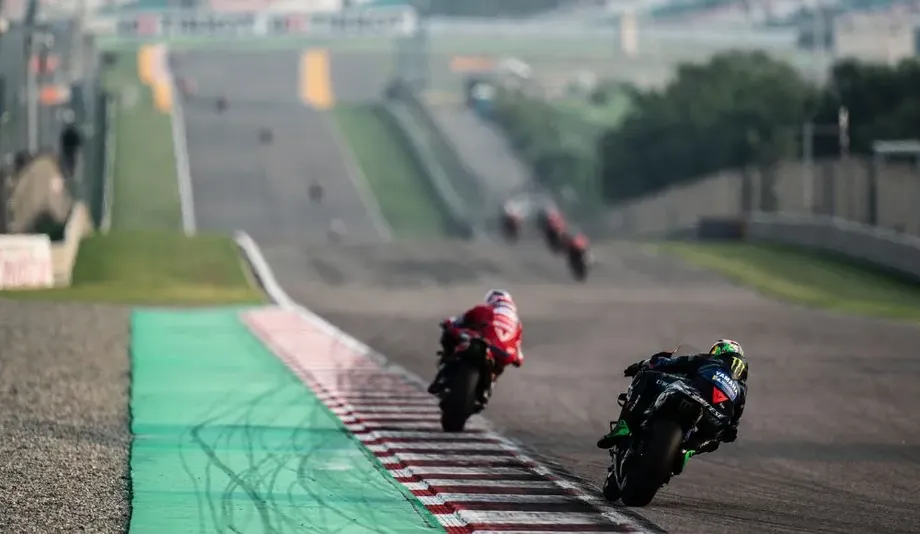
Record Crowds Bring a Busy Weekend to Kuta
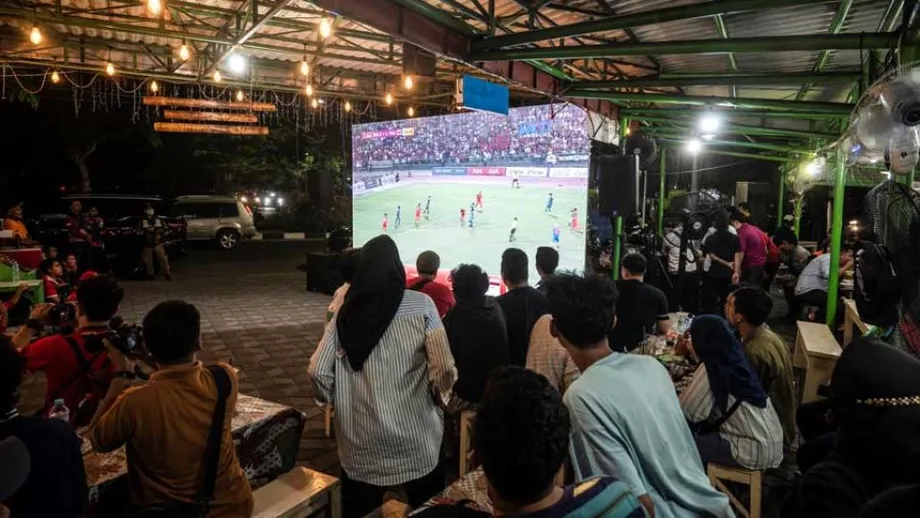
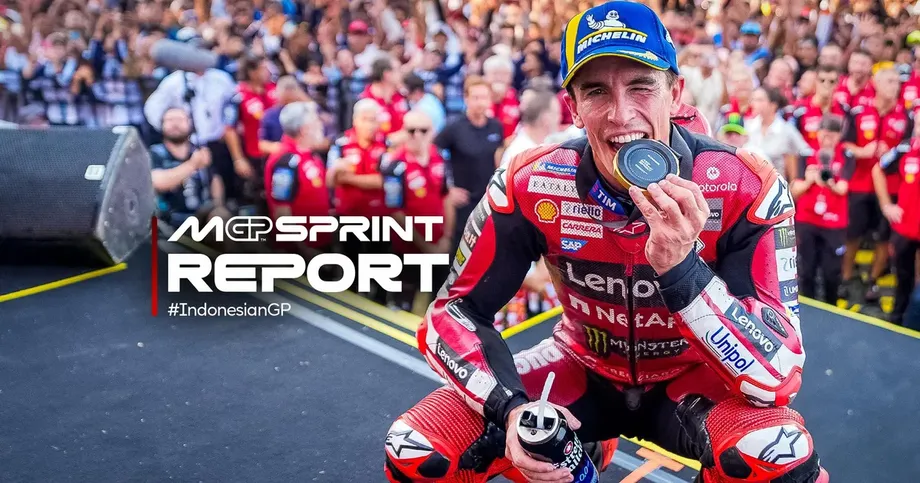
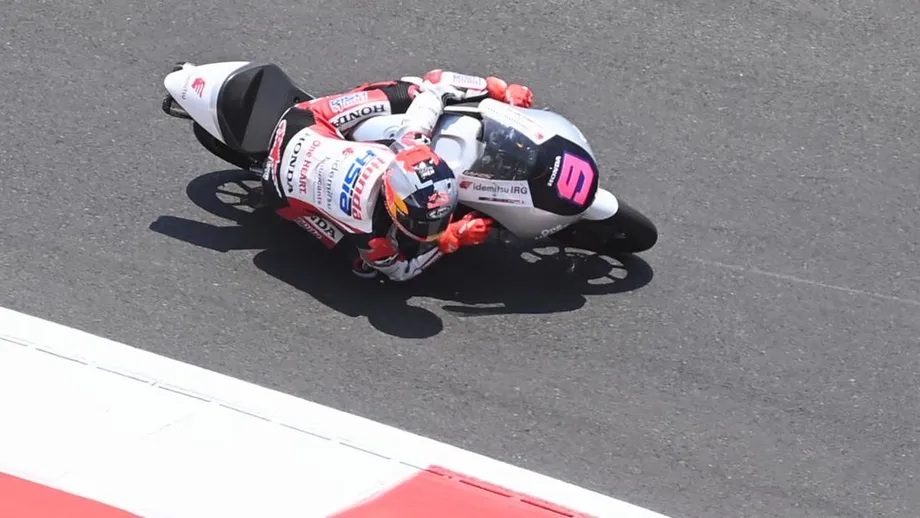
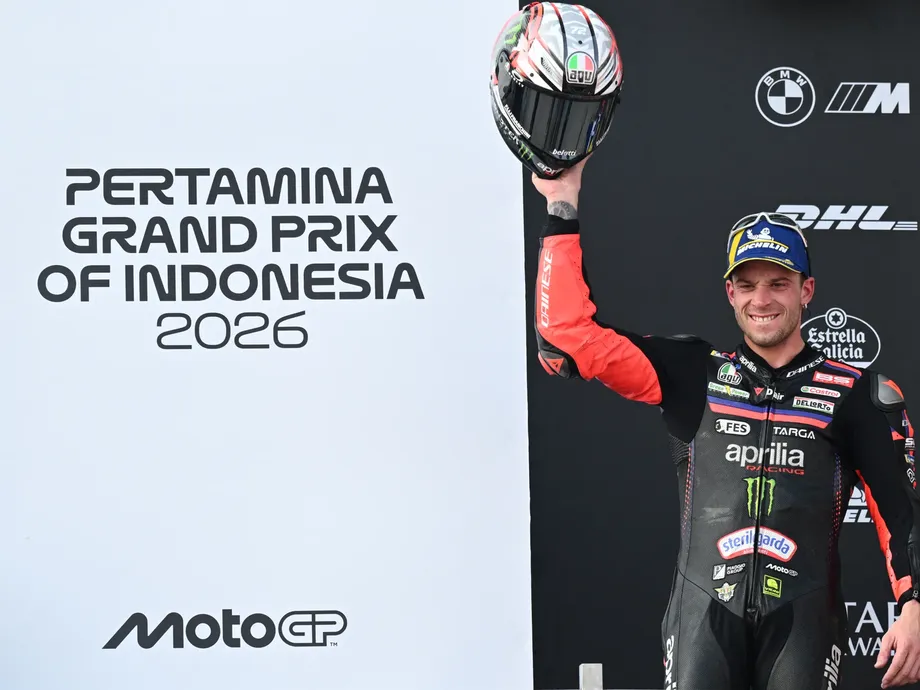
The Pertamina Grand Prix of Indonesia drew a reported 157,875 spectator attendances to Lombok on October 9 to 11, 2026, bringing full hotels, higher room prices and more business to communities around the Pertamina Mandalika International Circuit. In nearby Kuta Village, one accommodation operator said rooms normally priced at about Rp600,000 a night sold for as much as Rp2 million during the event, with every room booked.
Contents
- Record Crowds Bring a Busy Weekend to Kuta
- Room Prices Rise as Bookings Fill
- Full Hotels, but Some Homestays Still Have Space
- Attendance Climbs Across Three Days
- Ticket Sales and Attendance Measure Different Things
- Training Helps Homestays Prepare for Visitors
- A Campsite Adds Space for Motorcycle Communities
- Small Businesses and Workers Share the Activity
- What the Rp5 Trillion Estimate Does and Does Not Show
- Beyond the Race Weekend
- Key Points
The benefits extended beyond accommodation. Pertamina said more than 9,000 people were involved in staging the event, while 32 small businesses received space to sell products in its area. A new campsite accommodated visiting motorcycle communities, and local homestay owners drew on hospitality training delivered with Mataram University.
InJourney chief executive Maya Watono and West Nusa Tenggara Governor Lalu Muhamad Iqbal estimated the economic multiplier effect at Rp5 trillion. That figure describes an estimated spread of economic activity, rather than money paid directly to local households, and should be read separately from the room bookings and sales reported by individual businesses.
The weekend also exposed differences within the accommodation market. The regional hotel and restaurant association reported occupancy reaching 100% around Mandalika, while acknowledging that some homestays still had vacancies. Strong demand across the destination did not mean every property secured the same result.
Room Prices Rise as Bookings Fill
Bani, a homestay owner in Kuta, said occupancy increased sharply across the village and surrounding areas during the week before the race. The influx arrived at a useful time for accommodation businesses because, according to his account, tourism usually slows in October.
His usual rates range from Rp350,000 to Rp500,000 per night, with prices adjusted upward during the event. No specific race weekend rate was given for his property, so the size of that increase cannot be calculated.
Reddy Mardani, a representative of Mango Room Mandalika, provided a more precise comparison. Rooms normally costing about Rp600,000 per night sold for up to Rp2 million, and all were booked. The highest quoted event price was approximately 3.3 times the normal rate, an increase of about 233%.
That is a comparison for one business, not an average across Kuta. It nevertheless shows how concentrated demand around a major race can change the earnings available from a limited number of rooms. Actual profit would also depend on operating costs, staffing and the number of nights sold, none of which were disclosed.
Full Hotels, but Some Homestays Still Have Space
Ni Ketut Wolini, chair of the West Nusa Tenggara branch of the Indonesian Hotel and Restaurant Association, known as PHRI, said accommodation occupancy in the Mandalika Special Economic Zone had reached 100%. She also acknowledged that some homestays remained unoccupied, describing the surrounding accommodation market as generally full.
Her account put occupancy in Mataram and Senggigi at 80% to 90%. Hotels with star classifications in Mataram were full, she said, while smaller hotels and properties without star classifications were not necessarily all booked.
Tourism Minister Widiyanti Putri Wardhana later cited 100% hotel occupancy in Mandalika and 90% in Central Lombok and Mataram. These accounts point to similar pressure on accommodation, although they cover different geographical areas and do not establish a single occupancy rate for every type of lodging.
Domestic travelers accounted for more room bookings than international travelers, according to Wolini. That distinction matters because local operators also described growing overseas interest in Kuta. For this race, the association identified Indonesian travelers as the larger booking market.
Wolini said the repeal of Governor Regulation No. 9 of 2022, which governed accommodation tariffs, had affected hotel occupancy. She explained that the former rules set permitted increases by zone, while prices now followed market mechanisms within reasonable limits. PHRI had received no complaints about accommodation prices at the time of her remarks. That describes complaints reaching the association, rather than proving that every visitor considered prices affordable.
Attendance Climbs Across Three Days
The reported attendance total of 157,875 set a new record for the Mandalika MotoGP weekend. It exceeded the 2025 figure of 140,324 by 17,551, or about 12.5%. Compared with the 102,801 recorded in 2022, the increase was 55,074, approximately 53.6%.
The figures show both growth between editions and a steady rise in crowds during the 2026 weekend. The reported sequence of community travel and circuit attendance was:
- October 3: Around 120 motorcycle riders departed Jakarta for Lombok as part of a community touring trip.
- October 9: The opening day recorded 39,510 spectators.
- October 10: Saturday attendance rose to 53,296.
- October 11: Sunday attendance reached 65,069, taking the three day total to 157,875.
Previous attendance totals were 102,929 in 2023 and 121,252 in 2024, before reaching 140,324 in 2025. The biggest crowd during the 2026 weekend arrived on Sunday, accounting for approximately 41.2% of the combined attendance.
The total is a sum of daily attendance figures. It should not automatically be treated as 157,875 different visitors, since a person attending on several days could appear in more than one daily count. The published figures do not explain how repeat attendance was handled.
Ticket Sales and Attendance Measure Different Things
Muhammad Baron, vice president of corporate communication at PT Pertamina, said on October 10 that 140,000 tickets had sold out, citing information he had received from InJourney and its tourism development company, ITDC. A separate account described more than 150,000 visitors across the event, while the detailed attendance figures totaled 157,875.
These numbers should not be presented as interchangeable. Ticket sales count purchases or ticket allocations under a particular sales system. Attendance counts entries or spectators under the method used by organizers. Without definitions covering passes, repeat visits and other categories, the difference cannot be fully reconciled.
Youth and Sports Minister Erick Thohir welcomed the attendance record and said events such as MotoGP could help regional economies through tourism and business activity. The accommodation accounts offer concrete examples of that spending reaching nearby businesses, although they do not measure how much each household received.
Training Helps Homestays Prepare for Visitors
Pertamina and Mataram University supported local accommodation operators with training in hospitality, homestay management and English. Bani said the training helped owners improve service and manage their properties more professionally.
For a small accommodation business, these skills relate directly to daily work: communicating with guests, organizing bookings and delivering a consistent stay. English training also supports communication with international visitors, even though domestic travelers made up the larger share of race related bookings described by PHRI.
Reddy said visitor spending benefited local workers, food businesses, small enterprises and service providers as well as room owners. His account describes a chain of transactions around each stay, with guests buying meals and services and accommodation operators relying on local labor.
The race weekend provides a short period of intense demand. Training has a different purpose because the skills can be used after spectators leave. No figures were disclosed for the number of owners trained, changes in service ratings or occupancy outside the event, so the longer term results cannot yet be measured from these accounts.
A Campsite Adds Space for Motorcycle Communities
Pertamina introduced its first campsite in the circuit area for the 2026 event, offering capacity for up to 150 riders and crew. It was prepared for motorcycle communities traveling to Mandalika, including participants in the journey that left Jakarta on October 3.
Arya Dwi Paramita, Pertamina corporate secretary, said the campsite was intended to provide an accommodation alternative as occupancy around Mandalika increased. Introducing the facility, he said:
Ini adalah Camping Ground yang pertama kali dikelola oleh Pertamina. Di sini nanti akan digunakan teman-teman yang berasal dari komunitas riders,
His statement identified it as the first campsite managed by Pertamina and said motorcycle community members would use it. The facilities included mattresses, pillows, carpets, small tables and electricity, along with toilets and showers supplied with clean water.
The site also provided a prayer room with washing facilities, dining space and a sports area with table tennis. A doctor was available around the clock, with coordination involving a hospital in Mataram. Those arrangements were intended to support visitors who would undertake another long journey after the race.
Pertamina supported small businesses selling food and supplies at the campsite. Arya also said equipment such as mattresses and carpets could be donated to residents around the circuit afterward. The donation was described as a plan, with no final inventory or confirmation of distribution given.
Small Businesses and Workers Share the Activity
Baron said more than 9,000 people were involved in organizing the event, describing substantial participation by local workers. This is a count of people involved in the race operation, not evidence that 9,000 permanent jobs were created. No breakdown was given for working hours, wages or how many roles continued afterward.
Pertamina provided booth space for 32 micro, small and medium enterprises. Pertamina Patra Niaga also supplied 125 Bright Gas LPG cylinders, each with a capacity of 5.5 kilograms, through the local government to support small businesses during the event.
The stated cylinder capacities add up to 687.5 kilograms. The accounts did not specify how many businesses received cylinders or how supplies were divided, so an average allocation per business would be misleading.
Baron also pointed to continued hotel development under ITDC and cooperation with local government to develop community businesses, including homestays. New hotels can add accommodation capacity, while the vacancies reported at some homestays show that market demand is not distributed evenly across existing properties.
What the Rp5 Trillion Estimate Does and Does Not Show
The Rp5 trillion economic estimate attributed to Maya Watono and Governor Lalu Muhamad Iqbal is broader than hotel revenue or spending at the circuit. A multiplier effect describes how initial spending can generate further activity, such as when accommodation businesses purchase food, pay workers or buy services from other businesses.
Tourism Minister Widiyanti cited full hotels, increased air passenger numbers and rising small business turnover as evidence of economic activity around the event. No numerical increases for air passengers or business turnover were disclosed in the accounts, limiting the ability to compare those measures with previous years.
She also referred to a study by the Ministry of National Development Planning, Bappenas, which estimated the previous MotoGP edition's national economic impact at Rp2.7 trillion to Rp4.7 trillion. The 2026 estimate is Rp300 billion above the upper end of that range, a difference of about 6.4%.
That calculation compares the stated figures, not necessarily equivalent measurements. The earlier study was described as national in scope, while the method and geographical scope behind the Rp5 trillion estimate were not specified. Neither figure establishes the net financial benefit after event costs, public expenditure or business expenses.
The strongest evidence of benefits reaching nearby residents remains more specific: filled rooms at named properties, higher nightly rates, business booths, fuel support and local participation in event operations. Those examples show activity without proving how evenly the gains were shared.
Beyond the Race Weekend
Pertamina's community work in Kuta also included waste management under its Desa Energi Berdikari initiative. A waste bank turns inorganic waste into crafts and bags, while organic waste is processed into fertilizer.
Electric motorcycles used for waste collection are powered through a solar installation at Kuta Village Hall rated at 6.6 kilowatts peak, supported by a battery facility with 20 kilowatt hours of capacity. Kilowatts peak describes the solar system's rated generating power under standard conditions; kilowatt hours measures how much energy the battery can store.
These facilities connect local services with the demands of a busier visitor destination. However, no figures were given for waste collected during the race, electricity generated or operating savings, so their event related effect cannot be quantified.
The race also served Pertamina's commercial objectives. Nugroho Setyo Utomo, vice president of marketing at PT Pertamina Lubricants, said cooperation with the Pertamina Enduro VR46 Racing Team included product research and development as well as brand promotion. He described interest from overseas consumers, but supplied no sales figures or product testing results.
For local communities, the immediate result was a concentrated increase in business. The next test is whether accommodation skills, business participation and village services support earnings beyond the race dates. No scheduled release of a final economic assessment or timetable for reporting those longer term outcomes was identified.
Key Points
- Mandalika recorded 157,875 spectator attendances on October 9 to 11, 2026, about 12.5% above 2025.
- Hotel occupancy reached a reported 100% around Mandalika, although some homestays still had vacancies.
- Mango Room Mandalika said rooms normally costing about Rp600,000 sold for up to Rp2 million per night.
- Pertamina reported more than 9,000 people involved in event operations and booth support for 32 small businesses.
- A new campsite offered capacity for up to 150 riders and crew, with food sellers and medical support.
- The Rp5 trillion economic effect remains an estimate, distinct from verified household earnings or business profits.
- Hospitality training, waste processing and solar powered collection services form part of community support beyond the race.