Freedom From Compounds Brings New Dangers
Thousands of people have escaped or been released from scam compounds across Cambodia in recent days, leaving embassies and human rights organisations confronting an urgent problem: how to protect people who have left captivity but may have nowhere safe to go.
Contents
- Freedom From Compounds Brings New Dangers
- How Job Promises Become Forced Fraud
- Violence Behind the Security Walls
- Pressure Builds Around Chen Zhi
- The Events Behind the Exodus
- Official Ties Complicate Enforcement
- Released Victims Need Protection
- Regional Crackdowns and Border Strikes
- Can the Pressure Be Sustained?
- Key Points
As of January 22, 2026, the Indonesian embassy in Phnom Penh had received contact from 1,440 Indonesian nationals who had been released. Large crowds of Chinese nationals had also been seen queuing outside their embassy for assistance. The departures followed mounting international pressure to dismantle the multibillion dollar networks behind human trafficking and online fraud.
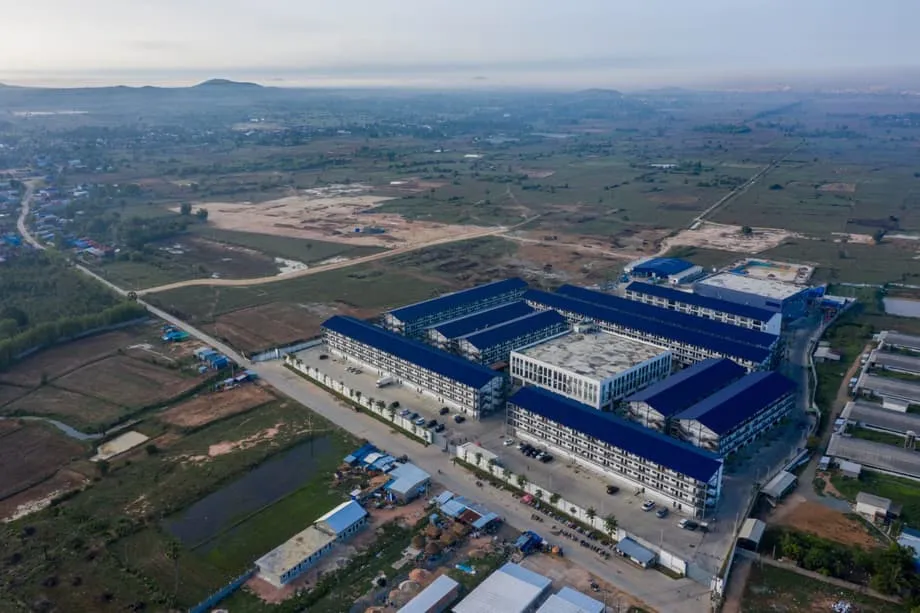
Amnesty International verified footage from at least 10 different scam compounds and estimated that the number of people released ran into the thousands. Videos and images geolocated by human rights organisations showed chaotic departures from heavily fortified facilities, with people often leaving without clear directions or support. Geolocation means checking where a picture or video was recorded.
Montse Ferrer, Amnesty International's regional research director, said police involvement varied. Officers appeared in some videos but were absent from others. The uneven response has left concerns about who is helping people reach safety and whether criminal networks could capture them again.
Released workers have been wandering the streets or seeking shelter in safe houses while waiting for consular assistance. Embassies can help their nationals obtain documents and arrange their return home, but the immediate needs include food, shelter and protection. The total number released has not been established, and the departures have not been accompanied by a coordinated support system.
How Job Promises Become Forced Fraud
The United Nations estimates that approximately 100,000 people work inside scam compounds in Cambodia alone. The facilities form part of a vast industry that has expanded across Southeast Asia in recent years, drawing people in with deceptive advertisements for well paid jobs in information technology or customer service.
Workers who arrive can have their passports confiscated and be forced to carry out online scams. Without their documents, and confined behind security barriers, they lose the freedom to leave the job they thought they were accepting.
The operations include cryptocurrency fraud and romance investment schemes, often called "pig butchering" scams. Workers build fake romantic relationships with people online, gain their trust and then persuade them to send money to fraudulent investment platforms. The person sending the money believes an investment or relationship is real, while the worker conducting the deception may also be a victim of coercion.
According to the United States Department of the Treasury, the FBI Internet Crime Complaint Center recorded $4.57 billion in investment fraud losses in 2023. Fraud involving cryptocurrency rose by 53 percent that year. Those figures describe the scale of reported financial harm alongside the human abuse inside the compounds.
Violence Behind the Security Walls
Workers inside the compounds face beatings, torture and electric shocks when they fail to meet quotas or disobey orders. Reports describe cramped, unsanitary accommodation in facilities resembling prisons, surrounded by barbed wire and surveillance cameras.
The recent departures offer a glimpse of the scale of this modern slavery. Leaving a compound ends an immediate period of confinement, but people who lack documents, money or somewhere to stay remain vulnerable to the same networks.
Ferrer warned that some workers had already been forced to move between compounds. Explaining the danger facing people who escape without support, she said:
We have seen people who are forced to move to other compounds, and it is possible that if people have escaped but do not know where to go, do not know what to do next, then they end up in another compound,
Pressure Builds Around Chen Zhi
Jacob Sims, a visiting fellow at Harvard University Asia Center and a senior adviser on transnational crime, described the recent releases as unprecedented. He attributed the shift to growing pressure from foreign governments, particularly the United States and the United Kingdom.
A major development came in October 2025, when the two countries sanctioned Chen Zhi, the Chinese born Cambodian tycoon who chairs the Prince Group. They accused him of operating a "transnational criminal empire" through online investment scams. Sanctions place restrictions on targeted people and businesses to increase financial and political pressure.
The US Department of Justice subsequently unsealed a 62-count indictment against Chen in the Southern District of Florida. The charges included conspiracy to commit money laundering, wire fraud and bank fraud. An indictment is a formal accusation setting out alleged crimes for prosecution.
The indictment alleges that Chen and his co-conspirators generated more than $80 million in illicit proceeds and laundered the money through cryptocurrency and luxury assets. Money laundering means moving criminal earnings through transactions or purchases to conceal their origin.
Earlier in January 2026, Chen was arrested and extradited to China. His transfer marked one of the strongest steps against syndicates operating within Cambodia and signalled growing international pressure on other operators.
The Events Behind the Exodus
The current departures followed years of warnings about trafficking, financial fraud and official involvement. Several dates help explain how that pressure developed:
- 2023: The FBI Internet Crime Complaint Center recorded $4.57 billion in investment fraud losses, while fraud involving cryptocurrency rose by 53 percent.
- 2024: The US State Department's Trafficking in Persons Report placed Cambodia in Tier 3, its lowest ranking.
- October 2025: The United States and United Kingdom sanctioned Chen Zhi.
- After those sanctions: The US Department of Justice unsealed the 62-count indictment against Chen.
- January 2026: Chen was arrested and extradited to China.
- By January 22, 2026: Amnesty International had verified footage from at least 10 compounds, and 1,440 released Indonesians had contacted their embassy.
The sanctions, criminal case and extradition have increased pressure on the industry. The immediate task in Cambodia is now also humanitarian: finding and protecting the people leaving its facilities.
Official Ties Complicate Enforcement
Cambodia's government has pledged to eliminate cyber scam crimes. International reports, however, describe officials historically turning a blind eye to the trade or participating in it.
The US State Department's 2024 Trafficking in Persons Report placed Cambodia in Tier 3. That ranking means the government does not meet minimum standards for eliminating trafficking and is not making significant efforts to do so.
The report states that some senior government officials and advisers own properties used by online scam operators. It links this involvement to selective enforcement driven by political interests, which obstructs action against trafficking crimes.
The financial incentives are substantial. The United States Institute of Peace estimates that returns from cyber scamming in Cambodia exceed $12.5 billion annually, roughly half the size of the country's formal gross domestic product. GDP measures the value of goods and services produced by an economy; the comparison illustrates the size of the estimated scam business beside legitimate economic activity.
Sims described the industry's role in Cambodia's political system with this phrase:
major regime patrimonial resource.
His description points to the industry's value to people connected to political power. Those links between money, business and officials make enforcement difficult.
The US Treasury has also sanctioned Cambodian senator and tycoon Ly Yong Phat, his conglomerate L.Y.P. Group and O-Smach Resort over human rights abuses connected to forced labour in scam centres. That action places a senior political figure and prominent businesses within the international response to abuse in the industry.
Released Victims Need Protection
Human rights organisations warn that people leaving compounds face a high risk of being trafficked again unless authorities identify their needs and provide support. Some are stranded without shelter, basic necessities or legal documents.
The US State Department reports that Cambodian authorities often fail to screen workers for signs of trafficking. Instead, they may treat them as undocumented migrants or criminals. Screening involves checking whether someone was deceived, threatened, confined or forced to work, so that victims can receive protection.
Some victims have been detained indefinitely and forced to pay bribes for release. For people already subjected to coercion inside a compound, detention or demands for money can prolong their vulnerability.
UN experts have called the situation a humanitarian and human rights crisis. They say trafficking victims should return home voluntarily and with dignity.
Amnesty International has urged Cambodia to ensure access to justice and remedies for those affected. It also warns against forcibly returning victims to countries where they risk persecution, something that has happened in the past. Without coordinated support, thousands of people remain in a vulnerable limbo between escape and safety.
Regional Crackdowns and Border Strikes
Cambodia's crackdown forms part of a wider regional struggle against scam syndicates. Following pressure from Interpol and other international bodies, Myanmar's ruling military junta has also raided compounds, although reports suggest operations often resume quickly.
Thailand recently bombed compounds along the Cambodian border, including in O-Smach. Thailand said the targets were military hubs; local people identified them as scam centres housing foreign workers. The strikes added a military dimension to a crisis already involving trafficking, organised crime and diplomatic pressure.
South Korean police have sought arrest warrants for dozens of suspects repatriated from Cambodia. Japanese authorities have also arrested people linked to scams based in Cambodia. These actions show that governments are pursuing alleged offenders as well as assisting nationals leaving the compounds.
Can the Pressure Be Sustained?
Sims argues that the problem will return unless international pressure continues. The industry has proved resilient and is deeply connected to the regional economy, giving operators reasons and resources to restart their activities.
Experts warn that criminal networks facing pressure in Cambodia may move operations to places with weaker enforcement, including Laos or remote areas of Myanmar. Forced transfers between compounds and the risk of trafficking people again make protection of released workers part of the effort to prevent that movement.
Continued diplomatic pressure and financial sanctions therefore sit alongside the need for victim support. The recent departures are a substantial development, but people leaving the facilities still need safe accommodation, documents, consular assistance and access to justice to avoid being drawn back into exploitation.
Key Points
- Thousands have escaped or been released from Cambodian scam compounds amid growing international pressure.
- Amnesty International verified footage from at least 10 compounds; 1,440 released Indonesians contacted their embassy in Phnom Penh.
- The United Nations estimates that approximately 100,000 people work in Cambodian scam compounds.
- Chen Zhi was sanctioned in October 2025, then arrested and extradited to China in January 2026.
- The US State Department reports official ownership of properties used by scam operators and failures to identify trafficking victims.
- Estimated annual returns from cyber scamming exceed $12.5 billion, roughly half Cambodia's formal GDP.
- Released victims face shortages of shelter and documents, unsafe returns and the risk of being trafficked again.
- Regional enforcement is expanding, while criminal networks may relocate or restart operations.