Malaysia becomes the next market for Tencent's mini program push
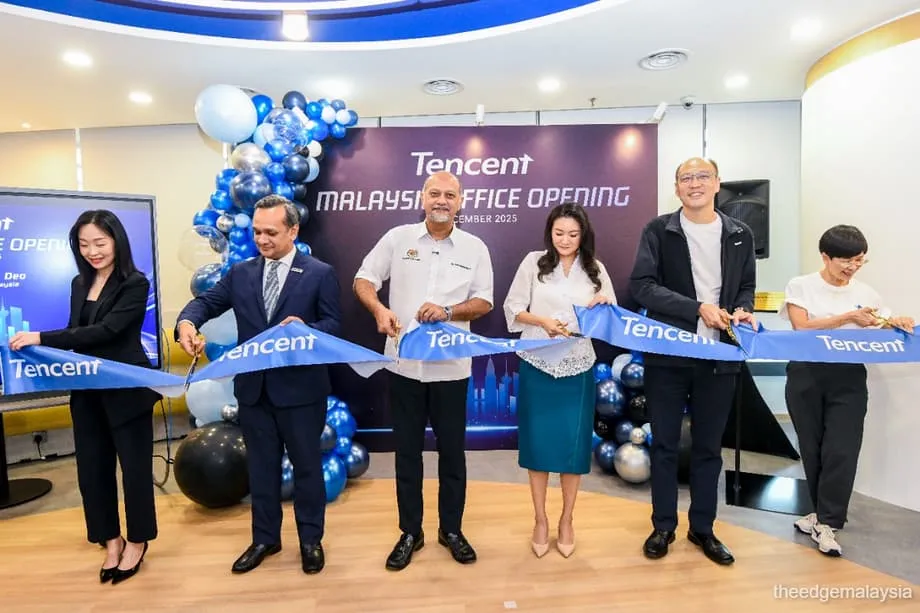
Tencent is preparing to expand its WeChat mini program ecosystem in Malaysia after pilots in Singapore and Macau, linking its plans to growing business demand for artificial intelligence and payments across borders. The company has also opened a new office in central Kuala Lumpur, doubled its Malaysian headcount in 2025 and expects strong growth through 2026.
Contents
- Malaysia becomes the next market for Tencent's mini program push
- What a mini program gives a merchant
- Why Tencent is choosing payment partnerships
- How DuitNow connects Chinese visitors to Malaysian shops
- Local payments inside WeChat and at shops in China
- AI demand brings banks and retailers into the strategy
- Palm recognition adds another way to verify customers
- Tourism provides the first practical test
- A Kuala Lumpur hub supports local growth
- Competition, costs and data rules will shape adoption
- What to Know
The payment network already offers considerable reach. Through a partnership with Payments Network Malaysia, known as PayNet, Chinese visitors can use Weixin Pay to scan DuitNow QR codes at more than two million Malaysian merchants. Tencent now wants to build more shopping, booking and customer service experiences around that connection.
As of December 2, 2025, Malaysia is next on Tencent's priority list for expanding mini programs. These are lightweight applications that operate inside WeChat, called Weixin in mainland China. They allow businesses to serve customers without asking them to download a separate app or requiring merchants to build and maintain a full standalone application.
Malaysian businesses want better ways to serve Chinese tourists, sell to Chinese consumers and bring familiar Malaysian payment methods into the WeChat experience, according to Tencent executives. The country's digital economy, national DuitNow QR standard and growing regional connections under the ASEAN QR initiative support that approach.
Kenneth Siow, regional director for Southeast Asia and general manager for Singapore and Malaysia at Tencent Cloud International, described the company's broader effort to connect services across borders and devices.
This expanded partnership underscores our commitment to deepening digital integration within the Weixin/WeChat ecosystem.
Tencent's strategy combines several businesses: mini programs for customer access, payment connections for completing purchases, and cloud and AI services for the companies operating behind them. Travel and retail provide immediate uses, while financial institutions are seeking tools for verification, fraud screening and customer support.
What a mini program gives a merchant
A retailer can use a mini program as a storefront, a hotel can accept room bookings and a transport operator can sell tickets. Customers discover and use these services inside an app that hundreds of millions of people already open every day.
WeChat supplies functions such as identity, notifications and payments. A merchant therefore builds a service within an existing platform rather than creating every part of a separate application. Updates are simpler, analytics sit within the ecosystem, and messages and coupons can appear close to the purchasing process.
Businesses can also use WeChat's social connections and customer messaging to reach potential buyers. The aim is to reduce marketing costs and improve conversion, meaning the share of people who go from browsing a service to making a purchase.
Malaysia's widespread use of QR payments adds to the appeal, as does the presence of Chinese travelers and students who regularly use WeChat. In markets serving Chinese consumers or dealing frequently with suppliers and customers based in China, mini programs can reduce the steps needed to access a service and help businesses launch more quickly.
Companies with supply chains connected to China can offer a consistent experience across markets. One interface could serve a Chinese visitor in Malaysia, a Malaysian shopper buying from a Chinese merchant and a local customer who prefers a Malaysian wallet or bank payment. Supporting different payment preferences is central to making that shared interface useful.
Why Tencent is choosing payment partnerships
Tencent closed its Malaysia specific WeChat Pay wallet in August 2024. Company leaders say they do not plan to revive a domestic wallet. Their priority is connecting Weixin Pay with existing local networks and wallets so customers can use payment tools they already know.
Weixin Pay is the payment service inside WeChat in China. For international users and visitors, it is often branded WeChat Pay. Tencent's approach in Malaysia shifts the focus from competing directly for domestic wallet users to connecting merchants and consumers across borders.
Etienne Ng, regional director for Southeast Asia at Weixin Pay, said feedback from merchants helped shape that decision. He described their interest in reaching Chinese visitors and Tencent's response.
Over the last few years, we received a lot of feedback from merchants in Southeast Asia that they wanted our help in getting more Chinese tourists, that is why we decided to focus on making sure that the local merchants are better served.
Malaysia already has established wallets and bank apps. Tencent's partnership strategy works alongside those services, allowing local merchants to accept payments from Chinese customers while giving Malaysian payment providers potential access to merchants in China.
The main dates show how the company's activities are developing:
- August 2024: Tencent closed its Malaysia specific WeChat Pay wallet.
- 2025: Tencent doubled its Malaysian headcount and opened a new office in central Kuala Lumpur.
- December 2, 2025: Malaysia was next on Tencent's priority list for mini program expansion after pilots in Singapore and Macau.
- 2026: Tencent expects strong growth, while travel services could support Visit Malaysia 2026.
No date was given for the Malaysian mini program expansion or for Malaysian wallets to become available through the payment gateway into China.
How DuitNow connects Chinese visitors to Malaysian shops
DuitNow QR is Malaysia's national standard for payments made by scanning a code. A merchant can display one QR code and receive payments from several participating wallets and bank apps, rather than maintaining a separate code for each provider.
PayNet's connection with Weixin Pay extends that setup to Chinese visitors. A traveler can open WeChat, scan a merchant's DuitNow QR code and pay through an existing Weixin Pay account without installing a Malaysian wallet.
More than two million Malaysian merchants are accessible through that connection. Existing terminals and QR stickers continue to work, and merchants receive settlement through their current acquirers, the payment providers that handle transactions and deliver the proceeds to them.
Customers retain a familiar payment experience in their preferred language and currency. For merchants, accepting visitors through an existing setup expands the potential customer base with limited changes to daily operations.
During China's Golden Week holiday, Weixin Pay transactions in Malaysia rose sharply compared with regional peers. Tencent executives attributed the increase to the DuitNow connection and the recovery in travel.
The same push for connected payment systems also covers Malaysians traveling abroad. Tencent's plans would allow Malaysian wallets to make payments at Chinese merchants, extending the usefulness of domestic payment apps beyond Malaysia.
Local payments inside WeChat and at shops in China
Tencent's Cross Border Interconnection Payment Gateway, approved by the People's Bank of China, allows international wallets and financial institutions to connect to Weixin Pay through a single integration. For a Malaysian customer, the intended experience is paying a shop in China with a familiar local wallet while the gateway handles the connection to the Chinese payment system.
TenPay Global has already enabled international users to link cards inside Weixin Pay. Tencent is extending support to more wallets and payment methods using banks through TenPay Global Checkout, which addresses a different part of the shopping process.
TenPay Global Checkout allows mini program merchants outside China to accept local wallets, cards and bank transfers. Malaysia is in the next expansion wave. A Malaysian retailer operating a mini program could offer the methods its Malaysian customers prefer while continuing to accept Weixin Pay from Chinese users.
These services address two related needs. The gateway connects an overseas wallet to merchants accepting Weixin Pay in China. Checkout brings a wider range of local payment choices into mini programs operated by merchants outside China.
Tencent's wider goal is to make domestic and international purchases feel more alike. A merchant can reach customers through WeChat without requiring every customer to pay in the same way, while a wallet provider can gain new places where its service is useful.
AI demand brings banks and retailers into the strategy
Malaysian banks, insurers and securities firms are seeking AI tools to automate tasks that take substantial staff time. Know your customer checks, fraud screening and contact center work are among the uses Tencent is targeting.
Know your customer, often shortened to KYC, means checking a customer's identity during processes such as opening an account. Machine learning models can process large volumes of these checks and other repetitive work with consistent outcomes.
Tencent is packaging cloud infrastructure and AI capabilities developed for its own platforms for Malaysian enterprises. Cloud services provide the computing resources behind an application, while AI tools can help identify patterns, verify users or respond to customer requests.
A bank could place facial recognition for account onboarding inside a mini program, with Tencent Cloud running the verification service. A retailer could use AI to recommend products and provide customer support within WeChat conversations.
Because the service operates inside a messaging app, interactions can provide signals about what a customer wants. Those signals can help recommendation and support models improve over time. Tencent's scale also supports fraud detection, allowing systems to adapt as new patterns emerge across regions while meeting local policy requirements.
Tencent Cloud says it designs services for compliance and provides options aligned with local data handling rules. Financial institutions need clarity about where information is stored, who can access it and which actions are recorded for later checks.
Tencent Cloud has signed cooperation agreements with Malaysian companies to deploy AI solutions in banking and retail. The work includes pilots combining biometric security with improvements to customer experience. Channel partners are expected to tailor services for small and medium businesses, including mini program customer engagement, cloud analytics and fraud protection.
Palm recognition adds another way to verify customers
Tencent is rolling out Palm Pay under Weixin Pay, allowing customers to authorize a payment by scanning their palm at a terminal. The company is also piloting PalmAI with local partners, using palm recognition and computer vision for a broader range of experiences.
Biometric systems identify people through physical features, such as a face or palm. Computer vision allows software to process visual information. In these projects, the technology is intended to combine convenient access or payment with stronger checks on identity.
Physical retail and transit are among the settings where Tencent sees potential for these tools. Palm Pay provides a payment method at a terminal, while PalmAI pilots explore uses beyond that transaction.
For banks and other financial firms, convenience sits alongside requirements for privacy, security and audit records. Tencent's biometric projects form part of the same broader push as its cloud verification services, although the announced activities include pilots as well as services being rolled out.
Tourism provides the first practical test
Chinese visitors to Malaysia want familiar payment methods, language support and clarity about currency. Connecting Weixin Pay to PayNet and DuitNow QR addresses those needs while allowing merchants in tourism areas to reach visitors with substantial spending power.
Merchants can accept these customers without introducing another settlement channel or training staff to use new devices. Mini programs could extend the relationship beyond the payment counter by combining discovery, booking, ticketing and loyalty features.
Singapore offers examples of that approach. Tencent worked with a local mobility platform on a Weixin mini program that allows Chinese tourists to book rides inside WeChat. Fares appear in renminbi, and customers pay through Weixin Pay.
Partnerships with attractions and property operators in Singapore also show how visitor services can be brought together within one app. Tencent sees a similar role for transport, hospitality and retail businesses supporting Visit Malaysia 2026, with mini programs helping turn visits to physical locations into continuing digital customer relationships.
Airlines, airports and rail operators could use mini programs for boarding reminders, seat upgrades and sales of extra services. A rail operator could send live delay information and coupons to customers who have agreed to receive them.
Mini programs can access device functions within WeChat, including a camera for scanning and location services for nearby services. This can make the experience feel like a dedicated app while avoiding a separate download.
A Kuala Lumpur hub supports local growth
Tencent's new office in central Kuala Lumpur supports its expansion in cloud, AI, content and customer experience. The facility can house several hundred employees and reflects plans to build local engineering and operations teams.
The company doubled its Malaysian headcount in 2025 and expects strong growth through 2026. Its investment aligns with national priorities to increase the digital economy's contribution and develop jobs requiring advanced skills.
Malaysia's Digital Minister, Gobind Singh Deo, welcomed Tencent's continued investment, pointing to the country's local talent pipeline and maturing infrastructure. Tencent leaders say they will work with universities, government agencies and channel partners to develop skills in AI, cloud, gaming and creative industries.
Local partners also have a practical role in deployment. They can adapt Tencent's services to the needs of Malaysian companies, from financial institutions testing identity tools to smaller retailers seeking customer engagement and analytics.
Competition, costs and data rules will shape adoption
Tencent is expanding in a crowded Southeast Asian technology market. Chinese companies including Alibaba and ByteDance have substantial regional operations, alongside American platforms and local groups such as Sea Group and Grab.
In Malaysian payments, GrabPay, Touch n Go eWallet and Boost compete for domestic users, while bank apps have gained ground through instant transfers and DuitNow QR. Tencent's decision to connect with existing services gives those providers a potential role within its network rather than requiring customers to replace them.
A Malaysian wallet becomes more useful if its customers can use it inside a WeChat mini program or at a merchant in China. Tencent, in turn, gains a larger connected payment network. Competition continues around loyalty features, customer data and attracting users, with merchants looking for higher conversion and repeat purchases.
In cloud and AI, Chinese providers are building market share from a smaller base than the large American cloud companies. Tencent aims to compete through solutions for specific business tasks, faster connections to services linked to China, and packages combining mini programs, payments and analytics.
Tencent's experience running consumer internet platforms supports its customer engagement and fraud modeling work. Malaysian enterprise customers will also expect reliable service, local adaptation and clear rules for managing data.
Financial institutions need documentation on data storage, access logs and responses to security incidents. Malaysia's regulations require clarity on data location, access controls and audit trails, while rules governing transfers across borders add complexity. Tencent says it works with partners to meet local requirements. Banks and large merchants are likely to test projects before deploying them at a larger scale.
Merchants must also assess payment costs. Transactions across borders can involve currency conversion margins and intermediary fees. Interoperability gateways aim to reduce costs compared with payment flows using cards, but businesses will compare the amount they ultimately receive and how disputes are handled. For smaller merchants, straightforward onboarding and matching payments to sales records matter alongside fees.
Malaysian consumers already have many choices for messaging and domestic payments. Mini programs will need practical benefits, such as exclusive deals, faster service or distinctive content. Staff training and clear merchant procedures will help make checkout and customer support work smoothly.
What to Know
- Malaysia is next in Tencent's WeChat mini program expansion after pilots in Singapore and Macau.
- Weixin Pay connects Chinese visitors to more than two million Malaysian merchants through DuitNow QR.
- Tencent closed its Malaysian wallet in August 2024 and is focusing on connections with existing payment providers.
- The payment gateway into China and TenPay Global Checkout address different needs for wallets and mini program merchants.
- Tencent is targeting AI demand in finance and retail, alongside Palm Pay deployment and PalmAI pilots.
- The Kuala Lumpur office can house several hundred employees; Malaysian headcount doubled in 2025.
- Tourism services could support Visit Malaysia 2026, while costs, data requirements and customer adoption will shape business decisions.