Smaller losses mark a recovery still short of profit
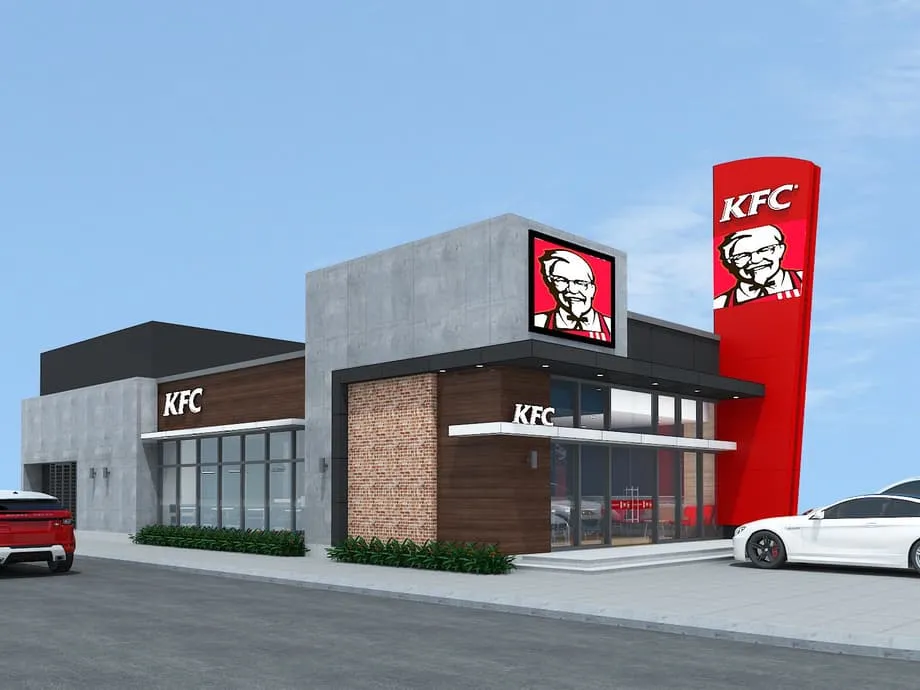
PT Fast Food Indonesia Tbk, which operates KFC and Taco Bell in Indonesia, reduced its net loss attributable to owners to Rp 239 billion, about $14.34 million, in January to September 2025. The loss was Rp 557 billion in the same period of 2024. By December 3, 2025, the company was showing a stronger operating performance, although management still expected it to finish the year in the red.
Contents
- Smaller losses mark a recovery still short of profit
- How the downturn unfolded
- A less coordinated boycott, with resistance remaining
- Store closures and staffing changes reduce costs
- Why gross profit rose while revenue fell
- Local competitors gain ground
- Malaysia shows the regional strain
- Household budgets remain a drag on sales
- What will determine the 2026 recovery
- Key Points
Revenue slipped to Rp 3.56 trillion, about $213.61 million, from Rp 3.59 trillion a year earlier. Costs moved more sharply: the cost of goods sold fell to Rp 1.43 trillion from Rp 1.59 trillion, while reported gross profit rose to Rp 2.13 trillion from Rp 2.08 trillion.
Fast Food Indonesia also narrowed its operating loss to Rp 244 billion from Rp 585 billion over the same nine months. Together, the figures describe a business making progress by controlling costs while demand remains weak. Its smaller losses have arrived without an increase in revenue.
Director Wachjudi Martono said the boycott that began in late 2023 and intensified in 2024 had become less organized. Some consumers continued to avoid brands they associated with Western interests, but management saw a gradual return toward more normal trading conditions.
Wachjudi described the easing backlash while acknowledging that it had not disappeared:
Things have started to thaw, though traces are still there.
The company now faces two pressures at once: lingering resistance to Western brands and households with less money to spend. The first has eased, according to management. The second continues to weigh on sales, making a return to profit harder even as restaurant operations become leaner.
How the downturn unfolded
KFC has operated in Indonesia since 1979. Its long presence did not shield it from the consumer backlash that followed the outbreak of the war in Gaza in October 2023. Many shoppers avoided companies they perceived as connected to Israel or its allies, including restaurants carrying American brand names.
Quick service restaurants and coffee chains were particularly exposed because their sales depend on frequent purchases that customers can postpone or redirect. Social media spread boycott calls quickly, while consumers seeking to express solidarity with Palestinians turned to local food sellers.
The main stages of the downturn and partial recovery were:
- October 2023: The outbreak of the war in Gaza was followed by growing calls to avoid brands perceived as linked to Israel or its allies.
- Late 2023 and early 2024: KFC traffic dropped sharply in many Indonesian cities as the boycott gathered force.
- First quarter of 2024: Fast Food Indonesia recorded a net loss of Rp 348.83 billion, compared with Rp 5.56 billion in the first quarter of 2023.
- By the third quarter of 2024: The company had closed 47 outlets and reduced its workforce by 2,274 roles.
- January to September 2025: Its net loss attributable to owners narrowed to Rp 239 billion, while revenue remained slightly below the previous year's level.
- December 3, 2025: Management remained cautious about the year's result and saw a potential turnaround in 2026.
Store managers described the early months of 2024 as unusually slow, especially during the working week. A KFC manager in Medan, North Sumatra, who spoke anonymously because they were not authorized to speak to the media, described the change in weekday business after the war began:
The restaurant is very quiet from Monday to Thursday.
Empty seats were one visible part of the shock. The financial results showed its scale, with the first quarter loss rising from Rp 5.56 billion to Rp 348.83 billion in a year.
A less coordinated boycott, with resistance remaining
Fast Food Indonesia's management now describes the boycott as more fragmented than at its height in 2024. Organized campaigns have given way to more individual purchasing decisions, although pockets of resistance remain in some regions.
Regular customers are returning, promotions are helping attract traffic, and some of the most organized campaign activity has faded. Management sees the most acute phase as having passed. Revenue's relatively small decline, alongside stronger gross profit, fits that picture of gradual stabilization.
Indonesia remains a large market for quick service dining. It has the world's largest Muslim population, an established culture of eating out, and an extensive network of malls and roadside restaurants. Those features provide a substantial customer base, even while some diners choose local brands because of their principles or their prices.
Western brands continue to face uneven demand across markets with Muslim majorities. Restaurant operators in the Middle East and Southeast Asia have experienced different traffic patterns depending on local sentiment and how prominently a brand appears in public discussion of Gaza.
Amarpal Sandhu, chief executive of Americana Restaurants, which operates KFC and other brands across West Asia, described the continuing regional pressure:
The impact varies across geographies, but we would say the boycott is still there.
Indonesia's improving results sit within that uneven regional recovery. Some customers are returning to familiar restaurants, while others continue to avoid them. The strength of those choices varies between countries and cities, leaving operators to manage demand locally rather than expect the same recovery everywhere.
Store closures and staffing changes reduce costs
Fast Food Indonesia began making substantial operational changes during 2024. By the third quarter, it had closed 47 underperforming outlets and reduced headcount by 2,274 roles. More than 700 stores remained in operation nationwide, employing over 13,000 people.
Closing weaker restaurants helps a company concentrate its resources in locations with stronger traffic. Staffing changes can also bring the number of employees and working shifts closer to the level of demand. For employees who lose jobs and neighborhoods that lose familiar outlets, those decisions have an immediate human cost.
Restaurants carry expenses even when few customers arrive. Reducing the number of weak locations can shrink fixed costs, meaning expenses that continue regardless of how many meals are sold. A smaller network can therefore lose less money even if its total sales do not rise.
The operating loss falling from Rp 585 billion to Rp 244 billion suggests that the company's cost reset is gaining traction. Operating results include store expenses, selling and administrative costs, and other operating items. They exclude finance costs and taxes, helping readers see how the everyday business is performing before those additional charges.
Fast Food Indonesia's lower cost of goods sold also points to improvements in the costs attached to its sales. Restaurant companies can pursue savings through supplier negotiations, simpler menus or changes to portions. The company did not specify how much each possible measure contributed to the reduction.
Indonesia's quick service menus can be adapted to local tastes and budgets. Localized items, promotions and meal bundles can help maintain transaction numbers when customers have less disposable income. Operators still need to balance attractive prices with the money left over from each sale.
Why gross profit rose while revenue fell
Revenue is the money a business receives from sales. Gross profit is what remains after subtracting the direct cost of the products sold, such as the ingredients used to prepare meals. A restaurant can improve that result while selling slightly less if those direct costs fall faster than its revenue.
Fast Food Indonesia reported revenue of Rp 3.56 trillion for January to September 2025, against Rp 3.59 trillion a year earlier. Its cost of goods sold dropped from Rp 1.59 trillion to Rp 1.43 trillion. Reported gross profit increased from Rp 2.08 trillion to Rp 2.13 trillion, a gain of Rp 50 billion.
Procurement is one possible route to a better margin. A restaurant can obtain more economical ingredients or other inputs without changing the customer's experience. Another is the sales mix, meaning the balance of different items customers buy. Selling a larger share of meals that leave more money after direct costs can improve gross profit.
Family bundles and meals based around rice, including items suited to delivery, are examples of products that can influence that mix. At restaurant level, closing weak outlets and adjusting staffing across shifts and locations can also reduce expenses and improve operating performance.
The figures point to some or all of those possible dynamics, with the sharp fall in direct costs helping the company narrow its losses. Finance costs and taxes can still leave the final result below zero. For that reason, stronger gross profit and a smaller operating loss are steps toward recovery, while the company continues to report a net loss.
Local competitors gain ground
Domestic competitors expanded during 2024 and 2025 as consumers looked for alternatives to Western brands. Local chains in Indonesia and Malaysia added outlets and used targeted messages to attract customers making that switch.
Almaz Fried Chicken opened dozens of stores within months, mainly around Greater Jakarta and parts of Sumatra. Coffee chains such as ZUS Coffee also benefited as they presented themselves as homegrown alternatives.
Political sentiment is part of this shift, but price matters too. Local brands often have lower overhead costs per outlet, source more ingredients domestically and adapt menus quickly to local tastes. Those characteristics can give them more flexibility in setting prices.
Customers under financial pressure may choose a different restaurant over a small price gap. Larger franchises then face pressure to offer meals that feel worth the money while preserving their margins. A promotion can bring people through the door, but its cost also matters to a company trying to stop losing money.
Fast Food Indonesia's recovery therefore involves more than the return of customers who previously joined the boycott. It also involves competing with domestic businesses that expanded while Western brands were under pressure. The pace of those openings and the prices local operators charge will help shape how much room larger chains have to raise prices.
Malaysia shows the regional strain
KFC's franchisee in Malaysia temporarily closed more than 100 stores in 2024 as traffic fell and costs rose. The operator said it would concentrate operations in stronger trading areas and redeploy staff where possible.
The Malaysian closures became one of the most visible examples of the adjustments sustained boycotts can force in Southeast Asia's quick service restaurant sector. Indonesia's contraction was less severe, but both markets experienced consumers using purchasing decisions to express political views.
Social media helped spread those choices in both countries, while local brands moved to attract customers seeking alternatives. Operators have had to balance the management of international brands with local sensitivities, alongside the practical demands of paying staff and keeping restaurants viable.
Americana Restaurants' description of a boycott that remains present across different markets adds to the picture of an uneven recovery. Fast Food Indonesia is reporting less coordinated resistance, while businesses elsewhere still face demand shaped by the intensity of local sentiment.
Household budgets remain a drag on sales
Wachjudi expects 2025 to remain a year of losses because household finances are still strained. Weak purchasing power and a softer jobs market continue to affect demand, even as boycott pressure eases.
Purchasing power means how much people can afford with the money they have. When employment feels less secure or households have less money available after necessary spending, restaurant meals are among the purchases they can reduce.
Wachjudi linked the company's sales pressure to those economic conditions and called attention to manufacturing:
Our sales are affected by lower purchasing power and higher unemployment. Some sectors, like manufacturing, still need government stimulus.
Indonesia's uneven manufacturing performance affects employment and household spending. It can also reach people working part time, including younger consumers who spend money in malls and food courts. Even relatively affordable quick service meals compete with other demands on a tight household budget.
Wachjudi said faster spending from regional government budgets could support demand. Payments for infrastructure, public services and social assistance put money into local economies, supporting businesses, markets and urban services around the areas where chain restaurants operate.
The director described why the company sees quicker budget disbursement as an opportunity:
This is an opportunity for us. More money circulating among the public means the economy will pick up and grow.
More spending in local economies could raise restaurant traffic and transaction numbers. Higher foot traffic can also make promotions more effective and improve the mix of sales. Management views timely regional spending as practical support for a possible turnaround in 2026.
What will determine the 2026 recovery
Fast Food Indonesia is looking toward 2026 with a combination of cost efficiency, targeted marketing and a gradual easing of negative sentiment. Management has expressed hope that government measures to stimulate activity will help the next recovery cycle.
Restaurant productivity will be a central measure. Sales at stores operating in both comparison periods, often called same store sales, help show whether existing locations are attracting more business. Transactions per outlet can also show whether customer visits are recovering beyond temporary promotions.
Chicken, cooking oil and packaging prices will matter to the stability of margins. The company's recent results benefited from lower direct costs, so future input prices will affect how much of each sale remains available to cover restaurant expenses and other charges.
Delivery and click and collect services offer another route to additional sales when service times and app promotions are effective. Competition from domestic fried chicken and coffee chains will continue to influence prices and customer choices.
Sentiment remains another factor. An escalation in the Middle East or a new campaign spreading rapidly online could temporarily weaken demand. Regional operators are describing gradual improvement rather than a complete return to purchasing habits before the war.
As of December 3, 2025, the company's position was cautious but improving: much smaller losses, stronger reported gross profit and only a slight revenue decline. A potential turnaround in 2026 depends on keeping costs under control while customers regain both the willingness and the money to eat out.
Key Points
- Fast Food Indonesia operates KFC and Taco Bell in Indonesia.
- Its net loss attributable to owners fell to Rp 239 billion in January to September 2025, from Rp 557 billion a year earlier.
- Revenue slipped to Rp 3.56 trillion from Rp 3.59 trillion, while reported gross profit rose to Rp 2.13 trillion from Rp 2.08 trillion.
- The cost of goods sold fell to Rp 1.43 trillion from Rp 1.59 trillion, and the operating loss narrowed to Rp 244 billion from Rp 585 billion.
- Management says organized boycotts have eased, although individual avoidance and regional pockets of resistance continue.
- By the third quarter of 2024, the company had closed 47 outlets and reduced headcount by 2,274 roles, leaving more than 700 stores and over 13,000 employees.
- Local competitors expanded, while KFC's Malaysian franchisee temporarily closed more than 100 stores in 2024.
- Wachjudi Martono expects 2025 to remain a loss year and sees a potential turnaround in 2026, supported by cost control, better demand and faster regional government spending.