Half a million canceled tickets signal a holiday shift
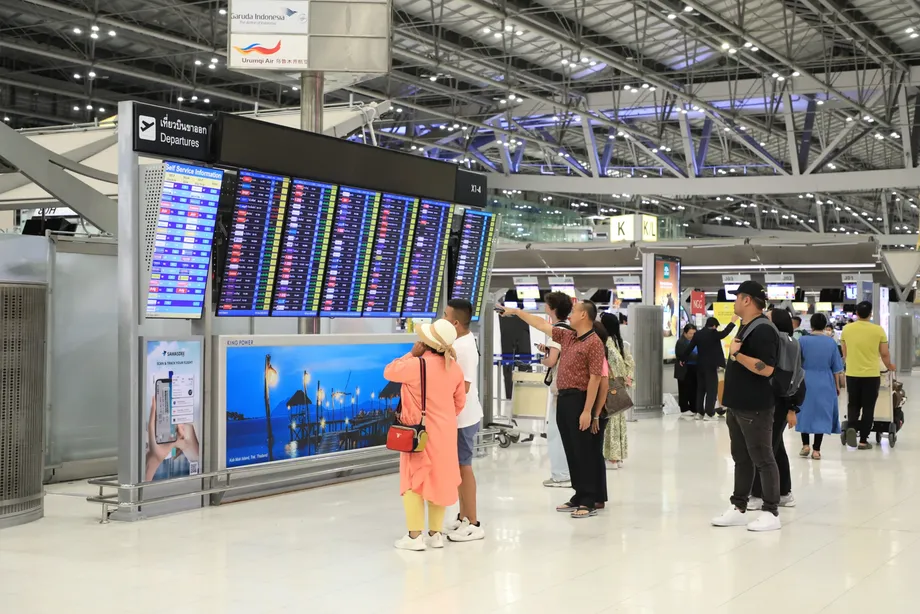
About 500,000 airline tickets to Japan have been canceled, according to an industry estimate, as a diplomatic dispute with China disrupts travel plans at the end of 2025. A Tokyo tour operator serving Chinese groups lost about 80 percent of its remaining bookings for the year within days. Singapore, meanwhile, is seeing greater search interest and more bookings from Chinese travelers, according to travel agents tracking demand.
Contents
- Half a million canceled tickets signal a holiday shift
- How a security debate became a travel dispute
- Why Taiwan carries such weight
- Japan's tourism recovery faces a sharp setback
- Singapore offers familiarity and simpler planning
- A Singapore stop can lead on to Malaysia
- Safety concerns shape personal choices
- The dispute reaches beyond holiday bookings
- Businesses prepare for an uncertain holiday season
- Key Points
The change follows remarks in early November by Japanese Prime Minister Sanae Takaichi about a possible military response to a conflict in the Taiwan Strait. China's foreign ministry and its embassy in Japan subsequently urged Chinese citizens to avoid traveling there, citing safety concerns. Travel forums and messaging groups quickly filled with calls to cancel holidays.
More than 10 Chinese airlines offered full refunds or free changes for flights to Japan through December 31. For Japanese hotels, retailers and transport companies that had invested in the recovery of overseas tourism, the cancellations arrived just as they were preparing for holiday business.
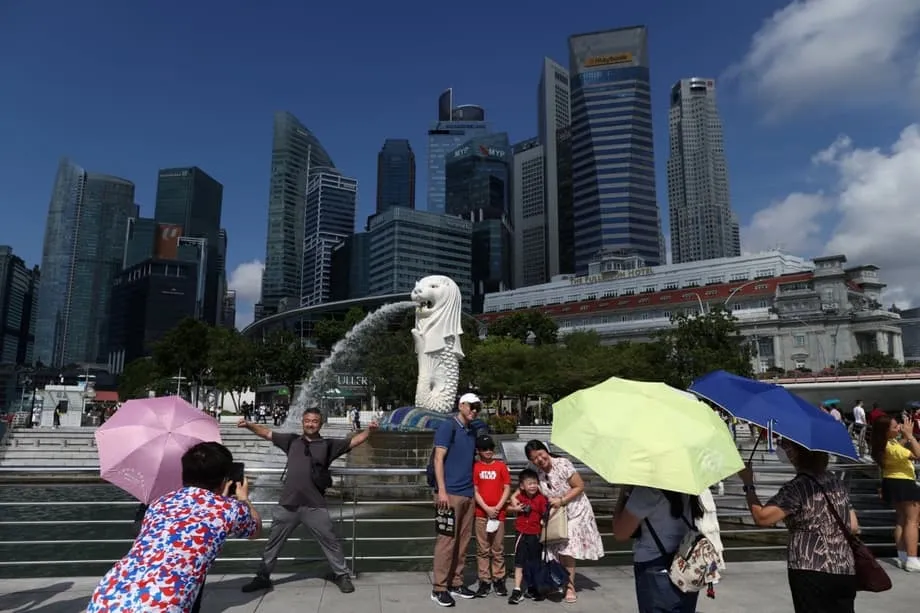
In Singapore, Echo He, a 36-year-old native of Hunan, was taking photographs with her husband and colleagues at Gardens by the Bay during a short visit before continuing to Malaysia. Her group had booked before the political dispute erupted. The tension nevertheless left her feeling reassured about their destination.
Japan had become the default holiday choice for many of He's peers after borders reopened. By November 30, the mood had shifted, with Singapore's familiar language environment, straightforward entry rules and reputation for safety becoming more attractive to travelers reconsidering their plans.
How a security debate became a travel dispute
Takaichi told parliament in early November that a conflict involving Taiwan could justify a Japanese military response if it threatened Japan's survival. Her remarks touched a sensitive part of Japan's security policy and a central concern for Beijing, which views Taiwan as part of China's territory.
Japan's constitution limits the use of force. Successive governments have nevertheless interpreted the right of collective self defense to allow action when a partner or an event nearby threatens national survival. In simple terms, the debate concerns when Japan could use military force in response to a threat extending beyond a direct attack on its own territory.
Beijing interpreted Takaichi's remarks as a warning that Japan might intervene militarily if Taiwan were attacked. China responded with sharp diplomatic protests and public safety notices. The travel warning in mid November brought that dispute directly into decisions about flights, hotels and family holidays.
The main developments unfolded quickly:
- In early November, Takaichi told parliament that a Taiwan conflict threatening Japan's survival could justify a military response.
- Within days, China's foreign ministry and its embassy in Japan urged Chinese citizens to avoid travel there, citing safety concerns.
- In mid November, the travel warning helped trigger cancellations, with a Tokyo operator losing about 80 percent of its remaining bookings for the year.
- More than 10 Chinese airlines made refunds or free changes available for flights to Japan through December 31.
- By November 30, travel agents were seeing stronger interest in Singapore as the diplomatic tension continued.
Why Taiwan carries such weight
Taiwan is self governed, while China claims sovereignty over the island and has not ruled out using force to achieve unification. Its location along vital sea lanes, which carry energy and goods to Japan and other countries, makes stability in the Taiwan Strait an economic concern as well as a security issue.
The United States supplies Taiwan with arms and maintains strategic ambiguity about defending it directly. That policy leaves uncertain exactly how the United States would respond militarily to an attack. Japan hosts major US military bases and regards stability around Taiwan as essential to its own security and economy.
Those connections explain why a statement in Japan's parliament could affect travel across the region. Tokyo sees a possible Taiwan conflict through the lens of national security. Beijing treats suggestions of Japanese military intervention as a red line. The resulting disagreement has spread from diplomatic exchanges to consumer decisions.
Japan's tourism recovery faces a sharp setback
Japan recorded about 31.65 million overseas arrivals from January to September 2025, including roughly 7.49 million from China, according to official data. Those figures mean visitors from China represented about 23.7 percent of arrivals during that period, close to one in four.
Visitors from mainland China and Hong Kong together have accounted for about one fifth of arrivals in recent months. That figure covers a different period from the January to September total, but both show how much business depends on Chinese travelers. Tourism accounts for roughly 7 percent of Japan's economy.
Chinese visitors are among the most valuable parts of Japan's tourism market. Their spending supports duty free retail and sightseeing in regional destinations, particularly during Golden Week and summer holidays. Department stores and hotels had watched their numbers recover this year and built promotions around shopping and winter events.
Yu Jinxin, vice president of East Japan International Travel Service in Tokyo, described the impact after Beijing's advisory and the resulting cancellations. His company, which specializes in Chinese group itineraries, lost about 80 percent of bookings for the rest of the year.
This is a huge loss for us.
An airline analyst put the number of canceled tickets at around 500,000. Tourism related stocks also fell in Tokyo as investors reduced their expectations for hotels, railways and department stores exposed to spending by overseas visitors.
Travel companies say they can manage a short disruption. A longer chill would put winter and spring packages under pressure and could force staffing changes. Japan's 2012 nationalization of disputed islands triggered boycotts that lasted months in some sectors, a precedent that helps explain why businesses now hope for a brief downturn.
Singapore offers familiarity and simpler planning
Singapore combines practical convenience with a sense of predictability for Chinese visitors. Mandarin is widely spoken alongside English, bilingual signs are common, and many staff members at tourism hubs can answer questions in Chinese. Those details matter when travelers are deciding whether a holiday will feel comfortable.
Since February 2024, ordinary passport holders from China and Singapore have enjoyed mutual entry without a visa for stays of up to 30 days. Removing the need for a visa simplifies advance planning and makes spontaneous trips easier, particularly for people changing destinations at short notice.
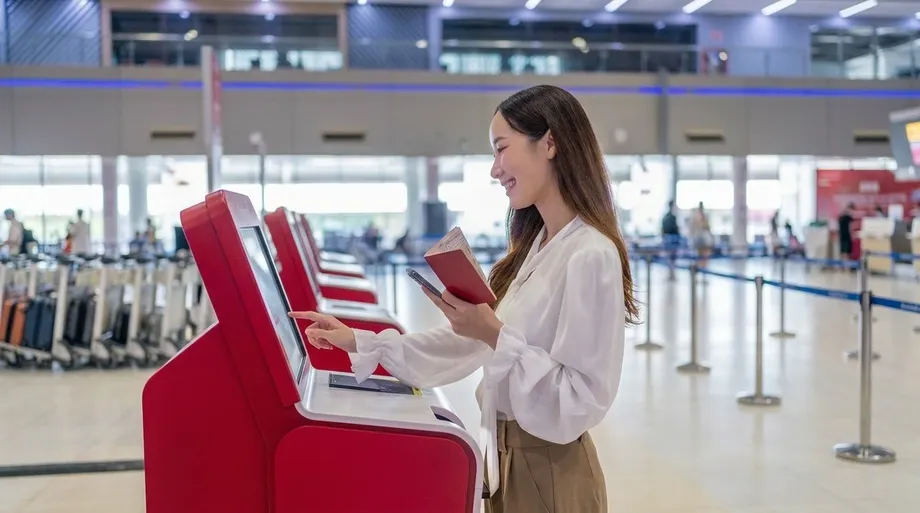
Alipay and WeChat Pay are accepted at many attractions, shops and restaurants. Frequent flights from China's largest cities and many provincial cities keep travel times short and fares competitive. Language, payment methods and connectivity are often among the first concerns for people traveling abroad for the first time.
Mandarin is available for hotel check in, restaurant menus, transit kiosks and tourist information in most busy districts. Museum guides and audio tours frequently include Chinese options. Mobile maps and translation tools help with other situations, while hearing Mandarin on the street can reduce anxiety and make it easier to adjust plans during a visit.
Singapore's compact size, reliable public transport and straightforward ride hailing also make daily travel manageable. Families can organize visits to the Marina Bay waterfront, Gardens by the Bay, Sentosa and the Night Safari without building an itinerary around long journeys. Food choices range from hawker centers to upscale restaurants, combining familiar flavors with new experiences.
A Singapore stop can lead on to Malaysia
Echo He's short stay in Singapore before heading north reflects a wider pattern among Chinese tourists seeking several experiences without traveling long distances. Many visitors combine two or three days in the city with time in Johor Bahru, Malacca or Kuala Lumpur.
Nonstop flights, buses and trains connect these destinations. Mandarin is also used in parts of Malaysia, giving some visitors the same language comfort they find in Singapore. Different cuisines and prices add variety to a holiday that crosses the border.
Travel agents expect more itineraries linking Singapore with nearby Malaysian cities. Some trips may instead add a beach stay in Thailand after a few days of sightseeing. These combinations allow travelers to choose a city break and another destination within the same holiday.
Malaysia and Thailand are also benefiting from the shift away from Japan. Their visa policies and plentiful flights at lower prices appeal to travelers watching their budgets. For Singapore, the opportunity includes serving as both a destination and an entry point for a longer regional trip.
Safety concerns shape personal choices
Echo He said peace of mind mattered more to her decision than politics. She had heard stories about possible unfriendliness toward Chinese tourists in Japan during periods of tension. In Singapore, ordering food and using transport felt familiar and respectful.
Speaking beside the Supertree Grove at Gardens by the Bay, He explained why her group felt comfortable with its choice:
People are a little nervous about going to Japan right now. There might be some unfriendliness toward us. Singapore is easy and comfortable.
China's embassy in Japan reinforced those concerns with an advisory urging citizens to postpone travel that was not essential and to stay alert if they were already in the country. The embassy said risks had increased amid heated public debate and uncertainty on the ground.
In its advisory, the Chinese embassy described its assessment of the danger to Chinese citizens:
The situation presents significant risks to the personal safety and lives of Chinese citizens in Japan.
Japan has kept its border open and continues issuing visas as usual. Local authorities have called for calm and respect toward visitors. National police have stepped up patrols in busy shopping areas in major cities during the holiday season, a measure that may reassure visitors from all countries.
The dispute reaches beyond holiday bookings
China has paused the release of upcoming Japanese films as relations have worsened. Japanese celebrities with large followings in China have also posted messages on social media reaffirming their support for One China to avoid a backlash.
Japan's embassy in Beijing has advised Japanese nationals in China to exercise greater caution and avoid crowded places. Safety messages are therefore affecting citizens on both sides of the dispute, while the diplomatic tone has hardened with little sign of a quick reset.
Chinese consumer sentiment can change travel demand within days. Discussion on WeChat, Weibo, Xiaohongshu and Douyin can rapidly spread calls to cancel trips or spend money elsewhere. Past disputes have prompted boycotts and shifts in preferences affecting retailers, automakers and holiday destinations.
Individual travelers still make their own decisions, but safety warnings and the choices of friends or colleagues can influence where they feel comfortable going. He's experience captures that mixture: her trip was arranged before the dispute, yet the tension strengthened her confidence in the destination she had already chosen.
Businesses prepare for an uncertain holiday season
Japanese department stores and hotels are taking a cautious approach as they assess the loss of Chinese customers. Some hope visitors from South Korea, Southeast Asia and Western countries will soften the blow. Others expect some independent Chinese travelers to continue coming for business or personal visits even as group bookings decline.
Singapore's hotels, attractions and malls are accustomed to rapid changes in demand. Over the past two years, the tourism board and private operators have worked to rebuild air connections and expand digital payment acceptance for Chinese visitors.
Peak season capacity in Singapore is strong, and a rise in bookings for shorter stays is considered manageable given the city's compact size. Its attractions, shopping and transport network give travelers several ways to fill a brief visit before continuing elsewhere in Southeast Asia.
Travel agents expect Southeast Asia's share of Chinese outbound trips to rise through the Lunar New Year holidays if the boycott of Japan continues. The travelers making that shift may include more families and company incentive groups seeking places that feel welcoming and stable.
The duration of the disruption remains unknown. December 31 is the stated endpoint for the airline refund and change arrangements described so far, while Japanese travel companies are already considering the consequences for winter and spring bookings. The immediate change is visible in canceled flights and lost group reservations; its longer economic cost depends on how long travelers stay away.
Key Points
- China warned against travel to Japan in mid November after Prime Minister Sanae Takaichi's remarks about a possible military response to a Taiwan conflict.
- East Japan International Travel Service lost about 80 percent of its remaining bookings for 2025, while an industry estimate put canceled airline tickets at around 500,000.
- More than 10 Chinese airlines offered full refunds or free changes for flights to Japan through December 31.
- Japan received about 31.65 million overseas arrivals from January to September, including roughly 7.49 million from China.
- Singapore is attracting stronger interest through Mandarin language access, familiar payment platforms, frequent flights and entry without a visa for up to 30 days.
- Travelers are combining Singapore with Malaysia, while Malaysia and Thailand are also benefiting from redirected demand.
- Japan continues to admit visitors and issue visas, while authorities have urged calm and increased police patrols in busy shopping areas.
- A prolonged boycott could affect Japan's winter and spring tourism business and send more Chinese holiday spending to Southeast Asia through Lunar New Year.