Shifen to open first during a pause in train service
Taiwan Railway Corp. (TR) will begin a trial of supervised sky lantern releases on railway tracks in New Taipei City's Pingxi District this weekend, allowing visitors into marked areas during specified hours while trains are suspended for repairs. The temporary arrangement will run through the end of January 2026.
Contents
- Shifen to open first during a pause in train service
- Why the tracks have become a flashpoint
- Where visitors will be allowed to release lanterns
- Who controls access and enforces the rules
- The August fines that exposed confusion
- Why the Pingxi Line needs repairs
- A closed railway still needs careful supervision
- Lantern debris and fire risks remain concerns
- What visitors should check before entering
- What follows the temporary opening
- Key Points
Shifen Station will be the first location. Pingxi and Jingtong could follow once the local government finalizes site maps, boundaries and release times. The trial brings a popular tourist activity into a controlled setting on a railway where visitors have frequently stepped onto the rails despite restrictions under the Railway Act.
The announcement comes as the Pingxi Line undergoes repairs to its roadbed after weeks of heavy rain. With regular train service suspended, railway and city authorities plan to use designated parts of the track for lantern releases under staff supervision. Access will be limited by both place and time.
Visitors will be able to enter the marked track sections, position their lanterns on the rails with guidance and release them after staff decide conditions are safe. Stewards are expected to manage queues and keep people away from closed areas. Nearby vendors will be asked to direct customers to the approved zones and decline service outside the permitted windows.
The New Taipei City Tourism and Travel Bureau will publicize the rules and direct vendors to follow them. People who breach the time, location or safety requirements can face fines of up to NT$3,000 under the Fire Services Act. The city's existing ban on lantern releases between 10 p.m. and 6 a.m. will remain in force.
Why the tracks have become a flashpoint
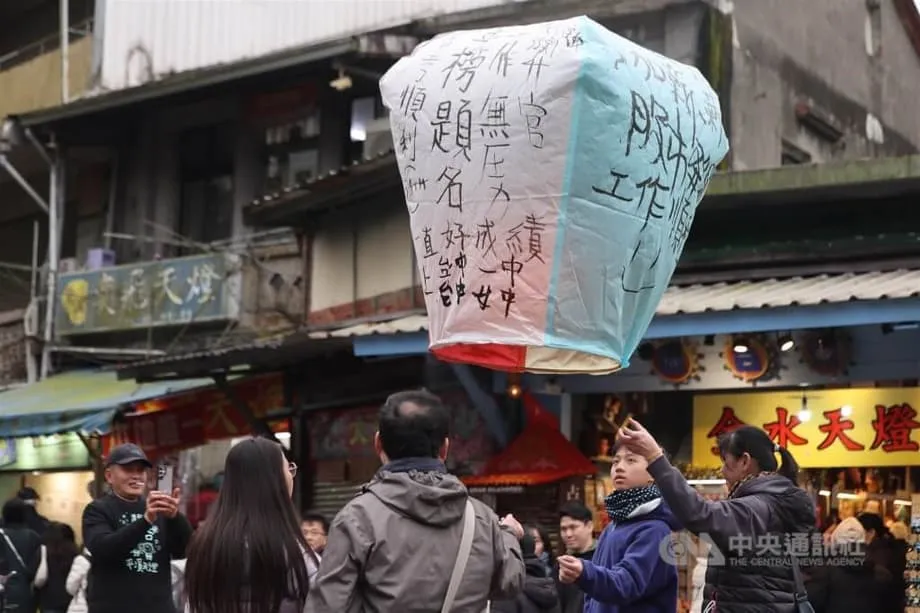
Pingxi's lantern tradition invites visitors to write wishes on paper lanterns and send them into the sky using a small flame. Families and tour groups often combine the release with photographs, watching the glowing paper rise above the town.
Shifen Old Street presents a particular challenge because the railway passes directly through a busy visitor area. The tracks have become a popular place to pose and release lanterns, even though entering them for that purpose has been illegal under the Railway Act. Vendors and crowds gathering near the rails have contributed to confusion about where visitors may stand.
City rules already allow lantern releases in designated places near the Keelung River. The trial adds tightly limited access to marked railway areas during the suspension of train service, concentrating activity where staff can supervise it.
Pingxi's international recognition for lantern releases supports vendors, guides and small shops in Shifen, Pingxi and Jingtong. The railway running through the old streets helps give the setting its intimate, photogenic appeal. Officials face the task of keeping that visitor experience orderly while reducing unplanned entry onto the rails and meeting railway safety and fire requirements.
Where visitors will be allowed to release lanterns
The Pingxi District office has submitted proposed hours and specific release areas for Shifen, Pingxi and Jingtong. TR plans to start at Shifen, with the other two locations dependent on the completion of local arrangements.
Detailed maps and time slots will be announced at the sites and through city channels. The precise daily windows and boundaries have not yet been given. Visitors will need to check those notices before planning a release, including whether Pingxi or Jingtong has opened.
The temporary arrangement follows several developments:
- In August 2025, two Taiwanese YouTubers were fined after releasing a lantern on the Shifen track.
- Heavy rain earlier in 2025 weakened sections of the Pingxi Line roadbed, leading to a suspension of train service for repairs.
- The supervised lantern trial is scheduled to begin this weekend, following the November 27 announcement, with Shifen Station opening first.
- The trial will continue through the end of January 2026, matching the planned period of suspended rail service.
Who controls access and enforces the rules
The Pingxi District office proposes the release times and areas. TR manages access to station precincts and tracks and coordinates crowd control. The New Taipei City Tourism and Travel Bureau is responsible for enforcing the city's lantern regulations and communicating the arrangements to the public and vendors.
Article 57 of the Railway Act prohibits pedestrians from entering railway routes, bridges, tunnels and station areas that are not open to the public. Under the trial, visitors will have limited permission to enter specified track areas during posted hours while trains are not operating. The usual restrictions will continue outside those areas and times.
The Fire Services Act provides for penalties for unsafe behavior, with violations of the trial's time, safety and location rules carrying fines of up to NT$3,000. Visitors must follow both the access arrangements and the rules governing lantern releases.
New Taipei City is also working on a measure that would require lantern vendors to use certification stamps and pay a sustainable development fee to support oversight. That measure is being developed alongside the immediate arrangements for supervising the trial.
The August fines that exposed confusion
Two Taiwanese YouTubers received NT$10,000 fines, about US$320, after releasing a lantern on the Shifen track in August. The incident drew attention to the gap between the railway's legal restrictions and the activity visitors regularly see around the old street.
The two said vendors and other visitors were also on the rails. Their explanation reflected the uncertainty that can arise when a working railway runs through a crowded tourist destination and lantern releases are a familiar part of the scene.
City and railway officials responded by promising clearer rules and stronger direction at the site. The trial puts those responsibilities into a specific arrangement: marked boundaries, posted hours, staff supervision and vendors guiding customers toward permitted locations.
Coordination with local vendors is a central part of the plan. Vendors are expected to help visitors find the correct zones and avoid releases outside the approved windows, while stewards manage the people waiting to enter.
Why the Pingxi Line needs repairs
Heavy rain earlier this year weakened sections of the roadbed beneath the Pingxi Line. Weeks of persistent rain preceded the repair work, and prolonged rainfall can erode the foundation supporting a railway and make the track unstable.
The roadbed is the layer of earthwork beneath the ballast and rails. Ballast consists of the stones supporting the track. If the underlying earth erodes, the rails can settle unevenly and move out of alignment, affecting the stable support that trains need.
Engineers are reinforcing the subgrade, replacing ballast and checking drainage. The subgrade is the underlying ground that supports the railway structure. Crews also plan to improve drainage along sections passing directly through town centers, helping keep the track stable through the wet season.
Repairs require time for the ground to be compacted and settle. Train service is therefore paused until the work is complete. Suspending traffic protects workers and prevents further damage while crews strengthen the line.
The lantern trial runs within this planned repair period. Its end in late January 2026 aligns with the period of suspended service, and regular track restrictions will apply again once trains resume.
A closed railway still needs careful supervision
Visitors will encounter physical hazards even while regular trains are absent. Ballast stones are uneven, rail heads can be slippery, and maintenance crews may move equipment through the railway corridor.
Staff will need to keep lantern participants within the marked areas and away from repair activity. Temporary barriers and directions from stewards or police will define where people can wait and when they can enter.
Overhead lines and nearby buildings create further risks if a lantern drifts sideways. Participants should stay clear of overhead lines and building eaves, leaving staff to decide whether a release can proceed safely.
Wind, rain or maintenance activity may cause staff to pause releases. The combination of supervision, boundaries and limited hours is intended to reduce those risks while allowing a controlled version of the ritual.
Lantern debris and fire risks remain concerns
Hikers and residents have repeatedly raised concerns about lantern debris in the hills around Pingxi. Once a lantern's flame goes out, its paper and frame can fall onto slopes, into riverbeds or onto farmland.
Some lanterns use thin metal wire to hold their shape. That material makes cleanup more difficult and can harm wildlife. Claims that lantern materials are biodegradable are difficult to verify, and collection crews still have to locate and remove the remains.
Fire risk changes with the weather. Dry vegetation and gusty winds increase danger, so releases are limited to calmer periods. Staff can suspend activity during high wind or rain, while the overnight restriction continues to prohibit releases between 10 p.m. and 6 a.m.
Visitors seeking an experience with less environmental impact can choose certified paper lanterns and avoid windy days. Matches and lighters should stay unused until staff give permission, and participants should follow directions about where to stand and how to launch.
What visitors should check before entering
Anyone planning a release should treat the railway area as a controlled site, with access managed much like entry to a platform under supervision. Preparing before reaching the launch point can help keep queues moving and reduce time spent on the track.
The practical requirements are straightforward:
- Check the posted release windows before arriving.
- Use only the designated areas at Shifen, or at Pingxi and Jingtong once those locations open.
- Follow staff and police directions, and remain behind temporary barriers until told to enter.
- Do not release lanterns between 10 p.m. and 6 a.m.
- Keep clear of overhead lines and building eaves.
- Write the lantern message before reaching the launch point to avoid delays.
- Stay off the tracks outside the permitted windows and marked areas.
- Respect any pause caused by wind, rain or maintenance work.
Vendors near the stations will be asked to reinforce these requirements. The Tourism and Travel Bureau will publicize the arrangements, while notices at the sites will provide the boundaries and hours that visitors need to follow.
What follows the temporary opening
The trial is scheduled to end at the close of January 2026. Once regular trains return to the Pingxi Line, the usual restrictions on entering the tracks will apply again.
Officials plan to review compliance, crowd behavior and safety outcomes before deciding on any future arrangements. National regulators have also been reviewing whether parts of the Railway Act need updating for railway lines that attract large numbers of tourists.
Visitors planning a lantern release should check official notices for the latest rules. The immediate arrangement is a temporary, supervised opening during repairs, with Shifen first and possible expansion to Pingxi and Jingtong after the local boundaries and time windows are finalized.
Key Points
- TR will begin supervised sky lantern releases on Pingxi Line tracks this weekend, with the trial ending in January 2026.
- Shifen Station will open first; Pingxi and Jingtong may follow once local arrangements are finalized.
- Train service is suspended while crews repair the roadbed after heavy rain.
- Visitors may enter only marked areas during posted hours and under staff supervision.
- Lantern releases remain prohibited between 10 p.m. and 6 a.m.
- Violations can bring fines of up to NT$3,000 under the Fire Services Act.
- Two Taiwanese YouTubers received NT$10,000 fines after a lantern release on the Shifen track in August.
- Railway access restrictions continue outside the trial's permitted places and times.
- Weather, maintenance activity, fire risks and lantern debris remain central concerns.
- Officials will review the trial before deciding on future arrangements.