A steel plant at the centre of an export contamination case
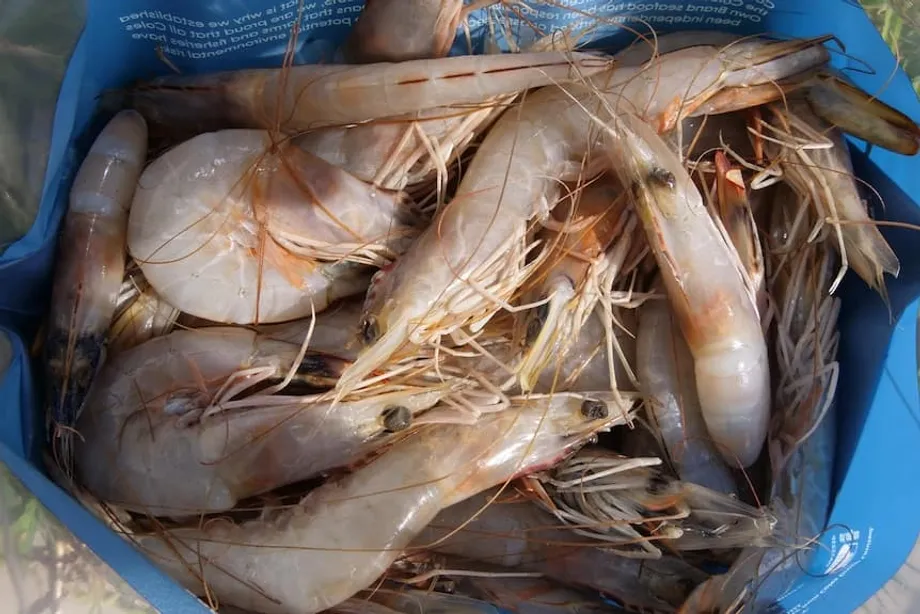
Indonesia has opened a criminal investigation after cesium 137, a radioactive substance, was detected in exports ranging from frozen shrimp and cloves to branded sneakers. By November 26, 2025, the investigation had drawn together contaminated scrap metal, airborne particles and shipping containers that could carry residues from one cargo to another.
Contents
- A steel plant at the centre of an export contamination case
- How the alerts spread from ports to factories
- How radioactive scrap could reach shrimp and shoes
- Imported scrap or discarded domestic equipment?
- Why shipping containers became a major concern
- What the food measurements mean for health
- How inspectors located the radiation
- Cleanup, medical checks and an isolation zone
- Exports resume under additional certification
- Practical checks for exporters and importers
- At a Glance
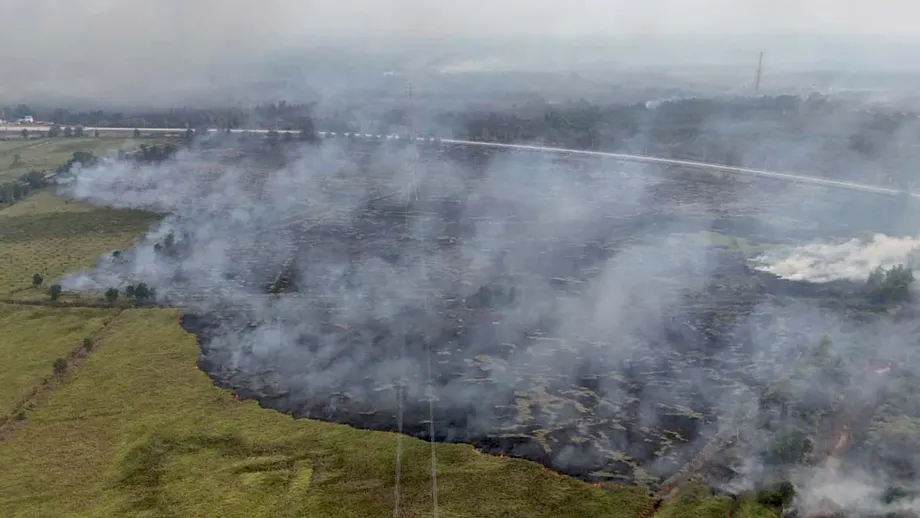
The focus is PT Peter Metal Technology, a steelmaker that melts scrap at the Cikande Industrial Estate in Banten province, west of Jakarta. Investigators found the highest contamination readings inside a furnace at the plant. Government task force officials say particles released by activities there likely settled on nearby facilities, including a shrimp processing site operated by PT Bahari Makmur Sejati.
More than 20 factories in and around the estate showed signs of contamination. Officials said more than 1,500 workers were screened, nine people tested positive for exposure and received treatment in Jakarta, and contaminated sites within the industrial zone had been decontaminated. Follow up surveys were planned for remaining sites.
European and U.S. detections triggered recalls, import alerts and checks extending beyond food to footwear, packaging and transport equipment. Authorities said the measured contamination in food did not pose an immediate health threat to consumers. Their response nevertheless reflects concern about repeated exposure and about radioactive material moving through ordinary industrial and trading networks.
The case has exposed weaknesses in oversight of scrap metal and shipping equipment inside and around a large industrial estate. Indonesia is tightening checks while trying to keep exports moving, with the United States remaining the largest destination for Indonesian shrimp.
How the alerts spread from ports to factories
Dutch inspectors detected radiation coming from Indonesian shipping containers and reported contaminated boxes of sneakers. Footwear shipments showing traces of radiation were returned to Indonesia for testing, while the Dutch detection prompted a recall and closer scrutiny of other footwear shipments.
U.S. authorities issued a consumer advisory in August after cesium 137 was detected in containers carrying certain frozen shrimp that had arrived at major ports. Testing subsequently confirmed the isotope in a sample of cloves from a different exporter, PT Natural Java Spice.
Affected products were recalled, and the companies were blocked from sending additional goods until they could demonstrate that the source problem had been addressed. Retailers and importers recalled affected goods and disposed of them. The clove samples were held and tested before reaching store shelves.
The developments unfolded in several stages:
- Early port alerts: Dutch inspectors detected radiation in Indonesian containers, including boxes of sneakers.
- August 2025: U.S. authorities issued a consumer advisory for certain frozen shrimp after detections at major ports.
- Later testing: Cesium 137 was confirmed in cloves from PT Natural Java Spice, extending the food investigation beyond shrimp.
- By November 26, 2025: Indonesia had opened a criminal case, conducted cleanup and medical screening, tightened scrap controls and restarted shrimp exports to the United States under additional checks.
Those findings pushed investigators to examine both the goods and the equipment used to move them. Contamination on a container wall or a package can travel with a shipment, making the transport chain part of the investigation alongside the factory where a product was made.
How radioactive scrap could reach shrimp and shoes
Cesium 137 is a radionuclide, meaning an unstable form of an element that releases radiation as it decays. It is produced by nuclear fission and is used in medicine and industry in sealed sources, often in the form of cesium chloride.
Investigators describe a possible chain beginning when a radioactive source enters a scrap metal supply. If that source is melted in a furnace, its material can become gas or fine particles. Those particles can then settle on equipment, buildings, packages and shipping containers.
PT Peter Metal Technology operates close to food and consumer goods facilities in Cikande. Technical experts have explained that the pattern of contamination fits a release from scrap melting, with radioactive dust spreading to nearby surfaces. Task force officials say particles from the steel plant likely reached the shrimp processing facility operated by PT Bahari Makmur Sejati.
Industrial gauges, radiography equipment and meters that measure levels or density are among the devices that may contain sealed radioactive sources. When such a source is lost from regulatory control, it is called an orphan source. A discarded device can become a contamination problem if it enters ordinary scrap collection and is fed into a furnace.
Indonesia does not operate nuclear power reactors or a nuclear weapons program. Older medical and industrial devices are the most likely civilian routes by which cesium 137 could enter the supply chain described by investigators. The high readings inside the Cikande furnace support the theory that radioactive scrap was melted there.
Imported scrap or discarded domestic equipment?
Indonesian officials are investigating two possible routes into the steel plant. One involves imported scrap, after inspectors discovered contaminated containers at ports and ordered their return. The other involves material collected within Indonesia.
A senior Industry Ministry official told a parliamentary hearing that the scrap could have come from domestic sources, possibly disused medical equipment that was sold into the plant. The precise origin of the radioactive material entering the furnace has not been settled.
Authorities said the company's management had returned to China, complicating interviews and reviews of documents. Police have opened a criminal case as officials examine how radioactive material could have entered the scrap stream and spread through the estate.
The government has imposed tighter controls on scrap shipments and begun screening vehicles and goods moving through the industrial area. These checks address both incoming material and the possibility that contaminated particles could leave on cargo or transport equipment.
Why shipping containers became a major concern
U.S. findings identified radiation in several shipping containers and on packaging, making container reuse a central issue. A box carrying contaminated material can later be assigned to food or another product, allowing residues to move between otherwise unrelated shipments.
At a Jakarta port, authorities sent back 14 containers of scrap. Additional containers originating from the Philippines were also scheduled for return. Indonesian officials ordered contaminated scrap containers to be re exported as part of efforts to prevent further exposure.
Inspectors at another port intercepted eight containers of zinc powder from Angola that tested positive for cesium 137. Those containers were re exported and were later reported to be idling off the Philippine coast while governments worked out the next steps.
Zulkifli Hasan, Indonesia's Coordinating Minister for Food Affairs and leader of the government task force on cesium 137, warned that contaminated containers could transfer the problem to successive cargoes:
If those containers were used to ship shrimp, the shrimp could be contaminated. And if they're reused for other goods, that's dangerous.
Container isolation and decontamination therefore matter alongside testing the products themselves. Goods that never passed through the original incident zone can encounter radioactive residues if they are loaded into a contaminated container that has returned to general circulation.
What the food measurements mean for health
U.S. sampling of a shrimp shipment processed in Indonesia found 68 becquerels per kilogram of cesium 137. Testing of cloves from a separate Indonesian exporter found 732.43 becquerels per kilogram. A becquerel measures radioactive activity, and the figure per kilogram describes how much activity was detected in a given weight of food.
The U.S. Food and Drug Administration uses a Derived Intervention Level of 1,200 becquerels per kilogram for cesium 137 in food safety decisions. Both measurements were below that threshold. The shrimp reading was about 5.7 percent of the intervention level, while the clove reading was about 61 percent, calculated from the reported figures.
Authorities said the measured levels did not present an acute hazard to consumers. Their concern includes repeated exposure over time through contaminated food or contact with contaminated surfaces, which can increase health risks.
Cesium 137 has a half life of about 30 years, meaning that roughly half of its radioactive activity remains after that period. It emits penetrating gamma rays that port monitors and handheld instruments can detect. In the body, it behaves in ways similar to potassium and tends to distribute through soft tissues.
Exposure at very high levels can be dangerous in the short term. In this case, regulators are focused on preventing continuing exposure at lower levels through testing, cleanup and keeping packaging and containers from becoming contaminated again.
The FDA described its principal concern about repeated exposure in public guidance:
The primary health effect of concern following longer term, repeated low dose exposure (for example through consumption of contaminated food or water over time) is an elevated risk of cancer, resulting from damage to DNA within living cells of the body.
How inspectors located the radiation
Ports use fixed and mobile radiation detectors to scan containers as they move through gates. Small signals are common because many materials emit background radiation. Persistent alarms or readings above preset thresholds lead to further checks.
Inspectors then use handheld instruments and, where needed, take samples from cargo or packaging. In the U.S. cases, gamma emissions were traced to container walls and packaging, and then to frozen shrimp from a processor near the Cikande industrial zone.
Dutch checks similarly identified radiation in a container carrying sneakers. The food and footwear findings prompted broader screening and closer attention to containers linked to the industrial estate in Banten.
Testing at several points in the supply chain helped identify different parts of the problem: contaminated transport equipment, residues on packages and cesium 137 in food samples. Each required attention to stop affected material from continuing through trade.
Cleanup, medical checks and an isolation zone
Indonesia designated Cikande a serious incident zone to speed containment and cleanup. The national nuclear agency, a government task force and emergency teams mapped contamination, cleaned surfaces and conducted medical checks.
Teams used portable detectors to locate hotspots and marked affected areas before cleaning them with appropriate methods. Waste generated during decontamination followed a dedicated handling route and was placed in temporary storage at a secured location.
The government designated the steel plant area as an isolation point for contaminated goods and equipment, keeping them out of general circulation. Vehicles entering and leaving the estate were checked to reduce the risk of carrying particles beyond the controlled zone.
People living near highly contaminated spots were relocated during the cleanup. Health teams examined residents and workers. Officials said nine individuals with measurable exposure received treatment in Jakarta and were cleared after treatment and follow up.
Authorities reported that more than 20 affected plants had completed decontamination and that all contaminated sites within the industrial zone had been cleaned. They also scheduled follow up surveys for remaining sites. Officials maintained that contamination was confined to the industrial estate and that food safety systems remained intact.
Indonesia is coordinating with international partners, including the International Atomic Energy Agency and U.S. agencies, on monitoring and reporting. Officials said this cooperation was intended to support transparency and confidence in export checks, with strict port controls continuing during the investigation.
Exports resume under additional certification
U.S. regulators issued import alerts for shrimp processed by PT Bahari Makmur Sejati and later flagged the contaminated clove shipment from PT Natural Java Spice. The United States also invoked an authority allowing it to require import certification for specified products and regions.
Shrimp and cloves from parts of Indonesia must now carry a certificate confirming that they are free of radioactive contamination before entry. Indonesia's Ministry of Maritime Affairs and Fisheries is scanning export containers and issuing certificates agreed with U.S. regulators.
The Indonesian task force placed companies that tested positive on a red list, including PT Bahari Makmur Sejati and PT Natural Java Spice. They can return to trade after obtaining verification from an accredited third party. Java and Lampung were among the regions placed on a yellow list for intensified checks.
Officials said shrimp exports to the United States had restarted, with hundreds of containers scanned and more than one hundred cleared to sail. The additional certification, radiation monitoring at ports and control of shipping containers are intended to reduce the chance of contaminated surfaces reaching consumers.
The U.S. market's position as Indonesia's largest shrimp destination makes the response especially consequential for exporters. Both governments are working to preserve trade while preventing another contamination event.
Practical checks for exporters and importers
Exporters near heavy industry can reduce exposure risks by scanning for radiation at factory gates and loading bays. Following a nearby incident, surface swabs in packaging areas can provide another check for residues. Packaging should remain sealed as late as possible, with outdoor storage near industrial stacks kept to a minimum.
Companies should track container identification numbers and keep containers linked to contamination out of use until they pass independent checks. Suppliers and logistics partners should confirm whether scrap, pallets or containers have been stored or processed in the affected zone.
Records that allow rapid tracing of goods and equipment can help companies identify affected shipments. Staff should be trained to report unexpected radiation alarms and unusual labels indicating a radioactive source. Material that tests positive should be isolated, national regulators informed and guidance sought before cleanup or disposal.
Indonesia's continuing monitoring brings together the investigation into scrap origins, checks on industrial premises and controls on cargo leaving the country. Preventing contaminated equipment from returning to ordinary use remains part of that work.
At a Glance
- Indonesia opened a criminal investigation after cesium 137 was detected in shrimp, cloves and branded sneakers.
- Investigators linked the contamination to scrap melting at PT Peter Metal Technology in Cikande, Banten.
- More than 20 factories were affected. Officials reported completed decontamination and planned follow up surveys.
- More than 1,500 workers were screened, and nine people with measurable exposure received treatment in Jakarta.
- U.S. tests found 68 becquerels per kilogram in shrimp and 732.43 in cloves, below the FDA intervention level of 1,200.
- Authorities said there was no immediate consumer health threat, while warning about repeated exposure over time.
- Contaminated containers and packaging helped explain why different types of exports were affected.
- Indonesia returned contaminated scrap shipments and tightened checks on scrap, vehicles and goods.
- Shrimp exports to the United States resumed under additional screening and certification requirements.
- The origin of the radioactive scrap remained under investigation as of November 26, 2025.