A longer journey from Bali, with more islands within reach
Direct passenger ferries between Bali and Labuan Bajo are scheduled to begin in late November and early December 2025, giving travelers a new way to reach the gateway to Komodo National Park. The passenger ships KM Binaiya and KM Tilongkabila are set to operate the route, with journeys taking roughly 27 to 37 hours and economy tickets starting around IDR 295,000.
Contents
- A longer journey from Bali, with more islands within reach
- What changes, and when?
- What to expect aboard the ferry
- Flying remains the quickest option
- The route through Lombok and Sumbawa still has a place
- From transport to a holiday aboard a boat
- Dragons, reefs and the islands inside the park
- Weather and safety shape every sea journey
- Budget for the park, not just the crossing
- Labuan Bajo's place in Indonesia's tourism plans
- What to Know
For visitors planning a trip as of November 26, the service offers the prospect of reaching Flores by sea without arranging a chain of separate ferries and buses. Sailings are expected at intervals rather than daily, so the route will require more advance planning than a flight.
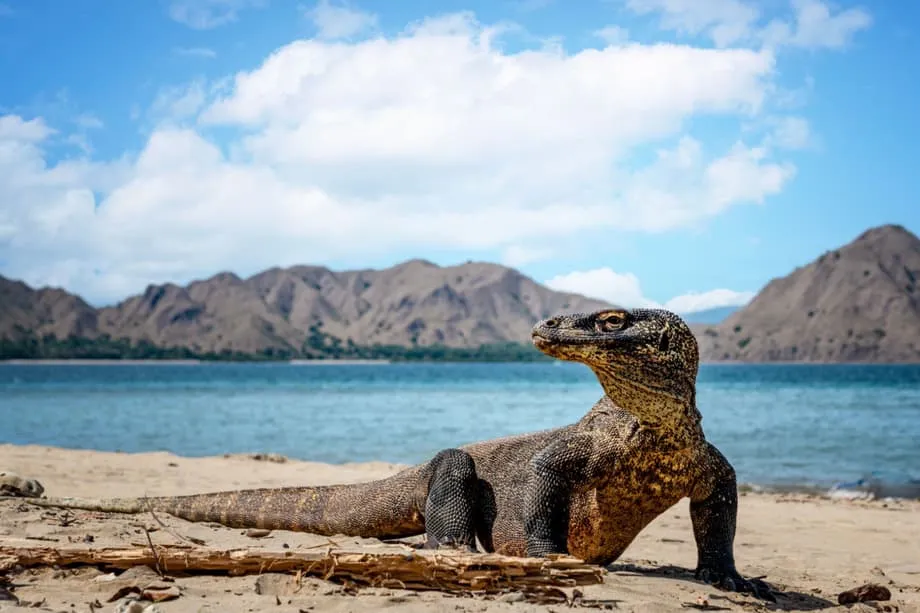
Labuan Bajo, on Flores in East Nusa Tenggara, is the starting point for boat trips into Komodo National Park. The UNESCO World Heritage Site includes Komodo, Rinca and Padar among dozens of islands. It is the only place on Earth where Komodo dragons live in the wild, and it also protects rich coral reefs, manta ray cleaning stations and beaches with pink sand.
Indonesia has been encouraging visitors to travel beyond Bali, and Labuan Bajo is one of five regions selected by the Ministry of Tourism for accelerated development. The ferry supports that effort by giving travelers another way to combine culture, wildlife and visits to several islands in one holiday.
The main choice is between saving time and spending less on transport. A flight from Bali takes a little over an hour; the proposed ferry journey takes more than a day. For travelers who enjoy long sea voyages, the crossing can become part of the holiday itself.
What changes, and when?
Bali visitors have generally reached Komodo most quickly by taking a domestic flight to Labuan Bajo, followed by a boat into the park. Travelers making the entire journey by land and sea have needed to connect several ferries and buses across Lombok and Sumbawa, often spending one to two days or more in transit.
The scheduled service provides a direct connection between Bali and Labuan Bajo. Direct travel here can still involve intermediate port calls: passengers avoid arranging separate transport for each stage, while the ship's stops help explain why journey estimates range from just under 30 hours to a little over a day and a half.
KM Binaiya and KM Tilongkabila are the ships named for the service. The expected travel time of 27 to 37 hours depends on the vessel and its intermediate calls. Some sailings may occur only every couple of weeks, making the departure date an essential part of any itinerary.
The key dates around the route and its planning are:
- June 2024: A traditional tourist boat sank near Padar Island after encountering difficult conditions, highlighting the need to consider weather and vessel safety.
- November 26, 2025: The Bali to Labuan Bajo service is still described as an upcoming option for travelers.
- Late November and early December 2025: Scheduled ferry services are expected to begin.
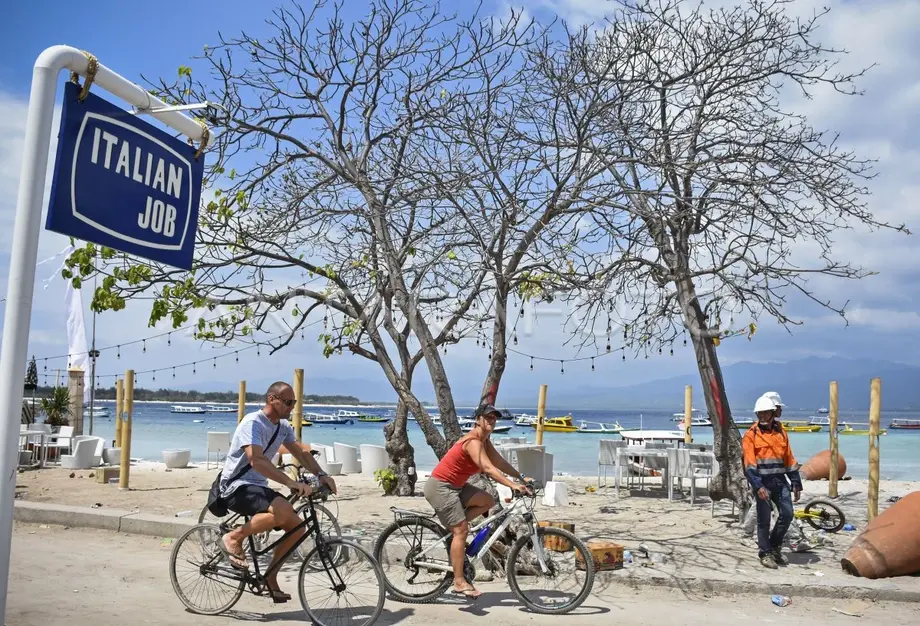
Travelers can use the route for a journey in one direction and return by air. Those with more time can build a longer itinerary that includes Lombok and the Gili Islands on the return trip, combining the direct crossing with shorter journeys between islands.
What to expect aboard the ferry
Indonesia's passenger ferries serving distant islands are geared toward value. Travelers should expect basic comfort, shared spaces and long hours at sea, with island stops breaking up the journey. The attraction is affordable passage rather than the cabin experience offered by a holiday cruise.
Benoa Port in southern Bali has typically been the departure point for previous long ferry journeys. Travelers should confirm the exact departure port and boarding procedures when purchasing tickets, because schedules can change.
The starting fare of around IDR 295,000 places the service among the most affordable options for reaching Labuan Bajo. The final journey time will depend on the sailing chosen, so passengers should check the ship, departure time, intermediate calls and expected arrival before arranging accommodation or a park excursion.
Ticket purchases often take place at port counters or through trusted local agents. Online listings are improving, although they are not always comprehensive. Buying ahead where possible is useful when a service has long gaps between departures.
Light layers can help with changing cabin temperatures. A water bottle, snacks and motion sickness tablets are useful preparations for a long crossing, especially for passengers sensitive to movement. Valuables should be secured before spending time on deck or in common areas.
Weather and maintenance can delay sailings. A practical arrival plan includes a night in Labuan Bajo before joining a boat tour, allowing time to rest and reducing the pressure created by a late ferry.
Flying remains the quickest option
Daily flights connect Bali's Ngurah Rai International Airport, identified by the code DPS, with Komodo Airport in Labuan Bajo, identified by LBJ. Indonesia AirAsia and Batik Air serve the route, with other airlines operating at various times.
The flight takes about one hour and 15 to 20 minutes. For travelers with a short holiday, that is a substantial time saving compared with a ferry journey lasting 27 to 37 hours. Flying remains the fastest and most convenient choice for many visitors.
Return fares often come to around US$100 during sales, and deals for travel in one direction are common in the shoulder months between the busiest and quieter travel periods. Prices depend on the booking and travel dates, while the ferry's starting price refers to basic passage.
Komodo Airport is close to Labuan Bajo town. Even with that short transfer, a night in town before an early boat departure is sensible because flight delays or afternoon winds can complicate plans.
A combined itinerary can balance cost, time and the experience of traveling by sea. Visitors might sail from Bali to Flores and fly back, keeping the long crossing as part of the trip without spending the same amount of time on the return journey.
The route through Lombok and Sumbawa still has a place
Travelers who want to visit several islands can still take the established route through Lombok and Sumbawa. It starts with a fast boat from Sanur or Padangbai in Bali to the Gili Islands or Lombok.
A public ferry then connects Lombok with Sumbawa. From there, travelers continue overland to Sape at the eastern end of Sumbawa before taking another ferry to Labuan Bajo on Flores.
This journey can take 24 to 36 hours, depending on connections and sea conditions. Arranging several ferries and buses can stretch the trip to one or two days or longer. Each connection affects the arrival time, so an itinerary needs room for changes.
The route is economical and scenic, and it suits visitors who want to see more of everyday island life. Facilities on public ferries are simple, and rough weather can change schedules.
The new direct service gives travelers a different choice: remain aboard a passenger ship for the crossing to Labuan Bajo, or break the journey into stages to spend time on other islands. Neither removes the need to plan around sea conditions.
From transport to a holiday aboard a boat
Labuan Bajo offers boat trips ranging from a single day to several nights at sea. Speedboats operating day trips can reach prominent stops such as Padar, Pink Beach and Manta Point.
Liveaboard cruises, on which passengers sleep aboard the boat, are a signature way to explore Komodo. The most common format is three days and two nights, giving visitors more time between island landings and snorkeling stops.
Accommodation ranges from budget cabins with fans to suites on elegant phinisi style vessels and expedition yachts offering service comparable to a hotel. Longer itineraries sometimes begin or end in Lombok and include a full day at sea between islands.
Places should be booked ahead during popular months, when boats can fill weeks or months in advance. Travelers should research operators, check safety equipment and review exactly what the price includes.
Many reputable boats provide meals, snorkeling equipment and guided landings with park rangers where required. The passenger ferry to Labuan Bajo and a cruise through Komodo serve different parts of the journey, so travelers need to budget and book for both where appropriate.
Dragons, reefs and the islands inside the park
Komodo National Park spans 29 volcanic islands across the strait between Flores and Sumbawa. Its landscape includes sharp ridgelines, sheltered bays with clear water and beaches where fragments of coral mix with sand to give it a pink color.
Komodo dragons can be seen on Komodo and Rinca with licensed rangers. These are wild animals with a powerful bite, making guided walks a central safety rule rather than an optional addition to a visit.
Padar Island has a steep but well maintained climb to a viewpoint overlooking three crescent shaped bays, each with a different tint of sand. Pink Beach often offers good snorkeling just offshore, and its color is especially apparent on calm days.
Manta Point is known as a cleaning station, a place where manta rays gather and where snorkelers and divers can watch them glide above the reef. Batu Bolong is a celebrated diving site with abundant fish life.
Kanawa, Taka Makassar and Kalong Island add other experiences to many itineraries, including swims around sandbanks and the sight of bats flying at sunset. A day trip can cover selected highlights, while several nights aboard a boat allow a broader route.
Visitors pay an entrance fee, and approved guides are required for walks to see dragons. Capacity at popular sites is managed, while visit times often aim to reduce crowding or avoid strong tidal currents. These rules help protect fragile reefs and keep wildlife encounters safe for people and animals.
Weather and safety shape every sea journey
April to November is the dry season, bringing the best odds of calm seas and clear water. April to June and September to early November are especially valued for good visibility, fewer crowds and active marine life.
June to September is typically the mating season for Komodo dragons, which can make sightings less predictable. December to March brings heavier rain and potentially rougher crossings, so the planned ferry launch falls close to the wetter part of the year.
Travelers should choose licensed operators, check for life jackets and radios, and avoid pressuring crews to leave in poor weather. The same attention is needed for a short excursion within the park as for a longer journey between islands.
A traditional tourist boat sank near Padar Island in June 2024 after encountering difficult conditions. Supriyanto Ridwan, head of Search and Rescue in Maumere at BASARNAS, later described the waves, currents and pump failure involved in the sinking:
Supriyanto Ridwan, Head of Search and Rescue in Maumere (BASARNAS), said large waves and strong currents overwhelmed the vessel, and a failure of the bilge pumps allowed the ship to take on water.
Bilge pumps remove water that collects inside a vessel. Their failure left the boat taking on water while it was already facing large waves and strong currents.
Incidents of this kind are rare but instructive. Checking forecasts, arranging travel insurance that covers boat trips, and keeping essential documents and electronics in a dry bag are useful precautions.
Inside Komodo National Park, visitors should stay with their guide, keep a respectful distance from dragons, avoid feeding wildlife and take all rubbish away. Snorkelers should stay clear of coral, which can be damaged by careless fin movements, and control their position in the water carefully.
Budget for the park, not just the crossing
The ferry's starting fare of around IDR 295,000 covers basic passage to Labuan Bajo. A complete Komodo trip also needs money for accommodation, onward boat travel, park fees and any diving activities.
Flights between Bali and Labuan Bajo often sell for around US$100 for a return journey. Day trips into Komodo National Park typically start at about US$125 per person with meals and equipment, while a cruise lasting three days commonly begins around US$325 for a simple cabin. Luxury boats cost more.
Park fees are an additional expense. A common estimate is about US$35 per person for a standard visit, although charges can change and vary by site or activity. Travelers should check the inclusions listed by their boat operator rather than assume the park charge is part of the tour price.
Many boats supply snorkeling gear, but visitors may prefer to bring their own mask. Divers should carry their certification cards and choose recognized operators familiar with local currents.
Labuan Bajo accommodation ranges from simple guesthouses to stylish hotels on cliffs. ATMs are available in town, although cash remains useful for small payments aboard boats and in remote villages.
Arriving the day before a park tour, booking transport early for popular months and leaving a buffer day at the end can reduce problems caused by delays. A lightweight medical kit and remedies for motion sickness are also useful for longer days at sea.
Labuan Bajo's place in Indonesia's tourism plans
The Ministry of Tourism has named five super priority regions for accelerated development: Lake Toba in North Sumatra, Borobudur in Central Java, Mandalika on Lombok, Likupang in North Sulawesi and Labuan Bajo in East Nusa Tenggara.
The national strategy seeks to spread tourism across more islands through investment in roads, ports and visitor facilities. A direct sea connection from Bali supports that goal by adding another transport option to a destination already reached by daily flights.
Officials have highlighted Australia as a key market and expressed interest in more direct international connections to Labuan Bajo in the future. European interest in Indonesia has also risen, driven by cultural experiences, scenery and wildlife.
Many visitors now plan journeys that begin in Bali and continue to the Gili Islands, Lombok and Flores. The scheduled ferry adds a choice for those willing to spend longer at sea, while flights remain available for travelers whose priority is speed.
What to Know
- KM Binaiya and KM Tilongkabila are set to connect Bali and Labuan Bajo from late November and early December 2025.
- Expected ferry journeys take roughly 27 to 37 hours, with economy fares starting around IDR 295,000.
- Sailings are expected at intervals rather than daily. Confirm the port, timetable and boarding arrangements before travel.
- Flights take about one hour and 15 to 20 minutes, with return fares often around US$100 during sales.
- The route through Lombok and Sumbawa offers visits to more islands but requires several transport connections.
- Komodo boat trips range from day excursions to cruises commonly lasting three days and two nights.
- Park fees apply, and approved guides are required for dragon walks.
- April to June and September to early November are favored travel windows. December to March can bring rougher seas.
- Check boat safety equipment, allow time for delays and budget separately for the crossing and the park visit.
- Labuan Bajo is one of Indonesia's five super priority tourism regions.