NT$147 billion supports factories across four countries
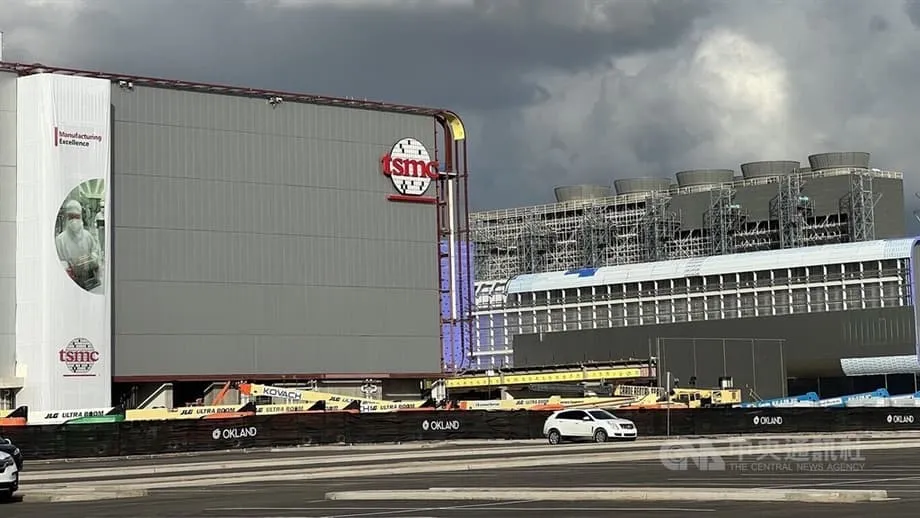
Taiwan Semiconductor Manufacturing Co. has secured about NT$147 billion, equivalent to roughly US$4.71 billion, in government subsidies across 2024 and the first three quarters of 2025. The support comes from the United States, Japan, Germany and China as the company expands a manufacturing network serving everything from artificial intelligence systems to cars and consumer electronics.
Contents
- NT$147 billion supports factories across four countries
- Arizona anchors a US$165 billion investment plan
- Production in Phoenix must grow alongside its workforce
- Kumamoto strengthens supply for Japanese industry
- Dresden ties European expansion to customer demand
- Nanjing faces pressure in established chip technologies
- China also subsidizes the infrastructure behind AI
- Subsidies help meet the cost of building abroad
- AI demand makes packaging a central investment
- Demand and project milestones shape 2025 and 2026
- TSMC balances expansion with shareholder returns
- Key Points
Company disclosures show that TSMC booked NT$4.77 billion in subsidies in the third quarter of 2025. That brought the total for the first three quarters of the year to NT$71.90 billion, alongside NT$75.16 billion in 2024. Together, those amounts approach NT$147 billion.
The money flows through four subsidiaries: TSMC Arizona in the United States, European Semiconductor Manufacturing Company in Dresden, Japan Advanced Semiconductor Manufacturing in Kumamoto and TSMC Nanjing in China. Funding largely supports purchases of property, facilities and equipment, along with operating costs and other expenses involved in bringing new factories into production.
Each subsidiary has agreements with local authorities setting construction schedules and investment conditions. Governments are supporting these projects to secure more reliable supplies of chips and meet rising demand for computing power. TSMC, meanwhile, is extending production closer to major customers while managing the cost of building outside its established manufacturing base in Taiwan.
As of November 19, 2025, the projects are at different stages. The first factories in Phoenix and Kumamoto began production in late 2024. Dresden is being built, with the timing of mass production tied to customer demand and market conditions. Nanjing serves demand for established chip technologies, a market facing pressure from expanding Chinese supply.
Arizona anchors a US$165 billion investment plan
TSMC is investing US$65 billion in three advanced fabrication plants, commonly called fabs, in Phoenix. A fab is a factory where chips are manufactured. The first Phoenix facility entered mass production and began volume shipments in late 2024, establishing the initial production base for a much larger American expansion.
The company has announced another US$100 billion in planned investment in the United States. That additional spending covers three more fabs, two advanced packaging facilities and a major research and development center, bringing its total US commitment to US$165 billion.
TSMC describes the program as the largest single foreign direct investment in US history. In its TSMC US investment update, the company sets out an expansion intended to complete a domestic supply chain for advanced AI chips.
Apple, Nvidia, AMD, Broadcom and Qualcomm are among the customers TSMC says the enlarged Arizona site will support. The plan combines chip fabrication with advanced packaging, the process of assembling chips and connecting them with other components so they can work together efficiently.
TSMC projects tens of thousands of jobs with high pay in manufacturing and research and development over time, alongside about 40,000 construction jobs over the next four years. It also estimates more than US$200 billion in indirect economic output across Arizona and the wider United States during the next decade as suppliers and service businesses grow around the factories.
The expansion will bring TSMC's first advanced packaging capability to the United States. For AI systems, that capability is particularly valuable because powerful processors need fast connections to memory and to other chips.
Production in Phoenix must grow alongside its workforce
The first Phoenix fab is producing at advanced technology nodes intended for leading US customers. A node identifies a generation of chip manufacturing technology. Moving a customer's product to a new factory requires careful checks to ensure that its performance and manufacturing results meet the required standards.
Each product must be qualified again at the new location. Two central measures are performance and yield, the share of manufactured chips that work as intended. High yields help factories make more usable chips from their equipment and materials.
Initial capacity on US production lines is expected to be lower than at TSMC's factories in Taiwan while the workforce grows and suppliers establish local operations. Output and yields generally rise as teams gain production experience and the equipment settles into stable operation.
TSMC already operates a fab in Camas, Washington, and design service centers in Austin and San Jose to support customers based in the United States. Those operations form part of the wider network around the Arizona expansion.
Arizona's packaging industry is also growing through multiple projects. Public support for advanced packaging and testing is intended to shorten product cycles and give chipmakers and their customers more flexibility. Factory capacity, packaging capacity and experienced workers all need to develop together for the expanded network to function effectively.
Kumamoto strengthens supply for Japanese industry
Japan Advanced Semiconductor Manufacturing, known as JASM, brought TSMC's first Kumamoto fab into commercial production at the end of 2024. A second facility is under construction, extending a project aimed at providing dependable supplies for Japanese electronics producers and automakers.
Those customers need reliable access to high quality logic chips and specialty manufacturing processes. Logic chips perform processing and control tasks, while specialty processes meet particular product requirements. The Kumamoto build is intended to support that mix of industrial needs.
Japan has broadened its incentives to secure local chip production and encourage companies from allied countries to place strategic capacity within its borders. Regional authorities have supported infrastructure and workforce programs to match the project's construction and production schedules.
Kumamoto also serves Japan's effort to reduce exposure to external supply disruptions and strengthen its position in valuable parts of the semiconductor industry. Training programs, supplier development and planning for power and water supplies over the long term are part of that work.
TSMC's presence gives smaller suppliers and research institutions a major manufacturing operation around which to develop. The second factory's timetable and its integration with local suppliers will be important measures of the cluster's progress.
Dresden ties European expansion to customer demand
European Semiconductor Manufacturing Company is building TSMC's fab in Dresden, Germany. The project fits Germany's strategy to anchor more chip manufacturing in Europe and the EU Chips Act, which mobilizes tens of billions of euros for the semiconductor sector.
Europe's automotive and industrial businesses need steady access to logic and mixed signal processes. Mixed signal chips handle both digital information and signals that vary continuously, functions needed in many electronic systems. Locating production near customers can improve coordination, reduce logistics risks and support local research and development.
TSMC has said the timing of mass production in Dresden will depend on customer demand and market conditions. Its approach connects the pace of expansion to verified orders, reducing the risk of adding capacity faster than customers need it.
Europe's chip ambitions have also encountered delays and cancellations in some prominent projects. Those setbacks underline the value of dependable partnerships between governments and companies, together with construction schedules that match financial and practical conditions.
Equipment deliveries and workforce training will help determine how Dresden develops as a manufacturing location for European industry. The EU and German funding frameworks will also shape how quickly public support reaches the project.
Nanjing faces pressure in established chip technologies
TSMC's Nanjing operation runs a fab using wafers measuring 12 inches across. The site introduced its mature 28 nanometer process into production in 2022, serving demand for established technologies used in automotive, industrial and consumer products.
Mature nodes remain essential to many products even while AI increases demand for the newest manufacturing processes elsewhere. Customers choose technologies according to the functions, cost and performance their products require.
TSMC continues to adjust Nanjing's operations to global regulations and export controls, which limit the technology nodes available in China. Those restrictions affect the range of manufacturing processes the site can offer.
Chinese foundries have expanded aggressively in mature technologies, contributing to oversupply and pressure on prices. The effects reach producers in Taiwan and other regions as more factories compete for orders in the same market.
Foundries facing that competition have reasons to concentrate on distinctive manufacturing processes, service quality and customer agreements covering longer periods. Those measures can help protect margins when customers have more production capacity to choose from.
TSMC's geographically varied network gives it room to adjust its production mix and factory utilization as conditions change. Utilization means how much of a factory's available capacity is being used, an important factor in spreading its costs across the chips it produces.
China also subsidizes the infrastructure behind AI
China's support for chips extends into the data infrastructure that uses them. Some provinces offer discounted electricity to data centers deploying domestic processors, helping offset the efficiency gap between those chips and foreign devices subject to restrictions.
Electricity costs matter because data centers need power both to run computing equipment and to manage the heat it produces. Support for power bills is one way to make domestic processors more affordable to operate.
China's rapid expansion of renewable power and nuclear capacity supplies growing computing demand. Grid constraints and debt burdens at the local level create tradeoffs as authorities support more infrastructure.
These policies reflect China's effort to become more self reliant in computing, even when that brings higher costs in the short term. They sit alongside its support for domestic manufacturing and show how chip policy reaches beyond factories to the facilities that use their output.
Subsidies help meet the cost of building abroad
Modern chip factories cost tens of billions of dollars and take years to complete. Government support reduces the capital companies must supply at the outset and spreads risks that private investors may be reluctant to carry alone.
The US CHIPS and Science Act provides grants, loans and a 25 percent investment tax credit for eligible semiconductor assets. TSMC Arizona is eligible for additional support equal to about 25 percent of certain qualifying investments. A tax credit reduces the tax a company owes based on spending that meets the program's rules.
In the United States, grants, loans, incentives from state authorities and the investment tax credit help narrow the cost gap with established manufacturing centers. Comparable programs in Europe and Japan connect public priorities with companies' production requirements.
Construction and operating costs outside Taiwan can still be higher despite subsidies. Wages, building expenses and the depth of the local supplier network affect how much a factory needs to produce and sell before it covers its costs.
Experience in 2024 showed that projects lacking strong financial support can stall. The time needed to obtain equipment, the availability of skilled workers and utility upgrades also influence construction and production schedules.
Joint ventures allow companies to share capital burdens and coordinate product plans. Public backing for research and development and advanced packaging can address constraints elsewhere in the production chain. Together, incentives and partnerships help deliver capacity that serves governments' technology and security goals.
Semiconductor assets operate over many years, so their financial returns also develop over a long period. Predictable policies, stable electricity and reliable logistics remain important alongside grants when companies choose where to build their next production line.
AI demand makes packaging a central investment
IDC expects the global semiconductor market to grow by about 15 percent in 2025, driven by AI and high performance computing. Its outlook points to a critical year for 2 nanometer technology and a sharp increase in advanced packaging capacity.
AI chips require very fast connections between their computing components and memory. High bandwidth memory supplies data at the speeds these systems need, while fast connections between chips help multiple components work together.
TSMC's CoWoS technology and methods using large panel formats are among the advanced packaging approaches expanding rapidly. Packaging therefore has a direct bearing on how many complete AI products can reach customers, alongside the capacity to manufacture the chips themselves.
IDC expects a sharp increase in advanced packaging production capacity in 2025. That growth is essential for leading AI accelerators and newer server designs that place heavy demands on power and data bandwidth.
Expanding packaging alongside chip fabrication improves the amount of finished production that can move through the manufacturing network and reduces logistics risks. The Arizona plan reflects that need by adding packaging facilities alongside new fabs.
Demand and project milestones shape 2025 and 2026
Arizona's second and third fabs, their equipment installation schedules and the expansion of advanced packaging are important milestones for TSMC's US program. Dresden's progress will depend on equipment arrivals and workforce training, while attention in Japan will focus on the second Kumamoto factory's timetable and connections with local suppliers.
Nanjing will provide an indication of demand for mature technologies and how TSMC balances factory utilization with pricing. The company's major production milestones span several years:
- 2022: TSMC Nanjing introduced its mature 28 nanometer process into production.
- Late 2024: The first Phoenix fab entered mass production and began volume shipments.
- End of 2024: The first Kumamoto fab reached commercial production.
- First three quarters of 2025: TSMC booked NT$71.90 billion in subsidies, including NT$4.77 billion in the third quarter.
AI and high performance computing are expected to drive orders as data center operators increase spending on accelerators and the memory that supplies them. IDC expects the memory sector to grow faster than the broader chip market in 2026, with strong growth in high bandwidth memory.
Smartphone and PC markets are stabilizing, supporting a recovery in some mature nodes. The value of automotive electronics per vehicle continues to grow, sustaining demand for a range of manufacturing technologies.
Policy decisions will affect project costs and timing. Final CHIPS Act awards beyond tax credits, workforce programs at the state level and permitting reforms influence US projects. Export control changes can alter product mixes and logistics across borders.
Energy and water planning also require attention, especially in arid regions where fabs and data centers compete for infrastructure. The dates for the later Arizona facilities and the second Kumamoto fab were not given, while Dresden's production timing remains tied to demand and market conditions.
TSMC balances expansion with shareholder returns
TSMC's finances provide flexibility as it carries out the international projects. The company increased its third quarter cash dividend by 20 percent to NT$6 per share and approved a capital expansion plan of about US$14.98 billion.
Shares have surged in 2025 on optimism about AI demand and the company's leadership in advanced manufacturing nodes. Its rising capital budget aligns with customer preorders and agreements covering longer periods that help support factory utilization.
New assets will also bring higher depreciation, the accounting expense that spreads their cost over their useful lives. Maintaining high yields and steady production volumes is therefore important to protecting margins as the network expands.
Government subsidies improve the economics of those projects and reduce their capital costs. The broader result is a manufacturing network spread across more locations, with better capacity to withstand supply disruptions. Its success will depend on customer demand, production performance and the workers, suppliers and infrastructure supporting each site.
Key Points
- TSMC secured about NT$147 billion, or US$4.71 billion, in subsidies across 2024 and the first three quarters of 2025.
- Support from the United States, Japan, Germany and China funds facilities, equipment and expenses linked to expanding production.
- The US investment plan totals US$165 billion for six fabs, two advanced packaging facilities and a major research and development center.
- The first Phoenix and Kumamoto factories began production in late 2024; a second Kumamoto facility is under construction.
- Dresden's mass production timing depends on customer demand and market conditions.
- Nanjing serves mature chip technologies amid oversupply and pricing pressure in China.
- IDC forecasts about 15 percent semiconductor market growth in 2025, with AI and advanced packaging central to demand.
- TSMC raised its third quarter dividend to NT$6 per share and approved about US$14.98 billion in capital expansion.