A push for common rules in a divided trading environment
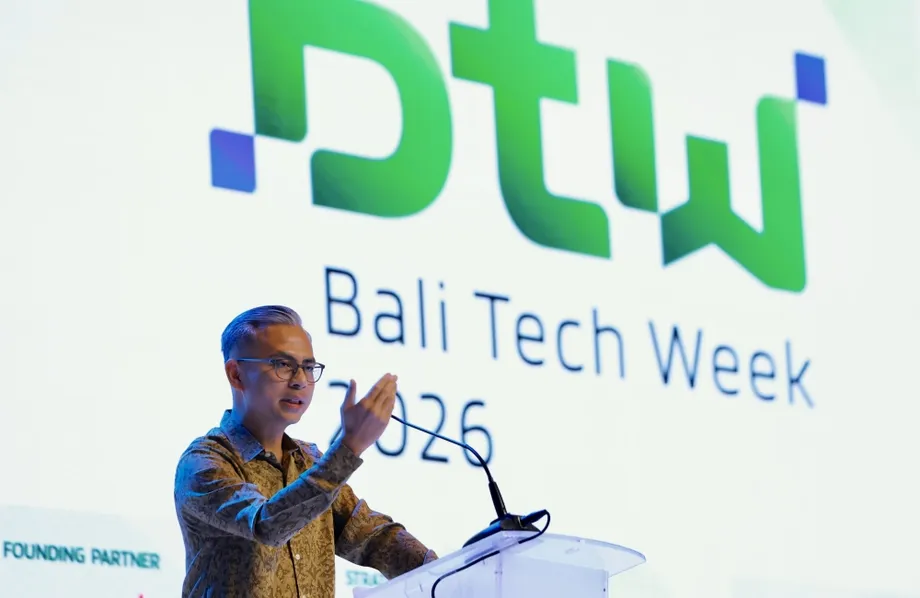
Singapore is urging ASEAN and the European Union to begin discussions on a digital economy agreement, seeking clearer rules for commerce as protectionism, export controls and competing technology standards make international business more difficult. Deputy Prime Minister and Trade Minister Gan Kim Yong made the case at the Singapore FinTech Festival, calling for cooperation to move beyond scattered pilot projects toward a structured pact.
Contents
- A push for common rules in a divided trading environment
- What would a digital economy agreement cover?
- Data protection is a central challenge
- Payments and identity make the rules tangible
- ASEAN is building its own digital framework
- Cooperation has already moved through several stages
- Different systems could connect without becoming identical
- Why Singapore is putting trust at the centre
- Regional agreements and WTO reform are linked
- What companies, consumers and governments could gain
- The Bottom Line
The proposal comes as Southeast Asia's digital economy exceeds $300 billion in gross merchandise value in 2025. That measure captures the value of goods and services transacted, rather than the income companies keep. Payments, ecommerce, content, logistics and financial technology are all part of the region's expanding digital activity.
Gan presented the idea as a practical undertaking that could develop in stages. ASEAN and the EU would remain separate regional projects, while working toward common rules for digital business. The first task would be to establish basic arrangements, with a wider agreement possible as experience and trust grow.
Gan, Singapore's deputy prime minister and trade minister, described the potential significance of opening discussions between the two regions:
If the EU and ASEAN can come together to discuss a digital economic agreement, it would be a major breakthrough.
Singapore's argument is that predictable rules can help keep trade open even when the wider political environment becomes less certain. For a business selling across borders, different requirements for payments, customer information or electronic documents can create extra work at each stage of a transaction. A shared framework would seek to reduce that friction while preserving safeguards for people and companies.
What would a digital economy agreement cover?
A digital economy agreement establishes rules for moving data, services and digital products across borders. Its practical reach can extend from signing an electronic contract to issuing an invoice, verifying a customer's identity or using a cloud service in another country.
Electronic signatures, digital invoicing, data transfers, cybersecurity, online consumer protection and competition rules for platforms are among the areas such a pact could address. The purpose is to give businesses a more predictable framework, reduce the cost of meeting different requirements and make transactions faster and more trustworthy.
Singapore's proposal starts with basic cooperation rather than an immediate agreement on every subject. A framework built around shared principles could set minimum commitments for electronic transactions, privacy safeguards, data transfers and cybersecurity cooperation. More detailed arrangements for finance, manufacturing and logistics could follow.
Gan explained the proposed sequence:
We will start with collaboration on the digital economy and basic rules before considering further steps.
The proposal remained a call to begin discussions as of November 12, 2025. No timetable for an ASEAN EU agreement, or agreed text setting out its commitments, was given.
Data protection is a central challenge
The EU and ASEAN share an interest in secure data, economic growth, resilient supply chains and fair conditions for businesses of different sizes. Their regulatory systems, however, take different forms. The EU uses comprehensive, binding rules, including the General Data Protection Regulation, known as GDPR, and new regulations governing platforms.
ASEAN economies have a mix of national laws, with different scopes, levels of stringency and enforcement capacity. Some require certain data to be stored within their borders, a policy known as data localization. Their approaches to online content and the responsibilities of digital platforms also vary.
Personal and business data are therefore among the most difficult subjects for a pact. Companies would need workable legal grounds for collecting, using and transferring information, clear responsibility for those handling it, and ways for people to seek redress when something goes wrong.
Governments could bridge some differences by recognizing each other's safeguards and defining transfer mechanisms that satisfy both sides' laws. Finance and health information could have arrangements suited to their particular risks. Such cooperation would seek to connect different systems while maintaining standards of protection.
Exporters and startups would benefit from rules that are clear, stable and compatible across markets. If ASEAN and the EU could agree on basic measures for trusted data transfers, the cost of complying with different data requirements could fall sharply. The benefit would come from a business knowing which safeguards it must use before it starts operating across borders.
Payments and identity make the rules tangible
A tourist scanning a quick response code to pay in another country illustrates what connected payment systems can make possible. Another example is a small seller in Hanoi receiving money from a buyer in Berlin as easily as receiving a local payment. These are the kinds of transactions that interoperability, the ability of different systems to work together, seeks to support.
Digital identity and electronic signatures address a related problem: how to establish who someone is and confirm their agreement without requiring paper documents or a visit in person. Recognition across markets could speed up opening accounts, obtaining finance and securing licences, while lowering the risk of fraud.
Paperless trade, digital customs procedures and electronic invoicing could reduce errors and shorten clearance times. For companies moving goods, fewer repeated entries and more consistent records could also improve the ability to trace products through supply chains.
Cybersecurity and consumer protection would support those transactions. More closely aligned rules for managing risks, reporting incidents and responding to attacks could simplify compliance and help regulators cooperate during a crisis. Clearer requirements for platform transparency and fair treatment of users could strengthen confidence in online commerce.
These potential gains depend on systems being able to connect in practice. Common principles for payments, identity and documents would be most useful when businesses and regulators can apply them consistently across markets.
ASEAN is building its own digital framework
ASEAN members are negotiating the ASEAN Digital Economy Framework Agreement, or DEFA. The regional pact would align rules covering digital trade, data, payments, cybersecurity, digital identity and consumer protection, providing an anchor for a more integrated Southeast Asian digital market.
The region's digital economy is projected to approach $2 trillion by 2030. DEFA is intended to be ambitious while allowing economies with different starting points to participate and benefit. That flexibility matters where national laws and the capacity to enforce them vary.
The figures describe both the scale of current activity and the ambition for the coming years: more than $300 billion in gross merchandise value in 2025, alongside a projection approaching $2 trillion for the digital economy by 2030. Turning that expanding activity into easier regional trade requires cooperation on the rules businesses encounter every day.
An ASEAN EU initiative would develop alongside that internal work. Singapore's pitch is to connect the two regions through shared digital arrangements while ASEAN continues building its own framework. The recent deepening of EU Singapore digital ties offers an early template that the two regions could study, refine and extend.
Cooperation has already moved through several stages
ASEAN and the EU already have projects addressing digital policy, trade and infrastructure. Their work during 2025 includes efforts to measure digital development, review wider economic cooperation and compare approaches to regulation.
- May 2025: An ASEAN Digital Index workshop reviewed lessons from the first version and considered indicators for ADIX 2.0, including stronger statistical methods and better coordination between government agencies.
- June 2025: The ASEAN EU Joint Cooperation Committee reviewed progress under the ASEAN EU Plan of Action for 2023 to 2027 and reaffirmed support for a transparent, sustainable trading system based on rules.
- August 2025: Workshops in Singapore brought officials, businesses and experts together to discuss digital trade, supply chain resilience and areas where regulation could move closer together.
The ASEAN Digital Index, or ADIX, was developed with EU support through the Enhanced Regional EU ASEAN Dialogue Instrument. It helps countries measure progress in connectivity, public services and digital skills. Shared measures can guide investment and identify gaps that prevent people and businesses from taking part in the digital economy.
The August workshops examined data flows across borders, cybersecurity, digital identities and online consumer protection. Alongside that policy work, the EU's Global Gateway program is funding connectivity and infrastructure projects across the region.
Following the June Joint Cooperation Committee meeting, ASEAN and the EU issued a joint message placing economic cooperation, including the digital economy, at the centre of their partnership:
Both sides reaffirmed their commitment to strengthening the rules based multilateral system and to advancing cooperation on digital trade, green technologies and supply chain resilience.
Different systems could connect without becoming identical
ASEAN and the EU would need to accommodate different legal approaches to make a regional pact useful. The EU's comprehensive regulations sit alongside ASEAN's varied national systems, creating a practical challenge for any company operating in both regions.
A first agreement could focus on baseline commitments rather than seek identical laws immediately. Privacy safeguards, cybersecurity cooperation, electronic transactions and trusted transfers of data are possible starting areas. Sector arrangements could then address the particular needs of finance, manufacturing or logistics.
Mutual recognition offers another possible route. Under that approach, governments accept that another system meets agreed requirements, allowing businesses to use it across borders. A pathway of this kind could reward countries that meet higher standards while allowing others time to build the necessary capacity.
The value for companies would be greater certainty about which rules apply and how to meet them. Governments would retain distinct regulatory systems, while creating practical connections between them. That approach fits Gan's proposal to begin with basic digital collaboration and consider further steps later.
Why Singapore is putting trust at the centre
Singapore's pitch draws on its experience in physical trade: keeping ports open, honouring contracts and maintaining a stable legal environment. It is applying a similar approach to digital commerce and finance, where confidence depends on reliable rules as much as on the technology itself.
The Monetary Authority of Singapore has set out early rules for stablecoins, runs regulatory sandboxes and pilots, and works with partners on experiments across borders. Stablecoins are digital tokens designed to maintain a stable value. Regulatory sandboxes allow financial ideas to be tested within a supervised setting.
Project Guardian includes work on tokenized assets, which represent assets through digital tokens. Project Orchid involves trials of infrastructure for retail uses. Singapore's approach is to test what works and then expand with partners through standards that allow different systems to operate together.
Those efforts support the country's ambition to serve as a trusted centre for digital activity. Gan's regional proposal applies the same logic to trade: businesses are more likely to use connected systems when they understand the rules, trust the safeguards and know how agreements will be enforced.
Regional agreements and WTO reform are linked
Gan also called for the World Trade Organization to be transformed so that it can address current challenges. He described the WTO as an essential foundation for fair trade, placing the proposed digital discussions within a wider effort to preserve open and predictable commerce.
Singapore's position is that new regional arrangements and modernized global rules can support each other. An ASEAN EU digital agreement would address practical cooperation between the two regions, while WTO reform would deal with the broader framework on which international trade depends.
Gan also urged ASEAN to keep building relationships with the Gulf Cooperation Council, or GCC, and the Comprehensive and Progressive Agreement for Trans Pacific Partnership, known as the CPTPP. The CPTPP is a free trade agreement among 11 countries formed after the United States withdrew from the Trans Pacific Partnership.
Those connections could support trade and investment even as the external environment becomes more uncertain. Gan's message was that opportunities remain available, provided governments keep building bridges and maintaining predictable conditions for businesses.
What companies, consumers and governments could gain
Businesses would judge a digital pact by practical changes: faster customer registration, smoother payments, fewer forms and less legal uncertainty when selling abroad. Clearer rules for transferring information could help exporters, banks and cloud providers plan their operations across markets.
Recognition of digital identities and signatures could speed up account opening, trade finance, licensing and access to public services. Connected payment systems, including instant transfers and QR acceptance, could reduce the cost of remittances and purchases across borders.
Consumers could gain stronger protection, more choice across markets and safer use of digital services. Governments could gain better tools for cooperating against cyberattacks and fraud, as well as arrangements that help keep supply chains moving during crises.
Micro, small and medium enterprises are a particular concern because navigating different requirements can absorb time and money. Tools such as ADIX could help governments identify where investment and policy changes are most needed, while paperless trade and electronic invoicing could reduce routine administrative work.
Singapore's proposal brings these practical aims together: connect digital systems, clarify obligations and build trust through manageable steps. The challenge for ASEAN and the EU is to turn existing cooperation into arrangements that work across their different markets.
The Bottom Line
- Singapore is urging ASEAN and the EU to begin discussions on a digital economy agreement, starting with basic cooperation and rules.
- Gan Kim Yong presented the proposal at the Singapore FinTech Festival amid protectionism, export controls and diverging technology standards.
- Southeast Asia's digital economy exceeds $300 billion in gross merchandise value in 2025 and is projected to approach $2 trillion by 2030.
- ASEAN is negotiating DEFA, while cooperation with the EU already includes ADIX, regulatory workshops and infrastructure investment.
- Data protection, payments, digital identity, cybersecurity, consumer protection and paperless trade are central areas for potential cooperation.
- Singapore also supports WTO reform and stronger ASEAN ties with the GCC and CPTPP to sustain trade and investment.