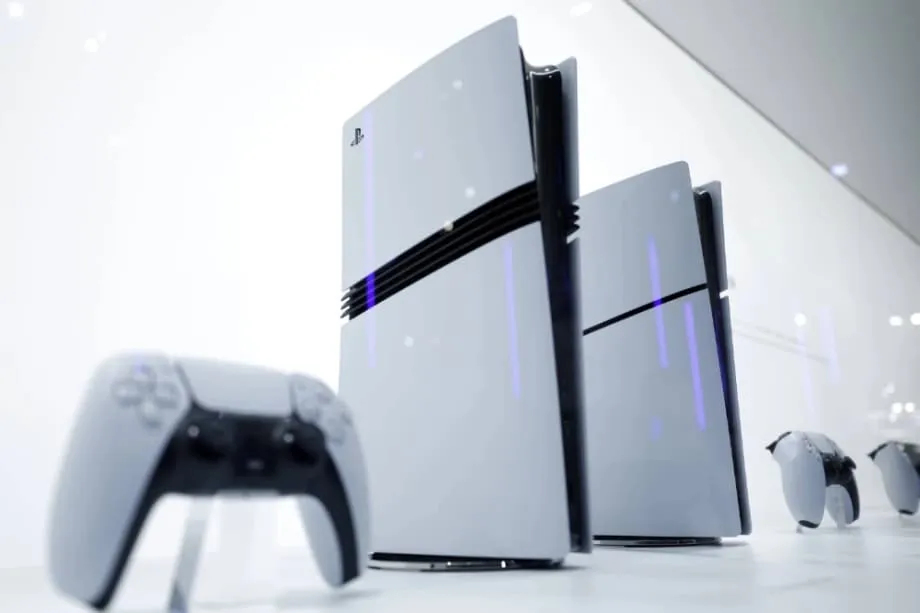
A cheaper PS5 arrives on November 21
Sony will launch a Japan exclusive PlayStation 5 Digital Edition for 55,000 yen, about $350, on November 21, 2025. Preorders open on November 13. The new console lowers the entry price for Japanese buyers as Sony faces Nintendo's longstanding dominance in its home market and the rapid start of the Switch 2.
Contents
- A cheaper PS5 arrives on November 21
- What buyers get for 55,000 yen
- The launch dates and restrictions
- Why Japan is the focus
- Currency pressure and different prices abroad
- How the account and language limits work
- Why digital hardware fits Sony's strategy
- Games provide another reason to upgrade
- Import choices and a new PlayStation monitor
- The Essentials
The price is 17,980 yen below the previous Japanese price of 72,980 yen for the digital model, a reduction of roughly 25 percent. It also sits below the current United States price of $499. Sony is making the cheaper version specifically for Japan, with a Japanese language interface and a requirement to use Japanese PlayStation Network accounts.
The console has no included disc drive and is aimed at players who buy games through the PlayStation Store. It comes with 825 GB of storage and retains the performance, game compatibility and core experience of the standard PS5 Digital Edition.
Sony's move follows price increases in several markets amid currency and tariff pressures. Rather than applying the same price across countries, the company is tailoring its Japanese console to local purchasing conditions. The language and account restrictions help keep the discount focused on domestic customers by making the machine less convenient to import elsewhere.
Nintendo provides the immediate competitive context. Its cheaper Switch 2 model for domestic buyers costs around 49,980 yen and helped drive a record launch in Japan. Sony's new PS5 therefore narrows the price gap, although its 55,000 yen price remains 5,020 yen higher than that Nintendo model.
What buyers get for 55,000 yen
The new machine is still a PS5 Digital Edition, with the same core internals as the standard digital console. Sony is reducing the purchase price without changing its fundamental gaming performance or the games it can run. Its case finish is aligned with the Japan release.
The 825 GB internal solid state drive, or SSD, stores downloaded games and other console content. Buyers can expand storage with NVMe drives supported by PS5. In simple terms, those are compatible storage devices that provide more room for games.
The console supports the same accessories as other PS5 models and will be available through Japanese retailers and online channels. Its warranty and service arrangements are intended for use within Japan.
The missing disc drive determines how buyers obtain games. The console as sold relies on downloads rather than physical PS5 or PS4 discs. For a player who already buys games through the PlayStation Store, the lower price offers a less expensive route into the same PS5 gaming experience.
The launch dates and restrictions
Sony's announcement sets a short timetable between preorders and the start of retail sales. As of November 12, both dates are still ahead, giving Japanese buyers time to consider the price and the conditions attached to the new model.
- November 12, 2025: The Japan exclusive PS5 Digital Edition is priced at 55,000 yen ahead of its launch.
- November 13, 2025: Preorders are scheduled to open.
- November 21, 2025: Retail sales are scheduled to begin in Japan.
- 2026: A separate PlayStation branded monitor is planned for release in Japan and the United States.
The cheaper PS5 is designed to operate within Japan's account and payment framework. Its system menus are in Japanese, and purchases and online features are tied to Japanese PlayStation Network accounts. PlayStation Network, often shortened to PSN, is the account system used for the console's digital services.
Japanese buyers who use that language and account setup can obtain a lower priced console suited to their everyday use. People considering an overseas import need to weigh those restrictions alongside the headline saving.
Why Japan is the focus
Nintendo has led console hardware sales in Japan for years. Handheld and hybrid gaming, which allows people to play away from a television as well as at home, has matched the habits of many Japanese players over the last console generation. That has helped Nintendo maintain a wide lead.
The Switch 2 rollout strengthened Nintendo's position. Its domestic model at around 49,980 yen offered a lower entry cost and contributed to a record Japanese launch. Sony's cheaper PS5 is a direct response to a market where the price of competing hardware matters alongside the games available.
Sony is targeting people buying their first PS5 and those who have delayed an upgrade. A reduction of roughly one quarter makes the console more attainable, while keeping its performance unchanged gives buyers the same core reason to choose the platform.
Japan also matters to Sony beyond the immediate number of consoles sold. Growing the local PS5 audience sends a signal to Japanese publishers and retailers that the company is investing in its home market. More potential customers can make local game promotions and console bundles more attractive.
Currency pressure and different prices abroad
The weak yen has made imported components and finished consoles more expensive in Japan. A currency loses purchasing power abroad when more of it is needed to buy goods priced in another currency. That pressure has made it harder to keep Japanese console prices low.
Sony has also raised prices in North America amid United States tariffs and related changes. Tariffs are charges on imports, which can increase the costs associated with bringing products into a market. These pressures help explain why a price reduction in Japan is happening alongside higher prices elsewhere.
The Japan exclusive model gives Sony a way to respond to domestic conditions while preserving its wider pricing structure. A low price on an unrestricted console could encourage buyers in more expensive markets to order it from Japan. The Japanese interface and account requirements make that less appealing.
This kind of cross border buying is often called arbitrage: purchasing a product where it costs less to avoid a higher price elsewhere. Sony's local restrictions limit that opportunity and help direct the discount toward Japanese customers.
How the account and language limits work
PS5 hardware is generally region free for game software, meaning the hardware is not normally limited to games from one geographic market. Digital content, however, is tied to the region of a player's PlayStation Network account. The new model combines a digital format with Japanese account and language requirements.
The PlayStation Store, downloadable content, subscriptions and online services are intended to operate through a Japan region account. Downloadable content refers to extra material for a game, such as additional playable content purchased after the main game.
Payment arrangements also vary between regional PlayStation Stores. Japanese wallet cards and local payment methods are typically required for the Japanese store. An overseas buyer therefore needs to consider how to pay for games, rather than looking only at the console's purchase price.
System menus and parental controls are in Japanese, with no guarantee of other language options on this model. Parental controls are the settings families use to manage how children access games and services. Their language can matter just as much as the language used to navigate the store.
The account and interface requirements create a practical form of region locking. For players living in Japan and using Japanese accounts, they fit the intended setup. Outside Japan, they add friction to buying games, using existing accounts and managing the console.
Why digital hardware fits Sony's strategy
Sony's price move also reflects the economics of a console as it matures. Component costs typically fall over time, while manufacturers streamline production and logistics. Those changes can create room for targeted reductions in the price customers pay.
A digital console is less costly to build because it omits the disc drive. It also directs game purchases through the platform's own store. Over the life of a console, that can generate higher software revenue per user and improve margins even when the initial hardware price is lower.
Sony has reported steady PS5 sales to consumers and a higher profit outlook this year. PS5 hardware sales reached roughly 3.9 million units in the last quarter. A cheaper Japanese model gives the company another way to support momentum in a region where PlayStation trails Nintendo.
The strategy links a lower initial purchase price to the continuing business of selling games and services. Sony can seek more Japanese PS5 owners while using account and language restrictions to protect higher prices in other regions.
Games provide another reason to upgrade
Sony has highlighted the performance of Ghost of Yotei, a recent PS5 exclusive that sold about 3.3 million copies in its first month. A successful game keeps attention on the platform and can make a lower console price more persuasive for people who have been waiting to buy.
Japanese players have a strong appetite for role playing games, action titles and multiplayer hits. Series from Square Enix, Capcom and Bandai Namco carry weight with local audiences, making the software available on a console central to its appeal.
A larger PS5 audience in Japan gives those publishers more incentive to support their biggest games with local promotions, timed events and retail bundles. The relationship works in both directions: attractive games can sell consoles, and more console owners create a larger audience for future releases.
Sony's hardware discount therefore sits alongside its software momentum. The price helps people enter the platform, while familiar brands and a dependable flow of weekly releases give them reasons to keep playing.
Import choices and a new PlayStation monitor
Buyers outside Japan face several practical drawbacks with the cheaper console. Their existing PSN accounts and payment methods may not fit its intended setup, the menus are Japanese, and warranty and service procedures are designed for Japan. Support may be limited elsewhere.
The standard PS5 sold in a buyer's own region remains the more straightforward option for most people outside Japan. It provides local language support, simpler warranty arrangements and access using an existing regional account and payment methods. Enthusiasts may still consider importing, but the restrictions reduce the usefulness of the saving.
Sony also announced a PlayStation branded monitor with a screen measuring 27 inches. It offers QHD resolution, refresh rates of up to 240 Hz on PC and 120 Hz on PS5, variable refresh rate support and HDR. Refresh rate describes how often a display updates its image; variable refresh rate adjusts that timing to match the game, while HDR supports a wider range of brightness.
The monitor includes a charging hook for DualSense or DualSense Edge controllers, two HDMI 2.1 ports, DisplayPort 1.4, USB Type C and USB Type A connections. Stereo speakers and a headphone jack are also included.
Japan and the United States are scheduled to receive the monitor in 2026, although no exact release date has been given. The accessory is part of Sony's broader effort to expand the PlayStation ecosystem alongside its console business.
The Essentials
- The Japan exclusive PS5 Digital Edition costs 55,000 yen, about $350, roughly 25 percent below the previous Japanese digital model price of 72,980 yen.
- Preorders open on November 13, 2025, and retail sales begin on November 21.
- The console has 825 GB of expandable SSD storage, no included disc drive and the same core gaming performance as the standard digital edition.
- Japanese menus and Japanese PSN account requirements keep the cheaper model focused on domestic buyers.
- Nintendo's domestic Switch 2 model costs around 49,980 yen, leaving Sony's new console 5,020 yen more expensive.
- Currency and tariff pressures help explain Sony's different pricing approaches in Japan and other markets.
- PS5 hardware sales reached roughly 3.9 million units in the last quarter, while Ghost of Yotei sold about 3.3 million copies in its first month.
- A PlayStation branded monitor measuring 27 inches is planned for Japan and the United States in 2026.