October 27 order closes the remaining export routes
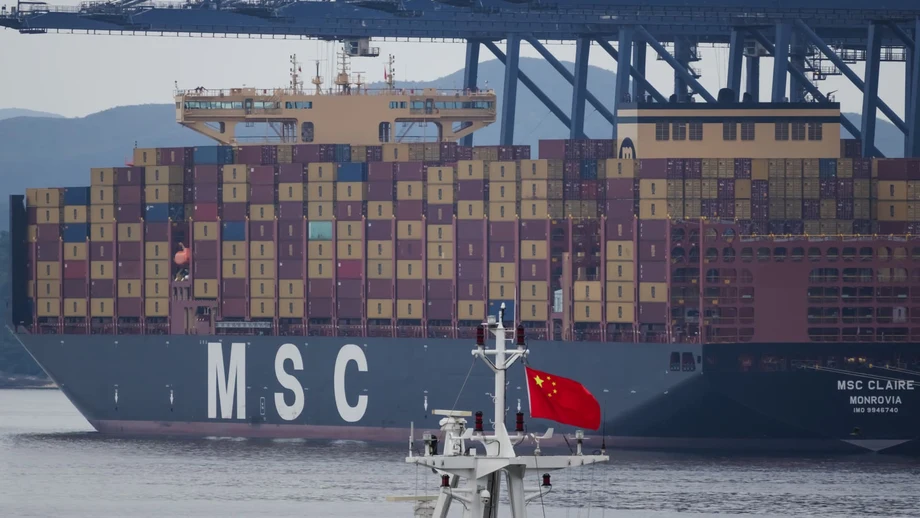
China has barred all syrups and premixed sugar preparations from Thailand under an expanded order effective October 27, 2025, putting as many as 47 companies at risk, according to Thai industry groups. Most depend on Chinese customers. The restriction follows Chinese customs inspections of ten Thai factories, none of which passed its review of food safety and production controls.
Contents
- October 27 order closes the remaining export routes
- How the restrictions expanded
- What inspectors found inside the factories
- A large market built on sugar processing
- Why tariff preferences cannot reopen the market
- Returned cargo drains factory cash
- Thailand seeks cargo relief and clearer agency roles
- Farmers and mills face a second squeeze
- Replacement buyers cannot quickly match China
- What to Know
The General Administration of Customs of China (GACC) has also frozen new registrations for Thai producers. Its latest action extends a suspension introduced in December 2024 and covers syrup, sugar blends, flavored sugar solutions and related preparations. Exporters that had continued shipping through alternative customs classifications have now lost those routes.
Thai association representatives say more than thirty factories have suspended production out of a core group of roughly forty to fifty syrup and premix plants. About 40,000 tonnes of products have been returned to Thailand since the initial suspension. Port penalties, storage bills and sales at reduced prices have pushed estimated combined losses into billions of baht.
Thailand's processed sugar industry buys roughly 3.6 million tonnes of sugar annually, according to industry groups. A prolonged loss of its largest market could therefore reach beyond the affected factories, reducing work for transport companies and demand for sugar supplied by mills and cane farmers.
As of November 8, 2025, Thai agencies and industry representatives are seeking renewed talks, approval for compliant factories and relief for stranded cargo. No date has been given for reopening the market. Businesses facing mounting bills want goods already produced to move while the disagreement over inspections and oversight is addressed.
How the restrictions expanded
China's first suspension covered two product codes for liquid sugar and premixed sugar powder. Customs codes identify the type of goods entering a country and help determine which import rules apply. Thai exporters subsequently booked shipments under other categories to keep sales moving.
The October expansion removed that option by extending the restriction across syrup and premix lines. Several consignments have been denied entry or returned, while shipping delays, storage and compliance costs have increased. Many factories have stopped buying raw sugar because they cannot sell their finished products into their main destination.
The dispute developed over several stages:
- December 2024: China suspended imports under two codes covering Thai liquid sugar and premixed sugar powder.
- Early 2025: Thai agencies sent Chinese authorities lists of factories certified for food safety, together with inspection information. Industry leaders say months passed without a formal reply, followed by requests for further checks.
- July to September 2025: GACC inspected ten Thai factories in coordination with Thailand's National Bureau of Agricultural Commodity and Food Standards.
- October 27, 2025: The expanded restriction took effect, covering all Thai syrups and premixed sugar preparations and freezing new producer registrations.
Chinese authorities have framed the action around food safety, while also expressing concern that syrups and premix powders were being used to bring white sugar into China outside its tariff and quota rules. Both issues now shape the dispute: the condition of factories and the way their products enter the Chinese market.
What inspectors found inside the factories
GACC's audits identified shortcomings in sanitary controls, including weak separation between administrative offices and clean production zones, inadequate sterilization procedures and gaps in documented quality control. Thai companies said they had spent heavily on improvements, including cleanrooms and controlled production areas, yet all ten inspected factories failed China's review.
Food safety controls involve practical steps throughout a factory. Inspectors look for separation between clean and non clean areas, sanitation procedures whose effectiveness has been checked, pest control, and filtered air and pressure controls in rooms where contamination risks are high. They also examine documented hazard analysis, meaning a review of where food safety problems could arise along the production line.
Labels, traceability and batch records are also required. Traceability allows a producer or regulator to follow ingredients and finished goods through production and distribution. Batch records identify what happened during a particular production run, making it possible to investigate a problem and locate the affected goods.
Thai plants say they have invested in these safeguards. China's inspections nevertheless found gaps, particularly in factory zoning and process control. Chinese authorities also asked Thailand to verify manufacturers' status before further discussions.
Thailand disputes suggestions that it lacks a competent authority to oversee product safety. Officials point to the Food and Drug Administration (FDA) and the National Bureau of Agricultural Commodity and Food Standards (ACFS), both of which have legal mandates. They say dozens of factories have already undergone domestic inspections to confirm manufacturing standards.
The task for the two sides is to agree on how Thai certifications can demonstrate the standards Chinese customs requires. That process typically involves detailed inspection checklists, exchanges of documents and, sometimes, joint visits to factories. Producers may need further changes to cleanroom design, factory zoning, sanitation checks and production records, requiring money and time while export revenue is restricted.
A large market built on sugar processing
Thailand was China's main supplier of liquid sugar in 2024. Official figures cited for that year put China's liquid sugar imports at more than one million tonnes, alongside large volumes of premix powder, with Thailand and Vietnam the key suppliers. Thai industry groups estimate that Thailand alone sent about 1.2 million tonnes of liquid sugar to China.
Processed sugar trade data under regional free trade rules also show Thailand as China's leading supplier in this niche in 2023, with exports worth hundreds of millions of dollars. The business supports dozens of Thai companies that turn raw or refined sugar into syrups and blends for beverage, bakery and other food manufacturers.
Industry groups say these processors bought about 2.1 million tonnes of raw sugar during the first ten months of 2024, more than in the corresponding period a year earlier, to meet strong Chinese demand. Their estimate of annual purchases across the sector is roughly 3.6 million tonnes. The figures describe different periods and purchasing measures, but both show how much sugar moves through the processing industry.
Chinese orders have now fallen away. Some producers have stopped purchasing raw sugar entirely. Others are selling returned products at a loss or looking for smaller markets, where demand cannot quickly replace the quantities previously sold to China.
The disruption affects a particular stage of the sugar business. Mills supply sugar, while processors turn it into formulations requested by food and drink customers. Redirecting raw sugar elsewhere may help suppliers find buyers, but factories built to make syrups still need orders for the products their equipment is designed to produce.
Why tariff preferences cannot reopen the market
The ASEAN China Free Trade Agreement allows many of these processed sugar products to enter at zero tariff when they meet origin rules and carry a Form E certificate. Origin rules determine whether goods qualify as products of a participating country; the certificate documents that qualification.
China's ban blocks access through food safety and registration requirements, despite those tariff preferences. A qualifying shipment may face no customs tax under the agreement, but its product category and producer still need permission to enter the market.
Chinese authorities have also been concerned about record imports of liquid sugar and premix powders in 2024 serving as a route for white sugar to enter outside quota and tariff limits. A quota limits the amount admitted under specified trade terms. Officials' concern about these channels helped drive the broader restriction.
China raised the most favored nation tax rate for some syrup categories for 2025. That rate is a standard customs tariff, while eligible ASEAN goods can receive preferential treatment under the regional agreement. For Thai exporters, the immediate constraint is now compliance and approval, combined with the freeze on new plant registrations.
Vietnamese producers also remain under review, indicating that China's scrutiny extends beyond Thailand. Thai companies seeking renewed access must address the inspection findings while their government deals with Chinese concerns about product classification and trade rules.
Returned cargo drains factory cash
Containers rejected in China have left Thai companies paying bills while their expected sales revenue disappears. Industry representatives estimate that about 40,000 tonnes of syrup and premixed powder have returned to Thailand. At different times, hundreds of containers have been stranded at sea or caught in unresolved logistics arrangements.
Demurrage fees, charges for containers that remain at ports beyond the allowed period, add to storage and transport expenses. Companies then face another loss when they sell returned goods at reduced prices. Together, these costs have reached billions of baht, according to industry estimates.
Todsaporn Ruangpattananont, president of the Thai Sugar Product Association, said members had invested heavily to meet the standards they were told to follow, only to face an expanding ban. He warned that without relief, only a handful of factories might remain operating by the end of 2025. Describing companies left idle by the dispute, he said:
They can't do anything. They can't do anything.
Some operators say they have not run a production line for months. Rejected cargo has reduced cash flow, tightened credit and left inventories accumulating. Banks watching stock levels and working capital credit lines closely can add to the pressure for further production cuts. Working capital is the money businesses need to pay everyday bills before customers pay them.
Products made for particular Chinese customers or recipes cannot always be sold in Thailand or elsewhere on the same quality terms. Some businesses have accepted lower prices to clear stock. Reprocessing and storage create further costs that small and medium companies struggle to cover.
Warehouses must also manage finished goods with limited shelf lives. Cold storage and climate control cost money each day, while delays increase the urgency of finding buyers or reprocessing products. Industry groups fear that a longer dispute will force more firms to close production lines, dismiss workers or leave the business.
Thailand seeks cargo relief and clearer agency roles
ACFS has coordinated technical submissions to China, documented factory audits and compiled exporter lists. The FDA has supported inspections and licensing. Industry representatives have asked the Ministry of Commerce to lead discussions with Chinese customs.
Producers want three immediate measures: clearance for goods stuck at ports, temporary permission to export finished products held in warehouses while audits continue, and a single lead Thai authority able to certify factory quality and address China's requirements directly.
Senator Ekkachai Ruangrat, a member of the Senate Committee on Commerce and Industry, urged the government to clarify agency responsibilities and engage Chinese officials quickly. He linked the restriction to pressures already facing farmers and factory workers:
The ongoing import ban has seriously affected sugarcane farmers nationwide, as falling sugar prices are already causing hardship. A swift, coordinated response is needed to protect jobs and incomes.
Rangsit Hiangrat, a director at the Thai Sugar Millers Corporation, said Thai factories meet certified standards, supply international markets and are willing to undergo inspections, including joint reviews:
Thai sugar factories have certified standards and export to the world. Many are ready for inspections.
Some lawmakers have also sought an inquiry into the allocation of export quotas and permits, citing reports of irregularities. They want assurance that trade rules are being followed and domestic supply protected while discussions with China continue.
Industry groups are prioritizing restored access or managed exemptions so stranded cargo and warehouse stocks can move before they spoil or become obsolete. Thai agencies have completed inspections and assembled dossiers for dozens of plants. Producers want China to accept joint audits or approval through documents for factories that meet specified requirements.
Permission to clear existing cargo would ease immediate cash pressures while negotiations continue. Reopening regular trade would require agreement on factory standards and oversight. A clearly designated lead authority could reduce conflicting messages, support another review of factory lists and help China consider reopening registrations under tighter supervision.
Farmers and mills face a second squeeze
Sugarcane farmers face pressure as processors reduce purchases that previously supported Chinese orders. Mills must weigh cutting production runs or delaying purchases, potentially lowering the prices growers receive for cane. The effect travels backward through the supply chain, from missing export orders to less demand for the crop.
Global sugar prices have also slipped from recent highs. Larger harvests in Brazil and India have pushed white sugar prices below levels seen in late 2023, leaving Thai farmers with less financial cushion. Rising input costs and variable weather are adding pressure to yields and incomes.
Thai farming communities also face stricter domestic rules on field burning and air quality. Those measures address public health and environmental concerns, but can raise harvest costs. If factories cannot take cane on schedule, growers may face longer waits and losses in crop quality.
Lower demand, weaker prices and additional costs are arriving together in regions where cane is a major cash crop. Factory shutdowns therefore threaten more than processing jobs: they can reduce money circulating through farming communities and the businesses serving them.
Replacement buyers cannot quickly match China
Thai exporters have explored Southeast Asian markets, including the Philippines and neighboring countries, with support from trade committees and industry groups. Those opportunities tend to involve smaller sales than the Chinese business they are trying to replace.
China's size, established relationships with beverage producers and demand for particular formulations make the lost trade difficult to reproduce elsewhere. Other buyers cannot quickly absorb a flow of liquid sugar and premix powder measured in quantities exceeding a million tonnes.
Some companies are diverting raw sugar to other destinations where quotas allow sales. That can provide an outlet for sugar, but leaves factories designed to make products of higher value still searching for customers for their syrups and blends.
Thailand's immediate objectives remain renewed dialogue with Chinese customs, a route for compliant factories to export and relief for goods already waiting to move. Further investment in sanitation checks, clean production areas and traceability may be needed to meet China's verification requirements. Companies must find the capital for that work while their main source of export revenue remains blocked.
What to Know
- China expanded its restriction on Thai syrups and premixed sugar preparations from October 27, 2025, and froze new producer registrations.
- All ten factories inspected from July to September failed China's review of food safety and production controls.
- The December 2024 suspension initially covered two product codes. The expanded ban closes alternative classification routes.
- Industry groups say up to 47 companies are at risk, more than thirty factories have suspended production and about 40,000 tonnes of goods have returned to Thailand.
- Port charges, storage costs and discounted sales have produced estimated losses running into billions of baht.
- Thai industry groups estimate liquid sugar exports to China at about 1.2 million tonnes in 2024.
- Thailand is seeking cargo clearance, temporary arrangements for warehouse stocks and approval for compliant factories. No reopening date has been given.
- Reduced processor demand adds to pressure on farmers already facing weaker sugar prices, higher costs and stricter field burning rules.