184 films and an international gathering in central Tokyo
The 38th Tokyo International Film Festival has brought 184 films to central Tokyo, with 15 competition titles selected from 1,970 submissions across 108 countries and regions. Running through November 5, 2025, the festival combines screenings, filmmaker conversations and a parallel business market with a wider effort to bring Japanese cinema and stories to international audiences.
Contents
- 184 films and an international gathering in central Tokyo
- Sayuri Yoshinaga receives a lifetime honor
- Fifteen films compete for the Tokyo Grand Prix
- A program extending beyond the prize race
- Carlo Chatrian leads the international jury
- TIFFCOM connects films with buyers and funding
- Japanese stories become a focus for adaptation
- Government plans and heightened security share the spotlight
- What the previous edition tells us about this year
- Industry events and the remaining festival dates
- Key Points
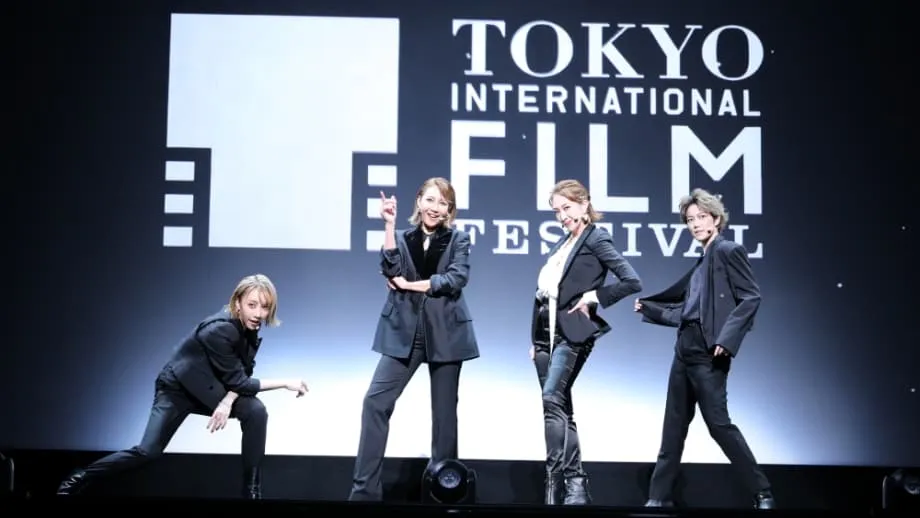
Hibiya, Yurakucho, Marunouchi and Ginza are the main settings for this year's events. On a clear autumn evening, the opening red carpet welcomed French cinema icon Juliette Binoche, Chinese star Fan Bingbing and Japanese performers Sayuri Yoshinaga and Kumi Takiuchi, alongside filmmakers, producers and industry leaders.
Yoshinaga was central to the opening ceremony. Her film Climbing for Life, directed by Junji Sakamoto, opened the festival, and she received its Lifetime Achievement Award. The biographical drama tells the story of Junko Tabei, the first woman to reach the summit of Mount Everest.
As of November 2, the festival still has several days of screenings and public events ahead. Its program stretches from new international competition films to Japanese classics, animation and a rare public screening in Japan of Paul Schrader's Mishima: A Life in Four Chapters.
Japan's international film ambitions also featured at the opening. State Minister for Economy, Trade and Industry Toshiro Ino outlined plans to support screen production and global outreach, including Japan's role as Country of Honor at the Cannes Marche du Film in 2026.
TIFFCOM, the business market held alongside the festival, ran from October 29 to 31 in the Hamamatsucho area. Its focus on adaptation rights and film financing connected the public celebration of cinema with the practical work of getting new productions funded, made and distributed.
Sayuri Yoshinaga receives a lifetime honor
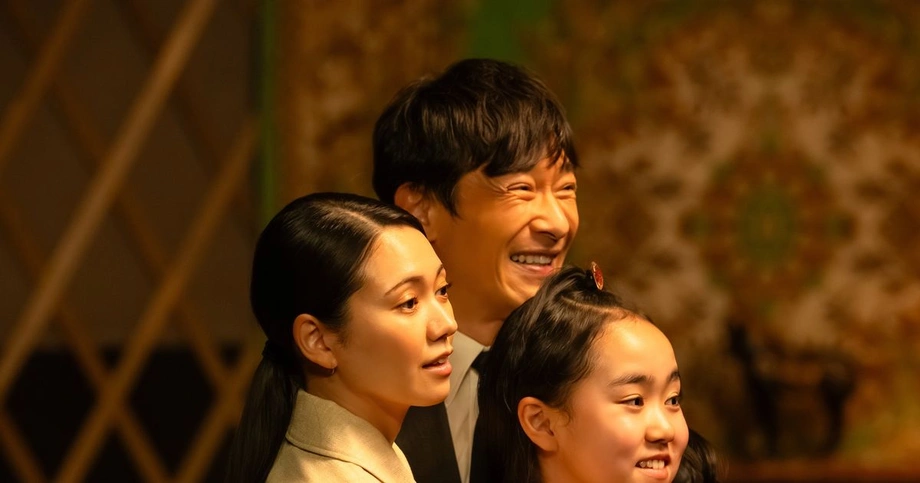
Climbing for Life placed a Japanese story of achievement at the center of opening night. Sakamoto's film follows Tabei, whose ascent of Mount Everest made her the first woman to reach its summit. Yoshinaga stars in the drama, while Rena Nonen portrays the younger Tabei.
Yoshinaga, Nonen and Sakamoto appeared together on the red carpet before the gala screening. The film received a warm welcome from the home audience, linking the ceremony's international gathering to a story rooted in Japan.
Yoshinaga's Lifetime Achievement Award marked a milestone honor for a Japanese actress at the festival. A winner of four Japan Academy Awards, she has appeared in more than 100 films. Her recognition gave the opening a retrospective dimension as well as a platform for her latest work.
Kumi Takiuchi participated as festival navigator, a role that connects the opening festivities with the wider program. Her presence reflected Tokyo's established combination of red carpet appearances and conversations that bring audiences closer to filmmakers and their craft.
Fifteen films compete for the Tokyo Grand Prix
The international competition includes 15 films drawn from 1,970 submissions across 108 countries and regions. That selection gives the race for the Tokyo Grand Prix a broad geographical reach while retaining space for Japanese filmmakers.
Two Japanese titles are competing: Blonde, directed by Yuichiro Sakashita, and Echoes of Motherhood, directed by Ryutaro Nakagawa. Together, they represent two of the 15 places in the main competition.
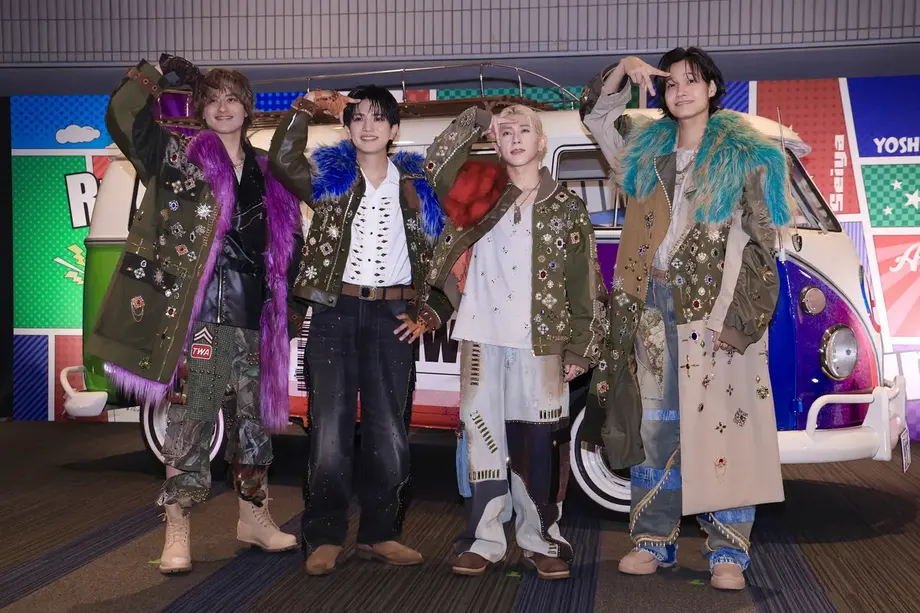
Blonde is a comedy set in a Japanese school. Its cast arrived on the red carpet in matching outfits and with dyed hair, drawing cheers from the stands. The coordinated appearance gave the film a playful public introduction before audiences encountered it on screen.
Echoes of Motherhood features celebrated director Naomi Kawase in a rare acting role. Her appearance in front of the camera is a distinctive part of the film's festival profile and adds another reason for local audiences to follow the Japanese competition entries.
Mother Bhumi, directed by Chong Keat Aun and featuring Fan Bingbing, is also in competition. Alongside new work from across Asia and Europe, it continues Tokyo's role as a meeting place where Asian films can reach a wider international audience.
A program extending beyond the prize race
The festival's 184 films are spread across sections serving different interests. Alongside the international competition, the program includes Asian Future, Nippon Cinema Now, World Focus, Gala Selection, Animation, Japanese Classics, Youth and TIFF Series.
Asian Future and Nippon Cinema Now give space to rising voices, while gala screenings provide prominent slots for anticipated titles and filmmaker tributes. The combination allows audiences to move between discoveries, established names and films that revisit Japan's cinema history.
The Women Empowerment showcase continues to feature films by female directors and stories centered on women. Its return builds on recent editions, keeping that programming focus within a festival that also ranges across animation, classics and contemporary international work.
Talks, master classes and industry sessions accompany the screenings. These events connect audiences and creators through discussions of filmmaking, production and the decisions that shape a film before it reaches the screen.
Schrader's Mishima: A Life in Four Chapters is among the most discussed special screenings. His 1985 film about the writer Yukio Mishima is receiving a rare public screening in Japan, decades after its release in the United States.
Paul Schrader, the film's director, introduced the presentation with a wry remark to the Tokyo audience:
Don't blame America for Donald Trump!
Carlo Chatrian leads the international jury
Carlo Chatrian, the former artistic director of the Locarno and Berlin film festivals, is president of this year's international competition jury. His appointment brings experience from two major festivals to the selection of Tokyo's competition winners.
Chatrian is known for programming curiosity and an inclusive approach to festival governance. At Berlin, that approach included a move from acting prizes divided by gender to gender neutral performance awards, allowing performances to be considered without separate categories for men and women.
His connections with Japan include retrospectives, animation programs and previous visits to the Tokyo festival. Those ties sit alongside the international outlook reflected in this year's competition and the festival's continuing interest in Japanese cinema.
In an official message, Chatrian described his appointment and the discussions he anticipated with the other jury members:
It is a great privilege to chair the jury of the Tokyo International Film Festival. I am looking forward to discovering the selection and engaging with fellow jurors.
The jury's work gives the 15 competition films a shared point of comparison. For audiences, the program offers a chance to encounter a range of styles and regions before the festival concludes on November 5.
TIFFCOM connects films with buyers and funding
TIFFCOM took place from October 29 to 31 in Hamamatsucho, bringing together buyers, distributors, streaming services and producers. While the festival presents films to audiences, the market provides a setting for rights deals, development partnerships and production finance.
Rights deals determine how a film or story can be used and distributed. Development partnerships bring participants together while a project is taking shape, and production finance supplies the money needed to make it. TIFFCOM's activity extends across those stages rather than concentrating solely on films ready for release.
Organizers reported a surge in international participation at the previous edition, including a sharp rise in overseas attendees. They also described more negotiations at the venue that reached beyond completed titles, showing the market's growing role in discussions about projects still being developed.
Yasushi Shiina, vice president of Unijapan and CEO of TIFFCOM, described the market's connection between Asian content businesses and audiences abroad:
"We are proud that TIFFCOM continues to play a vital role as a hub for content business in Asia and as a gateway for Japanese audiovisual content to expand globally," Shiina said.
For producers, those meetings can connect a Japanese or Asian project with companies seeking films for cinemas and streaming platforms worldwide. That commercial work runs alongside the festival's public screenings, giving Tokyo both an audience gathering and an industry meeting point.
Japanese stories become a focus for adaptation
TIFFCOM is expanding its attention to intellectual property amid a global surge in adaptations of Japanese stories. Intellectual property, often shortened to IP, refers here to the works and associated rights that producers seek when turning an existing story into a new screen production.
The Tokyo Story Market is being reintroduced as the Tokyo IP Market: Adaptation and Remake. It provides a dedicated forum where publishers and rights holders can meet producers interested in adapting manga, novels and other works.
The Tokyo Gap Financing Market addresses another stage of production. It supports feature film projects seeking their final funding, helping emerging and established creators meet financiers who may supply the money still needed to complete their financing plans.
Kaori Ikeda, managing director of TIFFCOM and Unijapan, explained how the adaptation market and financing support are intended to work together:
"Together with the Tokyo Gap Financing Market, which supports financing for feature films, we hope TIFFCOM will serve as a key platform to connect Japanese and international producers interested in adaptations and help bring new audiovisual works to life," Ikeda said.
The two initiatives connect different needs. Publishers and rights holders bring stories that producers may want to adapt, while the financing market serves feature projects seeking money. Together, they place both the underlying work and the practical demands of production within TIFFCOM's business agenda.
Government plans and heightened security share the spotlight
Toshiro Ino, Japan's State Minister for Economy, Trade and Industry, addressed the opening ceremony with plans to strengthen screen production and international outreach. His remarks connected the festival to Japan's participation in the Cannes film market next year.
Ino announced the Cannes role and a new award for film commissions:
"Japan will be the country of honor at Cannes Marche du Film in 2026, and we are launching a new Minister's Award to recognize outstanding film commissions," Ino said.
The opening also coincided with a visit by United States President Donald Trump. Authorities deployed a large number of police and security staff around central Tokyo, particularly near the Imperial Palace and major hotels.
The presidential visit's schedule included ceremonies and meetings with Emperor Naruhito and Prime Minister Sanae Takaichi. That activity placed the film festival within a capital managing another prominent international event at the same time.
The heightened security did not dampen attendance on the red carpet. Filmmakers and fans continued to take part in the festival's public events and screenings despite the larger security presence in the city.
What the previous edition tells us about this year
The 37th Tokyo International Film Festival screened 208 films across eight venues. It recorded more than 61,000 admissions, while close to 97,000 people attended related events. Those figures describe the scale of the previous edition's screenings and wider activities.
This year's announced total of 184 films is 24 fewer than last year's 208. The current program still combines international competition, Japanese cinema, discoveries and major gala appearances, retaining the blend of audience access and industry attention that shaped the earlier edition.
Daihachi Yoshida's Teki Cometh won the previous competition and generated strong word of mouth. It also received Best Director and Best Actor honors, giving the film three major awards at that edition.
Last year's program included the Women Empowerment strand and a showcase of director Yu Irie in Nippon Cinema Now. Tony Leung chaired the jury, Bela Tarr received a Lifetime Achievement Award, and Tadanobu Asano was recognized as a trailblazer for his work across independent and studio projects.
The current edition continues that combination of discovery and established talent. Rising voices have places in Asian Future and Nippon Cinema Now, while gala screenings and tributes provide opportunities to consider Japanese cinema's legacy alongside new releases.
Industry events and the remaining festival dates
The Motion Picture Association is hosting a policy forum in partnership with the festival on strengthening Japan's production ecosystem. Producers who have worked on global titles are sharing case studies and practical advice about the conditions needed to support filmmaking.
A master class with producer Schuyler Weiss was scheduled during market week to examine packaging and release strategies around a studio project of awards caliber. The session focuses on how a production is assembled and how it is brought to audiences.
American Film Night returns as a networking showcase. Its program includes the presentation of the Trailblazer Award to Japanese actor Takehiro Hira by the Motion Picture Association and its media partner.
Hira has earned broad recognition for roles spanning Japan, the United States and Europe, including prestige television and studio films. He also stars opposite Brendan Fraser in Searchlight's drama Rental Family, set in Japan, which has a gala screening during the festival.
For audiences choosing films during the remaining days, Blonde and Echoes of Motherhood offer the two Japanese competition entries. Mother Bhumi adds an international premiere to the program, while Rental Family and the rare Japanese screening of Mishima: A Life in Four Chapters provide further prominent attractions.
The calendar links this year's festival and market to Japan's next announced international film showcase:
- Opening night: Climbing for Life launched the festival, and Sayuri Yoshinaga received a Lifetime Achievement Award.
- October 29 to 31, 2025: TIFFCOM held its industry market in Hamamatsucho.
- November 2, 2025: The festival remains underway, with further screenings and public events before its conclusion.
- November 5, 2025: The 38th Tokyo International Film Festival ends.
- 2026: Japan will be Country of Honor at the Cannes Marche du Film.
Key Points
- The 38th Tokyo International Film Festival runs through November 5, 2025, with events centered on Hibiya, Yurakucho, Marunouchi and Ginza.
- The program contains 184 films, including 15 competition titles selected from 1,970 submissions across 108 countries and regions.
- Climbing for Life, about mountaineer Junko Tabei, opened the festival, and star Sayuri Yoshinaga received a Lifetime Achievement Award.
- Blonde and Echoes of Motherhood are the two Japanese competition entries. Carlo Chatrian leads the international jury.
- Paul Schrader's 1985 film Mishima: A Life in Four Chapters is receiving a rare public screening in Japan.
- TIFFCOM ran from October 29 to 31, with adaptation rights and feature film financing central to its business program.
- Takehiro Hira is the Trailblazer Award recipient at American Film Night and appears opposite Brendan Fraser in Rental Family.
- Japan will be Country of Honor at the Cannes Marche du Film in 2026, and Ino announced a new Minister's Award for outstanding film commissions.