A busy celebration at Ueno Park
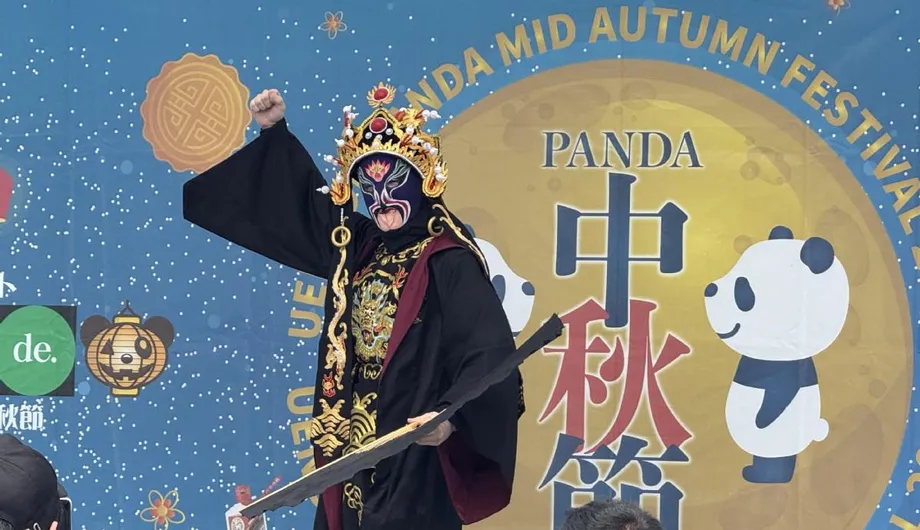
More than 30 Chinese and Japanese food stalls, over 10 corporate booths and a program of panda art and live performances are bringing crowds to Tokyo's Ueno Park for the 2025 Ueno Panda Mid-Autumn Festival. The three day celebration began on Friday at the park's Fountain Plaza, with new demonstrations of Sichuan Opera face changing and traditional tea arts attracting large audiences from the start.
Contents
- A busy celebration at Ueno Park
- Food stalls bring regional flavors together
- Mask changes, tea arts and live music
- Panda photographs and community artwork
- How pandas became a shared symbol
- Cultural exchange through personal encounters
- Two traditions of watching the moon
- The panda family and conservation work
- Getting around the festival safely
- A wider September arts calendar
- Key Points
China Television Corporation and the Ueno Central Shopping Street have jointly hosted the festival since 2023. Organizers from China and Japan present the panda as a living symbol of friendship between the two countries, giving the gathering a purpose that extends beyond its food stalls and entertainment.
The event has become one of Tokyo's most recognizable Mid Autumn celebrations, drawing well over 100,000 visitors each year. Families, students and travelers are gathering again for mooncakes, music, creative goods and performances that put Chinese and Japanese cultural traditions within easy reach of one another.
Ueno Onshi Park's Fountain Plaza hosts the festival from 11:00 to 19:00 across all three days. Admission is free, and all performances are open to visitors. The surrounding museums and zoo place the celebration within a familiar neighborhood setting, convenient for both people making a day trip and travelers exploring Tokyo.
Volunteers from the Chinese nonprofit Long Gongyi are stationed around the venue to provide basic medical aid and directions. Their work includes guiding visitors toward rest areas and family zones, supporting the festival's focus on safety and accessibility for people of different ages.
The combination of an open public space, free stage programs and food from both countries gives visitors several ways to take part. Some come for a performance or a particular dish; others spend time with the panda photographs and community art.
Food stalls bring regional flavors together
Chinese regional dishes sit alongside Japanese favorites in a food lineup that combines established local shops with new pop ups. Visitors can move between stalls to sample different cooking traditions, then compare seasonal mooncakes associated with the Mid Autumn holiday.
Mooncakes are central to the celebration. Often filled with lotus seed paste, red bean or nuts, they are shared and exchanged as gifts, carrying the idea of reunion in a food that families can divide and enjoy together. The festival offers assorted styles made for this season.
The more than 10 corporate booths add tastings, giveaways and product displays connected with travel, food and culture. Together with the marketplace of creative goods, they give the plaza activities beyond the main stage.
Food also provides a straightforward setting for conversation. Buying a dish, asking about it and speaking with restaurant staff are among the everyday encounters that organizers see as part of the festival's cultural exchange.
Mask changes, tea arts and live music
Sichuan Opera face changing is one of the new stage attractions in 2025. Performers replace vividly colored masks in the blink of an eye, presenting a traditional art that requires years of practice. The speed of the changes makes the performance an immediate draw for spectators.
Traditional tea arts bring a quieter rhythm to the program. Demonstrations focus on the ceremony of brewing and serving tea, giving audiences a different experience from the sound and movement of the main stage.
Idol showcases and live music add contemporary entertainment. The mix echoes the 2024 edition, when hundreds of dancers and singers performed at the same plaza. Across the day, visitors move among performance areas, food stalls and art displays as the program changes pace.
The stage schedule therefore connects several kinds of cultural expression: the practiced movements of traditional performers, the careful preparation of tea and the energy of younger entertainers. Each becomes part of the same public gathering.
Panda photographs and community artwork
Photographer Takahiro Takauji's Everyday Panda Special Photo Exhibition is a focal point for panda fans. Visitors line up to see images of Ueno Zoo's panda family, including Xiang Xiang and her parents, Ri Ri and Shin Shin. Commemorative postcards are also available for collectors.
Panda themed installations and creative merchandise give the wider festival its visual identity. Photographs and other artwork allow longtime followers to revisit familiar animals while introducing the panda family to people encountering their story for the first time.
A community program with the Taito Ward Social Welfare Council connects the event to local disability support facilities. Festival T shirts have been redesigned using artwork created by people who use those facilities, and part of the proceeds goes back to the organizations.
Professional artists and community makers both contribute to the marketplace. The combination gives visitors goods with different creative origins while creating a practical connection between festival purchases and local support services.
Toshimitsu Doi, president of the Japan Panda Protection Association, praised the creativity of the panda art at the opening ceremony. He described how painting and design can bring an animal's familiar appearance to life:
Combining painting with design is, in itself, a highly enjoyable endeavor. If one recalls the true image of the panda and vividly brings it to mind, the work not only appears more lively but almost feels as if it could bring joy to the panda itself.
How pandas became a shared symbol
China and Japan normalized diplomatic relations in late September 1972, and giant pandas arrived at Ueno Zoo soon afterward. The public response became part of the shared memory of that period. Later arrivals, births and farewells have continued to sustain interest beyond the zoo itself.
Ouyang An, director of the China National Tourist Office in Tokyo, spoke at the opening ceremony about beloved Ueno pandas and recent returns to Sichuan under conservation agreements. His remarks connected public affection for individual animals with the joint programs that keep exchanges active between the two countries.
Ueno's panda story and the festival have developed over several decades:
- Late September 1972: China and Japan normalized diplomatic relations, followed soon afterward by the arrival of giant pandas at Ueno Zoo.
- 2017: Xiang Xiang was born at Ueno Zoo and became a favorite across the city.
- 2023: China Television Corporation and the Ueno Central Shopping Street began jointly hosting the festival. That year's event attracted an estimated 150,000 participants.
- 2024: Hundreds of dancers and singers took part in the festival at the Fountain Plaza.
- 2025: The three day festival opened on Friday, adding Sichuan Opera face changing and traditional tea arts to its stage program.
Panda art, photographs and public celebrations extend that history into experiences people can share outside a zoo visit. At the festival, the animals provide a familiar meeting point for people interested in food, performance, conservation or neighborhood activities.
Cultural exchange through personal encounters
Masato Sakurai, deputy director of the Ueno Tourism Federation, explained at a previous edition why direct experiences matter to the festival's purpose. He pointed to encounters among Chinese, Japanese and Vietnamese participants and to the value of talking with people while buying food:
Many people rely on news to learn about events between China and Japan, but I believe that the most important thing is to experience, see and taste things firsthand. Visitors to Ueno Park during the Mid Autumn Festival can interact with Chinese, Japanese and Vietnamese people, which helps dispel prejudices. It is crucial to have personal experiences, such as communicating with restaurant staff when buying Chinese food, as it provides a different perspective compared to just watching the news.
Sakurai's description places ordinary conversations at the center of the event. A food purchase or a shared performance gives neighbors and newcomers a setting in which to meet, rather than learning about one another only through events in the news.
The festival's program supports that aim through several activities in the same space. Visitors can watch a Chinese traditional performance, eat Japanese food, browse artwork and speak with vendors without moving to a different venue.
Two traditions of watching the moon
The Mid Autumn Festival is one of the most cherished holidays in the Chinese cultural calendar. Families gather to share mooncakes, light lanterns and watch the fullest harvest moon of the year. Stories associated with the moon, including the legend of Chang'e, remain part of the celebration.
Regional customs range from elaborate lantern parades to quiet meals at home. Food remains a common thread, with mooncakes serving as gifts and sweet symbols of reunion.
Japan's moon viewing tradition, known as tsukimi, dates to the Heian period. People arrange pampas grass, eat seasonal foods such as dango and spend time looking at the night sky.
Ueno's festival brings Chinese Mid Autumn customs and Japanese moon viewing into the same seasonal setting. Both traditions give attention to harvest, gratitude and family, allowing visitors to encounter familiar themes through different foods and practices.
The panda family and conservation work
Xiang Xiang, born at Ueno Zoo in 2017, became a citywide favorite before returning to China under standard conservation arrangements. Cubs born at Ueno have continued that pattern of returning to Sichuan in recent years. The story of the family, including Ri Ri and Shin Shin, still attracts visitors to park exhibitions and events.
Festival photographs and films keep those memories active for loyal fans and newcomers. For many Tokyo residents, Ueno Zoo was the place where their affection for pandas began, and the festival gives that interest another public setting.
Chinese research centers have reported high survival rates for newborn panda cubs and many twin births during peak seasons in recent years. Advances in breeding, care for newborns and habitat preparation have improved outcomes. International exchanges and loan programs have also kept the public involved in the animals' story.
The breeding and birthing season for pandas in captivity often overlaps with the weeks around Mid Autumn. Care teams at panda centers in China sometimes celebrate birthdays with treats shaped like mooncakes, using ingredients safe for the animals, such as steamed corn bread and fruit.
Caretakers adapt these gifts to each panda's age and personality and share updates with fans. The celebrations connect public affection with conservation work supporting a species that once faced steep declines and has recovered through cooperation over many years.
That scientific work sits behind the festival's cultural appeal. The animals pictured in exhibitions belong to a wider story of breeding, care and exchanges between institutions, while art and educational activities bring that story into the plaza beside the snack stalls.
Getting around the festival safely
Organizers expect heavy foot traffic during the festival weekend. The estimated 150,000 participants in 2023 illustrate its drawing power, and the celebration has since become a regular attraction for families and tourists.
The open plaza and clear sight lines help visitors move around food queues and performance areas. Long Gongyi volunteers, identifiable by their vests, offer basic medical support and route guidance, including directions to rest areas and family zones.
Ueno Station's park exits are a short walk from the Fountain Plaza. The venue includes seating zones, rest areas and water stations, giving visitors places to pause between performances and food stops.
Parents with strollers tend to arrive earlier in the day. Late afternoon brings larger crowds ahead of the evening moonrise. Daily operating hours are 11:00 to 19:00, with free entry and access to performances.
Visitors can consult the festival's website for schedule updates, vendor maps, daily highlights and stage times before heading to the park.
A wider September arts calendar
Ueno's September calendar offers other cultural activities alongside the panda festival. The Gei sai school festival at Tokyo University of the Arts features student creativity through parades, music and exhibitions.
KOMOGOMO EXPO uses the Fountain Plaza on other dates, bringing together booths from young artists and makers. Major museum exhibitions often fall within the same period, with subjects ranging from classical Japanese history to Western masters.
Food tours and night walks in nearby streets provide further options for travelers exploring beyond the park. Ueno's compact layout keeps walking distances short between its cultural attractions and neighborhood activities.
Families planning a full day can begin at a museum, visit the panda festival for lunch and performances, then return at dusk for moon viewing. Daytime art, outdoor snacks and evening lights offer a combination suited to different ages and budgets.
Key Points
- The 2025 Ueno Panda Mid-Autumn Festival began on Friday and runs for three days at Ueno Onshi Park's Fountain Plaza, from 11:00 to 19:00 daily.
- Admission and access to all performances are free.
- More than 30 Chinese and Japanese food stalls and over 10 corporate booths join art installations, creative goods and live entertainment.
- New stage attractions include Sichuan Opera face changing and traditional tea arts.
- China Television Corporation and the Ueno Central Shopping Street have jointly hosted the event since 2023, when it attracted an estimated 150,000 participants.
- Takahiro Takauji's photograph exhibition features Xiang Xiang, Ri Ri and Shin Shin, while a community T shirt project supports local disability services.
- Long Gongyi volunteers provide basic medical aid and visitor guidance.
- The festival connects Chinese Mid Autumn traditions, Japanese moon viewing and the shared history of pandas in China and Japan.