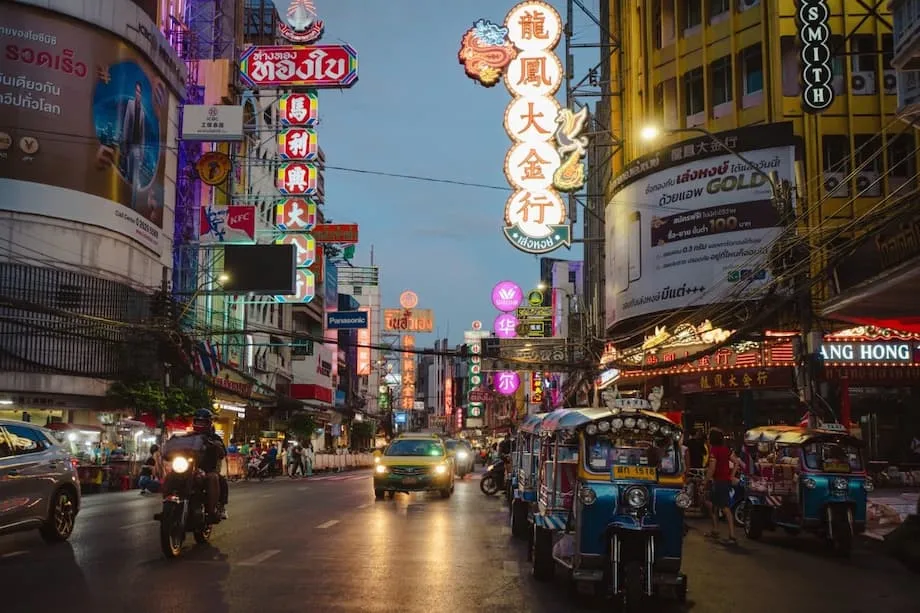
Start with the station, the streets and the river
Hua Lamphong railway station, opened in 1916, is a useful starting point for a Bangkok journey that connects Chinatown's food stalls, Song Wat's galleries and the canals of Thonburi. Its vaulted arches and architecture with Italian influences introduce a city where old trading streets sit within reach of shopping centers, rooftop lounges and towers that glitter after dark.
Contents
- Start with the station, the streets and the river
- Follow Chinatown's lanes beyond Yaowarat
- Shop and browse in Song Wat's working streets
- Cross to Thonburi for canals and neighborhood cooking
- Build meals around markets and small specialties
- Choose a night around the music
- See the skyline, then make room for green spaces
- Use trains and boats to protect your time
- Choose accommodation by neighborhood
- Plan for the weather, the costs and local customs
- Decide whether a guide fits your visit
- Put together three flexible days
- What to Know
Bangkok rewards time at street level. From the station, walk toward Chinatown, continue to the Chao Phraya river and follow it north toward Song Wat. Across the water, Thonburi offers temples, markets and residential canals with a different pace. Along the way are noodles cooked in smoking woks, small shrines, warehouse art spaces and bars with live bands.
Residents often describe the capital as two cities sharing one address: a world of high rises and shopping centers, and a more intimate network of shophouses, ferries, alleyway kitchens and places of worship. Allowing time for both makes the journey more rewarding than moving between landmarks alone.
Saran Yen Panya, a Bangkok designer, recommends beginning with a simple walk from Hua Lamphong toward the water:
Just head from the station towards the Chao Phraya river. Do not use Google Maps.
His suggested route brings together the city's contrasts: a morning train whistle, light passing through incense in a Chinatown shrine, peppery soup at a small stall, then records and art in an old warehouse beside the river. The appeal lies in leaving room for an unexpected turn.
Follow Chinatown's lanes beyond Yaowarat
Hua Lamphong still handles Eastern Line trains and contains a small museum. Outside, a walk toward the river brings visitors into Chinatown within minutes. Yaowarat Road is its busy main artery, crowded with traffic, chrome and neon, while narrower lanes lead past Chinese shrines, roofs decorated with dragons, and crates of herbs and tea.
Many of the most rewarding meals are away from the main road. Look for a weathered metal cart, plastic stools and a cook concentrating on a single specialty. Small family businesses may spend decades perfecting crisp oyster omelettes, pork leg braised in gravy scented with star anise, duck noodle soup or tom yum balanced with lime and chili.
Saran also offers a joking rule for choosing a stall:
Always look for the grumpiest looking auntie cooking," he joked. "The worse the service, the better the food.
Early evening is a good time to arrive as Chinatown becomes lively, then continue toward the river as the air cools. Wear breathable clothes and carry small cash. Yaowarat, Talat Noi and Song Wat are useful place names when asking for directions. Local guidance can become part of the walk.
Shop and browse in Song Wat's working streets
Song Wat remains a trading district even as new businesses move into its riverside warehouses and shophouses. Artisan cafes, vinyl sellers, small galleries and vintage clothing stalls share the neighborhood with established shops. Its appeal comes from seeing those activities together rather than treating the area as a shopping complex.
On weekends, small markets appear in converted spaces such as Long Dang Dang, where used records and retro fashion attract residents and travelers. Made in Song Wat, a community initiative, has helped small businesses preserve the area's heritage while introducing new ideas.
TARS Unlimited, a private gallery that moved from Sukhumvit, displays contemporary figurative work near the gate of the Luang Kocha Itsahak Mosque, which dates from the 19th century. Figurative art depicts recognizable people or other subjects, giving visitors another reason to pause among the district's trading premises.
Many shopkeepers have lived or worked here for years. Move at an unhurried pace, dress modestly near places of worship and offer a smile and thanks. Song Wat works well as a stop for coffee, records, vintage clothes and art during a longer riverside walk.
Cross to Thonburi for canals and neighborhood cooking
Thonburi, a former capital until the 18th century, occupies the western bank of the Chao Phraya. Residential streets, small markets and quiet canals give it a different atmosphere from the central shopping districts. Wat Arun, the Temple of Dawn, rises in white beside the river, while the back streets offer food shaped by Thai Chinese and southern Thai family cooking.
Prices tend to be lower than in central tourist corridors. Tong Leng serves homemade egg noodles in a light broth with crisply roasted pork and fishballs. Jae Oie prepares Thai Chinese stir fried noodles with kra ched, or water mimosa, which adds a distinctive green snap. Both are plain establishments with regular customers.
Talat Phlu market, beside the Bangkok Yai canal, offers a broader selection of classic dishes, sweets and stalls established many years ago. The BTS Skytrain provides a practical route into this part of the city.
Savapatra Euakittaropakorn, a singer who grew up in Thonburi and performs in garage bands, describes her attachment to the area:
"I grew up in Thonburi, on the other side of the river. It is just somehow more real there," she said.
Take the Skytrain to Talat Phlu or Wongwian Yai, followed by a short taxi or motorcycle ride to the canals. Longtail boat tours explore the khlongs, the local word for canals. Choose a licensed operator, settle the fare before boarding and request a neighborhood temple or market stop alongside the usual places for photographs.
Build meals around markets and small specialties
Chinatown, Wang Lang Market near Siriraj Hospital, Silom Soi 20 and Nang Leong Market are useful areas for street food and straightforward shophouse restaurants. Stalls become busy as the sun goes down, and a satisfying meal rarely requires a reservation or a large budget.
Yaowarat offers oyster omelettes, braised pork over rice and peppery fishball noodles. Around Victory Monument, boat noodle stalls serve small bowls of rich broth with sliced beef or pork, often ordered in sets. Wang Lang offers grilled pork skewers, sticky rice and herb drinks among its many snacks.
Shopping center food courts provide an alternative when heat and humidity make outdoor meals tiring. Many recruit skilled cooks and subsidize stall rents, helping keep food affordable while diners sit in air conditioning.
Small portions make it easy to try several dishes, and sharing is common. A useful starting selection includes:
- Tom yum goong, a spicy and sour shrimp soup with lemongrass and lime.
- Som tam, green papaya salad pounded to order.
- Pad ka prao, a basil stir fry served over rice with a fried egg.
- Boat noodles, small bowls with an intensely flavored broth.
- Hoi tod, a crisp oyster omelette.
- Guay jub, rolled rice noodle soup with five spice broth and crispy pork.
- Pla pao, a whole fish grilled in a salt crust with herbs.
- Mango sticky rice for dessert.
Jeh O Chula is an option for large noodle bowls after dark. Famous cooks working at wok counters may require planning for a seat, and popular establishments can have long queues. Arriving just before opening can help.
Choose a night around the music
Bangkok's evening choices extend well beyond rooftop cocktails. Small venues offer traditional instruments, molam, jazz, soul, ska, punk and experimental performances, making the music a useful starting point when choosing where to go.
Tep Bar in Chinatown combines inventive cocktails with traditional Thai instruments. Studio Lam brings molam and global grooves to a small venue popular with the indie crowd. Brick Bar, tucked off Khao San Road, attracts groups with house bands playing ska and Thai indie covers.
Black Cabin presents contemporary jazz, soul and indie rock in an industrial setting. JAM combines an art space with a performance venue, hosting music from punk to experimental sets.
In Ari, a residential neighborhood north of the old city, the temporary bar Doi Dum Punk draws musicians and people staying out late. It stands on the corner of Ari Soi 5, a short ride from the old city. For vinyl and a listening room atmosphere, Siwilai Sound Club near Central: The Original Store programs live sessions on a high quality sound system.
Dress is casual and most venues accept visitors without reservations, although small rooms fill quickly on weekends. Choosing one main performance leaves time to eat nearby rather than spending the evening traveling between bars.
See the skyline, then make room for green spaces
Mahanakhon Skywalk provides views of towers and sois, Bangkok's small streets, through a glass floor. Octave on Sukhumvit offers views in every direction at sunset. Riverside terraces at classic hotels provide another setting where a drink at the bar can be as memorable as dinner.
A river boat at golden hour offers a different way to watch the light change across the city. The Chao Phraya is both a transport route and a scenic break from busy roads. Orange flag express boats provide an inexpensive way to move between piers serving Chinatown, the Old Town and Thonburi.
Bang Krachao, often called the city's green lung, is a destination for a slower outing. Cross over, rent a bicycle and follow shaded paths between homes and gardens, with stops for coconut ice cream or a temple visit.
Back in town, Benjakitti Forest Park has a raised walkway above wetlands that catches the evening light. These green spaces offer families alternatives to shopping centers and crowded streets, and can fit into a quieter half day.
Use trains and boats to protect your time
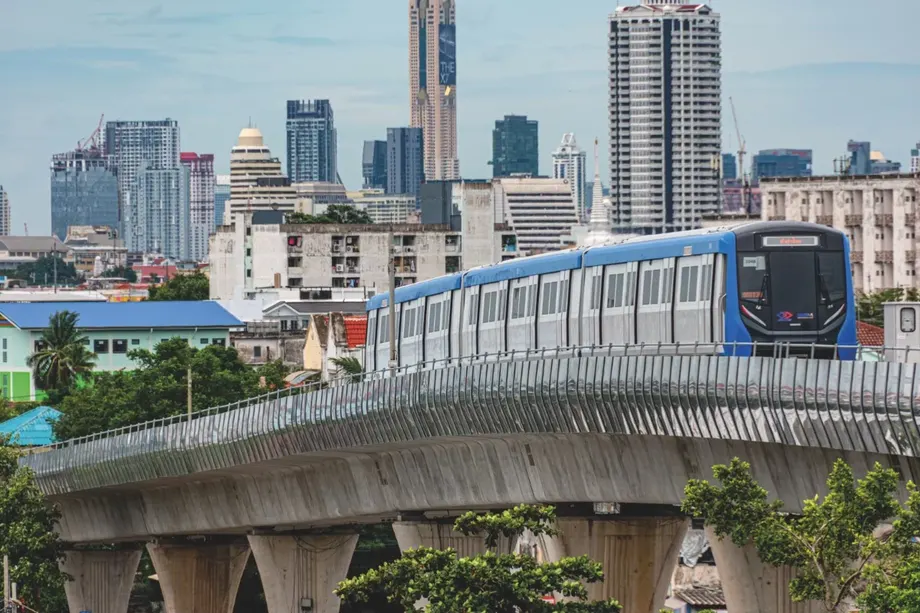
Bangkok's road network includes many small lanes that end at larger roads, making short journeys vulnerable to congestion. The BTS Skytrain and MRT underground are useful first choices wherever their routes fit. Both are clean, air conditioned and reliable, with modest fares and coverage across most central areas.
River ferries connect important neighborhoods while giving passengers a break from road traffic. Combining rail with a boat or a short taxi journey often makes more sense than covering the entire distance by car.
Motorcycle taxis can be quick for short trips, although they suit confident riders best. Grab cars and regular taxis provide travel directly between addresses. With a regular taxi, ask for the meter; choose another vehicle if the driver refuses to use it.
Plan temple visits early to avoid some of the heat and congestion. Keeping nearby stops together also leaves more time for markets, meals and unplanned discoveries.
Choose accommodation by neighborhood
Bangkok's riverside hotels offer a quieter setting within minutes of street activity by ferry. Long established grand hotels combine calm surroundings with craftsmanship, while newer properties offer luxury, spa facilities and windows stretching from floor to ceiling.
In the city center, a colorful tower at Mahanakhon appeals to design enthusiasts. A recently refreshed landmark near Lumpini Park combines Thai heritage with contemporary rooms. The neighborhood matters as much as the hotel itself because it shapes the first and last journeys of each day.
Siam puts shopping centers and the art and culture center close at hand. Silom and Sathon combine business towers with leafy lanes and markets. Sukhumvit stretches for miles and has restaurants serving food from around the world.
Chinatown and the Old City suit visitors who want temples, ferries and food late at night nearby. A riverside base favors boat journeys, while a central district can make rail travel more convenient.
Plan for the weather, the costs and local customs
November through February usually brings Bangkok's most comfortable weather, with lower humidity and cooler nights. It is also high season, so booking accommodation early is sensible. Songkran, the Thai new year water festival in April, and Loy Krathong, the river lantern festival in November, attract larger crowds.
Pack light, breathable clothes, a hat and outfits covering shoulders and knees for temple visits. Refill a water bottle and take cooling breaks inside shopping centers or at riverside piers.
Street meals often cost less than a coffee in many Western cities. Public transport fares are modest and ferries are inexpensive. Established currency exchange chains near transit hubs often offer good rates, providing another practical stop when arranging cash for smaller purchases.
Keep valuables zipped away in crowded places and watch for pickpockets. Near temples, a familiar scam begins with a stranger claiming that a site is closed and directing visitors toward a shop. Taxi meter refusals are another reason to move on and choose a different driver.
For a traditional massage, schools attached to temples, including the school at Wat Pho, are respected options. Building in a massage or a slow meal can also provide a welcome break from a busy schedule.
Decide whether a guide fits your visit
Bangkok can be explored independently with trains, ferries and a flexible plan. A private guide can be useful for visitors with limited time, those who want help with menus and markets, or anyone seeking more explanation of the city's history and culture.
Licensed guides can adapt the day to a visitor's pace, arrange transport and time visits to avoid queues. They can also help with language differences and introduce family businesses that a traveler might otherwise walk past.
Mandy, a licensed private guide who leads small custom tours, describes the appeal of having someone help navigate the city:
"Bangkok is a city of vibrant street life, ancient temples, hidden canals, and unforgettable flavors. But without the right guide, it is easy to miss the heart of it all," she said.
Before booking, confirm the guide's license, agree on costs and identify the places that matter most to you. A manageable list helps keep the day from becoming a rush between stops.
Put together three flexible days
A useful first visit combines major landmarks with neighborhood meals, shopping and music. Grouping stops by area creates room for the small discoveries that make walking rewarding.
- Day one: Take the river to the Grand Palace and Wat Phra Kaew in the morning, cross to Wat Arun, eat beside the water and finish with Chinatown snacks.
- Day two: Ride the Skytrain to Siam for shopping and art, continue to Song Wat for coffee, records and galleries, then have a drink on a riverside terrace.
- Day three: Explore Thonburi's canals and Talat Phlu, followed by a live band in the evening.
Leave another half day for Bang Krachao, or choose a massage and an unhurried meal. Keep the schedule flexible enough to follow an interesting lane, stay for another song or stop at a promising food cart.
What to Know
- Begin at Hua Lamphong and walk through Chinatown toward the Chao Phraya.
- Look beyond Yaowarat Road for small stalls specializing in a few dishes.
- Song Wat combines trading heritage with cafes, galleries, vinyl and vintage shopping.
- Thonburi offers canals, neighborhood cooking and the established food stalls of Talat Phlu.
- Use BTS, MRT and river boats where possible, with taxis for connecting journeys.
- Food courts offer affordable meals and air conditioning alongside the city's street food options.
- Small music venues range from Tep Bar and Studio Lam to Brick Bar, Black Cabin and JAM.
- November through February brings more comfortable weather; April and November festivals draw crowds.
- Carry small cash, dress modestly at temples and agree on boat or guide costs in advance.
- Keep time free for parks, a massage, a slow meal or an unexpected turn.