A shopping destination built around more than shops
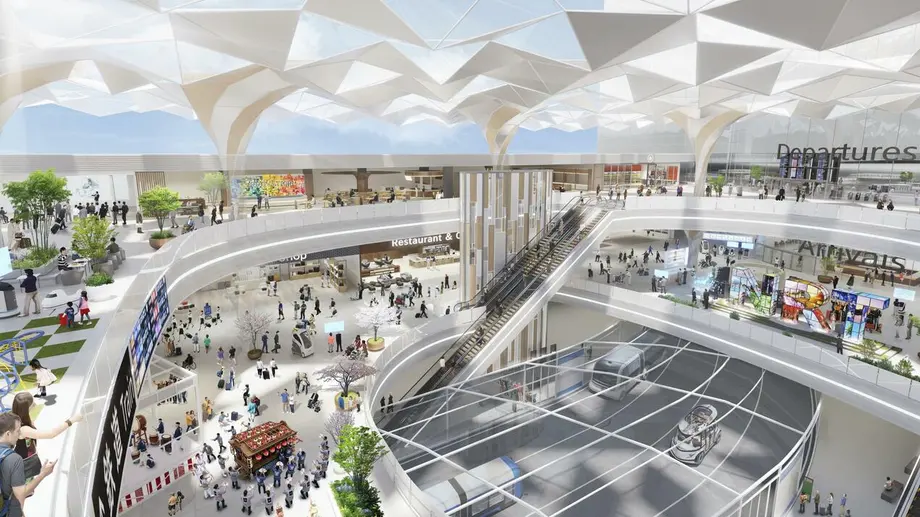
Mount Fuji views, rooftop gardens, a generous reading lounge and robots sharing public space are part of the appeal of NEWoMan Takanawa, the retail heart of Tokyo's Takanawa Gateway City. Beside Takanawa Gateway Station in Minato ward, the mall combines shopping and dining with places to rest, cultural attractions and experiments in urban technology.
Contents
- A shopping destination built around more than shops
- How the wider district fits together
- Gardens and a distant view of Mount Fuji
- A reading lounge changes the pace
- What is coming to the shops and tables
- Art, short films and a new museum
- Robots and new ways to move around
- A station stop that can lead to a wider trip
- Why this approach matters for Tokyo retail
- At a Glance
The district opened to the public in late March 2025, but visitors arriving as of September 14, 2025, are seeing a development still taking shape. The mall is opening in stages through 2026, with new terraces, shops and amenities arriving as the surrounding smart city grows. A major garden terrace is scheduled for autumn 2025, while further district openings are planned through spring 2026.
About 200 stores are planned across several buildings by 2026. Alongside Japanese and international brands, the attraction is the chance to spend several hours moving between cafes, outdoor decks, books, art and views. On clear days, sightlines from upper levels and rooftops extend beyond Tokyo to Japan's highest mountain.
Takanawa Gateway Station, on the JR Yamanote Line, is one stop from Shinagawa. Direct station access makes the development an easy stop for commuters, families and travelers, while indoor and outdoor promenades connect the retail spaces with the wider district.
NEWoMan Takanawa brings together several ideas already visible in Tokyo retail: gardens, dining, cultural programming and places to linger. Its particular combination places those experiences inside a district where transport, deliveries, visitor information and everyday services are also being tested.
How the wider district fits together
JR East is leading Takanawa Gateway City as a flagship redevelopment spanning hundreds of thousands of square meters. The investment is on a scale intended to support an ambitious mix of offices, homes, hospitality, culture, wide plazas and an integrated park.
Planners describe the district as a living laboratory for urban life, guided by a concept that looks a century ahead. In practical terms, a living laboratory is a place where new services can be tried in the same streets and buildings that people use every day. Here, shopping routes, workplaces and public spaces provide the setting for those experiments.
NEWoMan Takanawa serves as the retail core, linking the railway station to buildings and outdoor spaces. Gateway Park is part of that network, giving visitors a place to step away from the shops while remaining within the development.
Hospitality is another part of the plan. JW Marriott Hotel Tokyo occupies high floors in a south tower, with views across the district. Its facilities include several dining venues, a pool and a spa, along with convenient connections to Haneda Airport.
The development's opening schedule stretches across several dates, so different parts of a visit will become available at different times:
- Late March 2025: Takanawa Gateway City opened to the public.
- Autumn 2025: A major garden terrace is scheduled to debut.
- Through spring 2026: Further parts of the mall and wider district are scheduled to open in phases.
- During 2026: The retail footprint is expected to reach about 200 stores, and MoN Takanawa is scheduled to open.
- September 2026: A restaurant planned by Maruha Nichiro is scheduled to open inside NEWoMan Takanawa.
Gardens and a distant view of Mount Fuji
NEWoMan Takanawa gives a substantial role to spaces outside the sales floor. Green terraces, rooftop planting, casual seating and outdoor restaurant areas form part of a layout intended to make time spent between purchases enjoyable.
Many corridors receive daylight and open to breezes. Several restaurants and cafes face outdoor decks, while views reach across the station and the surrounding city. The effect is closer to an urban veranda than an enclosed shopping complex.
Mount Fuji is a particular draw from upper levels and rooftops when the weather is clear. The view includes foothills beyond the Tokyo skyline, adding a distant natural landmark to a setting otherwise framed by railway tracks and buildings. Few Tokyo malls offer that kind of sightline.
Winter's crisp air is especially favorable for seeing the mountain. Summer haze can make it harder to spot, so staff encourage visitors to check conditions and head upstairs when the light becomes sharp. Weather will shape the experience of anyone making a special trip for the view.
The gardens are opening in phases, with a major terrace planned for autumn 2025. Planting can help cool urban heat islands, places where buildings and hard surfaces hold heat, while also softening the appearance of a densely built district.
Families and office workers will be able to use the outdoor areas for a break, and the greenery provides a setting for small events, weekend markets and seasonal displays. Paths connect terraces with restaurant decks, making it possible to combine a coffee, a book and a walk without leaving the complex.
A reading lounge changes the pace
A large reading space on one floor offers lounge furniture and a curated selection of books and magazines. It is designed to feel closer to a public lounge than a conventional shop, giving visitors somewhere quiet within a busy retail district.
Someone running errands can pause between stops, a visitor can rest with a pastry, and children can browse picture books. The space adds a different rhythm to a visit that might otherwise move from one counter or store to the next.
The lounge reflects a wider aim across the complex: combine commerce with restorative spaces that encourage people to stay longer. Rooftop greenery, casual seating and reading areas all serve that purpose in different ways.
For travelers passing through the Shinagawa area, a comfortable place to sit also makes the mall useful between journeys. For people working nearby, the same space can offer a quieter pause during the day.
What is coming to the shops and tables
NEWoMan Takanawa's planned footprint of around 200 stores spans several buildings connected to the station. Early tenants include Japanese and global labels, specialty design shops and cafes, giving the retail mix a combination of fashion, food and design.
Blue Bottle Coffee sits near sculptural flower displays at Nicolai Bergmann's boutique. The pairing brings coffee and floral design into the same part of the visitor experience, reflecting the district's attention to how its spaces look and feel.
The Maison Classic lineup offers several different food settings in one zone. A cream puff factory and takeaway counter provide a quick stop, while a refined tea salon offers a slower visit. A casual cafe serves sandwiches and gelato.
A more experimental dining concept is planned for September 2026. Japanese seafood company Maruha Nichiro, which has announced that it will rebrand as Umios in 2026, plans to open a restaurant inside NEWoMan Takanawa featuring cultivated seafood.
The company's stated aim is to build a new fish eating culture aligned with a Planetary Health Diet and to showcase the next generation of seafood supply. The concept connects food choices with the health of people and the planet, fitting the wider district's focus on innovation and sustainability.
The restaurant adds a later date to the development's opening calendar. While many mall and district features are rolling out through spring 2026, this dining venue is planned for September of that year.
Art, short films and a new museum
Takanawa Gateway City includes cultural activities along everyday walking and shopping routes. Public art and temporary events are part of its programming, alongside a nighttime kinetic art bar concept that also functions as a gallery.
Takanawa Gateway Theater screens free short films, giving visitors a cultural stop that can fit into a shopping trip. Emmanuelle Moureaux's colorful 100 Colors Path installation offers another experience, inviting a stroll through shade and time.
MoN Takanawa, the Museum of Narratives, is scheduled to open in 2026. Designed by Kengo Kuma, the museum is intended to become a major cultural anchor for the district, with immersive exhibitions built around storytelling.
As that opening approaches, more previews, temporary events and workshops are expected to connect brand activities with museum programming. The aim is to bring art and storytelling into the routes people already take between shops, restaurants and the station.
Culture therefore has several scales here: a short film during a brief visit, an installation encountered while walking, or a future museum visit that could become the main reason for coming. Together, those experiences broaden the district's role beyond retail.
Robots and new ways to move around
Gateway Park is also a place to encounter the district's mobility experiments. Small platforms that people can ride move across the park, including some powered by hydrogen. Visitors can see how the carriers work while moving through the same public space.
Robots carry out several service roles across the development. They patrol and clean, transport small deliveries, and can bring ordered drinks to collection points. These are everyday tasks that let visitors see automated services in use outside a showroom.
An app helps people navigate the services, while vans using artificial intelligence offer flexible rides around the neighborhood on request. Instead of relying solely on fixed routes, the service is intended to connect places according to demand.
The district also uses static exhibits to explain where transport technology is heading. A prototype gate using QR codes demonstrates a possible railway ticketing approach without magnetic cards, relevant to both regular commuters and tourists.
Families with strollers and travelers carrying luggage have more immediate needs as well. Wide routes without steps, smart elevators and clear signs are intended to make movement between the station, shops and public spaces easier.
The physical layout and digital services work together throughout the development. A visitor might walk along a broad promenade, encounter a delivery robot and then use an app to find a service, all within the same journey between buildings.
A station stop that can lead to a wider trip
The Travel Service Center near the station core provides help in many languages and uses interactive screens to introduce destinations across Japan. It acts as a digital concierge for people who may be planning their next stop as well as visiting the district.
Virtual reality goggles offer short previews of regional journeys, including heritage sites and food routes. Visitors can use those experiences to consider a day excursion or a longer itinerary, connecting a shopping stop in Tokyo with travel elsewhere in the country.
Rail access is central to that role. Takanawa Gateway Station is one stop from Shinagawa, a major interchange with Tokaido Shinkansen services. Haneda Airport is around 15 minutes away by rail with a quick transfer, making the area convenient for people arriving in or leaving Tokyo.
Entrances lead directly from the station concourse into the retail areas. Outdoor promenades continue toward Gateway Park, while dedicated drop off points around the complex support arrivals by taxi or rideshare.
Travelers can consult the official GoTokyo overview for a practical introduction to the district's attractions and technology demonstrations. Official visitor pages also provide opening hours, event schedules and updates on which spaces are operating.
Checking those details is useful while the development opens in stages. The largest rooftop garden, some restaurants and other amenities arrive at different times, and the cultural calendar changes with installations and temporary events. Visitors planning around a particular Gateway Park program or a Mount Fuji view will also need to consider the schedule and weather.
Why this approach matters for Tokyo retail
Japanese retail is adapting to the convenience of online shopping and the desire to spend leisure time on social or memorable experiences. Routine purchases can be made quickly online, while a physical destination can offer shared meals, gardens, art and time together.
NEWoMan Takanawa is organized around that second role. A visit can include a robot demonstration, a free short film, a rooftop walk and, if conditions cooperate, a view of Mount Fuji. Shops and restaurants sit within that broader outing.
Tokyo has already seen related approaches at Shibuya Scramble Square, with vertical gardens and observatories, and at Tokyo Midtown and Roppongi Hills, where art and green space accompany commercial activity. Takanawa adds the setting of a smart city testing ground wrapped around a new railway station.
Events, exhibitions and seasonal changes also give landlords different ways to use space, while longer visits can support retailers and restaurants. The reading lounge and terraces are part of that same effort to make the complex somewhere people choose to spend time.
International tourism adds another audience. Visitors have returned to Japan in large numbers, and many stay near Shinagawa for airport and bullet train connections. Multilingual support, cashless payments and places to rest between trains help the mall serve travelers alongside local residents and workers.
As of September 14, 2025, the district is still unfolding. The coming terrace, museum and cultivated seafood restaurant will add different reasons to return, while the combination already taking shape connects retail with transport, culture, greenery and new services in one place.
At a Glance
- NEWoMan Takanawa is the retail core of Takanawa Gateway City in Tokyo's Minato ward, beside Takanawa Gateway Station.
- The district opened in late March 2025, with further openings through spring 2026 and around 200 stores planned by 2026.
- Upper levels and rooftops offer Mount Fuji views in clear weather, especially in winter.
- Gardens, outdoor promenades and a large reading lounge provide places to pause, with a major terrace scheduled for autumn 2025.
- Dining and retail names include Blue Bottle Coffee, Nicolai Bergmann and Maison Classic.
- Cultural attractions include free short films, Emmanuelle Moureaux's 100 Colors Path and MoN Takanawa, scheduled to open in 2026.
- Robots, hydrogen powered carriers, rides requested through digital services and a prototype QR code railway gate form part of the district's technology experiments.
- Maruha Nichiro, set to become Umios in 2026, plans a restaurant featuring cultivated seafood for September 2026.
- The station is one stop from Shinagawa, with rail access to Haneda Airport taking around 15 minutes with a quick transfer.