Traditional rooms and new tastes share the city
Near Kyoto Station, Kurasu Kyoto Stand serves rotating coffees from Japan and abroad. At WEEKENDERS COFFEE TOMINOKOJI, carefully prepared pour overs and seasonal drinks draw visitors into a courtyard setting inside a renovated machiya. Inoda Coffee's flagship, also housed in a traditional machiya townhouse, represents another part of the same scene: the heritage cafe, where breakfast, familiar sweets and a measured pace remain central to the visit.
Contents
- Traditional rooms and new tastes share the city
- How kissaten and specialty coffee became connected
- Heritage cafes adjust while keeping familiar rituals
- Specialty roasters make origin part of the experience
- Anime and manga bring new customers to the counter
- The brewing tools behind different cups
- Neighborhoods, tourists and students shape the cafe map
- Small courtesies help keep cafe rooms calm
- Costs and staffing put pressure on the craft
- Key Points
Kyoto, long associated with temples, tea rituals and wooden townhouses, has become a showcase for a dynamic coffee culture. Its established cafes, known as kissaten, continue to offer carefully brewed cups in serene rooms. Alongside them, specialty roasters use precise equipment to bring out bright, fruity flavors. Cafes with anime and manga themed menus add a playful connection to younger customers and international visitors.
Character cookies, illustrated latte art and desserts tied to entertainment releases sit within this wider change. Some cafes use them as occasional seasonal touches, while some chains run continuing collaborations. The attraction may begin with a photograph or a collectible coaster, then lead a customer toward a coffee they have never tried.
Kyoto's reputation for meticulous work in ceramics and confectionery extends naturally to roasting and brewing. Established houses have modernized equipment and trained staff in pour over and espresso preparation. Newer operators roast in small batches and provide more detail about where their beans come from. Specialty counters occupy renovated townhouses, spaces under train arches and back alleys near major stations.
Menus are moving in both directions. Traditional cafes, once more closely associated with darker roasts and rich, mellow cups, are offering lighter roasts and beans from a single origin. Specialty shops are adding familiar sweets, light meals and drinks combining matcha with coffee. Breakfast sets remain popular, while espresso, hand brews and seasonal coffee tonics widen the choices.
How kissaten and specialty coffee became connected
Japan's coffee story reaches back to Dutch traders in the 17th century. The drink spread more widely after the late 19th century and gathered momentum after World War II, when kissaten became part of daily life. Kyoto adopted coffee at its own steady pace, making room for Western inspired breakfasts, refined tableware and calm service.
Kyoto's walkable neighborhoods and preserved buildings suit small cafes with distinct personalities. The city's appreciation of quiet craft and measured service also fits the careful preparation of coffee. Longstanding businesses such as Inoda Coffee show how those habits became part of a local cafe experience.
Specialty coffee gained fresh attention in Japan during the 2010s, bringing a stronger focus on bean quality, relationships with growers and different approaches to roasting. Often called the third wave, this movement placed more attention on the individual coffee and the work behind it. In Kyoto, it reconnected with practices already familiar in traditional cafes.
Japanese kissaten helped shape equipment now used in modern specialty bars. The siphon became popular in Japan in the early 20th century. The Kono dripper and nel drip method developed through decades of experimentation, while Hario and Kalita refined paper filters and pour over equipment that are now used around the world.
Kurasu, a Kyoto roaster and cafe operator, has described the connection between traditional cafes and specialty coffee in its journal. The company points to the care both approaches give to preparation and ingredients:
Both share a dedication to craftsmanship and coffee quality.
Kyoto's counters make that connection visible. A visitor might watch a barista grind a washed Ethiopian coffee for a V60, then see a siphon working at a neighboring kissaten. Heritage tools and newer roasting styles give both beginners and experienced drinkers a broad range of ways to explore a cup.
Heritage cafes adjust while keeping familiar rituals
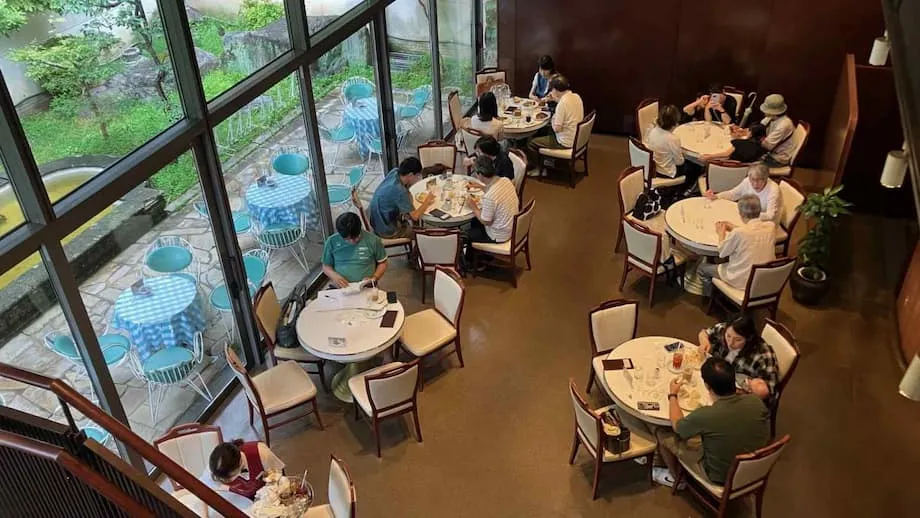
Inoda Coffee's main location captures the balance many visitors seek in Kyoto. Polished wood, natural light and a gracious pace give its machiya setting a classic character. Breakfast sets, cakes and sandwiches preserve the routines that regular customers expect.
Legacy cafes are also changing the work behind the counter. Updated grinders, more carefully adjusted roasting patterns and a wider selection of beans have become common across these businesses. Those changes allow staff to keep serving a nostalgic blend while making room for coffees with brighter flavors.
Staff training now includes pour over technique, control of water temperature and espresso dialing. Dialing means adjusting preparation so the espresso tastes as intended. These details help a cafe serve different styles consistently without changing the atmosphere that brings its regulars back.
Heritage venues have also tried limited menus connected to museum exhibitions and pop culture festivals, particularly when the Kyoto International Manga Museum hosts popular shows. Character shaped cookies or weekend latte art can act as a seasonal flourish within an otherwise familiar menu.
Chains and independent cafes experiment with themed periods aligned with manga exhibitions, film releases and student calendars. A temporary dessert or illustrated drink gives customers another reason to visit, while the continuing breakfast and coffee menu maintains the cafe's everyday identity.
Specialty roasters make origin part of the experience
Kurasu Kyoto Stand, near the main station, rotates origins from Japan and abroad through hand drip and espresso service. Its selection gives travelers a starting point for comparing coffees, including a tasting flight before continuing to other parts of the city.
WEEKENDERS COFFEE TOMINOKOJI offers another setting for that exploration. Its compact bar in a renovated machiya combines careful pour overs with seasonal drinks and a peaceful courtyard. Visitors can walk or cycle there after beginning near Kyoto Station.
Goodman Roaster Kyoto has served rare Taiwanese lots. COYOTE the ordinary shop highlights relationships with producers in El Salvador, making it a stop for customers interested in small producers and the connections behind their coffee.
Light to medium roasts are prominent at venues that foreground origin and processing. Origin tells a customer where a coffee comes from; processing describes how it was prepared before roasting. Such information helps explain why one coffee tastes different from another and connects the cup to the people who produced it.
Across these shops, the aim is to present traceable coffees with clean flavors and distinct sweetness. Traceability means being able to follow the coffee back toward its source. A single origin selection gives customers a chance to focus on beans from one origin rather than a blend.
Kyoto also has gentler starting points for people unfamiliar with specialty coffee. A balanced blend at blend kyoto or a soft, comforting cup at common can come before a brighter fruit note at Nijokoya or a visit to the slow bar at coffee.roast.yui. Each shop has its own mood, from pristine counters to snug machiya rooms.
Anime and manga bring new customers to the counter
Kyoto cafes use anime and manga as seasonal accents that bring energy and new faces. Character latte stencils and limited desserts may accompany a series premiere or the opening of a museum exhibition. Some chains offer continuing collaborations with distinctive packaging, collectible coasters and latte art.
Friends can meet over these items, take photographs and stay for another round. For operators, themed menus offer a way to attract business during quieter weekdays or gaps in tourist demand. The regular coffee and food menu remains the reason established customers can keep returning throughout the year.
Manga kissa serve a different purpose. These internet and reading cafes, found across Japan, provide private booths, comic libraries and packages for overnight stays. Kyoto's use of pop culture within traditional and specialty cafes combines themed items with a coffee service focused on fresh beans, measured pouring and precise extraction.
Kyoto's student population includes a loyal anime audience, and collectible items or creative latte art have immediate appeal on social media. A themed cookie or a float combining matcha and coffee can also make an unfamiliar specialty menu feel more approachable.
Customers who initially visit for a character design may then try a hand drip or an espresso made with beans from a single origin. For many cafes, that first visit can become a habit. Pop culture provides an entry point, while the coffee gives the customer something further to explore.
The brewing tools behind different cups
Pour over is prominent at Kyoto's coffee counters, particularly through Japanese equipment such as the Hario V60 and Kalita Wave. A barista pours water over ground coffee held in a filter, controlling the preparation as the drink collects below. The choice of brewer, grind and water temperature contributes to the final taste.
The V60 is used for clarity and aromatics, helping drinkers notice distinct flavors and scents. The Kalita's flat bed can make extraction more even and support balanced sweetness. Extraction is the process in which water draws flavor from the grounds.
Nel drip, which uses a flannel filter, remains part of the practice at selected kissaten. It produces a thicker feeling in the mouth and pairs well with blends that have chocolate notes. Its continued use connects today's cafe service with methods refined over many years.
The siphon offers a more theatrical view of brewing through its glass chambers and the movement of water. It has a long history in Japanese cafes and, when carefully adjusted, can produce a clear, rounded cup with clean body and floral notes. Many Japanese brewing techniques developed from cafe owners' requests, with equipment companies listening and refining their designs.
Kyoto has relatively soft water compared with some regions. Baristas adjust grind size and temperature to preserve brightness without making a cup sour. Water is therefore another part of the preparation, alongside the beans, roast and brewer.
These choices make the craft tangible. A customer can compare the clarity of a V60 brew, the balanced sweetness sought with a Kalita, the thicker texture of nel drip or the clean body of a siphon coffee. Patient drinking allows those differences to become part of the visit.
Neighborhoods, tourists and students shape the cafe map
Kyoto's cafe geography follows the routes people walk. Shops near Kyoto Station and along Karasuma serve commuters and visitors making day trips, including those heading toward Nishiki Market or the Imperial Palace grounds. Their locations make coffee part of an arrival, a journey across town or a pause between destinations.
East side cafes draw people walking toward Gion and the temples of Higashiyama. Smaller counters in residential lanes serve regular customers seeking a quiet seat and a reliable cup. The difference between a busy station area and a neighborhood room helps sustain several styles of cafe within the same city.
Kyoto's university network adds activity during the week. Students study over filter coffee or meet friends over espresso tonics and seasonal sodas. Their routines sit alongside tourist visits and neighborhood habits, giving cafes several groups of customers to serve.
Limited seating and queues at busy times affect the experience. Staff generally give priority to keeping the room calm, and the pace of brewing is part of that atmosphere. A compact counter or quiet machiya may offer a very different visit from a larger cafe serving travelers near a major station.
Small courtesies help keep cafe rooms calm
Kyoto cafe service reflects Japanese norms of consideration for other customers and staff. Guests are encouraged to speak softly, silence their phones and allow time for preparation. Regulars often value a tidy, relaxed room as much as the drink itself.
Counter ordering is common. Customers may take a number after placing an order and return their trays when finished. Payment practices vary: many counters accept cash only, although that is changing, and visitors can check whether cards or QR payments are available.
Photographs can be part of a visit, especially when a drink carries character art. Asking before taking close photographs of staff or equipment keeps that interest considerate. The same care applies to seating, furniture and the time spent at a table during a rush.
- Order at least one drink per person and avoid taking a large table alone when the cafe is busy.
- Speak quietly, silence phones and keep calls outside or brief.
- Ask before taking close photographs of staff or equipment.
- Carry cash or check accepted card and QR payment options.
- Return trays and ask before moving furniture.
Costs and staffing put pressure on the craft
Roasters and cafe owners face rising costs for green coffee, the beans before roasting, as well as unstable shipping conditions. They also need to retain skilled staff in a service industry under pressure. Careful preparation depends on training and consistency, both of which require time and investment.
Aging proprietors at some kissaten are considering who will take over their businesses. Younger teams must balance rent, equipment purchases and staff training. Those practical decisions sit behind the calm rooms and carefully prepared drinks customers encounter.
Whole bean sales, subscriptions and brewing equipment give operators income beyond cups served at the counter. Limited collaborations, including anime tie ins, can help smooth seasonal changes in business. More openness about sourcing and prices also helps customers understand why a carefully brewed coffee carries a premium.
Packaging, waste and energy use are further concerns. Some Kyoto shops have adopted reusable filters or greener power sources, and many encourage customers to bring their own tumblers. Roasters also seek lasting relationships with growers to support stability where the coffee originates.
These changes take time. Kyoto's evolving coffee culture continues to center on quality and care, even as businesses adjust their menus, methods and sources of income. A heritage breakfast, a precisely prepared single origin coffee and a manga themed dessert can all sit within that continuing work.
Key Points
- Kyoto's coffee scene combines heritage kissaten, specialty roasters and cafes using anime or manga themes.
- Inoda Coffee's machiya flagship preserves familiar breakfast and cafe rituals within a changing coffee culture.
- Kurasu, WEEKENDERS COFFEE TOMINOKOJI, Goodman Roaster Kyoto and COYOTE offer different routes into specialty coffee.
- Japanese tools including the V60, Kalita, nel drip and siphon connect traditional methods with modern brewing.
- Themed drinks and desserts attract students and tourists, while everyday menus sustain regular visits.
- Tourism, universities and neighborhood routines shape where cafes operate and whom they serve.
- Quiet conversation, considerate photography and attention to ordering and payment practices support the cafe experience.
- Rising costs, staffing needs and succession decisions are encouraging bean sales, subscriptions and seasonal collaborations.