About 200 educators hear a call to act against prejudice
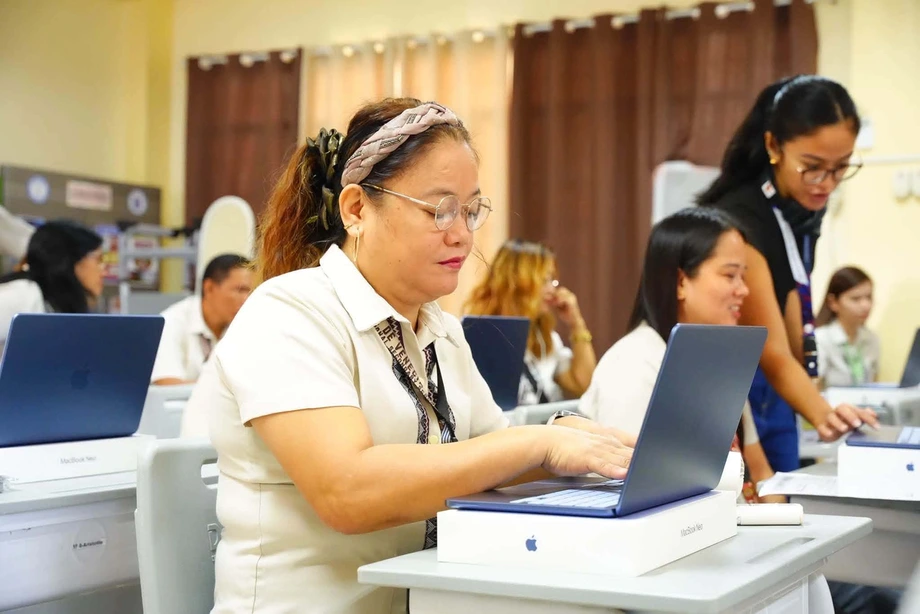
About 200 teachers and education staff joined an online seminar on Friday to discuss how schools in Japan can protect children with foreign roots from discrimination. The central message was direct: when a child is mocked or excluded because of nationality, language or appearance, adults need to intervene and explain why the behavior is harmful.
Contents
- About 200 educators hear a call to act against prejudice
- What teachers discussed at the seminar
- Surveys describe bullying tied to appearance and identity
- Korean students describe hostility online and in daily life
- School rules can make difference harder to navigate
- Legal protection leaves much to schools and local officials
- Korean schools face a separate struggle over tuition support
- Recognition and protection have developed unevenly
- What schools can do when a child is targeted
- Hiroshima recognition brings hidden experiences into view
- Key Points
The session brought together educators as Japan welcomes more foreign workers and the number of children with connections to other countries grows. Families continue to describe isolation, bullying and uneven access to support. For children, those problems can turn an ordinary classroom or playground into a place where they feel unwelcome.
Seminar organizer Hotta Emilie said children copy the behavior of adults around them, making adult prejudice part of what schools must confront. She called for action before bias becomes an accepted habit and for reassurance that children experiencing discrimination are not alone.
The gathering, described in NHK's seminar coverage, focused on practical responses rather than vague appeals for kindness. Teachers were urged to stop taunts when they happen, identify what was hurtful and make the classroom standard clear to everyone who witnessed the incident.
The wider policy setting helps explain the pressure on schools. The Migration Integration Policy Index gives Japan 47 out of 100, slightly below average, and places it among the weakest performers on protection against discrimination. Its assessment points to the absence of a comprehensive law and a dedicated enforcement body, leaving victims with few clear routes to justice and educators with substantial responsibility.
What teachers discussed at the seminar
The online format allowed teachers across Japan to attend. The audience was largely drawn from schools, alongside counselors and community advocates. Presenters considered situations that arise in hallways, on playgrounds and on social media, including what adults should do immediately, how to contact families and how to prevent the same behavior from recurring.
One expert described survey findings showing that many people with foreign roots continue to carry painful memories of their school years. Being teased for not being Japanese, having an accent mocked and being excluded from groups were recurring experiences.
Hotta argued that a general reminder to be kind can leave the child being targeted without support and other students uncertain about what is acceptable. A teacher or parent who names the behavior and explains why it is wrong gives children a clear standard. Consistent intervention also helps classmates understand that they can stand beside someone who has been singled out.
The seminar's approach connected the immediate response to later action. Stopping an insult addresses the moment; speaking with families and checking whether the behavior has changed addresses the child's continuing experience at school.
Surveys describe bullying tied to appearance and identity
A survey of 448 people in Japan with mixed ethnic or racial backgrounds found that 68 percent had experienced bullying or discrimination. Their experiences illustrate how visible differences and assumptions about who belongs can shape school life.
In Kanagawa Prefecture, a girl in the second grade became afraid of going to school after classmates teased her about having darker skin. Her father, Canadian educator Kinota Braithwaite, asked to speak to the class and gave a short lesson about the history of Black communities in Canada.
The boy who had teased his daughter apologized. Braithwaite's family later turned the experience into a children's book, which he reads during school visits around Japan. The episode became a way to help other children talk about difference.
The Anti Racism Information Center, a human rights group based in Tokyo, recorded discrimination in another survey. Of 340 foreign respondents, including students, 167 said they had experienced discriminatory acts. Interviewees described verbal abuse and occasional physical harassment.
Waseda University professor Shunsuke Tanabe has observed that some people wrongly connect an increase in foreign residents with worsening public security. Such assumptions can fuel hostility toward newcomers and form part of the social climate children encounter.
Korean students describe hostility online and in daily life
A Korean Scholarship Foundation survey of 1,030 students, from high school through graduate school, provided a detailed picture of harassment across several parts of their lives. About 31 percent said they had experienced verbal abuse, often from classmates or while working at part time jobs.
Nearly 74 percent had witnessed ethnic discrimination online, and more than three quarters had seen hate demonstrations or speeches. About 24 percent reported discrimination in public places or when seeking housing. The findings place school experiences alongside abuse encountered beyond the classroom.
Women reported higher rates of verbal abuse, including incidents involving Japanese teachers. Their experiences pointed to an added burden of gender bias alongside discrimination connected to ethnicity.
A Zainichi Korean graduate student, describing how she tried to avoid harassment while studying in Japan, explained why she concealed her identity online:
I make sure it's not obvious from my tweets.
Other respondents recalled slurs in classrooms and on the street, including demands that they leave the country. They described being told:
Go back to South Korea.
Sociologists who examined the survey data said direct abuse led many respondents to blame themselves. Repeated exposure to hate speech also darkened their views of society and caused some to withdraw from online spaces. For those students, keeping a low profile became part of everyday life.
School rules can make difference harder to navigate
Japanese schools place a high value on uniformity in appearance and behavior. Many districts enforced strict rules on hair color and personal items for years. Public debate and lawsuits prompted authorities to reconsider those rules, and several prefectures have relaxed them.
Expectations that students should look and behave alike can be particularly difficult for children with different hair textures or eye colors. A feature that is natural for one child can become a reason for others to regard that child with suspicion.
The education ministry approves textbooks and sets detailed teaching guidelines known as Gakushu Shido Yoryo. Critics argue that this framework leaves limited room for comprehensive teaching about ethnicity, migration and discrimination. Students can consequently lack a shared vocabulary for discussing differences respectfully.
Japanese language instruction addresses another part of the challenge. The ministry has expanded support for children who need help learning Japanese. Ritsumeikan University lecturer Ayano Yamada and other experts argue that majority students also need lessons suited to their age about the experiences of classmates with foreign roots.
Language support and lessons about diversity serve different needs within the same classroom. One helps children participate in lessons; the other helps their classmates understand their experiences. Without that balance, students learning Japanese can continue to be treated as outsiders.
Legal protection leaves much to schools and local officials
The Migration Integration Policy Index assesses how countries support the participation of people with migrant backgrounds. Its Japan policy profile gives the country 47 out of 100 and identifies particularly weak protection against discrimination.
The assessment points to three connected gaps: no comprehensive law against discrimination, no dedicated body to enforce such protections and few accessible remedies for victims. For a family, a remedy means a practical route to challenge unfair treatment and seek a response.
A network of consultation centers for multicultural coexistence, established in 2018, offers advice on residence, health and education. National and local governments also operate counseling hotlines and consultation services that help families navigate schools, health insurance and residence procedures. Such services provide useful assistance, while legal guarantees determine the protections people can claim.
Japan's 2016 Hate Speech Act expresses a public stance against discrimination, but carries no penalties and does not cover online abuse. The large share of surveyed students encountering hostility on social media and video platforms shows the distance between that public principle and their daily experiences.
The policy gaps place considerable responsibility on individual schools and municipalities. A child seeking help may depend heavily on whether the adults nearby recognize discriminatory behavior and respond consistently.
Korean schools face a separate struggle over tuition support
In 2010, the government excluded Chosen schools, which serve students of Korean heritage, from a tuition waiver program for high school. The decision was tied to diplomatic tensions and domestic politics and led to a long series of lawsuits.
Courts issued mixed rulings. School leaders described funding shortfalls and harassment of students by hate groups, while international human rights bodies criticized the exclusion as discriminatory and called for equal educational opportunities for every child.
The history of the decision and the resulting disputes is examined in the Chosen school policy analysis. For the communities involved, access to education has been shaped by both funding decisions and hostility directed at students.
United Nations monitoring and civil society submissions have repeatedly urged Japan to strengthen protection for minority children, including Ainu, Buraku, Korean and other communities. Their concerns extend from access to education to treatment inside classrooms and on the journey to school.
Recognition and protection have developed unevenly
Japan has taken steps that address inclusion. Parliament recognized the Ainu as an indigenous people, and the government has promoted measures against bullying. Families and advocates continue to describe uneven enforcement and coverage, with children still reporting prejudice in and around schools.
Several dates connect the historical experiences, education disputes and policy changes behind the present debate:
- 1945: The atomic bombings affected people of different national backgrounds, including Koreans living or working in Hiroshima.
- 2010: Chosen schools were excluded from the high school tuition waiver program, beginning years of litigation.
- 2016: Japan adopted the Hate Speech Act, which carries no penalties and does not cover online abuse.
- 2018: A network of consultation centers for multicultural coexistence was established.
- Friday before September 7, 2025: About 200 educators and education staff attended the online seminar on protecting children with foreign roots.
The education ministry updates guidance against bullying and funds Japanese language instruction. Those measures address parts of school life, while families and advocates continue to call for a comprehensive law against discrimination and a dedicated enforcement body.
The seminar's attendance showed demand among educators for practical tools. It also brought attention to the value of a clear national standard protecting children from prejudice, alongside the work already taking place locally.
What schools can do when a child is targeted
The seminar guidance and research on preventing bullying point to a consistent sequence: intervene quickly, identify the harmful behavior, check privately on the child who was targeted and follow up. A short discussion with the wider class helps students who witnessed an incident understand the standard expected of them.
A teacher can explain plainly that mocking a classmate's nationality or language is unacceptable. Later contact with the child and family can establish whether the behavior has stopped and whether further support is needed.
Braithwaite's experience in Kanagawa shows how direct engagement can turn an incident into a lesson. His classroom talk, children's book and school visits offer ways to begin conversations that teachers may feel unprepared to lead.
Practical steps identified for schools include:
- Set clear rules against prejudice based on nationality, language, religion or appearance, display them and revisit them during homeroom.
- Practice short responses that help students safely support a classmate who is being targeted.
- Train staff to recognize bullying involving bias, record incidents and contact families promptly.
- Combine Japanese language support with lessons for majority students about diversity, migration and respectful discussion.
- Invite trusted community speakers and parents with international experience to share their stories.
- Translate notices, counseling information and complaint forms into commonly used languages, and name a contact person for families with foreign roots.
- Teach students to recognize rumors, stereotypes and hate speech, and monitor online spaces connected to school.
- Track incidents and review staff responses so that procedures improve over time.
Consistent behavior from adults connects these measures. A calm, firm response tells both the child being targeted and everyone watching that dignity is part of the school's rules.
Hiroshima recognition brings hidden experiences into view
Hiroshima's Peace Memorial Museum recently added a section highlighting foreign victims of the 1945 atomic bombings, including many Koreans who were living or working in the city. The change brings experiences that were often less visible into the account presented to visitors and students.
Lee Jong Keun, who survived the Hiroshima blast at 16, is among those now speaking to students. For decades, he concealed his origins and used a Japanese name because he feared discrimination. His outreach reflects the connection between recognition and healing after a lifetime shaped by prejudice.
Learning that a national tragedy affected people of many backgrounds can help children understand that classmates with different roots belong within a shared history. It gives them a fuller account to draw on when they encounter stereotypes in class or online.
The experiences discussed at the seminar, in student surveys and through historical testimony return to a concrete responsibility for adults: recognize prejudice, respond to it and support the person facing it. Laws, school funding and classroom practice each shape whether children experience that protection in daily life.
Key Points
- About 200 teachers and education staff attended Friday's online seminar on discrimination against children with foreign roots.
- Organizer Hotta Emilie urged adults to intervene early, set clear standards and reassure children that they are not alone.
- A survey of 448 people with mixed ethnic or racial backgrounds found that 68 percent had experienced bullying or discrimination.
- Among 1,030 students surveyed by the Korean Scholarship Foundation, about 31 percent reported verbal abuse and nearly 74 percent had witnessed ethnic discrimination online.
- The Migration Integration Policy Index scores Japan 47 out of 100 and identifies weak legal protection and limited remedies against discrimination.
- Japan's 2016 Hate Speech Act has no penalties and does not cover online abuse.
- Chosen schools were excluded from a high school tuition waiver program in 2010, prompting litigation and international criticism.
- School responses include immediate intervention, contact with families, language support, teaching about diversity and sustained checks on whether harassment stops.
- Hiroshima's recognition of foreign atomic bombing victims brings previously hidden experiences into lessons about shared history.